Skip links

Remodel Bathroom Los Angeles: Planning, Materials & Timeline

A bathroom remodel isn’t just a style update—it’s plumbing, waterproofing, ventilation, and daily comfort in one room. If you’re planning to remodel bathroom los angeles, the fastest wins come from a clear layout plan, durable materials, and a schedule that accounts for permits and lead times.

Quick checklist:

  • Define the scope and prioritize daily function (shower, storage, ventilation).
  • Confirm what trade work is involved (plumbing, electrical, drywall) and the order of work.
  • Choose finishes that hold up in wet areas and are easy to clean.
  • Collect 2–3 quotes and compare line-by-line (scope, allowances, cleanup, warranty).
  • Decide what needs to be ordered first (tile, fixtures, vanity) to keep the schedule moving.

This guide breaks down common homeowner pain points, a practical decision checklist, and the mistakes that most often cause delays.

TL;DR: Decide your layout and must-haves before demolition, lock material lead times early, and confirm whether your scope needs permits and inspections. A short planning call with the right questions saves weeks of back-and-forth later.

  • Keep plumbing locations when possible
  • Choose shower waterproofing details up front
  • Pick tile size and grout type early
  • Confirm vanity dimensions and storage needs
  • Plan layered lighting (ambient + task)
  • Know which items are special-order

Common Pain Points With Remodel Bathroom Los Angeles (And Fixes)

DecisionWhy it mattersQuick check
Wet-area finishesWet zones need durable, easy-clean surfaces.Choose materials rated for bathrooms and simple maintenance.
VentilationHelps prevent humidity and long-term damage.Confirm fan sizing and vent routing.
LayoutGood layout improves daily usability.Verify clearances and door swings.
Budget controlKeeps scope creep from blowing up the price.Use allowances and a written change-order process.
  • Swap a bulky tub for a walk-in shower with a clear glass panel to open sightlines
  • Use large-format porcelain wall tile to reduce grout lines and simplify cleaning
  • Add a recessed shower niche (or two) so bottles stop living on the floor
  • Choose a vanity with deep drawers instead of doors for easier daily access
  • Install a quartz or solid-surface vanity top for stain resistance and easy wipe-downs
  • Upgrade to a quiet exhaust fan (and size it correctly) to manage moisture
  • Layer lighting: ceiling light for ambient, also vanity lights for task, and a dimmer for evenings
  • Pick a slip-resistant floor tile with a matte finish for safer footing
  • Use a pocket door or outswing door where space is tight to improve circulation
  • Include blocking in walls for future grab bars, even if you don’t need them today

Los Angeles homeowners usually reach out after living with a bathroom that feels cramped, hard to keep tidy, or outdated—and the root cause is often layout and storage, not just finishes. For example, When homeowners remodel bathroom los angeles with function as the priority, the room feels better every day and holds up longer under real use.

This type of remodel is a strong fit if you want a shower upgrade, better ventilation, safer flooring, or a vanity setup that finally matches your routine.

Small-Space Layouts That Feel Bigger

In compact bathrooms, you gain the most by protecting clear floor area and simplifying the sightline from the door. As a result, These moves work well in tight footprints:

  • Use a wall-hung vanity or a vanity with an open toe-kick to show more floor
  • Center the vanity on the wall and use symmetrical sconces to reduce visual clutter
  • Keep the shower entry simple with a fixed glass panel (when the layout allows) instead of a bulky door swing
  • Build storage into the wall with a recessed medicine cabinet or niche
  • Choose one consistent hardware finish so the room reads calmer

Before/After Snapshot (Anonymized Example)

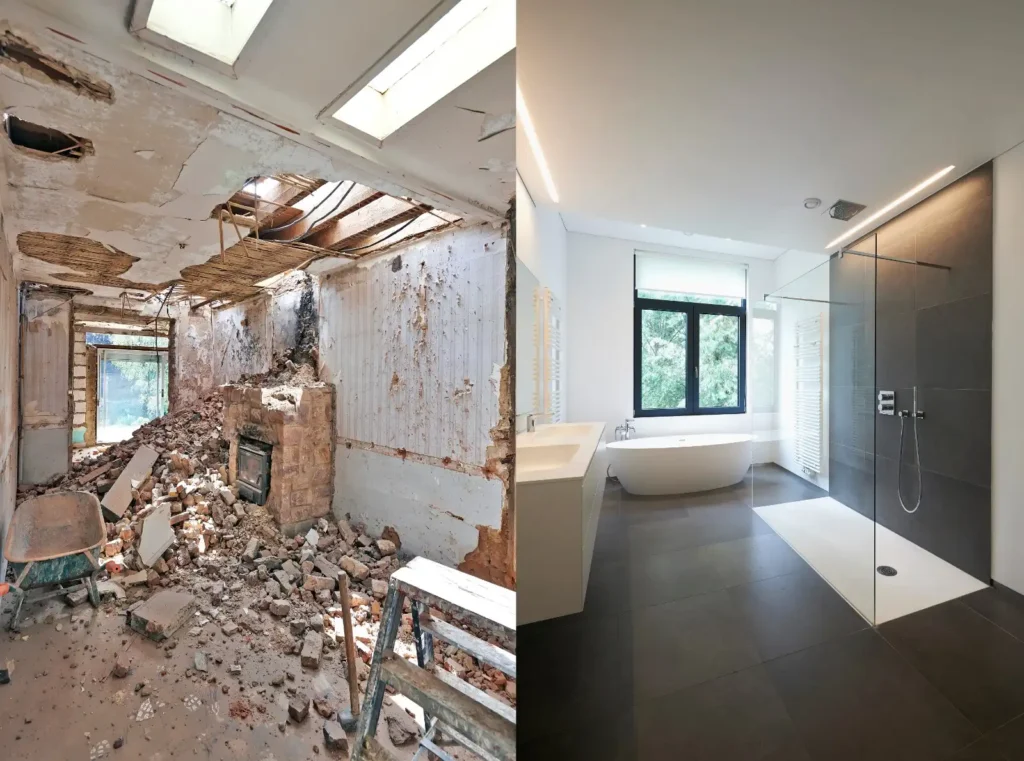
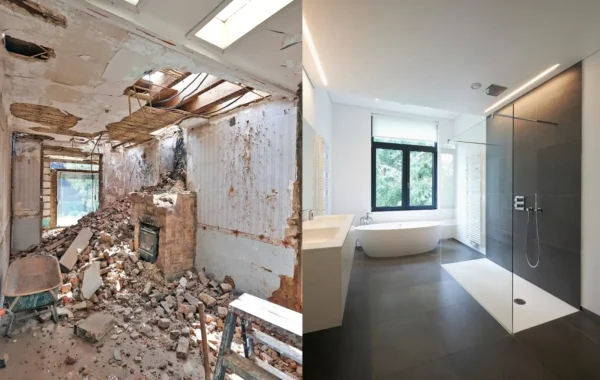
Before: A narrow bathroom with a standard tub/shower, a small vanity with two doors, and a single ceiling light. Additionally, Countertop items crowded the sink, and the mirror area felt dim.

After: A walk-in shower with a clear glass panel and a recessed niche, a drawer-based vanity sized to the wall, and lighting split between an overhead fixture and vanity lights on a dimmer. In addition, The finishes stayed neutral, but the room worked better day-to-day.

Note: The details above describe a typical scope and layout change—not a claim about a specific address or client.

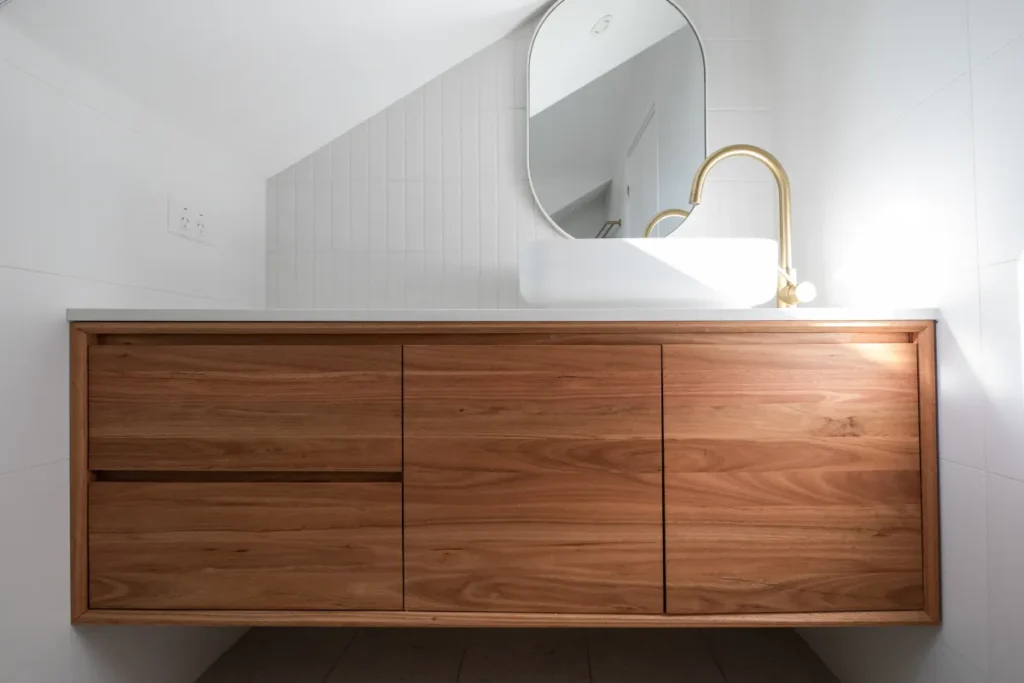
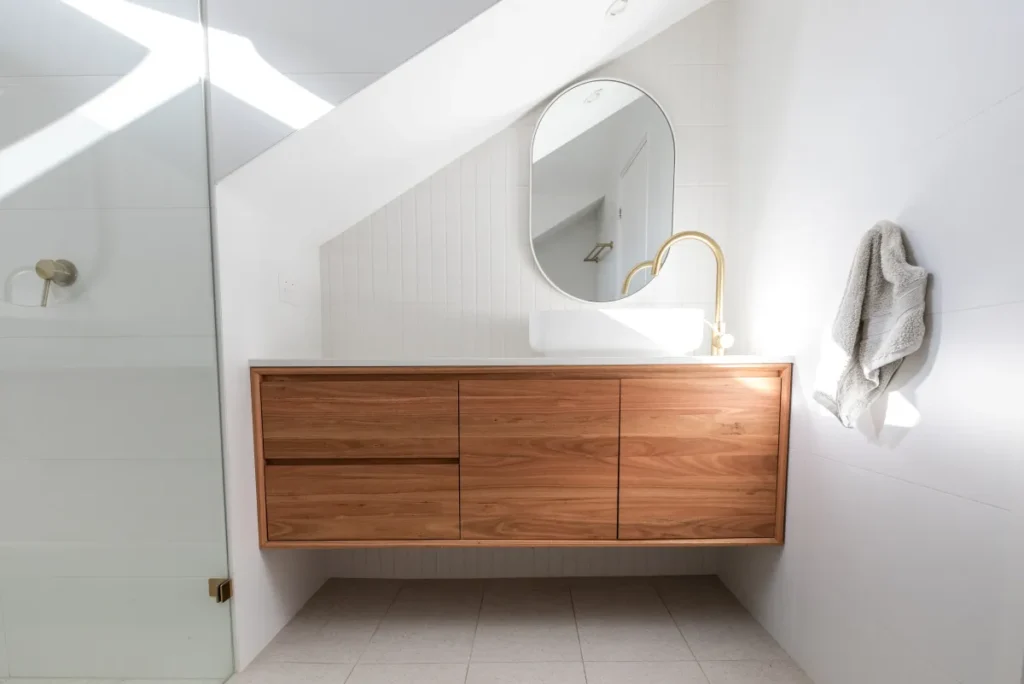
floating vanity modern bathroom interior design with hanging sink

Planning, Budget, And Materials

A good bathroom plan starts with constraints: plumbing locations, door swings, and storage needs. For this reason, Once you set those, finishes become easier decisions—and your budget stays easier to manage. If you remodel bathroom los angeles on a deadline, treat selections as part of the schedule, not a weekend errand.

Use This Checklist Before You Buy Fixtures:

  • Confirm who uses the bathroom and what “must-haves” matter (tub, double vanity, linen storage)
  • Decide whether you will keep plumbing locations or move them
  • Measure clearances at the toilet, shower entry, and vanity drawers
  • Choose your shower system approach (tile, solid panels, prefab base with tile walls)
  • Select vanity width, sink style, and mirror size as one coordinated set
  • Choose finishes that match your cleaning habits and water exposure
  • Check lead times for tile, glass, and cabinetry before scheduling demo

Pick The Right Footprint

Bathrooms don’t use kitchen-style “work triangles,” but the same layout patterns help you think clearly about fixture placement and traffic flow. Meanwhile, Here are four common footprints and where they make sense:

  • Galley: A long, narrow room with fixtures in a line or on one side; keep the walkway clear with a slimmer vanity or wall-hung option.
  • L-shape: Fixtures wrap a corner; this often fits when the vanity sits on one wall and the shower sits on the adjacent wall.
  • U-shape: Storage and surfaces wrap around; it works in larger primary baths when you keep the center open and avoid tight turns.
  • Island-centered: A center feature anchors the room—think a freestanding tub or a center-mounted vanity in a spacious bath; plan plumbing and clearances early.

Keeping the layout close to existing plumbing usually reduces risk. Overall, When you do move fixtures, plan the “hidden” needs as well: venting paths, shutoff access, and where outlets and lighting land.

Vanity, Counters, Tile, And Fixtures

Choose materials based on moisture, cleaning, and how long you plan to stay in the home. Also, These comparisons help you decide without overbuying:

  • Vanity cabinets: Plywood boxes often hold up better than particleboard in damp environments. In addition, For door style, Shaker stays timeless, slab doors read modern, and raised-panel leans traditional.
  • Countertops: Quartz resists staining and doesn’t need sealing. Additionally, Natural stone can look great, but some materials may need periodic sealing.
  • Wall tile: Porcelain typically offers strong durability and low water absorption; large formats reduce grout lines, while smaller formats fit complex walls.
  • Flooring: Porcelain tile remains a common wet-area choice. Meanwhile, If you consider LVP, confirm it’s bathroom-rated and detail transitions carefully at the shower or tub edge.
  • Fixtures: Invest in valves and core plumbing parts you’ll rely on daily; keep decorative trims in a sensible range.

Lighting often gets overlooked. Overall, A layered plan uses ambient light (ceiling fixture), task light (vanity sconces or bar), and accent light (a niche light or soft toe-kick glow) so the room works at 6 a.m. and 10 p.m.

Quick Decision Table (What Affects Budget And Schedule)

DecisionWhy it mattersOften impacts
Keep vs. move plumbingChanges rough-in work and wall/floor openingsSchedule, inspections, cost
Stock vs. custom vanityLead times vary and sizing affects layoutTimeline, storage performance
Tile coverage (partial vs. full height)More surface area means more labor and waterproofing detailCost, finish quality
Shower glass (standard vs. custom)Custom glass needs precise measurements after tileTimeline, coordination
Scope that triggers permitsPermits can add review steps and inspectionsFront-end planning time

Resale And ROI Priorities

No remodel guarantees a return, and Los Angeles resale value depends on your neighborhood and the rest of the home. Overall, Still, choices that tend to protect value include neutral finishes, a well-built shower with good ventilation, and storage that feels intentional. If you plan to sell soon, prioritize workmanship and durability over trendy, high-maintenance materials.

Timeline And Permit Considerations

Bathroom remodel schedules move at the speed of three things: decisions, material lead times, and inspections (when required). Additionally, You can keep the project moving by approving selections early and keeping change requests organized.

Permitting depends on scope. Overall, In Los Angeles, the Los Angeles Department of Building and Safety (LADBS) offers online services for permitting and plan review, and some residential scopes may qualify for faster online pathways. If you’re changing plumbing locations, adding circuits, or touching structural elements, build permits and inspections into the timeline from day one.

For official guidance, reference LADBS online services while you define your scope.

Budget Ranges & Timeline (Typical)

  • Refresh (same layout): Usually the shortest path because major plumbing stays put and selections stay simple.
  • Mid-scope upgrade: A new shower system, vanity, flooring, and lighting add coordination and lead-time planning.
  • Full reconfiguration: Moving fixtures or walls can extend the schedule with more trade work and inspections.
  • Special-order items: Custom glass, niche tile, and cabinetry often become the schedule “long pole.”

Los Angeles-Specific Planning Notes That Save Time

Los Angeles homes include everything from single-family houses to condos and multi-unit buildings. Also, If your project sits in a shared building, ask early about building rules, work hours, and access requirements so scheduling stays realistic. On tighter streets, delivery timing and material staging can matter as well, so plan those details before demolition day.

To keep momentum, organize decisions in a simple selection sheet (tile, grout color, vanity finish, faucet finish, light fixtures, mirror). As a result, When everything gets approved together, your contractor can order materials in one batch and coordinate trades with fewer gaps.

How To Avoid Costly Mistakes

Most budget surprises come from preventable issues: unclear scope, late product choices, and hidden conditions behind walls. For this reason, While you can’t eliminate every unknown, you can reduce risk with a few disciplined habits.

  • Get a written scope that specifies what is included (demo, waterproofing method, tile height, fixture models)
  • Confirm the change-order approach before work starts so additions don’t derail the schedule
  • Don’t buy fixtures on looks alone—match rough-in requirements, valve compatibility, and clearance needs
  • Plan waterproofing details before the first tile goes up; rework later costs more
  • Align electrical plans with mirrors and storage so outlets and lighting land where you need them
  • Protect adjacent areas with dust control and floor protection, especially near bedrooms

Maintenance Tips That Protect The Finish

Good materials still need the right care. As a result, A simple routine keeps the bathroom looking sharp and helps the installation last:

  • Wipe down shower glass and tile after heavy use to reduce mineral buildup
  • Use non-abrasive cleaners on grout and tile to avoid dulling the surface
  • Re-caulk transitions (shower edges, countertops, backsplash lines) when you notice gaps
  • Check under-sink shutoffs occasionally for slow drips and address them early
  • Run the exhaust fan during and after showers to manage moisture

If you want a timeline-first plan for your remodel scope, call +1 (916) 234-6696 to talk through scheduling and material lead times.

marble for counter counter top white marble bathroom interior with si

Next Step For Homeowners In Los Angeles

US Construction & Remodeling Corp. helps Los Angeles homeowners plan and build bathroom remodels with clear decision-making, coordinated trade work, and a schedule that accounts for inspections and product lead times. You’ll get straightforward guidance on layout, materials, and what your scope may require from a permit standpoint.

If you’re aiming to remodel bathroom los angeles on a specific deadline, book a planning call to map your timeline and key decisions, or call +1 (916) 234-6696 if you prefer to talk dates first.

Trust Signals To Look For In Any Contractor

  • Appropriate California licensing for the scope, plus current insurance you can review
  • A written scope that lists materials, key specs, and what’s excluded
  • Clear responsibility for permits and inspections when they apply
  • A realistic schedule with decision deadlines (tile, vanity, glass, fixtures)
  • Workmanship expectations you can inspect: straight tile lines, clean edges, and solid waterproofing details

You can verify a contractor’s license status directly through the state before you sign a contract. That extra step protects your budget and your home.

Helpful Links

Frequently Asked Questions

It depends on the scope. Work that changes plumbing locations, adds or relocates electrical, or affects structural elements often triggers permits and inspections. Before demolition, confirm whether your plan falls into permit-required work and who will handle the paperwork and inspection scheduling.

Timeline varies by scope and lead times. A same-layout refresh tends to move faster, while full reconfigurations can take longer because of added trade coordination, inspections, and special-order items (tile, glass, cabinetry). A planning call should produce a realistic schedule tied to your selections.

The biggest cost drivers usually come from scope and complexity. Common examples include:

  • Moving plumbing or electrical
  • Custom shower waterproofing and tile work
  • Custom glass enclosures
  • Vanity quality and storage features
  • Hidden conditions behind walls (water damage, framing issues)

Porcelain tile is popular for durability, and larger formats reduce grout lines. Solid wall panels can be low-maintenance as well, depending on the system. Ask your contractor how the shower will be waterproofed and what cleaners they recommend for your chosen finish.

Often, yes. Keeping plumbing locations can reduce risk and time while still delivering a big visual and functional change. Focus on a better vanity (drawers), improved lighting, a clean shower setup, and storage that uses wall space instead of floor space.

Use a quick, practical screen:

  • Verify the contractor’s license status with the state (CSLB)
  • Ask for proof of current insurance
  • Review a written scope and selection list
  • Confirm who handles permits/inspections when applicable
  • Make sure the timeline includes decision deadlines and lead times

CSLB license check: https://www.cslb.ca.gov/OnlineServices/CheckLicenseII/CheckLicense.aspx

Licensed, insured & trusted local contractor

US Construction & Remodeling Corp.
9821 Business Park Dr, Sacramento, CA, 95827
Phone: +1 (916) 234-6696

CSLB License #: 1117562 Fully licensed and insured.

View our Google Business Profile

Leave a comment

This website uses cookies to improve your web experience.
Explore
Drag