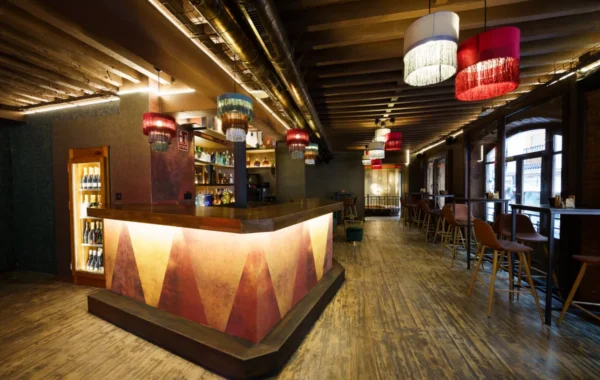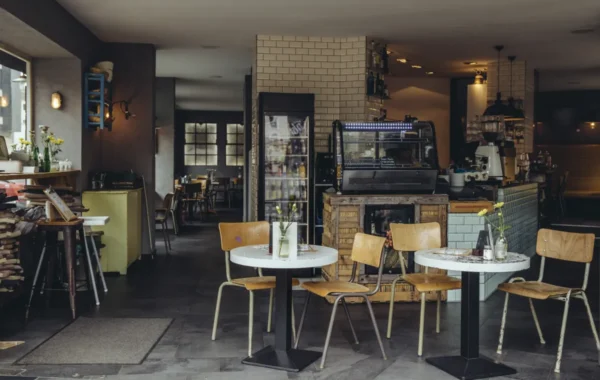
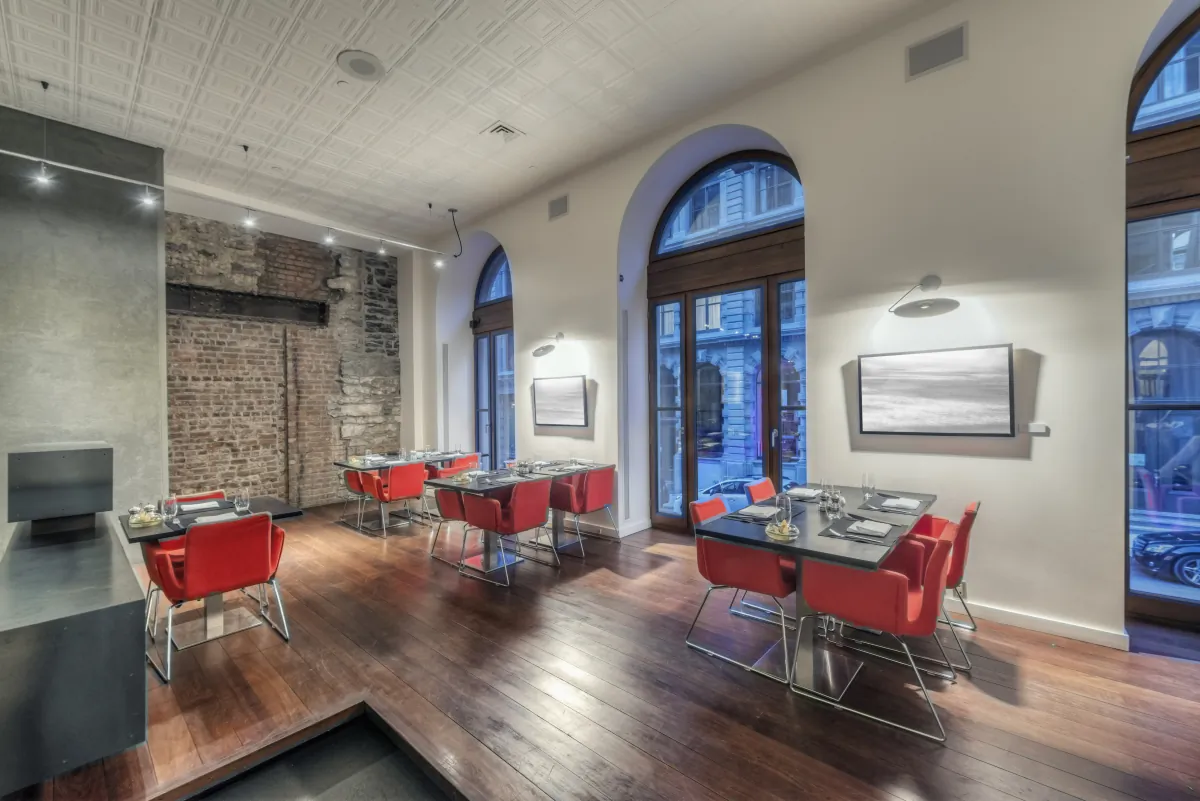
Restaurant Tenant Improvement Contractor Sacramento Checklist
Restaurant tenant improvements move smoothly when the bid package is tight and the schedule respects operating hours. This checklist is built for facility and property teams hiring a restaurant tenant improvement contractor in Sacramento and coordinating landlords, inspectors, and on-site operations.
Quick checklist:
- Define the scope and your must-have outcome (performance, budget, timeline).
- Confirm what work is involved and the order of operations.
- Finalize measurements and key selections before ordering long-lead materials.
- Verify license/insurance where required, and compare bids line-by-line (allowances, exclusions, change orders).
- Create a simple schedule and pre-order the items that most often cause delays.
TL;DR: Lock downtime windows, access rules, and closeout requirements before you request pricing. A clean scope and a realistic phase plan usually save more time than negotiating the lowest number.
- Confirm hours-of-work limits and any blackout dates
- Collect existing plans, landlord requirements, and current site photos
- List equipment that drives utilities (hood, refrigeration, hot water)
- Decide what must stay open and what can shut down
- Set site access rules (loading, keys, security, parking)
- Require insurance, safety planning, and closeout docs in the bid
US Construction & Remodeling Corp. supports Sacramento commercial tenant improvements with an operations-first mindset. For a quick feasibility check on phasing and inspection touchpoints, call +1 (916) 234-6696.
How To Plan Restaurant Tenant Improvement Contractor Sacramento With Minimal Disruption
Restaurant TI work has more stakeholders than most commercial interiors. For this reason, Facility teams coordinate building management, tenant operations, trades, deliveries, and inspections while keeping staff and customers safe.
Plan the bid like an operations project: define constraints, also document assumptions, and make sure every bidder prices the same scope.
Pre-Bid Planning Checklist (Before You Call Contractors)
- Current layout and ceiling plan (even marked up)
- Landlord rules for access, working hours, protection, and insurance
- Utility information you have (panels, shutoffs, access restrictions)
- Equipment cut sheets that affect electrical, plumbing, HVAC, or hood work
- Your downtime windows, target construction dates, and turnover date
Bid-Request Packet (So You Get Comparable Numbers)
Send one package to every bidder, then hold bids to it. In addition, When scope changes midstream, pricing and schedules stop lining up.
- Drawings plus a written scope narrative (by area and by system)
- Work-hour expectations and any noise or odor constraints
- Owner-furnished vs contractor-furnished items and long-lead responsibilities
- Closeout requirements (as-builts, warranties, manuals, lien releases)
Vetting A Restaurant Tenant Improvement Contractor (Insurance, Safety, Closeout)
- Request a certificate of insurance and confirm it meets landlord requirements
- Ask for restaurant/food-service TI references with similar permitting and MEP scope
- Confirm who manages permits/inspections and who meets inspectors on-site
- Confirm closeout deliverables and warranty contact expectations in writing
Red Flags That Usually Cost Time
- Vague scope language or heavy allowances without clear unit pricing
- No written schedule, or a schedule that ignores inspections and long-lead items
- Unclear permit responsibility or suggestions to bypass required steps
- Change-order rates and approval path are not stated up front
Bid Timeline And Turnaround Expectations
Expect a site walk, clarifying questions, and an addendum before final pricing. For example, With complete drawings and equipment cut sheets, bids commonly return in 5-15 business days.
Want to pressure-test your bid package before it goes out? Call +1 (916) 234-6696.
Scheduling Strategy (After Hours, Weekends, Phases)
Scheduling is where restaurant projects win or lose. After-hours work can protect operations, but it also adds coordination. Overall, The best plan matches operating rhythm and inspection reality.
Pick A Phasing Model That Matches Operations
- Area phasing: keep part of the venue open while isolating a work zone
- System phasing: complete utility upgrades and rough inspections before finishes
- Cutover nights: schedule power, water, or hood tie-ins in approved downtime windows
- Inspection gates: plan rough and above-ceiling sign-offs before closing walls
| Decision to lock | Schedule impact | What to document |
|---|---|---|
| Working hours | Controls access and downtime | Approved hours and contact chain |
| Long-lead items | Late deliveries stall inspections | Submittals, ship dates, storage plan |
| Utility shutdowns | Unplanned outages stop operations | Shutdown windows and contingency plan |
| Closeout requirements | Turnover slips without docs | Deliverables list and acceptance criteria |
Downtime Controls That Work In The Field
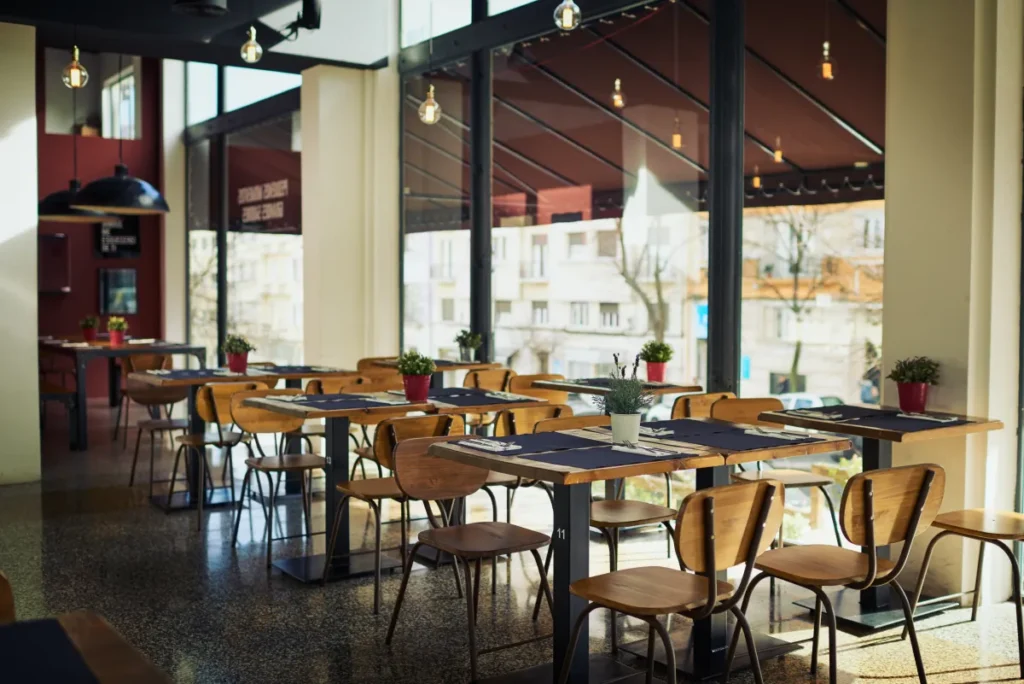
Build the schedule around access and protection, not just trade sequencing. Also, Plan deliveries to avoid service peaks, contain dust, keep egress routes clear, and track inspection readiness in a shared log.
Site Access Logistics And Safety Plan
Access rules drive both price and speed. As a result, If the contractor learns about loading limits or security check-in after mobilization. Also, Crews lose hours and the site absorbs the disruption.
Access And Staging Decisions To Make Early
- Delivery window, loading zone, and staging areas
- Parking plan for crews and restrictions (fire lanes, reserved stalls)
- Key control, alarm procedures, and escort requirements after hours
- Debris removal and dumpster location approvals
Protection, Cleanliness, And Tenant/Customer Coordination
- Containment for dust and odor; end-of-shift cleanup standards
- Protection along paths of travel and service corridors
- Signage for detours, emergency exits, and no-entry work zones
- Daily look-ahead communication and shutdown notices
Safety And Compliance Documentation To Request
Ask bidders to include their approach to OSHA compliance and hazard controls, especially for occupied spaces.
- Site-specific safety plan and incident reporting workflow
- Hot-work controls when applicable
- Certificate of insurance and subcontractor insurance requirements
What To Include In The Scope (Inclusions/Exclusions)
A tight scope prevents surprise add-ons and keeps bids comparable. It also protects scheduling, because the team can sequence work without waiting for late decisions.
Inclusions To Spell Out (Apples-To-Apples)
- Demolition limits and what stays in place
- Finishes by area (ceilings, flooring, paint, wall protection)
- MEP changes tied to equipment requirements
- Permits/inspections responsibilities (submittals, fees, inspection attendance)
- Closeout deliverables and acceptance criteria
Exclusions And Assumptions To Confirm
- Owner-furnished equipment receiving, rigging, and installation responsibility
- After-hours premiums and whether weekend work is included
- Unknown conditions behind walls/ceilings and the change-order approach
- Hazardous material testing/abatement responsibilities when applicable
Closeout Package (Make It Part Of The Bid)
Turnover goes smoother when closeout is contractual. Meanwhile, Require documentation that supports maintenance, warranty calls, and future TI work.
- Final inspection sign-offs and as-built markups
- Warranty letters, product data, and O&M manuals
- Training requirements for facility staff when needed
- Lien releases and final payment tied to acceptance criteria

Bid/Quote Checklist (Compare Like-For-Like)
Bid leveling is easier when every proposal answers the same questions. Additionally, Use this checklist to compare a restaurant tenant improvement contractor bid on price, schedule. Overall, And risk without guessing what is missing.
What To Ask For In Every Proposal
- Written scope with inclusions, exclusions, and assumptions
- Schedule showing phases, work hours, and inspection milestones
- Line items for protection/cleanup and closeout documentation
- Allowances called out clearly (not hidden in lump sums)
- Change-order rates, approval workflow, and insurance confirmation
How The Bid Normally Moves From Walk-Through To Start
Expect a site walk so the contractor can confirm access, existing conditions, and shutdown constraints. As a result, After that, bidders submit questions and return pricing with a schedule. For example, When documentation is complete, bids often return in 5-15 business days.
Sacramento Permitting Note
In Sacramento, permitting and plan review typically run through the City of Sacramento Community Development portal (Accela Citizen Access). In addition, With applications, payments, and status tracking online. For this reason, Build time into the schedule for plan check comments and required inspections based on scope.
Call Or Start Online
For help tightening scope, phasing, and closeout requirements, call +1 (916) 234-6696. US Construction & Remodeling Corp. Overall, can coordinate a walkthrough so your team can confirm access and inspection touchpoints before work starts. Additionally, If you prefer, start through the estimate request form on our website and include photos, hours-of-work rules. And your target turnover date.
Helpful Links
Related Service Page
Related reading
Frequently Asked Questions
Give bidders one consistent package so pricing and schedule assumptions stay aligned.
- Existing plans or a marked-up layout, plus current site photos
- Landlord rules for access, working hours, and protection
- Equipment cut sheets that drive electrical, plumbing, HVAC, or hood work
- Your downtime windows and target turnover date
Often, yes. After-hours and weekend shifts can protect operations, but they can also raise labor costs and require tighter access control.
Confirm how inspections fit, since many inspections still happen during weekday business hours. A phase plan that keeps egress and ADA routes clear is just as important as the shift schedule.
It depends on the contract and the scope. Many TI projects have the contractor coordinate permit submittals and inspections, while the owner or tenant may pay some fees.
Spell out responsibility in writing: who submits, who responds to corrections, who meets inspectors, and who tracks approvals. In Sacramento, plan review and status tracking are commonly handled online through the City of Sacramento Community Development portal (Accela Citizen Access).
Request documentation early so landlord approvals do not delay the start date.
- Certificate of insurance (confirm limits match landlord requirements)
- Workers' compensation coverage confirmation
- Site-specific safety plan for occupied commercial work
Require closeout deliverables in the bid and tie final payment to them.
- Final inspection sign-offs and any required test reports
- As-built markups for key routing (above-ceiling, shutoffs, panels)
- Warranty letters, product data, and O&M manuals
- Lien releases and a clear warranty contact path
These issues tend to create change orders, downtime, or compliance problems.
- Vague scope language or heavy allowances without clear assumptions
- No written schedule, or a schedule that ignores inspections and long-lead items
- Unclear permit responsibility or suggestions to bypass required steps
- Insurance documentation not provided up front
- Change-order rates not stated, or no approval process for off-hours work
Licensed, insured & trusted local contractor
US Construction & Remodeling Corp.
9821 Business Park Dr, Sacramento, CA, 95827
Phone: +1 (916) 234-6696
CSLB License #: 1117562 Fully licensed and insured.
Related service
Looking for a step-by-step overview before you choose materials? Read Bar & Café Build-Outs.