Roofing Permit Requirements in Los Angeles: Homeowner Checklist
Planning a roof replacement in Los Angeles is more than picking materials. You also need to understand roofing permit requirements los so the work stays compliant and inspection-ready.
Quick checklist:
- Confirm the scope: repair, partial replacement, or a full reroof.
- Pick a material system and verify underlayment, flashing, and ventilation details.
- Clarify tear-off vs overlay and what happens if decking damage is found.
- Compare 2–3 itemized bids (materials, disposal, permits, warranty).
- Schedule around weather and confirm daily cleanup and protection.
- Do a final walkthrough: flashing, vents, and warranty documentation.
This guide gives you a contractor selection checklist, interview questions, and permit/inspection notes. To map a timeline for your home, request a free estimate with US Construction & Remodeling Corp. or call +1 (916) 234-6696.
TL;DR: Permits and inspections in Los Angeles can affect your start date. A written scope and material plan keeps paperwork moving. Pick a contractor who will confirm the permit path, schedule inspections, and close out the job in writing.
- Confirm whether your scope needs a permit with the Los Angeles Department of Building and Safety (LADBS).
- Verify license status and insurance before signing.
- Get the scope in writing (tear-off, wood repairs, roof openings).
- Choose materials early so paperwork doesn't stall.
- Set a communication cadence for updates and changes.
- Plan for inspections and final sign-off.
Contractor Selection Checklist For Roofing Permit Requirements Los
| Decision | Why it matters | Quick check |
|---|---|---|
| Material system | Affects lifespan, cost, and appearance. | Confirm shingle/tile type, underlayment, and warranty. |
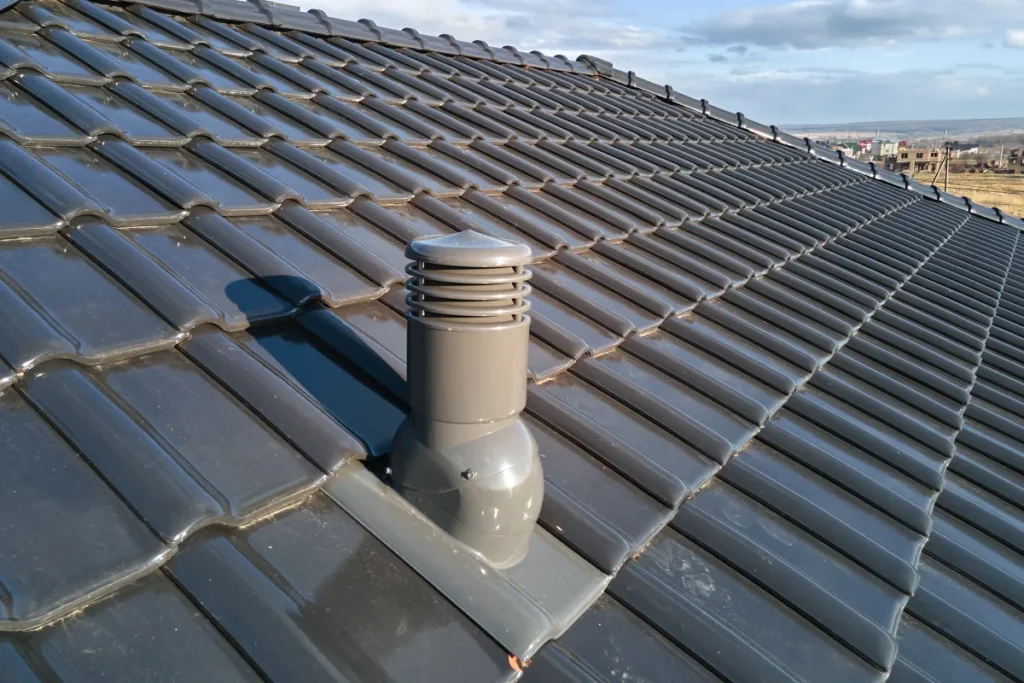
| Flashing & penetrations | Most leaks start at edges and penetrations. | Specify flashing at chimneys, vents, and valleys. |
| Ventilation | Controls heat/moisture and protects decking. | Confirm intake/exhaust balance and vent types. |
| Tear-off & decking | Hidden damage can change cost and timeline. | Include an allowance and photo documentation. |
Homeowners usually think about color and material. Overall, The permit side decides when you can start, what gets inspected, and how the job gets closed out.
Use this checklist to compare bids on more than price. As a result, It helps you spot vague proposals that can turn into delays and change orders.
Contractor Selection Checklist
- Names the person responsible for permits and inspections in writing.
- Explains the scope clearly: replacement area, layers removed, and what happens if wood is also damaged.
- Reviews the roof deck (the wood surface under the roofing) and calls out likely repair areas.
- Lists materials by product line, not just a generic label like “architectural shingles.”
- Explains how they protect landscaping, driveways, and adjacent areas during tear-off.
- Gives a plan for daily cleanup and debris control.
- Provides a point of contact and a schedule for updates.
- Uses written change orders for any scope change before extra work starts.
Common Planning Mistakes To Avoid
- Starting tear-off before you confirm the permit path for your scope.
- Accepting a one-line proposal with no material list or repair allowances.
- Assuming “re-roof” always means “no permit” or “no inspections.”
- Waiting to choose materials until after paperwork is submitted.
- Overlooking HOA approvals or building access rules if you share walls or common areas.
- Skipping a final document handoff (permit card, inspection sign-offs, and product info).
What To Ask Before You Hire
The best contractor interview sounds less like a sales pitch and more like a planning meeting. In addition, Ask questions that force clear answers about scope, schedule, and paperwork.
Questions That Protect Your Timeline
- Who will pull the permit if one is necessary, and will that be written into the contract?
- What documents do you need from me (HOA forms, property access notes, or prior plans)?
- What is your expected start window once the permit is approved and materials arrive?
- How do you handle roof deck repairs, and how do you price them?
- Which parts of the work require inspections, and who schedules them?
- How will you keep the jobsite safe and the property clean each day?
- How will you communicate weather delays and schedule changes?
- What warranties apply (manufacturer vs workmanship), and what paperwork will I receive?
If a term is unfamiliar, ask for a quick definition. For example, a “plan check” is the city’s review of your permit application, and a “final inspection” is the last visit that closes the permit.
Red Flags And How To Verify Licensing
Permits do not fix bad workmanship. Also, Verification is the homeowner’s best tool before signing anything.
In California, you can confirm a contractor’s license status through the Contractors State License Board (CSLB). For this reason, Use the CSLB license check and make sure the business name matches the contract.
Red Flags That Usually Lead To Problems
- They won’t put scope, materials, and permit responsibility in writing.
- They ask you to pull the permit “to save time” or refuse to explain the permit path.
- They pressure you for a large cash payment before any paperwork.
- They cannot show proof of insurance, including workers’ compensation when required.
- They won’t give a clear schedule or a single point of contact.
Simple Verification Steps
- Confirm the license is active and the classification fits roofing work.
- Ask for a current certificate of insurance and read the named insured carefully.
- Get a written contract that lists scope, materials, payment milestones, and change order rules.
Permits, Inspections, And Paperwork
Los Angeles permit activity typically runs through the Los Angeles Department of Building and Safety (LADBS), which offers online services for permitting and plan review. Additionally, Homeowners researching roofing permit requirements los often underestimate how much a clear scope and complete paperwork can speed up the early phase.
A permit is the city’s authorization to perform the work. Meanwhile, Inspections are the city checks that the work matches approved plans and basic safety rules.
Paperwork To Expect On A Well-Run Roofing Job
- Written scope and material list (what is included and excluded).
- Permit documentation when required: application, issued permit, and any posted permit card.
- Inspection sign-offs and a closeout note when the city completes the last inspection.
- Product documents and care info you can save for future maintenance or resale.
Key Decisions That Change Cost And Timing
| Decision | Why it matters | What to confirm |
|---|---|---|
| Repair vs full replacement | Scope, schedule, and inspection needs | Existing leaks, number of layers, and visible deck condition |
| Material type | Weight, detailing, lead time | Approved product, color, and installation requirements |
| Wood replacement | Change orders and inspection readiness | How pricing is handled if damaged areas are discovered |
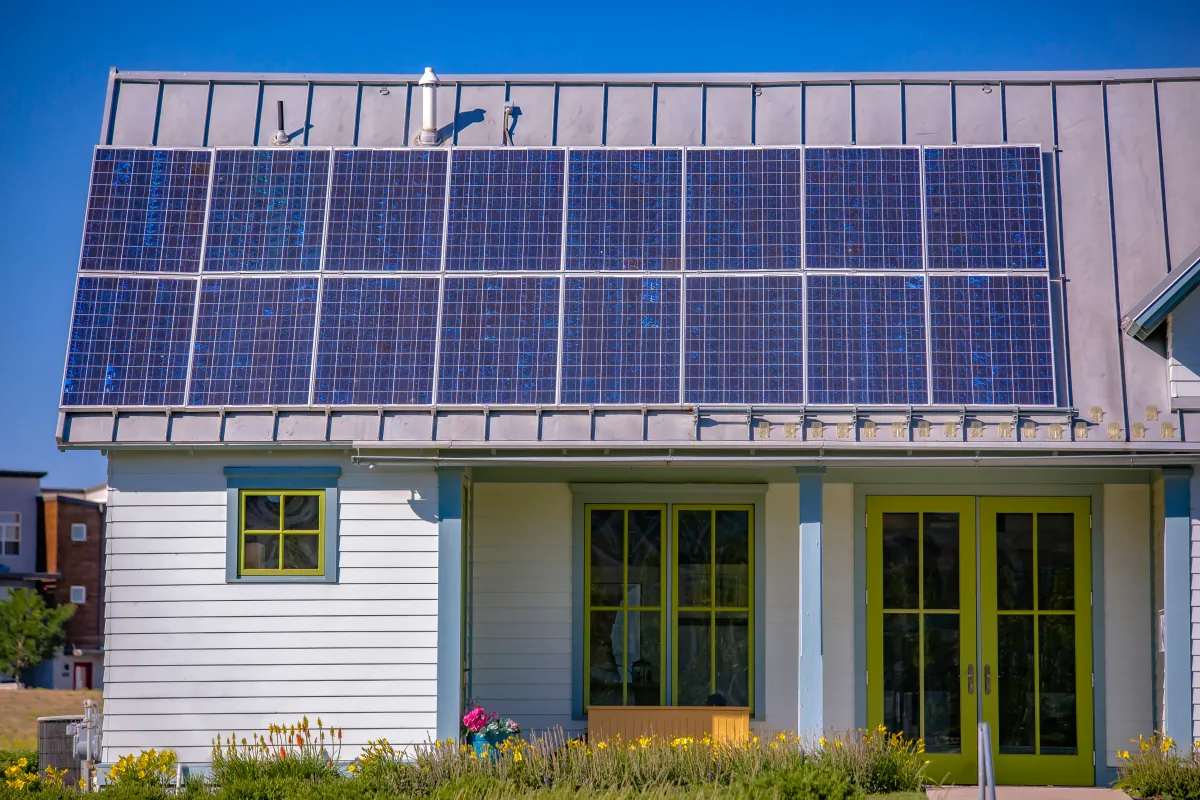
| Added features | Extra coordination | Skylights, structural changes, or solar tie-ins |
If you share a roof through an HOA or condo association, confirm their approval process early. For example, City permitting and HOA approvals are separate steps, and either one can affect the start date.

Timeline And Communication Expectations
Roofing jobs move fast once materials arrive, but the front end can vary based on paperwork and inspection availability. As a result, Set expectations in writing so you don’t get caught by a “we’ll see” schedule.
Typical Timeline (Common Ranges)
- Site visit and scope confirmation: 1-3 days after you request an estimate (schedule dependent).
- Permit research and application prep: a few days once scope and materials are decided.
- City review/approval: varies; some online/express paths move faster than plan review.
- Material order and scheduling: 3-10 days, depending on availability.
- Tear-off and installation: commonly 2-5 days for many homes, depending on size and complexity.
- Inspections and closeout: timing depends on inspection windows and any corrections.
Communication That Keeps Projects On Track
- Agree on update cadence (daily text, end-of-day photo log, or weekly call).
- Ask for a written change order before added work starts.
- Confirm who schedules inspections and how you’ll be notified of dates and results.
- Keep a single decision-maker on the homeowner side to avoid delays.
Maintenance Tips After The Job
- Save the permit documents, inspection sign-offs, and product info in one folder.
- After high wind or heavy rain, do a quick ground-level walkaround and look for loose materials.
- Keep the roof surface clear of branches and debris that can trap moisture.
- If you see staining on ceilings or attic framing, call a roofer promptly so small leaks don’t spread.
Quick Answers On Roofing Permit Requirements Los
If you’re unsure whether your project needs a permit, confirm it before work starts. Overall, A short planning call can clarify scope, paperwork, and realistic timing for Los Angeles. For this reason, Call +1 (916) 234-6696 or request a free estimate.
Helpful Links
Frequently Asked Questions
Many roof replacements in Los Angeles require a permit, but the exact requirement depends on your scope. When homeowners search roofing permit requirements los, the missing piece is usually the details: are you replacing the full roof covering, repairing the wood deck, or changing roof features?
The safest approach is to confirm the permit path with LADBS before materials arrive. Your contractor should also put permit responsibility in writing so there’s no confusion once work starts.
- A full replacement and a small repair may be treated differently.
- Structural changes or adding features like skylights may add review steps.
- Repairs discovered after tear-off can change what the city wants to inspect.
Permit timing ranges from quick online issuance to longer plan review. LADBS workload, the completeness of the application, and whether corrections are necessary all affect the calendar.
If you’re looking up roofing permit requirements los because you’re trying to set a start date, focus on what you can control: finalize scope, pick the material system early, and respond fast if the city requests clarifications.
- Clear scope and a complete submittal reduce back-and-forth.
- Material changes mid-stream often slow approvals.
- Inspection availability can affect the final closeout date.
In many cases, yes. Most homeowners prefer that the contractor handles the permit application and coordinates inspection scheduling, as long as it’s documented in the contract.
Ask for the permit number (when issued) and keep copies of permit and inspection paperwork for your records. Also verify the contractor through the CSLB and request proof of insurance before you sign.
- Confirm who pays permit fees and who schedules inspections.
- Make sure the job address and scope match the issued permit.
- Avoid anyone who asks you to pull the permit so they can “work under your name.”
Inspection steps depend on the permit type and the work involved. Many projects have at least a final inspection to close the permit, and some also include an in-progress inspection before everything is fully covered.
Inspectors typically look for work that matches the approved scope and basic installation rules. They often check edge metal, waterproofing at transitions, and water seals around chimneys and pipes (often called flashing). If your scope includes attic airflow changes, they may also confirm those items separately.
If the inspector notes corrections, your contractor should document the fix and reschedule promptly.
Roof pricing changes from house to house. The biggest drivers are roof size and pitch, access, and how many layers must be removed.
Homeowners who start with roofing permit requirements los often forget to ask about the work you can’t fully see until tear-off. That includes the roof deck condition and the number of roof openings.
- Amount of wood replacement once the old roof is removed
- Material system choice and required accessories
- Number of roof openings (pipes, skylights, chimneys)
- Permit fees and any extra coordination tied to your scope
Ask for a written allowance or unit price for wood replacement so you can manage surprises.
Material choice can change both review and installation requirements. Some systems weigh more, use different fastening, or require specific underlayment products.
When you compare bids, make sure the contractor lists the material system clearly and can provide product documentation if LADBS requests it. If you’re switching from one roof type to a very different one, ask whether the city may require additional review.
If you’re in an HOA or a condo, you may have two approval tracks: the association’s rules and the city’s permit process. HOA approvals can control color, materials, work hours, and where crews can stage materials.
To keep the timeline predictable:
- Request HOA roof guidelines and application forms early.
- Confirm who owns the roof (you vs association) and who signs contracts.
- Share the planned inspection window so building access is available.
- Notify neighbors about noise and parking impacts ahead of time.
A contractor who communicates clearly helps you coordinate both tracks without last-minute scrambling.
Licensed, insured & trusted local contractor
US Construction & Remodeling Corp.
9821 Business Park Dr, Sacramento, CA, 95827
Phone: +1 (916) 234-6696
CSLB License #: 1117562 Fully licensed and insured.
Start with the pillar guide
For a complete overview (scope, timeline, and planning tips), see our main page: Roofing Remodeling (Landing Page).