Skip links

Roofing vs DIY in Rancho Cordova: A Practical Roadmap

Roof problems feel urgent, and DIY videos make it look simple. If you’re weighing roofing vs diy rancho options in Rancho Cordova, focus on safety, accurate leak diagnosis, and a finish that holds up.

Quick checklist:

  • Confirm the scope: repair, partial replacement, or a full reroof.
  • Pick a material system and verify underlayment, flashing, and ventilation details.
  • Clarify tear-off vs overlay and what happens if decking damage is found.
  • Compare 2–3 itemized bids (materials, disposal, permits, warranty).
  • Schedule around weather and confirm daily cleanup and protection.
  • Do a final walkthrough: flashing, vents, and warranty documentation.

This guide compares DIY fixes with a professional roof project, including planning, permitting in Rancho Cordova (when required), material choices, and closeout so you know what you’re signing up for.

TL;DR: DIY can work for a small, easy-to-reach issue when you can see the cause and work safely. Bigger scopes usually add hidden damage, tool costs, and risk. For a quick consult, call +1 (916) 234-6696.

  • Can you access the roof safely without rushing?
  • Have you traced the leak source from the attic?
  • Do you see soft decking, sagging, or widespread granule loss?
  • Are multiple slopes, skylights, or vents involved?
  • Will the city require a permit for your scope?
  • Do you have a plan for cleanup and haul-away?

What Changes The Experience The Most For Roofing Vs DIY Rancho

DecisionWhy it mattersQuick check
Material systemAffects lifespan, cost, and appearance.Confirm shingle/tile type, underlayment, and warranty.
Flashing & penetrationsMost leaks start at edges and penetrations.Specify flashing at chimneys, vents, and valleys.
VentilationControls heat/moisture and protects decking.Confirm intake/exhaust balance and vent types.
Tear-off & deckingHidden damage can change cost and timeline.Include an allowance and photo documentation.

Roofing isn’t like painting a room. Also, You work at height, you handle heavy materials, and you need watertight results the same day. For this reason, That’s why the DIY vs hire decision usually comes down to risk, not motivation.

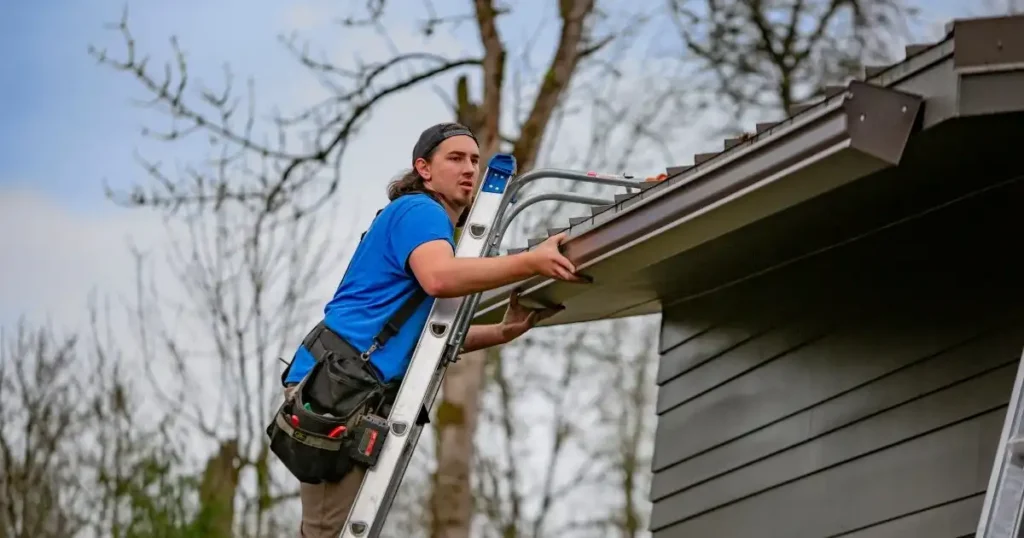
A DIY repair can be reasonable when the problem is truly small and you can trace the cause—like replacing a handful of damaged shingles on a low, walkable slope. In addition, Even then, treat it as a controlled job: set ladder safety, protect the ground, and stop if you feel unstable.

DIY-Friendly Actions That Stay Low-Risk

  • Inspect from the ground and take photos of suspect areas.
  • Check the attic for wet sheathing or daylight around penetrations.
  • Clear loose debris near valleys and roof edges using safe tools from a ladder.
  • Use a temporary tarp only as a short-term stopgap, also then schedule a real repair.

When Bringing In A Pro Is The Safer Move

  • Steep pitch, two-story height, or fragile roofing materials.
  • Leaks you can’t trace to a single entry point.
  • Signs of deck damage (soft spots, sagging, recurring stains).
  • Any scope that may involve permit or inspection steps.

Hypothetical example: You notice a ceiling stain after a windy day. Overall, A DIY patch might cover one suspect shingle, yet water often enters higher up and travels along the deck. Meanwhile, A professional inspection typically traces the entry point before sealing anything.

If you want a clear repair vs replace recommendation without guessing, a quick phone consult can save time and prevent repeat leaks.

Layout And Function Improvements

Roofing performance depends on how each roof plane ties together, how edges shed water, and how the attic space breathes. Additionally, DIY fixes often miss these system connections, especially on complex roof lines.

Complexity Changes DIY Difficulty

Use the roof’s geometry as a reality check. For example, More intersections and penetrations make diagnosis harder and increase the chances of a patch that doesn’t solve the real issue.

  • Multiple valleys or intersecting roof lines
  • Skylights, chimneys, or wall transitions on the same slope
  • Solar panel arrays that require coordination for detach/reset
  • Low-slope sections that need different materials than shingles
  • Limited ladder landing zones or steep ground near the eaves

Function Upgrades That Matter (Even If You Don’t See Them)

  • Edge metal and drip edge alignment to guide water away from fascia
  • Balanced attic airflow (intake and exhaust) to reduce heat and moisture stress
  • Proper sealing around pipe boots and other penetrations
  • Vent and pipe color choices that blend with the roof finish

Tight-Access Homes: Keeping The Site Workable

If your driveway is short or side yards are narrow, logistics can become the biggest pain point. For this reason, Planning the staging area up front keeps your home safer and the job smoother.

  • Move vehicles out of the driveway the night before work starts.
  • Set aside a clear path from street to gates and side-yard access.
  • Protect plants and hardscape with breathable covers (avoid trapping heat on sensitive landscaping).
  • Keep kids and pets indoors during tear-off and cleanup.
  • Give nearby neighbors a heads-up about early start times and parking needs.

Materials And Finish Options

Material choice affects more than curb appeal. As a result, It changes how forgiving the install is, how the roof handles sun exposure, and how easy repairs are later.

Common Residential Options (And What They Mean For DIY)

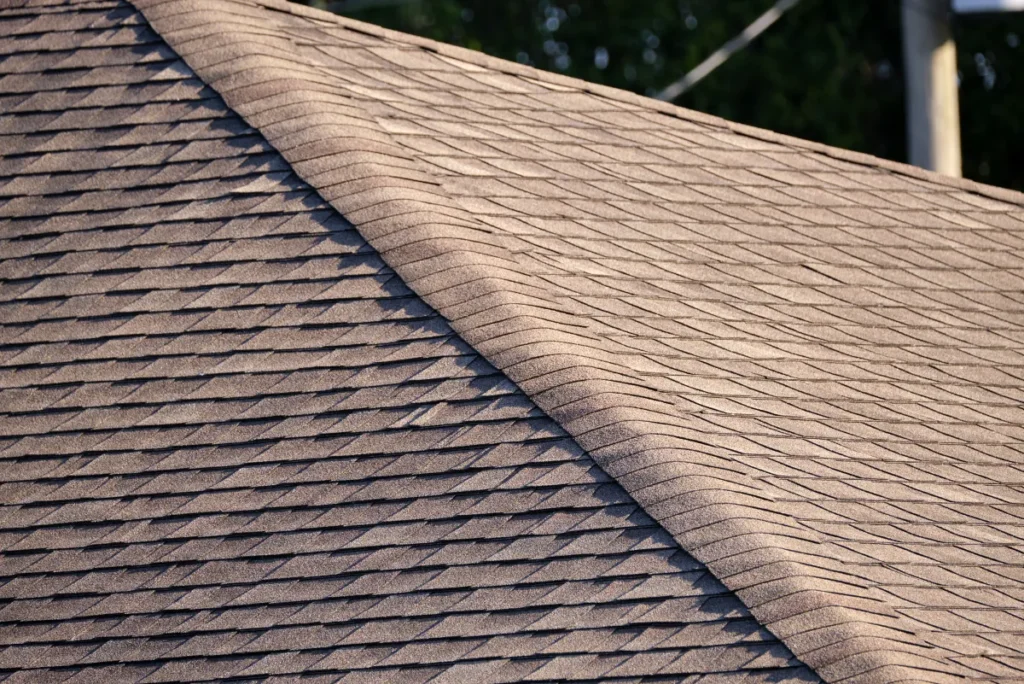
  • Asphalt shingles: Widely used and repairable; architectural shingles typically add thickness and shadow lines versus basic 3‑tab styles.
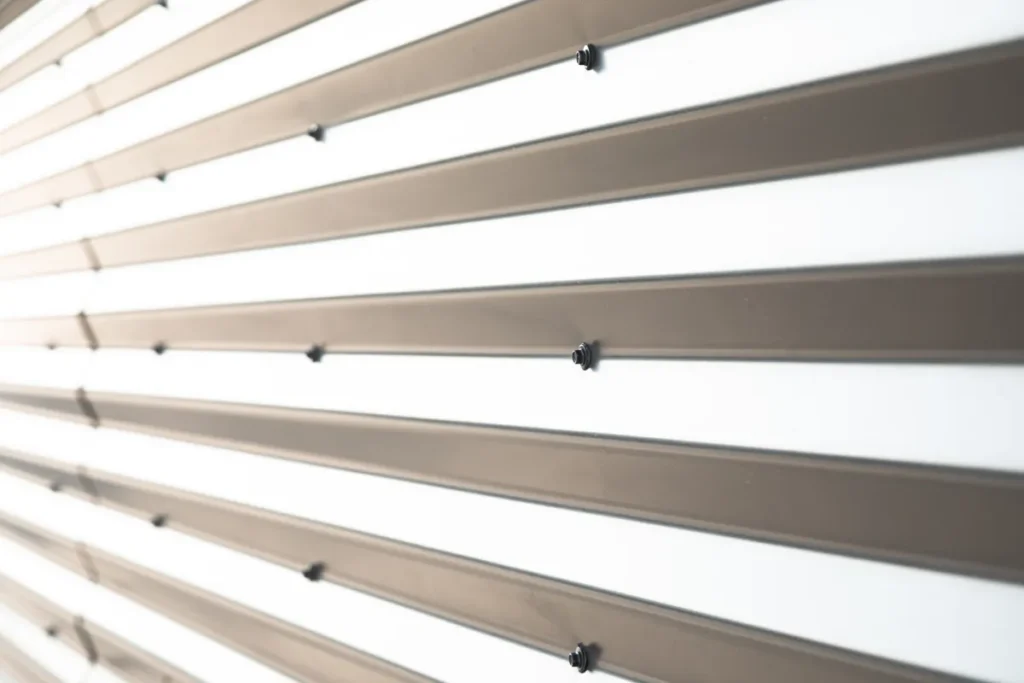
  • Metal roofing: Durable, but fastening patterns and edge details leave less room for DIY error.
  • Concrete or clay tile: Heavy and brittle; repairs often require careful matching and safer walking strategies.
  • Low-slope membranes: Useful where shingles don’t belong; seams and terminations often need specialty tools and training.

Under the surface, underlayment choice and water-resistant barrier placement can improve leak resistance at vulnerable transitions. Meanwhile, A professional estimate should list these layers in writing so you can compare scope accurately.

Finish Details Homeowners Notice

  • Shingle color and granule blend (neutral tones usually age well)
  • Ridge cap profile that matches the shingle field
  • Vent placement and color coordination
  • Visible edge metal color at eaves and rakes

What To Prioritize

A roof update can support resale because buyers and inspectors pay attention to roof condition and paperwork. For this reason, The strongest ROI choices usually focus on documentation and consistency, not trendy add-ons.

  • Keep a clear scope of work and material list for your records.
  • Address any deck repairs the right way instead of covering soft spots.
  • Choose widely available materials so future repairs can match.
  • When a permit is necessary, close it out so future buyers don’t inherit open items.
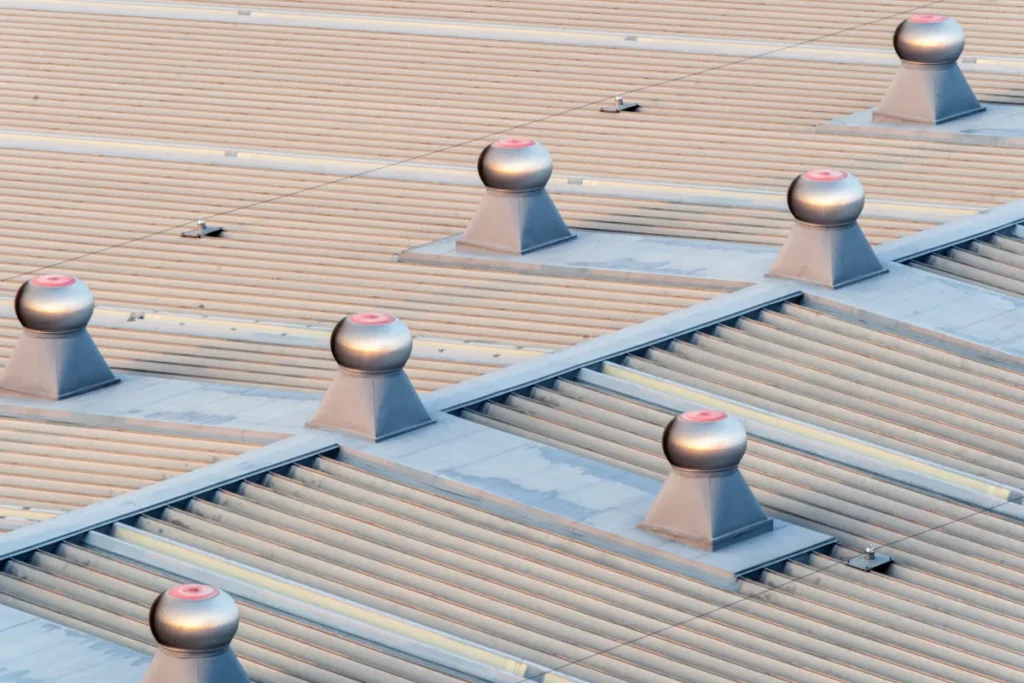
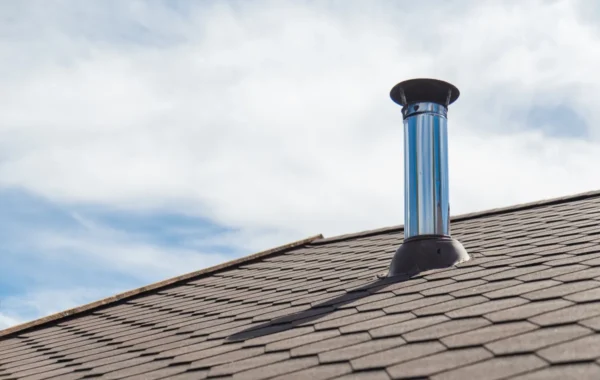
roof exhaust vent factory building metal roof turbine ventilation

Cost Drivers + Timeline (Typical) For Roofing Vs DIY Rancho

Roofing prices vary because the work isn’t just the visible surface. For this reason, Access, roof geometry, and hidden deck condition can shift the scope once the old material comes off.

  • Roof size and pitch: More surface area and steeper slopes increase labor and safety setup.
  • Layers to remove: Multiple layers take longer and increase haul-away.
  • Deck condition: Any soft or damaged sheathing needs repair before new materials go on.
  • Penetrations and intersections: More vents, skylights, and roof-to-wall tie-ins require more detail work.
  • Material choice: Shingle, metal, tile, and low-slope systems differ in labor and accessory parts.
  • Permits and inspections: When required, they add lead time and a final sign-off step.
ScopeBest fitTypical time on siteMain cost drivers
DIY temporary patchStopping active drip while you planHoursTools, materials, safety setup
Professional repairLocalized damage or a single leak pointUsually same day once scheduledAccess, penetrations, matching materials
Partial replacementOne slope failing while others remain sound1–2 daysTear-off area, transitions, material availability
Full replacementWidespread wear or multiple recurring issuesOften 2–4 daysRoof size/pitch, deck repairs, complexity

Budget Ranges And Timeline (Typical)

  • DIY patch: Lowest spend and shortest duration, but higher chance of repeat if diagnosis is wrong.
  • Targeted pro repair: Mid-range spend when the leak source is isolated and accessible.
  • Partial replacement: Higher spend; useful when one area has reached end-of-life.
  • Full replacement: Highest spend; resets the roof system and simplifies future maintenance.

Project Roadmap In Rancho Cordova (Planning To Closeout)

  1. Share photos and goals during a quick phone consult.
  2. On-site inspection of the roof surface and attic, with notes on leak paths and weak points.
  3. Written estimate with options (repair, partial, full) and material selections.
  4. Permit check for the scope; when a permit is necessary, paperwork and inspection scheduling typically run through the City of Rancho Cordova’s online permit portal.
  5. Schedule materials and the crew, then set a start date window.
  6. Protect landscaping, stage materials, and set up safety controls.
  7. Tear-off (if replacing), inspect the deck, and complete any needed sheathing repairs.
  8. Install underlayment, new roofing, and all accessories, then seal penetrations.
  9. Thorough cleanup with a magnetic sweep of the yard and driveway.
  10. Final walkthrough and closeout documentation; if inspections apply, close the permit.

How To Prepare Your Home

Whether you DIY a small repair or hire a crew, prep keeps the day calmer. Overall, Roofing work creates vibration and noise, and crews need clear access to move materials safely.

Prep Checklist Before Anyone Climbs

  • Move cars out of the driveway and away from the garage door.
  • Take down fragile wall art on exterior-facing walls; vibration can rattle frames.
  • Cover items in the attic if you store boxes near the roof deck.
  • Keep pets inside and plan a quiet room if they stress with noise.
  • Let household members know the work window and where walking paths will be.
  • Unlock gates and clear side-yard obstacles for safer access.

Attic Storage And Organization Tips

Attics often become catch-all storage. Overall, Before roofing work, a little organization protects your belongings and helps the crew inspect safely.

  • Leave a clear aisle to the attic access point and any HVAC equipment.
  • Store boxes in sealed bins and keep them off the insulation where possible.
  • Keep stored items away from vents and the eave area to allow airflow.
  • Label bins so you can find essentials without digging during the project.

Simple Maintenance That Extends Performance

Most roof issues start small. Meanwhile, Regular checks help you catch problems before they reach drywall.

  • Look for lifted shingles, cracked sealant, or debris buildup after windy days.
  • Clean gutters periodically so water doesn’t back up at the roof edge.
  • Trim tree branches away from the roof to reduce abrasion and leaf accumulation.
  • Check the attic for new stains a few times per year, especially after heavy rain.
roof exhaust vent closeup ventilation pipe house roof top cove

Next Steps For Rancho Cordova

US Construction & Remodeling Corp. As a result, helps Rancho Cordova homeowners sort out roofing vs diy rancho decisions with a site inspection, a clear written scope, and options that fit your home. For this reason, Call +1 (916) 234-6696 for a quick consult, or request a free estimate online.

Permits And Inspections In Rancho Cordova (General Guidance)

Some roof repairs don’t require a permit, while replacements or larger scopes often do. Also, Rancho Cordova supports online permitting—applications, payments, and inspection scheduling typically happen through the city’s permit portal—so paperwork doesn’t have to slow the job down.

If you hire a contractor, ask who will handle the permit steps when they apply and how you’ll receive updates on inspection status.

Trust Signals To Look For Before You Hire

  • Active licensing and insurance (ask for proof, and verify through state resources).
  • A written scope that lists materials, tear-off plan, and how deck repairs are handled.
  • Clear communication on daily start times, cleanup, and how change orders get approved.
  • Photo documentation of any hidden damage found after tear-off.
  • A closeout checklist that includes final walkthrough and permit sign-off when required.

Ready to move from maybe DIY to a clear plan? For example, A 10‑minute phone call can tell you whether you need a repair, a partial, or a full replacement.

Helpful Links

Frequently Asked Questions

DIY can make sense for very small, low-risk fixes when you can reach the area safely and you’ve identified the source. Examples include replacing a few shingles on a low slope or sealing a small, obvious gap around a simple penetration.

If the roof is steep, high, or leaking in multiple places, hire a licensed roofing contractor. The risk of a fall or a misdiagnosed leak usually outweighs the savings.

It depends on the scope. Minor repairs may not require a permit, while replacements and larger scopes often do.

The City of Rancho Cordova supports online permitting and inspection scheduling through its permit portal. If you’re hiring a contractor, clarify who handles the permit steps when they apply and how the job will be closed out.

DIY costs aren’t just materials. Tool purchases, repeated trips, and a second attempt can add up fast when the leak persists.

  • Roof size, height, and pitch
  • Number of penetrations (vents, skylights) and intersections
  • Deck/sheathing repairs discovered during tear-off
  • Material type and accessory parts
  • Haul-away and jobsite protection
  • Permit/inspection steps when required

Timeline depends on scope and complexity. A targeted repair often finishes in a single visit once scheduled. Partial replacements typically take 1–2 days, while full replacements commonly run a few days.

Material lead times and permit/inspection steps (when they apply) can add calendar time, so planning ahead helps.

Asphalt shingles tend to be the most DIY-friendly because spot repairs are possible and materials are widely available. Metal, tile, and low-slope membranes can be less forgiving and may require specialty tools and experience.

If you’re unsure, a professional inspection can tell you whether a simple repair will hold or if the problem points to a bigger scope.

Ask questions that tie directly to workmanship and accountability.

  • Are you licensed and insured for this scope?
  • Will you provide a written material list and scope of work?
  • Who handles permits and inspections if they’re required?
  • How do you document deck repairs and change orders?
  • What does daily cleanup look like, and how do you protect landscaping?
  • What paperwork do I receive at closeout?

If you want to talk through these questions for your Rancho Cordova home, call +1 (916) 234-6696.

Licensed, insured & trusted local contractor

US Construction & Remodeling Corp.
9821 Business Park Dr, Sacramento, CA, 95827
Phone: +1 (916) 234-6696

CSLB License #: 1117562 Fully licensed and insured.

View our Google Business Profile

Start with the pillar guide

For a complete overview (scope, timeline, and planning tips), see our main page: Roofing Remodeling (Landing Page).

Leave a comment

This website uses cookies to improve your web experience.
Explore
Drag