
Bar build out permits inspections in Sacramento | Checklist
When a facility team searches for bar build out permits inspections in Sacramento. The real question is how to protect the opening date while meeting code and lease requirements. This guide breaks the work into schedule gates you can track: scope decisions, plan review, inspections, punch, and closeout documentation.
Quick checklist:
- Define the scope and your must-have outcome (performance, budget, timeline).
- Confirm what work is involved and the order of operations.
- Finalize measurements and key selections before ordering long-lead materials.
- Collect 2–3 quotes and compare line-by-line (scope, allowances, cleanup, warranty).
- Create a simple schedule and pre-order the items that most often cause delays.
To talk through your scope and timeline, call +1 (916) 234-6696 for a quick consult and estimate.
TL;DR:Treat permitting and inspections as critical-path activities, not admin tasks. Lock long-lead equipment and utility tie-in plans early. And phase work so the business and neighboring tenants stay functional where possible.
- Confirm jurisdiction and submittal path for the address
- Define the permit set (building + trade) based on scope
- Assign who pulls permits and who books inspections
- Build inspection holds into the schedule (roughs, finals, fire)
- Plan shutdown windows for electrical/plumbing tie-ins
- Set a closeout list (as-builts, O&M, warranties)
Sacramento Bar Build-Out Permits And Inspections: Timeline Checklist For Facility Teams For Bar Build Out Permits Inspections
Bar tenant-improvement work can look simple on paper. Overall, Yet the schedule usually moves around three things: the permit path, inspection readiness, and access constraints in an occupied property. Overall, Managing those items early reduces rework and avoids last-minute shutdowns.
This checklist is written for facility/property managers, tenant reps, and project managers who need a trackable plan. Additionally, For related scopes, see Bar & Café Build-Outs.
Calendar Checkpoints (No Dates, Just Gates)
- Scope lock: layout, also equipment list, and utility needs confirmed
- Drawing set ready: life-safety, accessibility notes, and MEP intent shown
- Permit submittal: required forms and supporting docs uploaded
- Plan review responses: comments answered and revisions resubmitted quickly
- Rough inspections: framing + trade roughs scheduled before walls close
- Final inspections: finishes, devices, and signage complete before finals
- Closeout handoff: punch list, manuals, and warranty contacts delivered
What Changes Cost And Time
| Decision | Why it matters | Common schedule impact |
|---|---|---|
| Reuse vs. upgrade MEP | Service capacity and routing drive drawings and trade inspections | Late changes can reset plan review |
| Life-safety scope | Egress, alarms, and fire protection can add reviews and inspections | Extra coordination with specialty trades |
| Accessibility items | Path of travel and restroom details affect layout and finish sequencing | Corrections can delay finals |
| Work hours / shutdowns | Off-hours tie-ins reduce disruption but tighten trade coordination | More planning, fewer surprises |
If you want a fast feasibility check on bar build out permits inspections and the likely inspection sequence for your scope, call +1 (916) 234-6696.
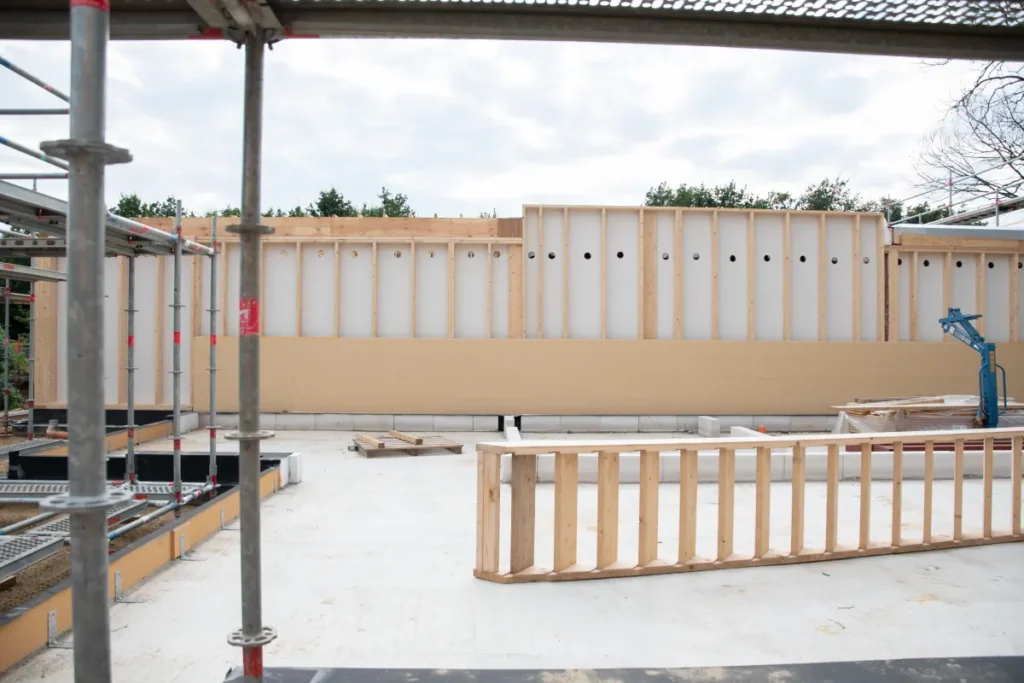

Pre-Construction: Scope, Budget, And Approvals For Bar Build Out Permits Inspections
Pre-construction is where teams either protect the schedule or set themselves up for change orders and re-inspections. Also, A clean scope with clear assumptions keeps bids comparable and makes the timeline defensible with ownership and tenants.
Decide The Path Early
Permits and inspections may apply for structural, mechanical, electrical, plumbing, accessibility, and life-safety work. Meanwhile, The fastest path is clarity: define the permit set, assign responsibility, and treat inspection dates as milestones.
- Confirm who will be the permit holder (often the general contractor, sometimes the tenant/owner)
- List every inspection hold point you cannot bypass (roughs, tests, finals)
- Identify any required third-party documentation (for example, product specs or engineering letters)
- Build a submittal log so approvals and long-lead items do not arrive late
- Capture site constraints: loading, elevator use, noise limits, and work-hour rules
Bid Package Details That Reduce Surprises
- Include a demolition narrative and what stays in place
- Call out owner-furnished items vs. contractor-furnished items
- State preferred work hours and any required shutdown windows
- Ask bidders to include a closeout list (warranty docs, as-builts, O&M)
Coordination And Quality Checks
During construction, coordination beats speed. For this reason, Trade sequencing, inspection readiness, and tenant/customer routing decide whether the job stays calm or becomes a series of stops and starts.
Downtime Minimization And Phasing Playbook
- Separate work zones with clear barricades, signage, and temporary protection
- Schedule noisy work and utility tie-ins in defined windows (nights/weekends when feasible)
- Use mockups for critical finishes so the team aligns before full installation
- Plan material deliveries around site access and storage limits
- Keep a weekly look-ahead that lists inspections, shutoffs, and tenant notifications
Hypothetical example:A bar refresh inside an operating retail center can phase demolition and rough-in behind temporary partitions. As a result, Then complete final tie-ins and flooring in an off-hours shutdown window to avoid daytime closures.
Safety And Compliance Controls On An Occupied Site
- Follow site rules, maintain housekeeping, and keep exits and fire lanes clear
- Post required notices and maintain daily sign-in / visitor control
- Manage dust, odors, and noise with containment and negative air when needed
- Control hot work with permits, fire extinguishers, and a fire-watch plan as required
- Protect accessible routes and clearly mark any temporary detours
Who Does What
Role clarity prevents missed submittals and failed inspections. In addition, Put responsibilities in writing before mobilization, then review them in weekly coordination meetings.
- Facility/property team: access approvals, shutdown windows, stakeholder notices
- Tenant/business lead: equipment selections, operating impacts, vendor coordination
- Design team: drawings, code notes, and plan review responses
- General contractor: permit coordination, inspection scheduling, trade sequencing
- Trades: inspection-ready work, test reports, and punch corrections
Leases and jurisdiction rules can shift this matrix, so confirm it during kickoff and keep it in the project file.

Inspections, Punch List, And Closeout
Inspections control the handoff date. For example, Teams reduce risk when they plan inspections like production events: pre-check the work, stage access, and keep documentation ready.
Inspection Coordination That Protects The Schedule
- Hold a short pre-inspection walkthrough with the responsible trade lead
- Stage ladders, access panels, and clearances so inspectors can see work quickly
- Keep permit cards, approved plans, and key submittals on site (digital + hard copy)
- Track corrections the same day and schedule re-inspections without waiting a week
Closeout Package For Facility Files
- As-built markups (what changed in the field)
- Operations and maintenance manuals for installed systems and equipment
- Warranty start dates, points of contact, and service intervals
- Final inspection sign-offs and any required certificates
If you need help aligning bar build out permits inspections with a realistic opening target. In addition, Call +1 (916) 234-6696 and we can review your critical path.
In Sacramento, teams typically submit, pay, and track permit status online through Accela Citizen Access. As a result, Keeping your permit numbers, revision dates, and inspection results in one log makes plan review and field coordination much easier.
Ongoing Maintenance / Service Contracts (If Applicable)
After turnover, small issues can turn into downtime if nobody owns them. For this reason, A simple service plan helps facility teams keep life-safety items, finishes. Additionally, And high-wear areas in working order while preserving warranty coverage.
Practical Aftercare Items To Plan For
- Touch-up schedule for paint, tile/grout, and sealants in wet areas
- Periodic checks for door hardware, closers, and accessibility components
- Filter changes and basic upkeep for mechanical/ventilation components
- Fast response path for minor leaks, damaged finishes, or safety concerns
To discuss phasing, inspections, or aftercare for a Sacramento site, call +1 (916) 234-6696.
Helpful Links
Related reading
- Cost to Build Out a Cafe in Sacramento CA: Budget & Timeline
- Bar & Cafe Build-Out: Insurance, Bonding & Liens (CA)
- CA Title 24 Lighting Controls for Bar & Cafe Build-Outs
- Coffee Shop Build-Out Contractor (Sacramento): Checklist
- Grease Interceptor for Cafe Build-Outs (Sacramento)
- Design-Build Bar & Cafe Build-Outs (Sacramento)
Frequently Asked Questions
The permit holder depends on the lease, scope, and how the project is contracted. On many commercial tenant-improvement jobs, the general contractor pulls permits and coordinates inspections because it keeps the schedule and trade accountability in one place.
- Confirm whether the property owner must authorize the application
- Decide who will respond to plan review comments and upload revisions
- Set one point of contact for inspection scheduling and inspector access
When teams assign this late, inspections slip and rework increases, so lock responsibilities during kickoff.
Critical-path inspections are the ones that block finishes, equipment set, or final approvals. The exact list changes by scope, yet most bar tenant-improvement schedules hinge on rough inspections before walls close and final inspections before turnover.
- Rough framing and trade roughs (electrical/plumbing/mechanical)
- Life-safety related items (egress, alarms, fire protection where applicable)
- Final inspections after devices, finishes, and signage are complete
Build a pre-inspection checklist for each trade, and schedule a quick internal walkthrough before the inspector arrives.
Plan review timelines vary, so the best lever you control is response speed and document quality. Treat comment responses like a tracked deliverable. And keep a single revision log so the team does not resubmit conflicting drawings.
- Submit a complete drawing set with clear scope boundaries and notes
- Answer comments quickly and keep responses specific (sheet, detail, revision)
- Avoid mid-review scope changes unless they remove risk or rework
- Keep submittals (equipment cutsheets, specs) organized and current
If your bar build out permits inspections plan depends on a specific opening window. Align procurement and shutdown scheduling early so approvals do not land after materials arrive.
Bar pricing is driven less by paint and more by the systems and constraints around the space. Facility teams can reduce surprises by defining the operating constraints and clarifying what stays vs. what gets replaced.
- Mechanical, electrical, and plumbing upgrades (capacity, routing, tie-ins)
- Life-safety and accessibility scope that affects layout and finishes
- Work-hour restrictions and off-hours shutdown requirements
- Phasing needs to keep parts of the site operating
- Existing-condition unknowns uncovered during demolition
A bid becomes more comparable when every bidder prices the same constraints and inspection holds.
A useful estimate does more than list a number. It should document scope, assumptions, and how the schedule will work around permits, inspections, and tenant coordination.
- Scope narrative with inclusions, exclusions, and clarifications
- Allowance and selection responsibilities (who chooses, who buys, when)
- Schedule assumptions, including inspection holds and shutdown windows
- Phasing approach and how access/noise/dust controls will be handled
- Closeout deliverables (as-builts, O&M, warranty contacts)
To compare bids fairly, ask each bidder to call out any scope gaps or dependencies that could move the opening date.
Yes, in many occupied properties the phasing plan is the project. The goal is to keep safe routes open, protect neighboring tenants, and limit shutdowns to planned windows.
- Use temporary partitions and protection to isolate construction zones
- Sequence rough-ins and inspections so walls close only once
- Bundle utility tie-ins into a defined shutdown window
- Coordinate deliveries and debris removal to avoid peak traffic times
- Send weekly notices that list noise, access changes, and inspection days
Phasing typically adds planning effort up front, but it reduces disruption and last-minute rework during finals.
Closeout is where facility teams either gain control of the space or inherit a maintenance problem. A strong handoff includes completed punch items, final sign-offs, and a clean documentation set that your operations team can use.
- Punch list completion and final walkthrough
- As-built updates, O&M manuals, and warranty contact list
- Training or turnover notes for installed systems where applicable
- Aftercare plan for high-wear areas and minor service calls
Call +1 (916) 234-6696 to discuss your Sacramento scope and schedule constraints. And we can outline what your permit/inspection critical path will likely include.
Licensed, insured & trusted local contractor
US Construction & Remodeling Corp.
9821 Business Park Dr, Sacramento, CA, 95827
Phone: +1 (916) 234-6696
CSLB License #: 1117562 Fully licensed and insured.
Service info for Sacramento
For the complete overview of process and planning in Sacramento, visit Bar & Café Build-Outs.