Skip links

Siding Contractor in Sacramento: Checklist, Permits & Timeline

New siding is one of the few upgrades that changes curb appeal and water protection at the same time. Choosing a siding contractor in Sacramento matters because most problems start at the details: flashing, clearances, and what’s actually written into the bid.

Quick checklist:

  • Pick a siding material and finish that matches climate and maintenance goals.
  • Confirm moisture management details (housewrap, flashing, caulking) in writing.
  • Define the full scope (trim, soffit/fascia, paint, insulation upgrades).
  • Confirm access/safety plan and how landscaping/property will be protected.
  • Verify license/insurance where required, and compare bids line-by-line (allowances, exclusions, change orders).
  • Check permit requirements if altering exterior walls or doing structural repairs.

This page is a homeowner-ready checklist you can use right away. You’ll get a quick way to screen companies, lock key decisions before demo, and track the job through the final walkthrough.

TL;DR: Compare bids by scope and water-management details, not just price. Make the big decisions before demo so the crew isn’t guessing mid-job. Use a simple week-by-week plan and a punch-list walkthrough to finish clean.

  • Verify the contractor’s California license status and business name
  • Make sure the bid lists exact siding material, trim, and flashing approach
  • Confirm how sheathing/rot repairs will be priced and approved
  • Decide colors/finish, trim style, and penetrations before demo starts
  • Ask who handles permits and inspections in Sacramento if needed
  • Walk the site plan: access, protection, dumpster placement, daily cleanup

Siding Contractor In Sacramento: Step-By-Step Plan

DecisionWhy it mattersQuick check
Material choiceDurability and maintenance differ by material.Compare fiber cement vs vinyl and verify warranties.
Moisture managementWater control prevents rot and mold.Confirm housewrap and flashing details around openings.
Trim & transitionsDetails control fit and long-term sealing.Specify corners, soffit/fascia scope, and finish plan.
Access & protectionStaging affects speed, cost, and safety.Plan scaffolding, landscaping protection, and cleanup.

Most siding headaches come from two things: vague scopes and rushed prep. Additionally, A good siding contractor will explain the siding system, put it in writing, and walk you through the risk areas around windows, doors, and roof-to-wall intersections.

Who This Checklist Is For

If any of these sound familiar, using a structured selection checklist will also save you time and money.

  • Your siding shows cracking, swelling, peeling paint, or soft spots near openings
  • You’ve received two bids that don’t match and you can’t tell why
  • You want the exterior upgraded without surprise add-ons mid-job

A Practical Way To Shortlist Companies

  • Start with 3–5 local contractors who show siding work (not only interior remodels).
  • Ask for the legal business name and confirm it matches the contract and invoice.
  • Request proof of insurance and confirm who is responsible for jobsite safety and cleanup.
  • Look for clear documentation: scope, exclusions, payment milestones, and change orders in writing.

What A Solid Bid Should Spell Out

Two bids can look similar and still be completely different jobs. Also, Use this list to make proposals truly comparable.

  • Scope: full tear-off vs overlay, what gets removed, and where debris goes
  • Water management: housewrap/WRB plan, window/door flashing method, and roof-to-wall flashing details
  • Trim: corner boards, soffit/fascia scope, and how transitions are finished
  • Repairs: how hidden damage (sheathing/rot) is documented, priced, and approved
  • Protection: landscaping, windows, patios, and neighbor-facing areas
  • Schedule: start window, working days, and how weather delays are handled

Contractor Questions That Reveal Quality

These questions help you separate “we can do it” from “we have a plan.” Copy and paste them into your notes during estimates.

  • Who will be on site daily, and who is my day-to-day contact?
  • Which exact siding product are you installing (type, profile, thickness, finish)?
  • How will you handle housewrap/WRB and flashing at windows and doors?
  • What is your approach at roof-to-wall intersections (including kick-out flashing)?
  • How do you handle discovered rot or sheathing damage—unit pricing, caps, or time-and-materials?
  • Will you provide manufacturer installation guidance for the product you’re installing?
  • If a permit is necessary, who pulls it and how do you plan around inspections in Sacramento?
  • How will you protect landscaping and keep dust/debris contained?
  • What does your change-order process look like if we change scope after demo?
  • What workmanship coverage do you provide, and what is covered by the material manufacturer?

Tight Lots, Narrow Side Yards, Small FaçAdes

Limited access changes the work plan. It can also change price and timeline, so it’s worth discussing early.

  • Confirm how materials will be staged when side-yard access is tight.
  • Ask whether the crew plans to use scaffolding for safer, straighter install lines.
  • Decide where the dumpster can sit without blocking driveways or sidewalk access.
  • Plan a protection strategy for AC units, gates, and delicate landscaping near walls.

If you want help turning these items into a clean, comparable scope, Free estimate. Phone is also available at +1 (916) 234-6696.

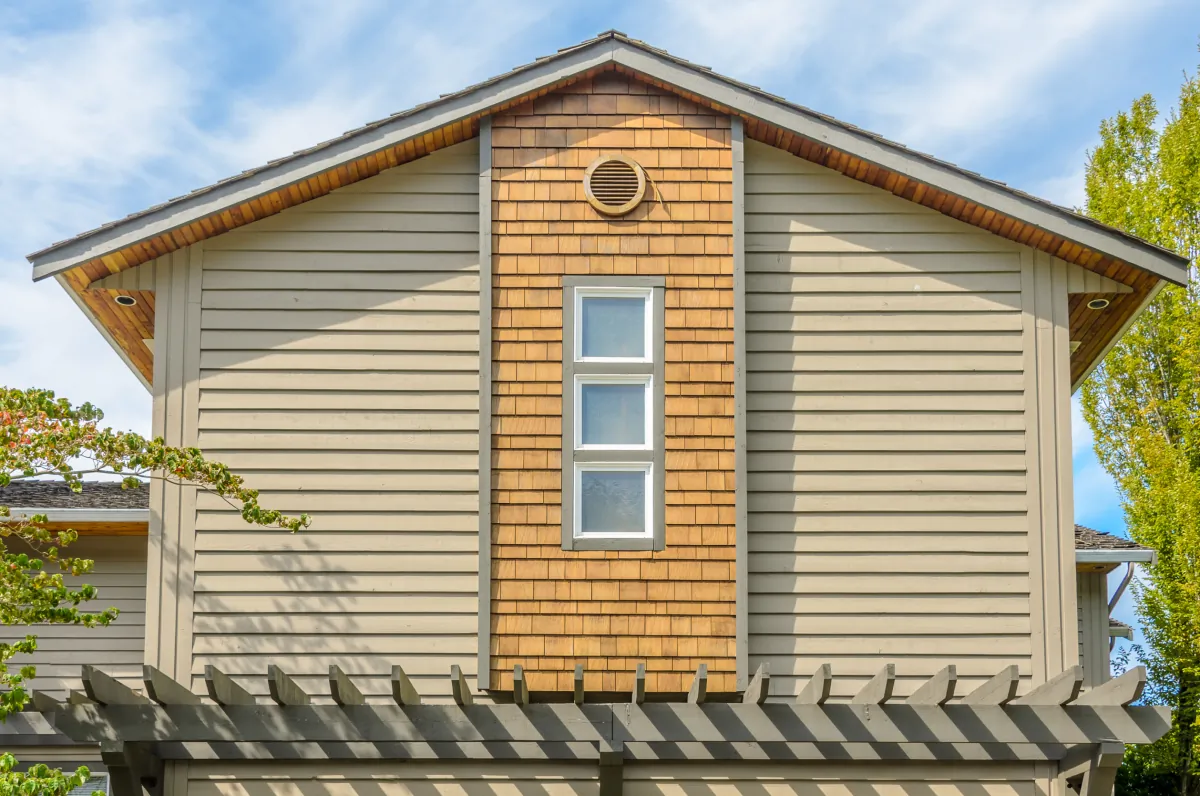
t1 siding roof house nice window

Decisions To Make Before Demo

Before anyone removes a panel, lock the decisions that most often cause delays and change orders. For this reason, You’ll get tighter pricing and a smoother install.

Pre-Demo Planning Checklist

  • Choose your siding material and profile (and confirm color/finish if pre-finished).
  • Decide what trim will be replaced vs reused (corners, windows, doors, fascia/soffit as applicable).
  • Confirm whether the project includes repainting or only touch-up where needed.
  • Decide how penetrations are handled (hose bibs, vents, lights, outlets) and who re-installs them.
  • Confirm the plan for housewrap/WRB and any flashing upgrades.
  • Agree on how discovered damage will be documented (photos) and approved before repairs proceed.
  • Set jobsite expectations: work hours, daily cleanup, and how debris will be controlled.
  • Clarify access needs: gates unlocked, pets secured, and parking for the crew.

Key Decisions At A Glance

DecisionWhy it drives cost/timelineWhat to confirm in the bid
Material choiceLabor time, cutting, fasteners, accessoriesExact product type/profile/finish
Tear-off scopeDisposal volume and wall prep timeFull removal vs limited removal
Water-management detailsFlashing and WRB work is detail-heavyWindow/door flashing approach
RepairsHidden damage can expand scope fastHow repairs are priced and approved
AccessScaffolding and protection add setup timeStaging plan and safety approach

Permits, Inspections, And Local Requirements

Permit needs depend on what changes, not just the siding material. For example, Straight replacement may be simple, while repairs, structural changes, or modified openings can trigger plan review. As a result, In Sacramento, permitting and plan review typically run through the City of Sacramento Community Development portal (Accela Citizen Access), with online applications, payments, and status tracking.

Questions To Ask About Permits And Inspections

  • Based on this scope, do you expect a permit? If so, who pulls it?
  • What documentation will you provide for the permit file (scope, product info, drawings if needed)?
  • Which inspections are likely for this scope, and when do they happen?
  • How do you handle inspection corrections if the city requests changes?

Inspection-Ready Details To Watch For

  • Consistent flashing at windows/doors and clean transitions at roof-to-wall areas
  • Clearances maintained where siding meets grade, concrete, or roofing surfaces
  • Fasteners and spacing that match the manufacturer’s instructions
  • Penetrations sealed correctly (vents, bibs, fixtures) with purposeful trim details

What Happens Week By Week

Every home is different, but most siding projects follow a predictable sequence. In addition, Use this as a planning baseline, then adjust once material lead times and any permit steps are confirmed.

Example Week-By-Week Schedule

  • Week 0 (planning): finalize scope, order materials, confirm access/staging, submit permit if needed.
  • Week 1 (setup + demo): protect the site, remove existing siding in sections, inspect sheathing, document repairs.
  • Week 2 (WRB + install): complete WRB/flashing work, install siding and trim, handle penetrations cleanly.
  • Week 3 (finish + closeout): touch-ups, cleanup, punch list, final walkthrough, and any inspection closeout.

What Can Change The Schedule

  • Material lead times (especially specialty colors or profiles)
  • Hidden rot or structural repairs uncovered during demo
  • Mid-project scope changes (windows/doors/trim additions)
  • Weather windows that affect certain finishes or exterior paint
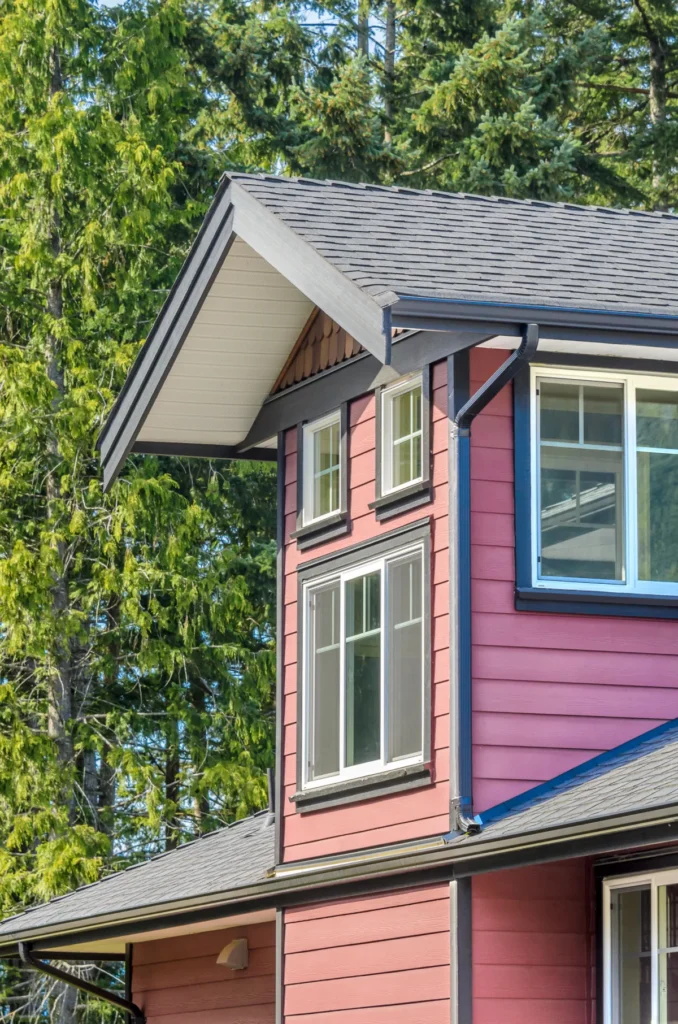
t1 siding traditional simple style house design

Common Pitfalls And How To Avoid Them

Most problems are preventable. Overall, They show up when the bid is unclear, the system details are skipped, or the homeowner is asked to decide key items after the walls are open.

Mistakes That Cost Time And Money

  • Choosing the lowest price without matching scope line by line
  • Not confirming exact product specs (type, profile, finish) before ordering
  • Leaving repair pricing undefined for sheathing/rot discoveries
  • Ignoring water-management details because they “won’t be visible”
  • Skipping a staging/access plan on narrow side yards or tight lots
  • Approving changes verbally instead of using written change orders

Simple Final Walkthrough Checklist

  • Look for straight lines, consistent reveals, and clean trim transitions.
  • Check window/door areas for neat, intentional flashing and sealing details.
  • Verify penetrations (vents, bibs, fixtures) are trimmed and sealed cleanly.
  • Confirm cleanup: nails, debris, and dust cleared from paths and landscaping.
  • Collect documentation you may need later: product info and final scope notes.

US Construction & Remodeling Corp. Meanwhile, works with Sacramento homeowners on siding replacements and exterior repairs. In addition, If you want a clear written scope and a practical plan before demo starts, Free estimate. Prefer to talk first? Call +1 (916) 234-6696.

Helpful Links

Frequently Asked Questions

It depends on the scope. A straightforward replacement may be simpler than a project that includes structural repairs or changes to openings.

Ask your contractor to confirm the permit approach for your address and scope, and how they’ll plan around any inspections through the City of Sacramento’s online permitting process.

Use questions that force clarity, not sales talk.

  • Which exact siding product are you installing (type/profile/finish)?
  • How will you handle housewrap/WRB and flashing at windows and doors?
  • How are hidden repairs documented and approved?
  • What’s included vs excluded (trim, paint, disposal, protection)?
  • Who is on site daily, and how do changes get priced in writing?

A useful bid makes the scope measurable and comparable.

  • Demolition/tear-off scope and disposal plan
  • Exact material specs and accessory details
  • WRB/flashing approach at openings and transitions
  • Repair method and pricing plan for discoveries
  • Schedule assumptions, cleanup expectations, and payment milestones

Many homes can be completed in days to a few weeks, but the real driver is scope: tear-off size, repairs found during demo, access constraints, and product lead time.

A contractor should provide a written schedule assumption and tell you what would extend it.

Change orders should be written, priced, and approved before the added work starts. That keeps the budget and timeline under control.

If your bid is missing a change-order process, ask for it in the contract before work begins.

Yes. If you already have proposals, we can review scope gaps and decision points so you can compare apples to apples.

Schedule online or call +1 (916) 234-6696.

Licensed, insured & trusted local contractor

US Construction & Remodeling Corp.
9821 Business Park Dr, Sacramento, CA, 95827
Phone: +1 (916) 234-6696

CSLB License #: 1117562 Fully licensed and insured.

View our Google Business Profile

Leave a comment

This website uses cookies to improve your web experience.
Explore
Drag