
Siding vs DIY in El Dorado Hills: A Homeowner Guide
If you’re weighing siding work versus weekends on a ladder, this siding vs diy el guide breaks down what matters most for El Dorado Hills homeowners: scope, safety, materials, and the real time commitment.
Quick checklist:
- Pick a siding material and finish that matches climate and maintenance goals.
- Confirm moisture management details (housewrap, flashing, caulking) in writing.
- Define the full scope (trim, soffit/fascia, paint, insulation upgrades).
- Confirm access/safety plan and how landscaping/property will be protected.
- Compare 2–3 itemized quotes and verify warranty coverage.
- Check permit requirements if altering exterior walls or doing structural repairs.
TL;DR: DIY can work for small, reachable repairs when the wall underneath is solid. For full replacement or hard-to-access areas, a professional install can reduce surprises and rework. Use the checklist to decide what you can handle and what you should price out.
- Decide if you need a spot repair, one wall, or full replacement.
- Choose a material based on maintenance, not just price.
- Plan safe access (especially second-story work).
- Include disposal, cleanup, and landscaping protection in your plan.
- Confirm whether permits or approvals apply for your scope.
- Get a written scope before ordering materials or starting demo.
What Changes The Experience The Most For Siding Vs DIY El
| Decision | Why it matters | Quick check |
|---|---|---|
| Material choice | Durability and maintenance differ by material. | Compare fiber cement vs vinyl and verify warranties. |
| Moisture management | Water control prevents rot and mold. | Confirm housewrap and flashing details around openings. |
| Trim & transitions | Details control fit and long-term sealing. | Specify corners, soffit/fascia scope, and finish plan. |
| Access & protection | Staging affects speed, cost, and safety. | Plan scaffolding, landscaping protection, and cleanup. |
DIY siding can look straightforward in videos. Additionally, Real homes add variables: uneven walls, hidden rot, tall elevations, and dozens of small cuts around windows, doors, and vents. Overall, The biggest difference is who carries the risk when you uncover damage or a detail doesn’t seal tight.
For siding vs diy el decisions, think beyond the sticker price. Overall, Focus on access, repairs, and the level of finish you expect when you’re done.
Six Things That Change The Experience
- Access: One-story walls are simpler. Also, Two-story work raises safety needs and time.
- What’s under the siding: You may also find damaged sheathing (the wood panel layer under siding) or framing that needs repair.
- Detail work: Corners, windows, doors, and penetrations (holes for vents, pipes, and wires) demand careful cuts and sealing.
- Tooling: Different materials need different blades, snips, nailers, and fastening patterns.
- Disposal: Tear-off and haul-away can take longer than people expect.
- Finish expectations: Minor waves and uneven lines stand out in bright daylight.
When DIY Is A Reasonable Fit
- The area is small and reachable without risky ladder setups.
- The existing wall feels solid, with no soft spots or swelling around trim.
- You can follow the manufacturer’s instructions closely, including fasteners and clearances.
- You have time for mock-ups and you can redo sections if needed.
When Hiring A Crew Usually Protects Your Home (And Time)
- You plan a full replacement, multiple elevations, or a two-story install.
- You see signs of water damage, insect damage, or repeated paint failure.
- You want a clean scope that includes repairs, metal flashing (thin metal that directs water away from joints), and trim so nothing gets skipped.
- You prefer one point of contact for scheduling, material ordering, and daily cleanup.
Before/After Snapshot (Hypothetical Example)
Before: A homeowner notices peeling paint and soft wood near a window. They patch and repaint, but the problem returns after the next rainy season.
After: The siding around that area gets removed, the damaged wood gets repaired, a weather barrier (the protective layer under siding) gets restored, and new siding and trim go back in with straight lines and sealed joints. In addition, The homeowner keeps photos of the repair before the new siding covers it.
Layout And Function Improvements
Siding is not only a surface. For example, It interacts with openings, trim, and every penetration through the wall. Overall, A little planning up front can reduce seams, keep lines straight, and make future maintenance easier.
Layout Planning That Prevents A “Patchwork” Look
- Decide where seams will land so they look intentional and avoid obvious “zipper” lines.
- Align courses (each horizontal row) across a wall when the design allows it.
- Plan clean transitions if you’re mixing materials (for example, lap siding with panel accents).
- Map out vents, lights, hose bibs (outdoor faucets), and outlets so you know what needs trim blocks or relocation.
Small-Space Access Ideas For Tight Side Yards
Side yards and narrow walkways feel tighter once ladders and materials show up. As a result, For DIY or pro work, plan a clear path before the first piece arrives.
- Choose a staging spot that keeps walkways open and avoids blocking gates.
- If you have a deck or patio close to the wall, protect surfaces and plan where ladders can safely land.
- For multi-story walls, confirm whether you need scaffolding and where it can sit without damaging landscaping.
Materials And Finish Options For Siding Vs DIY El
Material choice changes DIY difficulty, long-term maintenance, and how forgiving the finished wall looks. For this reason, The best siding for your home is the one that fits your budget, your maintenance tolerance, and the style you want.
Vinyl (Lightweight, Low Maintenance)
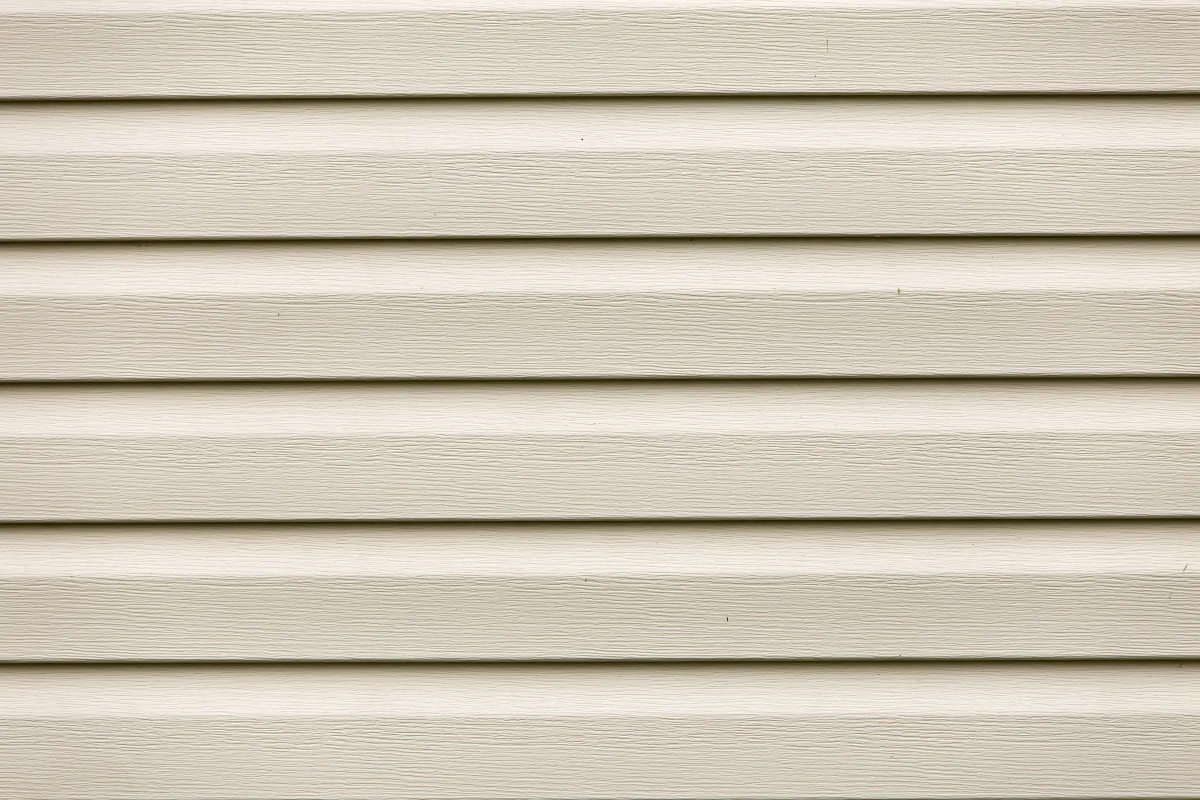
Vinyl siding uses interlocking panels. Meanwhile, It’s light and fast to install, but it needs room to expand and contract with temperature. A rushed DIY job can buckle or look wavy.
Fiber Cement (Durable, Heavier)
Fiber cement is a rigid board made from cement, sand, and cellulose fibers. Overall, It resists rot and insects, but it weighs more and needs the right cutting tools and dust control.
Engineered Wood (Wood Look, Factory Finishes)
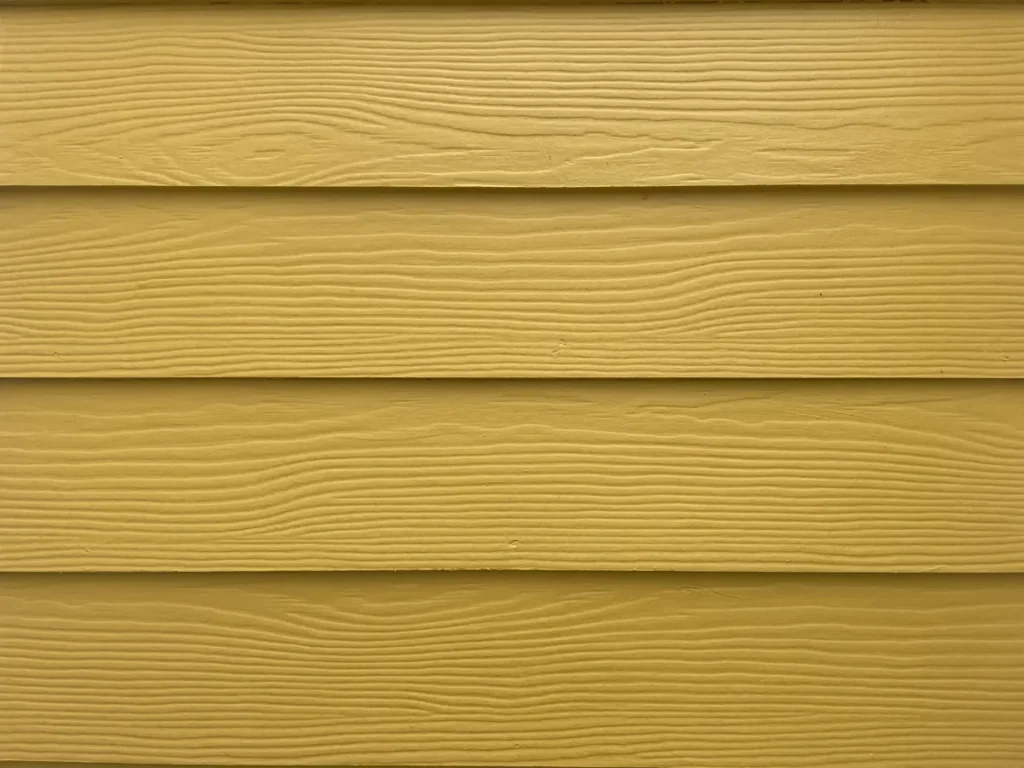
Engineered wood uses wood strands and resins. Additionally, It can look like traditional wood siding and often comes prefinished. You still need careful edge sealing and proper clearances.
Wood (Classic Look, Higher Upkeep)
Natural wood can look great, but it usually asks more from you: regular painting or staining and closer attention to joints.
Finish Choices That Change Upkeep
- Prefinished vs site-finished: Prefinished boards come with a factory-applied coating. For example, Site-finished work uses paint or stain applied after install.
- Color and sheen: Dark colors can show waves and dust more easily. In addition, Higher sheen can highlight wall unevenness.
- Trim strategy: Wider trim can hide small layout issues, but it also adds labor and material.
Maintenance Tips After Install
- Wash siding gently once or twice a year to remove dust and pollen.
- Inspect joints and trim each season. In addition, Replace failing sealant (caulk) before water gets behind the siding.
- Keep sprinklers aimed away from walls, and keep soil or mulch from piling against siding.
- Touch up paint or finish chips promptly to protect the surface.
Cost Drivers + Timeline (Typical)
Most “siding vs DIY” math fails because it ignores the full scope. Additionally, When you run siding vs diy el numbers, include tools, material waste, disposal, repairs, and your time.
What Usually Drives Cost The Most
- Total wall area and number of stories.
- Tear-off versus installing over existing siding (when appropriate).
- Repairs to sheathing or framing discovered after removal.
- Amount of trim work around windows, doors, corners, and penetrations.
- Material choice, finish type, and whether painting is included.
- Protection needs for landscaping, patios, and hardscape.
Budget Ranges & Timeline (Typical)
- Small, reachable repairs: often a day or two once materials are on hand.
- One elevation replacement: commonly several days, depending on repairs.
- Full-home replacement: often 1–3 weeks on site for a typical single-family home.
- If permits or HOA review apply, add lead time before the start date.
What The Workdays Look Like (Typical)
- Protect the work area and set a staging zone for materials.
- Remove old siding where needed and inspect the wall.
- Complete repairs and restore the weather barrier.
- Install new siding, then trim and seal joints.
- Clean up and keep the site safe at the end of each day.
Quick Comparison Table
| Decision | Why it matters | What to confirm |
|---|---|---|
| Material type | Changes tools, handling, and install speed | Cutting method, fasteners, clearances |
| Wall condition | Hidden damage can expand scope | Plan for repairs once siding is off |
| Access | Height and tight areas affect safety and time | Scaffolding needs and staging space |
| Trim and transitions | More detail work increases labor | Corner treatment and window/door trim |
| Disposal | Haul-away adds labor and fees | Who removes debris and protects the site |
What To Request In A Written Scope (DIY Or Contractor)
- Exact material and profile (lap, panel, shingle-style, etc.).
- What gets removed, what stays, and how repairs are handled if found.
- How openings and edges get finished so water sheds away from the wall.
- Cleanup and disposal details, including daily site tidy-up.
- Start window and how pricing changes get approved.

How To Prepare Your Home
US Construction & Remodeling Corp. In addition, helps El Dorado Hills homeowners compare DIY versus professional siding work, choose materials, and plan the install so the exterior looks clean and stays protected.
Schedule a free estimate online (fastest) or call +1 (916) 234-6696.
Quick Prep Checklist Before Work Starts
- Clear 3–6 feet around the home so installers can work safely.
- Move patio furniture, grills, and planters away from walls.
- Pick a parking spot for deliveries and haul-away that won’t block access.
- Decide where pets will stay during noisy work hours.
- Remove fragile wall decor from inside rooms on exterior walls (vibration happens).
- If your home was built before 1978, ask about lead-safe work practices for old paint.
Storage And Organization During A Siding Job
Whether you DIY or hire it out, clutter slows the job and increases damage risk. Meanwhile, A simple storage plan keeps materials dry and keeps walkways open.
- Create one staging zone for siding, trim, and tools, ideally on a flat surface.
- Store boxes and boards off the ground on scrap lumber or pallets if possible.
- Cover items that must stay outside, and label what should not be moved.
- If you want added outdoor organization (hose reels, bin screens, small sheds), plan attachment points before new siding goes up.
Next Steps For El Dorado Hills
Typical Project Sequence In El Dorado Hills
- Site visit to measure walls, review access, and confirm the scope (repair, partial, or full replacement).
- Material and finish selection, including trim strategy and seam layout.
- Order materials and set a start window based on lead times.
- Removal and wall review, followed by repairs if needed.
- Installation, detail work around openings, and daily cleanup.
- Final walkthrough and any inspections required by the building department.
Local Permitting And Approval Notes
El Dorado Hills is typically unincorporated, so many residential permits run through El Dorado County Building Division online services depending on your address and the scope. Overall, Some siding work may not need a permit, while projects that change wall openings or involve structural repairs often do. When a permit applies, plan extra lead time for plan review and inspections.
If your neighborhood has an HOA or architectural review, check rules on colors and material changes before ordering.
Trust And Quality Checks To Use On Any Bid
- Licensing and insurance: Ask for current proof and verify it for yourself.
- Permit responsibility: Get it in writing who pulls permits when required.
- Communication: Confirm how often you’ll get updates and who you contact with questions.
- Workmanship verification: Ask for photos of any repairs before they’re covered, and confirm the install follows the manufacturer’s instructions.
- Change control: Agree on how pricing changes get approved before extra work starts.
Helpful Links
Frequently Asked Questions
DIY can pencil out on small areas, but full replacement is a different job. You’ll manage safety, tooling, disposal, and the risk of hidden wall damage.
- DIY tends to fit small, reachable repairs.
- Full replacement often benefits from a crew, especially on two-story walls.
- If you’re unsure, price both options and compare scopes line by line.
It depends on the scope and your address. El Dorado Hills is typically unincorporated, so many permits run through El Dorado County. Like-for-like repairs may not need permits, while projects that change openings or require structural repairs often do.
If a permit applies, plan time for plan review and inspections before work starts.
Most homeowners miss the “extras” when they compare numbers.
- Access (height, tight side yards, scaffolding needs).
- Repair work after tear-off (sheathing or framing).
- Material choice and finish (prefinished vs paint).
- Trim and penetration details.
- Dump fees and haul-away.
- Tool purchases, waste, and your time—key parts of siding vs diy el math.
Plan in two phases: lead time (estimate, selections, ordering) and on-site work. Small repairs can be quick once materials arrive. A full-home replacement often takes multiple weeks on site, depending on access and repairs.
If permits or HOA review apply, that adds time before the first day of work.
Both can perform well when installed correctly.
- Vinyl: lighter and low maintenance, but can look wavy if installed too tight.
- Fiber cement: rigid and durable, but heavier and more demanding to cut and handle.
Choose based on the look you want, your maintenance tolerance, and your budget—not just the material price per piece.
Ask for bids that read like a checklist, not a one-line number.
- Specific material, profile, and finish.
- What gets removed and how repairs are handled if found.
- Who handles permits when required.
- Daily cleanup, protection of landscaping, and haul-away.
- Start window, payment schedule, and how change orders work.
Verify license and insurance before you sign.
Licensed, insured & trusted local contractor
US Construction & Remodeling Corp.
9821 Business Park Dr, Sacramento, CA, 95827
Phone: +1 (916) 234-6696
CSLB License #: 1117562 Fully licensed and insured.


