
Skip links

Siding Vs Diy In Sacramento: Practical Guide

New siding changes curb appeal, but it also controls how water drains off your walls. If you’re weighing siding vs diy in Sacramento, focus on the parts you won’t see after install: the water-resistive barrier (the wrap behind the siding) and flashing (thin waterproof pieces around windows, doors, and trim).

TL;DR: DIY can work for small, straightforward walls when the framing is solid and you’re comfortable on ladders. Full replacement often goes smoother with a contractor because demo can uncover rot, and the water-control details must stay tight.

Quick Checklist:

  • Walk the exterior and mark any soft, swollen, or loose areas.
  • Decide if you’re repairing one wall or replacing the whole exterior.
  • Pick the siding material and finish before you compare prices.
  • Plan window and door water protection details before you remove anything.
  • Confirm whether your scope triggers a permit in Sacramento.
  • Choose a staging spot for materials and debris so pathways stay clear.

Want a fast opinion on the safest path for your home? Call +1 (916) 234-6696.

A Practical Overview For Siding Vs DIY

Siding is a system, not just boards. For example, It sheds rain, blocks wind, and protects the framing behind the walls. When homeowners compare siding vs diy, the challenge isn’t hanging panels—it’s making every seam, corner, and opening drain water the right way.

A contractor-installed job usually costs more up front, yet it can reduce risk on multi-story walls, complex window layouts, or any home with hidden damage. Additionally, Either way, the smartest comparison uses the same scope and the same material so you’re not comparing apples to oranges.

Where It’s Realistic

  • Small repairs where you can also remove and replace a limited section.
  • Single-story walls with easy ladder access and solid sheathing (the wood layer under siding).
  • Projects where you can keep the wall protected at the end of each workday.

Where It’s The Safer Bet

  • Full-home replacement or any work that exposes large areas of wall at once.
  • Two-story elevations, steep grades, or tight side-yard access that calls for scaffolding.
  • Signs of rot, termite damage, or chronic leaks around windows and doors.
  • Material switches that need new trim details, flashing, or thicker assemblies.

Resale And ROI Priorities

If resale is on your mind, prioritize a clean, consistent exterior and details that buyers can spot during a walkthrough. As a result, A neat finish helps, but water protection matters more because moisture issues can derail a sale.

  • Match the profile and color to the style of the home and neighborhood.
  • Upgrade trim and corner boards so the install looks intentional, not patched together.
  • Fix soft wood and replace damaged sheathing instead of covering it.
  • Keep product labels and paint info for future maintenance or repairs.

Maintenance Tips After New Siding

Most siding lasts longer when you keep water and dirt from sitting on it. Also, Set a calendar reminder and do a quick check every year, especially after a heavy storm.

  • Wash siding gently; avoid high pressure that can force water behind panels.
  • Inspect caulk at trim joints and repaint or reseal when it cracks.
  • Keep sprinklers aimed away from walls and trim to reduce constant wetting.
  • Trim plants back so air can move and siding can dry after rain.

Planning And Scope Decisions

A good plan starts with scope. Overall, Are you repairing damaged sections, replacing a single elevation, or re-siding the whole house? Write it down. Include trim, soffit, and fascia (the boards at the roof edge) if they’re part of the look or if they show damage.

decide how you’ll handle the layers behind the siding. For this reason, Most installs include a water-resistive barrier (WRB) and flashing tape or metal flashing at openings. Those pieces don’t show when the job is done, but they do most of the work.

Key Decisions That Change Cost And Risk

DecisionWhy it mattersDIY watch-out
Material and finishAffects tools, cutting, and whether you need paintingSpecial blades and dust control may be required
Height and accessDrives safety planning and staging timeScaffold rental and fall protection add cost
Hidden repairsRot and damaged sheathing change scope fastPlan time and budget for surprise repairs
Window/door detailsMost leaks start at openings and transitionsLearn the flashing sequence before demo
Debris and disposalOld siding, nails, and wrap add cleanup timeLine up a bin or dump runs early

Tight-Access Layout Planning (Narrow Side Yards)

If space is limited around the home, treat access like a layout problem. In addition, Plan where ladders, scaffolds, and material stacks will go so you don’t block walkways or trap yourself with debris.

  • Measure gates and side-yard width before you order long boards or panels.
  • Pick a safe cutting station away from vehicles and windows.
  • Plan how you’ll protect landscaping, HVAC units, and outdoor lighting.
  • Decide how you’ll move debris out without damaging paths or fences.

Material Staging And Storage Plan

Siding bundles can warp or get damaged when they sit in the wrong spot. Meanwhile, A simple staging plan keeps the work moving and reduces waste.

  • Keep materials flat, off soil, and covered in a way that still lets air circulate.
  • Stage fasteners, flashing, and trim together so you’re not hunting for parts.
  • Set aside a “dry zone” for WRB and tape so adhesive stays clean.
  • Reserve a clear area for dumpsters or hauling so cleanup doesn’t slow the crew.
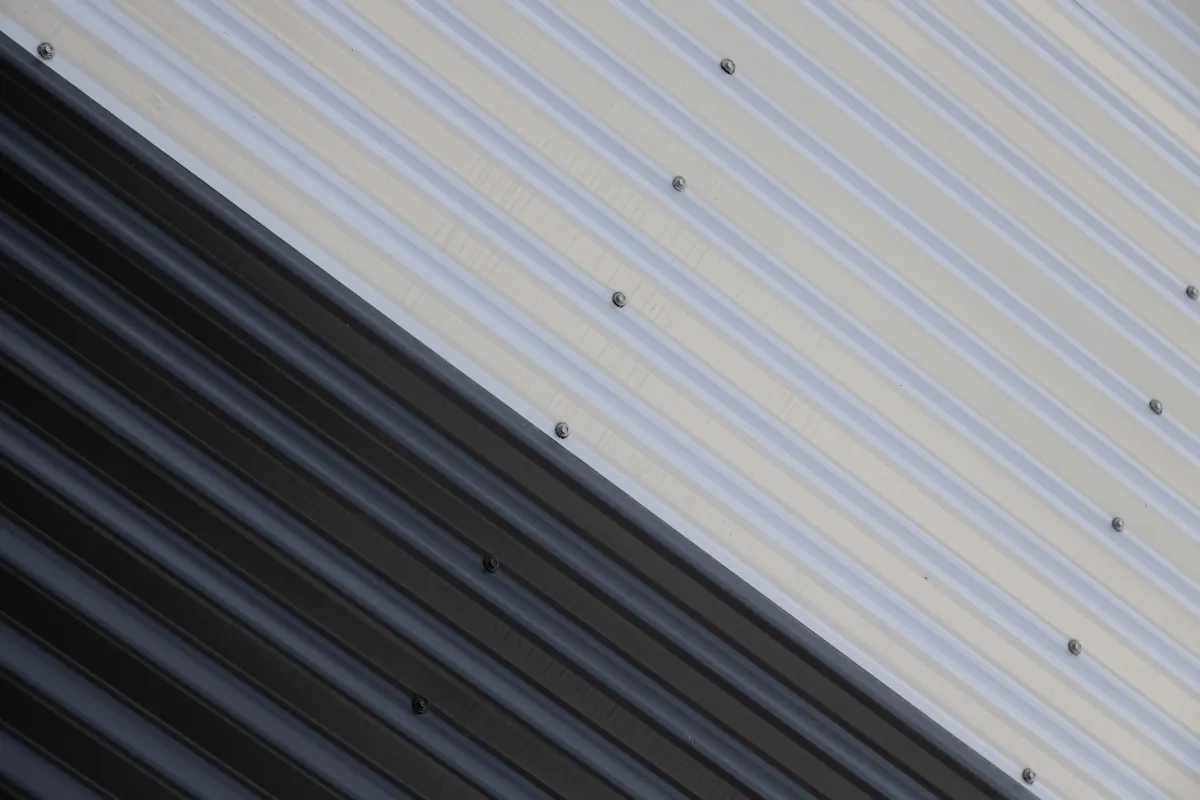
aluminum siding sunlight and shadow on steel garage wall with oran

Material Choices And Lead Times For Siding Vs DIY

The siding material you choose changes the look, the maintenance, and the install details. It also changes timing: some colors, profiles, and trim systems are special order, so confirm availability before you remove existing siding.

Practical Pros And Cons

Here’s how the most common options compare in real-world terms. Overall, The “best” choice depends on budget, style, and how much maintenance you’re willing to do.

  • Vinyl siding: Lightweight and typically low maintenance. Overall, It needs room to expand and contract, so the install details matter.
  • Fiber cement: Dense, crisp-looking, and paintable. For example, It’s heavier, and cutting creates dust, so you need the right tools and protection.
  • Engineered wood: Often delivers a wood look with fewer natural defects. For example, You still need good edge sealing, caulk discipline, and a solid paint system.
  • Natural wood: Classic appearance. For example, Plan for more frequent painting or staining and faster repairs when moisture gets in.
  • Metal (steel or aluminum): Clean lines and good durability. For this reason, It can dent from impact, and mistakes show because panels stay very straight.

Whatever you choose, ask for the full trim and flashing package that matches the system. As a result, Mixing parts from different systems can create gaps that are hard to seal later.

Lead Time Checklist (Avoid Getting Stuck Mid-Project)

  • Order siding, matching trim, starter strips, and vent blocks together.
  • Confirm color availability for corners, window trim, and any fascia pieces.
  • Don’t schedule demo until the key materials are on site or confirmed.
  • Plan for dumpster delivery and pickup dates before the first tear-off.

Timeline And Work Phases

Whether you DIY or hire out, siding jobs run smoother when you break the work into phases and keep the wall protected at the end of each day. Additionally, The goal is simple: remove only what you can rebuild and weatherproof in a controlled sequence.

Local Project Roadmap (Planning, Build, Closeout)

  1. Site check and measurements: Photograph problem areas, measure elevations, and note any soft spots.
  2. Scope and material selection: Decide repair vs replacement, then lock a material and color so pricing is real.
  3. Permit check (when needed): If the scope changes openings or includes structural repair, confirm permit requirements before work starts.
  4. Ordering and delivery: Schedule delivery so materials stay protected and accessible.
  5. Prep and protection: Move outdoor items, protect landscaping, and set up staging and debris removal.
  6. Selective demo: Remove siding in sections so you can inspect the wall and keep weather exposure limited.
  7. Repairs and water-control layers: Replace damaged sheathing, install WRB, and complete flashing at openings and transitions.
  8. Siding and trim install: Install panels, corners, and trim with consistent reveals (the visible edge lines) and proper fasteners.
  9. Finish and closeout: Caulk and paint where needed, clean up nails and debris, then do a final walkthrough.

Budget Ranges And Timeline (Typical)

  • Repair-only scope: Lowest cost, but make sure you fix the leak path, not just the surface.
  • Full replacement scope: Higher investment; trim upgrades and hidden rot repairs often drive change.
  • DIY timeline: Evenings and weekends can stretch the job, so plan temporary weather protection.
  • Contractor timeline: Once materials and any permits are ready, many homes take days to a couple of weeks.

How To Avoid Delays

Most siding delays come from three places: waiting on materials, discovering hidden damage, and sorting out permit or inspection timing after demo starts. Meanwhile, A little planning up front keeps the exterior sealed and the schedule realistic.

Permit And Inspection Planning In Sacramento

Some siding projects need a permit, especially when you change openings, repair structural framing, or modify shear walls. Also, In Sacramento, many submittals, payments, and status checks can be handled online, which helps you track progress and keep your schedule realistic.

For reference, start with the City of Sacramento online permit portal.

  • Confirm the scope that triggers review before you order materials.
  • Keep any required drawings and product details ready to upload.
  • Plan inspection access so crews don’t sit idle waiting for a slot.

Stop Surprises Before They Start

  • Open a small test area if you suspect rot, so pricing isn’t guesswork.
  • Confirm how you’ll handle repairs found after demo (photos and written approval).
  • Keep one elevation “in progress” at a time so the house stays protected.

Get A Clear Scope Without Guessing

If you want a written plan that compares DIY vs professional installation on your actual walls, schedule a free estimate online or call to talk it through. For this reason, Request a free estimate or call +1 (916) 234-6696.

aluminum siding colorful geometric abstract pattern with red blue

Serving Homeowners In Sacramento

US Construction & Remodeling Corp. helps Sacramento homeowners compare siding vs diy with a clear, written scope and realistic sequencing. We review siding condition, trim transitions, and water-control details, then recommend a repair or replacement approach that matches the home.

Phone-first consult: Call +1 (916) 234-6696. If online is easier, request a free estimate.

Trust And Accountability Checklist

Before you sign any contract, keep the basics in writing and make verification easy. This protects you whether you hire us or someone else.

  • Verify the contractor’s license status through CSLB and request proof of insurance.
  • Clarify who pulls any required permits and who schedules inspections.
  • Get a line-item scope for WRB, flashing, trim, disposal, and repairs found after demo.
  • Require written change orders before extra work begins.
  • Agree on communication: who you call, how often updates happen, and what “complete” means at closeout.

Helpful Links

Frequently Asked Questions

Sometimes, but it’s rarely the easiest path. Full replacement is a safety and water-control job as much as it is a carpentry job.

  • DIY can fit a small home with simple walls and safe access.
  • Hiring a contractor often makes sense for two-story work, tight access, or any suspected rot.
  • If you DIY, plan how you’ll keep the wall weatherproof at the end of every day.

It depends on scope. Like-for-like replacement can be handled differently than work that changes openings, includes structural repair, or affects shear elements.

  • Check requirements early, before demo or ordering materials.
  • Make sure your estimate states who will pull any required permit and schedule inspections.

The biggest price swings usually come from access and hidden repairs, not just the siding boards.

  • Home size and number of stories
  • Rot repair, sheathing replacement, and trim rebuilds
  • Window and door flashing complexity
  • Material choice (weight, cutting tools, finish system)
  • Debris disposal and jobsite protection

Timing depends on ordering, permit review (if required), and how much repair work shows up after demo. Once materials are on site, many homes can be completed in several days to a couple of weeks.

DIY often takes longer because work happens in short blocks of time, and weather protection between workdays matters.

Many homeowners compare vinyl, fiber cement, and metal for maintenance. The right choice depends on the look you want and whether you plan to repaint over time.

  • Vinyl: typically simple cleaning, but installation details matter for movement.
  • Fiber cement: paintable and stable, but you may repaint in the future.
  • Metal: durable finish options, though dents can be a concern in high-impact areas.

Look for a scope you can verify, not just a total price. A solid estimate typically includes:

  • Siding material, profile, and finish
  • Demo and disposal plan
  • WRB and flashing details at windows, doors, and transitions
  • How hidden damage is documented and approved
  • Trim scope (corners, windows, fascia/soffit if included)
  • Permit responsibility (if required)
  • Schedule milestones and a clear payment plan

Licensed, insured & trusted local contractor

US Construction & Remodeling Corp.
9821 Business Park Dr, Sacramento, CA, 95827
Phone: +1 (916) 234-6696

CSLB License #: 1117562 Fully licensed and insured.

View our Google Business Profile

Leave a comment

This website uses cookies to improve your web experience.
Explore
Drag