
Skip links

Solar Panels Cost In Roseville

Pricing for solar panels can feel confusing because every roof and electrical setup is different. If you’re comparing Solar Panels cost in Roseville, the remodel cost usually comes down to system size, roof layout, and what your main electrical panel needs to safely support the new equipment.

Quick checklist:

  • List the biggest cost drivers (system size, inverter/battery, roof/electrical upgrades, and permitting).
  • Size the system from real kWh usage and shading, not just panel count.
  • Compare inverter options (microinverters vs string + optimizers) and monitoring.
  • Confirm permitting and utility interconnection responsibilities and timeline.
  • Review the contract (warranties, production assumptions, exclusions, roof penetrations).
  • Confirm any electrical panel upgrades and inspection steps.

TL;DR: Most Roseville projects land in a broad installed range before incentives, and upgrades like electrical work or battery storage push the total higher. The onsite work is usually quick, but plan review, permits, and inspection scheduling can extend the calendar. For a fast budget check tailored to your home, call +1 (916) 234-6696.

  • Pull 12 months of electric bills to size the system.
  • Confirm roof condition and timing for any roof work.
  • Check main panel capacity and available breaker space.
  • Decide: grid-tied only vs backup battery.
  • Ask for an itemized quote (equipment, labor, permits, contingency).
  • Map the schedule: design, permits, install, inspections, turn-on.

Remodel Cost Checkpoints For A Roseville Solar Quote

If you’re trying to budget without wasting time on vague numbers, focus on three checkpoints: (1) how much energy you want to offset, (2) whether your roof is ready for attachments and conduit routes, and (3) whether your electrical service has room for a new solar breaker and any required upgrades. Additionally, Nail those down and you’ll compare proposals apples-to-apples instead of chasing the lowest sticker price.

This guide is for Roseville homeowners who want practical ranges and clear tradeoffs. Overall, When you want a site-specific number, call +1 (916) 234-6696 and we’ll talk through your goals and what your home likely needs.

How Much Does Solar Panels In Roseville Cost In Roseville?

Most homeowners see solar quotes in the low-to-mid five figures for a standard rooftop system, and the spread is normal. For this reason, In Roseville, a common planning range for a grid-tied residential install is $12,000–$35,000 before incentives; larger systems, complex roof conditions, major electrical work, or battery storage can push totals into the $40,000+ range.

Use these as budgeting numbers, not a final bid. For example, Once a contractor confirms roof access, panel space, and the electrical scope, the price tightens up quickly.

What Usually Moves The Price Up Or Down

  • System size: More panels and higher-capacity equipment raise materials and labor.
  • Roof layout: Multiple roof planes, also steep pitches, and tile roofs typically take more time and hardware.
  • Electrical scope: A main panel or subpanel change, long conduit runs, or service work can be a major line item.
  • Add-ons: Battery backup, EV charger coordination, or extra circuit work increases both cost and coordination.
  • Paperwork: Plans, permits, and inspections are small compared to equipment, but they still belong in the budget.

Cost Breakdown Table (Major Line Items)

The table below shows realistic planning ranges for major components. Meanwhile, Your proposal should list these items clearly so you can see where the money is going.

Line itemTypical planning rangeNotes
Design / engineering$500–$2,000Site layout, electrical plan, plan set prep
Panels + racking materials$5,000–$16,000Varies by system size and equipment tier
Inverter + electrical hardware$2,000–$7,000Includes disconnects, breakers, wiring
Labor (installation)$3,500–$10,000Roof type, access, and complexity drive this
Permits / plan check / inspections$300–$1,500Jurisdiction and scope dependent
Electrical upgrades (when required)$0–$8,000+Panel/subpanel/service work varies widely
Contingency5–10%Set aside for surprises and change orders
Battery storage (optional)$8,000–$25,000+Backup capability adds equipment and labor

Quick Decision Table: Cost Drivers Vs Timeline

This mini-table helps you predict which choices will affect both the budget and the schedule.

Decision or conditionBudget impactSchedule impact
Roof repairs needed before installModerate to highAdds coordination time
Main panel or service upgradeHighCan add extra permitting steps
Complex or tile roofModerateInstall usually takes longer
Battery backup includedHighMore electrical work and setup
Long conduit runs / hard accessModerateMore labor time onsite

Basic Vs Mid-Range Vs High-End

These are hypothetical examples to help you set expectations before you collect bids. In addition, Actual pricing depends on your roof, electrical service, equipment selections, and permit requirements.

Basic (Starter System)

$12,000–$18,000 before incentives for a smaller grid-tied system on a straightforward roof with minimal electrical changes.

Mid-Range (Most Common Planning Scenario)

$18,000–$30,000 before incentives for a larger system sized to typical household usage, with standard rooftop work and modest electrical adjustments.

  • Equipment (panels, racking, inverter): often the largest portion
  • Labor: roof work, wiring, and commissioning
  • Permits and inspections: budgeted as a separate line item
  • Contingency: reserved for minor scope changes

High-End (Larger System + Backup Capability)

$30,000–$55,000+ before incentives when the project includes battery backup, significant electrical upgrades, or challenging roof conditions.

These ranges discuss installed pricing before incentives. Also, Depending on eligibility, the federal Residential Clean Energy Credit may reduce your net cost; verify current rules before you sign.
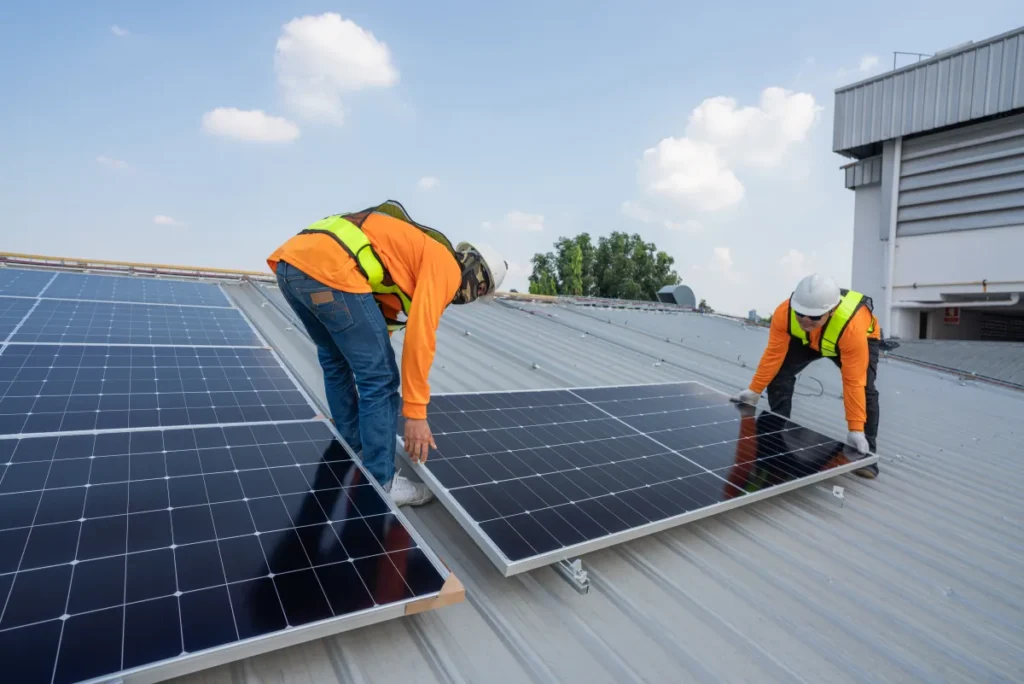

solar panel technicians installing photovoltaic solar panels

Hidden Costs To Plan For

Solar proposals often look clean on paper, but a few real-world items can surprise homeowners when they’re not discussed upfront. As a result, When that happens, the remodel cost tends to creep upward through change orders. Additionally, The simplest way to protect your budget is to ask for an itemized scope and to keep a contingency line in your plan.

Hidden Items That Can Show Up On Solar Projects

  • Main electrical panel or subpanel work: When your panel is full or doesn’t meet the needs of the new equipment, upgrades can add meaningful cost and additional inspections.
  • Roof repairs before mounting: Fixing leaks, replacing damaged sheathing, or coordinating roof work before solar can change the total.
  • Drywall/paint patching: Conduit routes sometimes require small interior repairs, especially in finished garages.
  • Structural review: Certain roof conditions call for engineering confirmation or reinforcement.
  • Long electrical runs: Detached garages, ADUs, or hard-to-reach attic paths can increase labor and materials.
  • Future roof replacement planning: If your roof is near end-of-life, removing and reinstalling solar later becomes an added future expense.

Common Mistakes That Inflate Budgets

  • Comparing proposals without matching system size, equipment tier, and electrical scope.
  • Skipping a roof readiness check and discovering repairs after the contract is signed.
  • Ignoring panel capacity until the install crew arrives and the job stalls.
  • Underbudgeting permits/inspections and treating them as a rounding error.
  • Choosing the lowest price without verifying warranties, service terms, and what is excluded.

From Planning To Completion

Most homeowners want two answers: how fast the project can start and how long the home will be disrupted. For example, The onsite work is usually quick; the calendar expands when design, permits, inspections, and coordination stack up.

Typical Timeline In Roseville (Planning Ranges)

  • Phone consult + site visit (1–5 days): review goals, bills, roof access, and electrical basics
  • Design + engineering set (about 1–2 weeks): create layout, equipment list, and plan set
  • Permit submittal + plan review (often 2–6 weeks): submit plans, respond to comments if needed
  • Installation (typically 1–3 days onsite): mount equipment, run conduit, complete electrical tie-in
  • City inspection (commonly 3–10 business days): verify workmanship and code compliance
  • Permission to operate / turn-on: timing depends on utility steps after inspection

You can keep the schedule moving by having your utility bills ready, confirming attic access, and making HOA approvals part of the plan if they apply. As a result, That kind of preparation often saves weeks of back-and-forth.

solar panel workers installing solar panels for efficient ene

Questions To Ask Before You Book An Estimate

A good estimate isn’t just a number; it’s a clear scope. Also, Use these questions to protect your remodel cost and avoid mid-project surprises.

  • What system size are you proposing and what assumptions did you use from my electric bills?
  • Does the quote include all electrical work (breakers, conduit runs, disconnects), or are parts excluded?
  • What roof attachment method will you use, and how will roof penetrations be sealed?
  • Who pulls the permits and schedules inspections, and are those fees included?
  • What conditions would trigger a change order, and how do you price changes?
  • What warranties apply to equipment vs labor, and who handles service calls?

Permits And Inspections In Roseville

Many rooftop solar installs require permits and inspections, especially when electrical work is involved. Meanwhile, In Roseville, permitting and plan check typically run through the city’s online permit center via Development Services, and inspection scheduling is coordinated through the same system. Meanwhile, Requirements depend on the exact scope and address, so the safest approach is to confirm early and make permits a line item in the proposal.

If your project includes a main electrical panel upgrade, service changes, or structural work, expect additional review and inspection steps. Additionally, A contractor should explain those steps in plain language before work begins.

Financing Options Homeowners Use For Solar

Payment strategy affects the true cost almost as much as equipment choice. Also, While we can’t recommend a specific lender, these are the common paths homeowners consider:

  • Cash: simplest structure, no loan fees; keep a contingency for electrical surprises.
  • Solar or home-improvement loans: compare APR, fees, and whether the loan is secured.
  • Home equity (HELOC or loan): useful when solar is part of a larger remodel; ask about closing costs and terms.
  • Refinance/renovation financing: sometimes used when multiple upgrades happen at once.

Talk To A Remodeling Team That Can Coordinate The Details

US Construction & Remodeling Corp. For this reason, helps homeowners plan solar projects with clear scopes and realistic budgets. For this reason, If you want a fast ballpark for your Roseville home (and a straight answer on what drives the price up or down), call +1 (916) 234-6696.

Helpful Links

Licensed, insured & trusted local contractor

US Construction & Remodeling Corp.
9821 Business Park Dr, Sacramento, CA, 95827
Phone: +1 (916) 234-6696

CSLB License #: 1117562 Fully licensed and insured.

View our Google Business Profile

Leave a comment

This website uses cookies to improve your web experience.
Explore
Drag