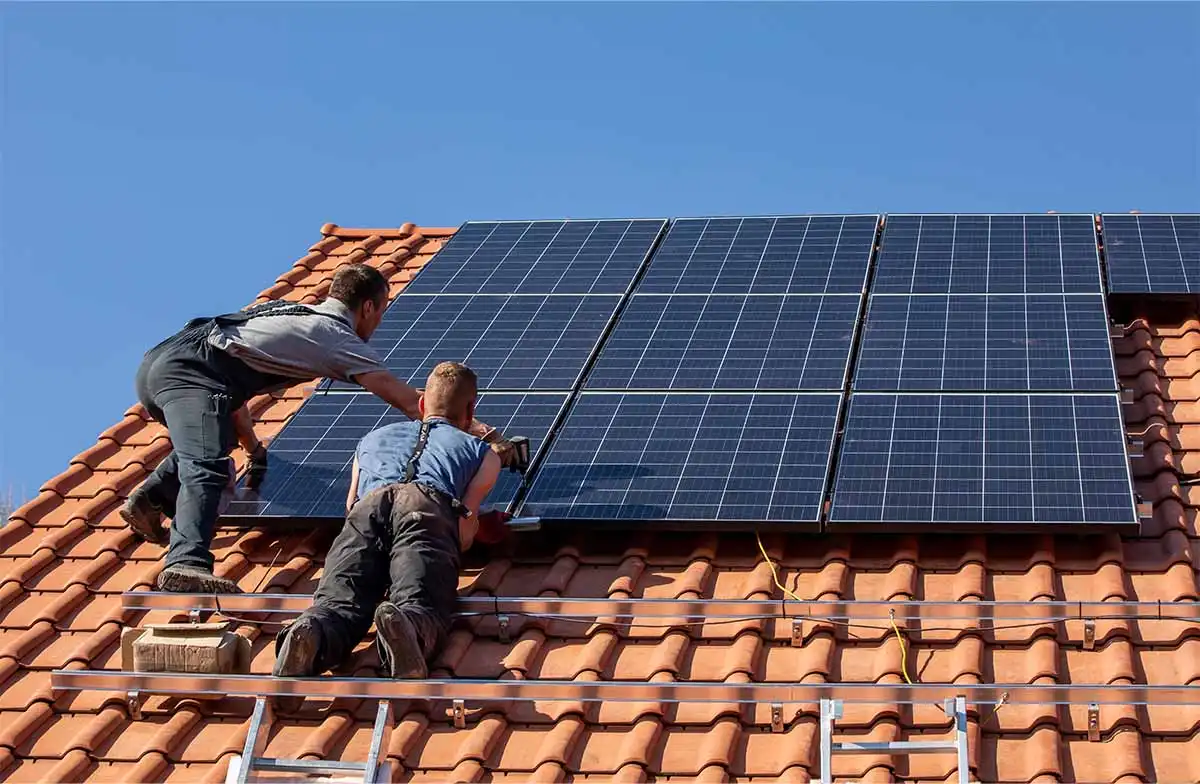
Solar Panels Permit Requirements In Elk Grove
Adding solar to your home can feel like a big leap, but the paperwork is usually the part that surprises homeowners. This guide breaks down solar panels permit requirements in Elk Grove so you can plan the design, documents, and inspections without last-minute changes.
TL;DR: Adding solar to your home can feel like a big leap, but the paperwork is usually the part that surprises homeowners. This guide breaks down solar panels permit requirements in Elk Grove so you can plan the design, documents, and inspections without…
Quick checklist:
- Verify roof condition first; plan reroof timing before installing panels.
- Size the system from real kWh usage and shading, not just panel count.
- Compare inverter options (microinverters vs string + optimizers) and monitoring.
- Confirm permitting and utility interconnection responsibilities and timeline.
- Review the contract (warranties, production assumptions, exclusions, roof penetrations).
- Confirm any electrical panel upgrades and inspection steps.
If you want a quick sanity check on scope, roof readiness, and the permit path before you sign, call +1 (916) 234-6696.
A Homeowner Checklist For Solar Panels Permit Requirements
| Decision | Why it matters | Quick check |
|---|---|---|
| Roof condition | Installing over an aging roof risks rework later. | Inspect first and plan reroof timing if needed. |
| System size | Determines cost and energy offset. | Size from real kWh usage and shading. |
| Inverter type | Affects monitoring and shade performance. | Compare microinverters vs string + optimizers. |
| Permits & interconnection | Approvals can drive the schedule. | Ask who handles permits/utility and expected timelines. |
TL;DR: Solar permitting goes smoother when you decide the electrical approach and equipment locations early. For example, A short pre-check can prevent redesigns, missed inspections, and change orders.
Quick checklist (use this before plans are submitted):
- Confirm your roof type and condition; handle repairs before panels go on.
- Decide your goal: offset usage now, also plan for an EV later, or include a battery from day one.
- Pick equipment locations (inverter, disconnects, battery) and a clean conduit route.
- Review your main electrical panel for breaker space, clearance, and labeling room.
- Gather photos of the roof planes, meter/main panel area, and attic access for the plan set.
- Ask who will submit permits and schedule inspections through Elk Grove’s eTRAKiT portal.
This checklist is built for Elk Grove homeowners who want clarity before they commit to a system size or sign an install agreement. It’s also useful if you’re comparing proposals and want to understand what can slow approvals.
Want help sorting the scope (roof prep, electrical work, and paperwork) into a clean plan? As a result, Call +1 (916) 234-6696 or use our free estimate form.
Decisions To Set Early (Before You Pay For Redesigns)
- Layout: which roof planes get panels and how shading affects placement.
- Equipment placement: where the inverter, disconnects, and (if applicable) battery will sit.
- Conduit routing: a clean path that protects the roof and keeps exterior runs tidy where possible.
- Roof readiness: whether you need a tune-up, localized repairs, or a larger roofing scope before solar.
- Future additions: battery storage or EV charging plans that can change electrical design choices.
Common Mistakes That Slow Approvals
- Moving forward without checking roof condition, then needing rework once the crew is ready.
- Assuming the existing main panel can accept new breakers or backfeed without any upgrades.
- Missing manufacturer spec sheets (panels, inverters, racking) that reviewers often expect.
- Choosing an equipment location that doesn’t leave safe working space or access.
- Leaving conduit routing undecided until install week, which can add time and cost.
- Not clarifying who owns submittals, fees, and scheduling responsibilities up front.
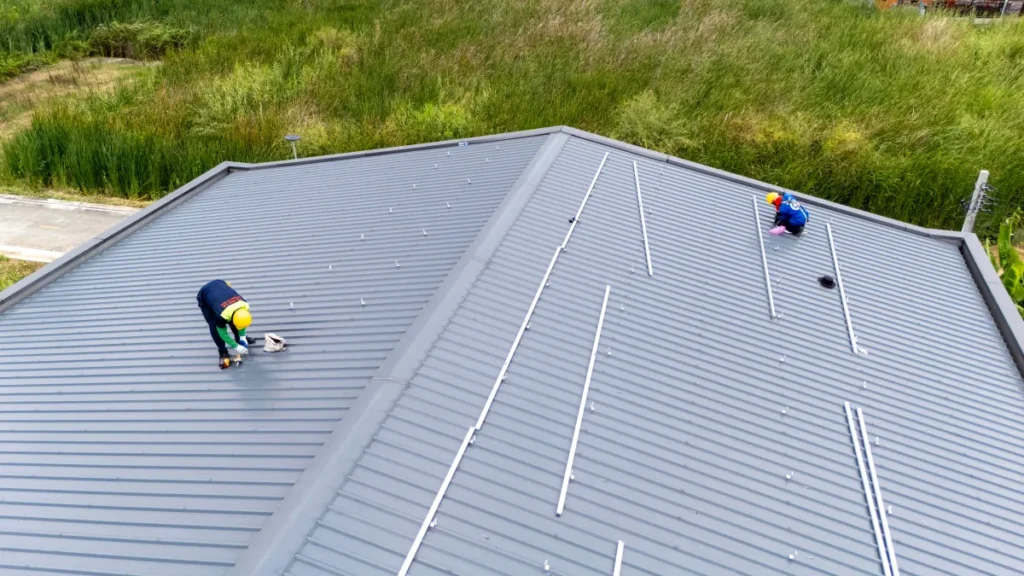

Permits And Code Considerations For Solar Panels Permit Requirements
In most cases, solar projects require permits because they touch both the roof structure and the electrical system. For this reason, In Elk Grove, solar panels permit requirements typically come down to three buckets: structural attachment, electrical safety, and complete documentation for plan review.
While your installer usually prepares the drawings, you should still ask to review the plan set before it’s submitted. Also, Catching issues early is cheaper than correcting them after the City kicks back comments.
Permit Notes For Elk Grove (eTRAKiT)
Minor building permits and inspection scheduling typically run through the City of Elk Grove’s eTRAKiT online portal. Meanwhile, In practice, that means the project team uploads plans, pays fees, tracks review comments, and requests inspections online.
- Ask who manages the portal: homeowner, installer, or a permit runner.
- Expect digital uploads: plan set, spec sheets, and supporting documents.
- Plan for corrections: a fast response keeps the calendar moving.
- Schedule inspections early: once an install date is realistic, get inspection windows on the calendar.
What Reviewers Often Look For (High Level)
- Structural: attachment method, roof condition assumptions, and how loads are handled.
- Roof details: penetrations, flashing approach, and keeping water management intact.
- Electrical: disconnect locations, labeling, clear working space, and safe equipment placement.
- Documentation: clear drawings, single-line diagram, and product cut sheets that match what will be installed.
Timeline And Scheduling
Every home is different, and review volume can change month to month. In addition, Still, most projects move through the same checkpoints, so you can plan around them with fewer surprises.
Timeline Snapshot (Typical Ranges)
- Site visit + design: about 3–10 days (faster if roof and electrical photos are ready).
- Engineering + plan set: about 1–2 weeks, especially if structural notes are necessary.
- City review + revisions: often a few weeks; longer if plans need multiple rounds.
- Installation: commonly 1–3 days depending on size and roof type.
- City inspection scheduling: typically days to a couple weeks depending on availability.
- Utility permission to operate: timing varies after the inspection passes.
| Decision / condition | Why it affects schedule or cost | What to decide early |
|---|---|---|
| Roof repairs needed | Work must be completed before panels go on | Roof scope and timing |
| Main panel capacity | Upgrades add design steps and inspection coordination | Panel evaluation results |
| Battery now vs later | Changes equipment count, placement, and wiring approach | Battery plan (or future-ready design) |
| Roof type (tile/flat/comp) | Mounting details and labor vary | Mounting method + flashing approach |
| Equipment location | Affects conduit runs, appearance, and access | Inverter/disconnect/battery placement |
If your project needs both roof work and electrical work, coordinate the sequence intentionally. Overall, A well-timed roof prep and a clear electrical plan reduce downtime between trade visits.

How To Choose Materials And Trades
Solar isn’t just “panels on a roof.” The best results come from matching materials to your roof type, your electrical setup, and how you want the system to look and operate day to day.
Material And Scope Choices That Matter
- Panels: compare warranty documents and manufacturer spec sheets, not just wattage.
- Inverters: choose a setup that fits shading and monitoring preferences (and future expansion if you’re considering it).
- Racking + flashing: ask how roof penetrations will be sealed and protected over time.
- Electrical scope: confirm whether the proposal includes any panel work, disconnects, labeling, and tidy conduit routing.
- Coordination: clarify who handles roof repairs (if needed) and who owns the permit submittal and inspection scheduling.
Accessibility And Safety Details To Plan
Even if you never touch the equipment, you’ll live with it for years. Additionally, Planning for safe access and clear information helps homeowners, inspectors, and technicians.
- Keep disconnects and key shutoffs reachable and not blocked by storage or landscaping.
- Ask for clear labeling so you can identify circuits and equipment without guesswork.
- Choose a monitoring setup you can actually use (easy app access, clear alerts).
- Plan equipment placement with walking space so servicing doesn’t become a hazard.
- If you’re planning for aging-in-place, avoid designs that require frequent ladder work for basic checks.
What To Verify
Before you consider the job “done,” make sure the paperwork and the practical details match what was promised. Also, This protects you if you sell the home, need warranty service, or want to expand the system later.
- Inspection status: confirm the City has signed off the final inspection.
- Utility approval: confirm you have permission to operate before turning the system on (your installer should guide this).
- Labels and access: verify disconnects are accessible and labeling is complete.
- Monitoring: confirm you can log in, see production, and understand basic alerts.
- Roof integrity: verify penetrations are properly sealed; after the first significant rain, check the attic for any signs of moisture (when safe).
- Closeout packet: keep warranties, spec sheets, and a copy of the final plans for your records.
If your solar project involves roof repairs, structural fixes, or electrical upgrades, US Construction & Remodeling Corp. For this reason, can help you plan the construction scope and coordinate the moving parts. Also, For a quick consult, call +1 (916) 234-6696 or book a time through https://usconstructioncali.com/free-estimate/.
Helpful Links
Licensed, insured & trusted local contractor
US Construction & Remodeling Corp.
9821 Business Park Dr, Sacramento, CA, 95827
Phone: +1 (916) 234-6696
CSLB License #: 1117562 Fully licensed and insured.