Skip links

Solar Panels Vs DIY In Rancho Cordova

Homeowners in Rancho Cordova searching for solar panels vs diy usually want the same thing: a system that’s safe, permitted, and sized correctly without turning the project into a second job. The right choice depends on roof complexity, electrical capacity, and how much responsibility you want to carry from planning through inspection.

Quick checklist:

  • Verify roof condition first; plan reroof timing before installing panels.
  • Size the system from real kWh usage and shading, not just panel count.
  • Compare inverter options (microinverters vs string + optimizers) and monitoring.
  • Confirm permitting and utility interconnection responsibilities and timeline.
  • Review the contract (warranties, production assumptions, exclusions, roof penetrations).
  • Confirm any electrical panel upgrades and inspection steps.

This guide from US Construction & Remodeling Corp. offers a practical roadmap—what changes in the house, where DIY tends to stall, and how permitting and scheduling can affect your timeline locally.

TL;DR: DIY can work when the roof is straightforward and you have the skills (and time) to manage design, safety, and inspections. A contractor-managed install often reduces rework and keeps responsibility clear if something needs adjustment later.

  • Confirm your roof has enough usable sun-facing space
  • Check electrical panel capacity and planned future loads
  • Decide who will create plans and handle permit submittals
  • Account for inspection scheduling in your timeline
  • Choose equipment with compatible warranties and monitoring
  • Plan simple maintenance and performance checks

Signs It’s Time For Solar Panels Vs DIY In Rancho Cordova

DecisionWhy it mattersQuick check
Roof conditionInstalling over an aging roof risks rework later.Inspect first and plan reroof timing if needed.
System sizeDetermines cost and energy offset.Size from real kWh usage and shading.
Inverter typeAffects monitoring and shade performance.Compare microinverters vs string + optimizers.
Permits & interconnectionApprovals can drive the schedule.Ask who handles permits/utility and expected timelines.

Before you price equipment or plan an install weekend, get clear on what you’re comparing. As a result, When homeowners weigh solar panels vs diy, the real difference is who owns the design decisions, the safety risk, and the paperwork from start to final inspection.

Consider bringing in a professional team if any of these apply:

  • Your roof is also steep, multi-level, or difficult to access safely
  • You expect electrical work beyond a simple breaker swap
  • You need engineered drawings or a structural review
  • You want one point of responsibility for permit corrections and inspections
  • You plan to add a battery or additional loads (EV charger, heat pump) soon

DIY tends to fit best when the roof layout is straightforward, you have hands-on construction experience, and you can follow manufacturer instructions and code requirements without cutting corners. In addition, Even then, plan your time realistically—design, permit submittals, and inspection scheduling can take longer than the actual installation.

Common Mistakes That Create Delays

Most avoidable delays come from sequencing and documentation rather than the panels themselves. Watch out for these:

  • Buying equipment before you confirm clearances, shading, and a workable layout
  • Skipping an electrical load review and discovering limitations at inspection time
  • Assuming a permit won’t be needed for your scope
  • Mixing components without confirming compatibility and warranty terms
  • Rushing roof penetrations and leaving flashing details unfinished
  • Waiting to schedule inspections until the install is already complete

solar panel professional engineer with safety helmet checking

Common Upgrade Paths (What Changes Most)

Solar work often touches more than the roof. Additionally, The upgrade path you choose determines how much coordination and responsibility you take on, especially if you’re deciding between a true DIY approach and hiring a crew to manage the full build.

  • Simple roof-mounted system: Panels, racking, wiring, and monitoring with minimal electrical modifications.
  • Electrical panel and load upgrades: When your existing service equipment needs additional capacity or reorganizing for new circuits.
  • Battery-ready planning: Designing space and wiring routes now so future storage adds less disruption.
  • Roof work before solar: If the roof is nearing the end of its service life, handle repairs or replacement before you mount new hardware.

Solar Equipment And Materials: Practical Tradeoffs

DIY shoppers sometimes focus on the panel wattage and forget the parts that protect the roof and simplify service. Also, A better comparison looks like this:

  • Panels: Higher-efficiency options reduce the footprint on tight roof planes, although they can increase the upfront spend.
  • Racking, flashing, and sealants: These components protect your roof. Meanwhile, Choose corrosion-resistant hardware and proven flashing details rather than “universal” shortcuts.
  • Wiring, conduit, and disconnects: Clean routing improves safety and keeps inspections smoother. It also makes future troubleshooting faster.
  • Monitoring: System-level monitoring is simple; more granular monitoring helps you spot a problem earlier when shading or partial failures happen.
  • Edge protection: Panel skirts or critter guards can reduce debris and nesting under arrays in many neighborhoods.

Layout Ideas When Roof Space Is Limited

Limited roof area doesn’t automatically mean solar isn’t worth it. For this reason, The key is to design around obstacles (vents, skylights) and required clearances without forcing a layout that becomes hard to wire or service.

  • Start with the clearest roof planes, then add secondary planes only if needed
  • Use fewer, higher-output panels to hit your target with less square footage
  • Keep panel groups in simple rectangles to reduce wiring complexity
  • Plan a path for future roof service so you don’t need to remove the entire array

Maintenance Tips Once The System Is Live

A well-installed system runs quietly in the background, but a few habits help you catch issues early.

  • Check your monitoring dashboard monthly for unusual drops
  • Clean dust and pollen buildup when it’s safe to do so, or schedule professional cleaning
  • After high winds or storms, do a ground-level visual scan for shifted panels or loose conduit
  • Keep manuals, warranties, and permit sign-offs together for fast support later

Budget Ranges And Timeline (Typical)

Every house is different, so any numbers you see online can mislead. Overall, For many homeowners, solar panels vs diy comes down to how confident you feel about electrical work and permit follow-through. Overall, Instead of chasing a “one-size” price, think in drivers: roof access, electrical scope, equipment quality, and how much of the work (and risk) stays on your shoulders.

Decision pointWhy it mattersWhat it can change
Roof complexitySteeper roofs and multiple planes take more time and safety setupLabor time, staging, and overall schedule
Electrical scopePanel capacity and circuit changes can add trade work and inspectionsCost, inspection steps, and coordination effort
Equipment tierBetter racking, flashing, and monitoring can cost more upfrontLong-term serviceability and roof protection
DIY vs managed installDIY can reduce labor cost but increases planning and rework riskTimeline predictability and accountability

Budget Ranges & Timeline (Typical)

  • DIY route: Lower labor spend, higher time investment for design, tools, and inspections.
  • Contractor-managed route: Higher labor spend, cleaner handoffs and fewer surprises during inspection.
  • Biggest cost drivers: Roof access, electrical upgrades, and whether you plan for battery storage.
  • Biggest schedule drivers: Plan review comments, inspection availability, and utility approval timing.

ROI And Resale: What To Prioritize

Solar can strengthen buyer confidence when the install looks clean and the paperwork is easy to understand. For example, If resale is on your horizon, prioritize permitted work, neat conduit routing, and accessible monitoring. For example, DIY can still pencil out, but keep a tight documentation folder so future buyers (and inspectors) can verify what was done and when.

Permits And Scheduling Notes

Rancho Cordova supports online permitting through the city’s permit portal, including applications, payments, and inspection scheduling. Overall, That convenience doesn’t remove the need for good plans—it simply makes it easier to track progress and respond quickly.

Local Roadmap: Planning, Build, And Closeout

  1. Site check: Confirm roof layout, shading, and electrical panel capacity.
  2. Design package: Create a layout, equipment list, and basic electrical plan that matches manufacturer instructions.
  3. Permit submittal: Submit plans through the city portal and respond to any plan check comments.
  4. Installation: Mount racking, set panels, run wiring/conduit, and complete required safety disconnects.
  5. Inspections: Schedule the city inspection(s) and address any corrections promptly.
  6. Activation & closeout: Complete utility steps, then keep your approved plans and sign-offs for your records.

Rancho Cordova Scheduling Realities

Online systems help, yet complete submittals still matter. Overall, Clear photos of your electrical equipment, accurate roof measurements, and correct cut sheets can prevent a “request for more information” cycle. Also, request inspections as soon as the city allows—waiting until the end can delay activation.

If you want a quick read on whether DIY makes sense for your specific roof and electrical setup, call +1 (916) 234-6696 for a short consult.

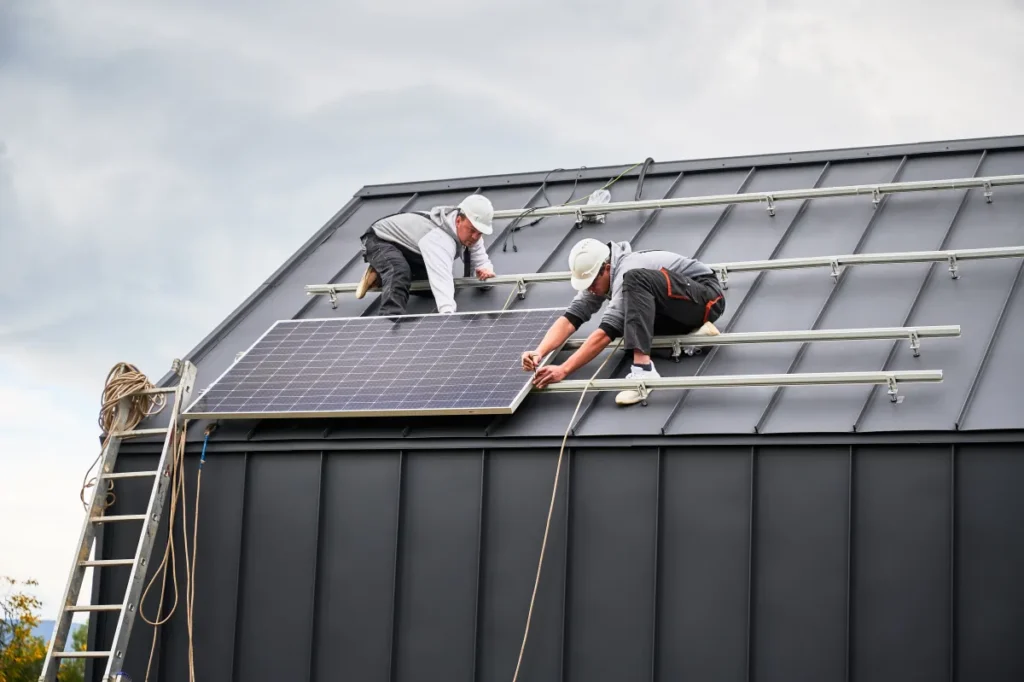
solar panel service engineer installing solar cell on the roof

Serving Rancho Cordova Homeowners

US Construction & Remodeling Corp. As a result, helps Rancho Cordova homeowners sort out the real-world tradeoffs between DIY and a managed solar project—roof layout, electrical readiness, permitting, installation quality, and a clean closeout package you can keep for your records.

To talk through your options and get a realistic scope, call +1 (916) 234-6696. In addition, If you prefer to start online, use our booking page: request a free estimate.

Trust Checklist (Licensing, Permits, Communication)

A solar project blends electrical and roofing work, so accountability matters. Also, Here’s what you should expect from any contractor you hire, including our team:

  • Licensing and insurance: Ask for current documentation and confirm the trade scope matches the work being performed.
  • Permit responsibility: Clarify who pulls permits, who responds to plan check comments, and who schedules inspections.
  • Clear change management: If the scope changes, you should get a written update before the work moves forward.
  • Workmanship verification: Use the city inspection sign-offs, manufacturer installation instructions, and a final walkthrough to confirm the details.
  • Closeout packet: Keep approved plans, inspection results, equipment manuals, and warranty paperwork in one place.

Still deciding on solar panels vs diy for your home? For example, A quick phone consult often saves hours of guesswork and helps you avoid buying equipment that doesn’t fit your roof or permit path.

Contact: US Construction & Remodeling Corp. | Phone: +1 (916) 234-6696 | Website: https://usconstructioncali.com/

Helpful Links

Frequently Asked Questions

DIY installation can be possible, but you still need to follow the city’s permit and inspection process and meet electrical and roofing safety standards. Check the Rancho Cordova permit portal for current steps, and bring in licensed trades for work that goes beyond your training.

DIY can reduce labor cost, but a few items often raise the real price:

  • Design time and plan preparation
  • Permit fees and multiple trips for corrections
  • Tool and safety equipment purchases or rentals
  • Electrical panel work discovered mid-project
  • Rework if an inspection flags wiring, labeling, or mounting details

Most schedules include four parts: design, permit review, installation, and inspections/utility approval. DIY timelines often stretch because you’re coordinating trades and corrections around your availability, while a managed install can move faster once plans are approved. Submitting complete plans and booking inspections early protects your timeline either way.

Focus on the details that protect the roof long-term. Quality flashing, compatible sealants, and corrosion-resistant mounting hardware matter as much as the panels themselves. Ask how roof penetrations will be flashed and how wiring will be routed so the system stays watertight and serviceable.

It can improve marketability, but results vary by system ownership, documentation, and workmanship. Buyers tend to feel more comfortable with a clean, permitted install, transferable warranties, and simple monitoring. Keep expectations realistic and prioritize a neat install and clear paperwork.

Use a responsibility checklist before you decide:

  • DIY fits best when: You have roofing/electrical experience, time for permits, and a straightforward roof layout.
  • Hiring help fits best when: The roof is complex, electrical scope is bigger, or you want one team accountable through closeout.
  • Either way: Get a written scope, confirm who handles permits, and keep all approvals and manuals for your records.

Want a quick recommendation for your house? Call +1 (916) 234-6696.

Licensed, insured & trusted local contractor

US Construction & Remodeling Corp.
9821 Business Park Dr, Sacramento, CA, 95827
Phone: +1 (916) 234-6696

CSLB License #: 1117562 Fully licensed and insured.

View our Google Business Profile

Leave a comment

This website uses cookies to improve your web experience.
Explore
Drag