
Skip links

Solar Panels vs DIY in Roseville: A Homeowner Guide

Thinking about solar for your Roseville home and weighing a DIY route against hiring a licensed installer? This guide breaks down solar panels vs diy in practical terms—what to plan, where DIY risks increase, and how to compare proposals without getting buried in jargon.

US Construction & Remodeling Corp. approaches solar installs like a managed home project: clear scope, clean workmanship, and a closeout you can verify. Use the quick checklist below to prepare for a written estimate and a smoother schedule.

TL;DR: DIY can be fine for research and prep, but roof penetrations and electrical tie-ins are where small errors become leaks, failed inspections, or expensive rework. A licensed team typically handles design, permits, and quality checks so you are not coordinating every step yourself.

  • Take photos of your roof planes, attic access, and the main electrical panel label
  • Note any shade sources (trees, chimneys, nearby structures) at different times of day
  • Decide your priority: maximum output, cleaner roof appearance, or lowest upfront cost
  • Think ahead about add-ons like an EV charger or a future roof replacement
  • Plan where equipment can mount with clear access (garage wall, exterior wall, or utility area)
  • Request a written estimate that lists equipment, scope, and inspection/closeout steps

What To Expect From A Licensed Team For Solar Panels Vs DIY

DecisionWhy it mattersQuick check
Roof conditionInstalling over an aging roof risks rework later.Inspect first and plan reroof timing if needed.
System sizeDetermines cost and energy offset.Size from real kWh usage and shading.
Inverter typeAffects monitoring and shade performance.Compare microinverters vs string + optimizers.
Permits & interconnectionApprovals can drive the schedule.Ask who handles permits/utility and expected timelines.

DIY solar content online can make the job look simple. As a result, In reality, you are combining roof work, electrical work, and documentation that all has to line up for a safe, inspectable system. As a result, When a licensed team runs the project, you get a site assessment, a written scope, coordinated inspections, and a defined closeout—rather than guessing your way through each phase.

Who This Comparison Is For

This page is for Roseville homeowners who want solar, but also want to avoid surprises. Overall, If you are comparing solar panels vs diy, focus on the parts of the job that are hardest to redo: roof penetrations, electrical tie-ins, and inspection readiness.

Where DIY Can Still Help

  • Gather a recent utility bill and note your usage goals
  • Take clear photos of roof planes, also attic access, and your main electrical panel label
  • List future plans that could change sizing (EV charger, added square footage, major appliances)
  • Decide what matters most: cleaner roof appearance, fastest timeline, or lowest upfront cost
  • Write down access constraints (gates, parking, attic clearance) before any site visit

Common DIY Pain Points

  • Water intrusion from poorly flashed roof penetrations
  • Unsafe electrical work or unclear labeling/shutoff placement
  • Parts that do not fit the roof conditions or local inspection expectations
  • Extra time coordinating permits, inspections, and corrections
  • Warranty headaches when equipment and labor responsibilities get split

10 Project-Design Ideas That Pay Off

  • Map the panel layout so it looks intentional and leaves access paths for roof maintenance
  • Plan a tidy conduit route early so it does not become an afterthought
  • Ask how the crew protects tile/shingles and manages debris during roof work
  • Confirm roof penetrations will be flashed properly, not just sealed
  • Choose equipment locations that stay accessible (and not blocked by storage later)
  • Request a clear electrical scope: breakers, grounding, labels, and any panel work
  • Discuss how the system will be monitored and what operational looks like at closeout
  • Consider a battery-ready layout if you may add storage later (even if you are not buying one now)
  • Keep a simple paper trail: proposal, drawings, inspection sign-offs, and manuals
  • Define who owns cleanup and disposal so packaging and scrap are not left behind

Want a fast reality check before you buy equipment? Additionally, Call +1 (916) 234-6696 and ask what information to gather for an estimate.
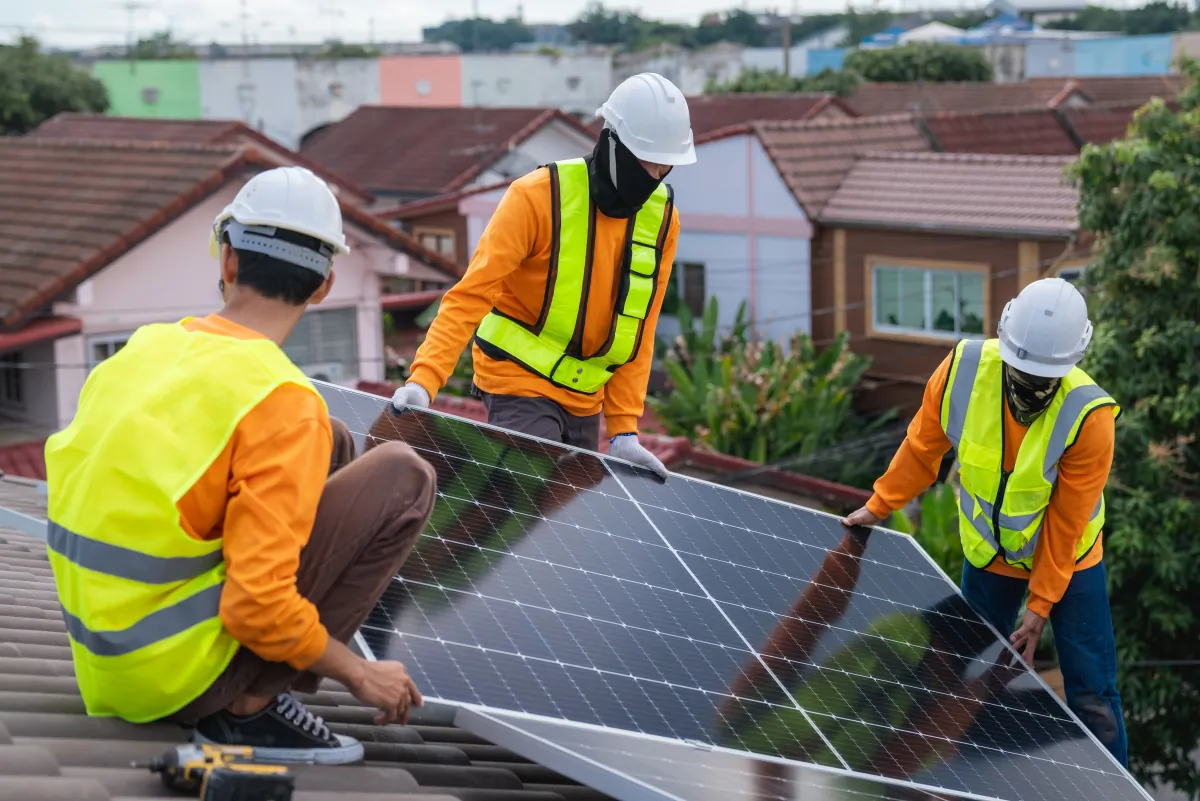
solar panel men technicians carrying photovoltaic solar moduls

Planning And Scope Decisions For Solar Panels Vs DIY

Good decisions happen before anyone drills a hole in the roof. Also, Planning is where most of the DIY vs licensed difference shows up: a clean layout, a realistic scope, and fewer surprises once work starts.

Layout Planning: Turning Roof Space Into A Clean Array

Homeowners already know how layout changes outcomes—an L-shape kitchen, a U-shape, a galley, or an island-centered layout all feel different in daily use. In addition, Solar is similar: a single, clean rectangle of panels on one roof plane can simplify routing and future service, while a split array across multiple planes may reduce shade but adds complexity. For example, The right approach depends on your roof, shade, and goals.

  • Identify obstructions early (vents, skylights, chimneys) so the layout is not improvised on install day
  • Ask how the design accounts for shade at different times of day and seasons
  • Leave reasonable access for roof maintenance and gutter cleaning
  • Decide how important a low-visual conduit path is before finalizing the plan
  • Talk about roof condition up front; installing on a roof that needs near-term replacement creates avoidable rework

Limited Roof Space: Small-Space Approaches That Still Look Intentional

If your usable roof area is limited, the answer is not always to cram panels wherever they fit. Meanwhile, A tighter layout can still look clean and perform well when you prioritize the best planes and reduce wasted space.

  • Focus on the roof areas with the longest sun exposure, even if that means fewer panels
  • Keep rows aligned and avoid a patchwork look unless the site demands it
  • Ask whether minor roof elements can be relocated by the appropriate trade (only when allowed and properly handled)
  • Consider pairing solar with energy-efficiency upgrades so you need fewer panels to reach your goal

Key Decisions At A Glance

DecisionWhat it affectsCommon cost/time drivers
Roof conditionLeak risk, reworkRepairs needed before mounting hardware
Array layoutAesthetics, shading, wiring runsMultiple roof planes or many obstructions
Main electrical capacitySafety, code complianceAdditional electrical work or a panel upgrade
Conduit routingVisual impact, laborLong runs, finished walls, hard attic access
Permitting & inspectionsCalendar timelinePlan review questions and inspection availability
Equipment lead timesStart dateSpecial-order parts or backorders

Use this table to compare bids apples-to-apples. For this reason, A cheaper number can hide missing scope, while a higher number may include items that prevent delays later.

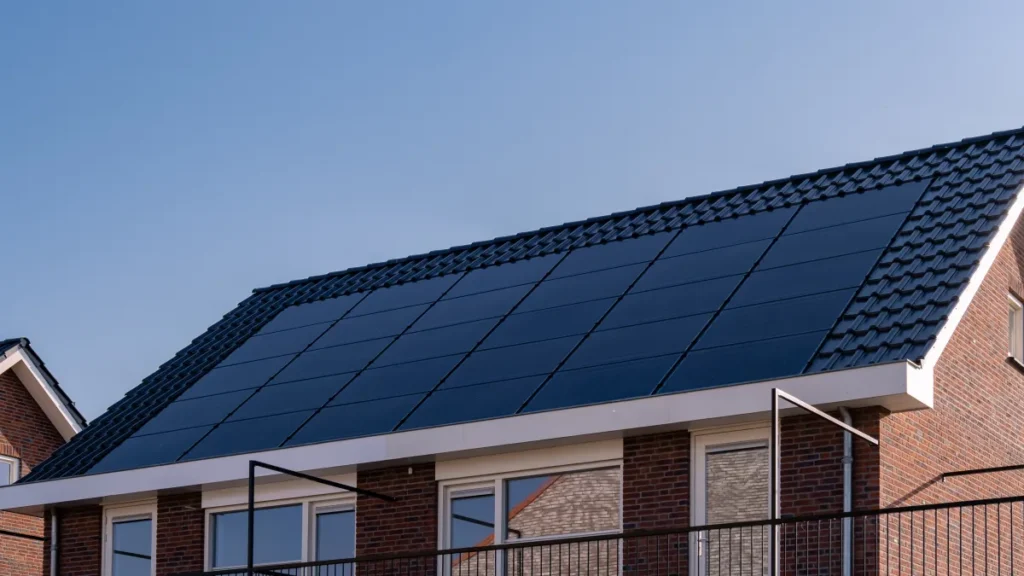
solar panel professional engineer service solar panel worker

Materials, Permits, And Scheduling

US Construction & Remodeling Corp. For example, helps Roseville homeowners evaluate solar panels vs diy with a practical scope review, a clear proposal, and an installation you can verify at closeout. For this reason, To build a written estimate that holds up, we typically ask for roof photos, a photo of the main electrical panel label, and a recent utility bill.

Request a written estimate online, or call +1 (916) 234-6696 to talk through scope and timing.

Materials: What To Look For In A Proposal

Instead of chasing the cheapest kit, focus on the components and details that protect your roof and make the system serviceable for years.

  • Panel make/model and manufacturer warranty documentation
  • Mounting/racking method and how roof penetrations are flashed
  • Conduit routing plan, labeling, and shutoff locations
  • Electrical scope: breakers, grounding, and any panel modifications
  • Monitoring access and what is included in the walkthrough

Roseville Permitting And Inspection Coordination

Most solar installs involve building/electrical permits and inspection sign-off. For example, In Roseville, Development Services provides online tools for applications, plan check tracking, and inspection scheduling, which can help keep the process transparent. Confirm who will pull permits, who will meet the inspector, and what documents you will receive at closeout.

Budget & Schedule (Typical Drivers)

  • Roof complexity: steep slopes, tile, or repairs can add staging and labor
  • Electrical scope: limited capacity can trigger additional electrical work
  • Plan review and inspections: questions from reviewers or limited slots can extend the calendar
  • Material lead times: special-order components can move the install date

Equipment Placement And Organization

Even without a battery, solar adds equipment that needs clear access. Overall, Plan the location early and you avoid awkward placements and future clutter conflicts.

  • Pick a mounting area that stays accessible and is not likely to be blocked by storage
  • Keep a dedicated folder for manuals, drawings, and inspection sign-offs
  • Ask for neat labeling so future service is straightforward

Leave a comment

This website uses cookies to improve your web experience.
Explore
Drag