Skip links

Steps Remodel Bathroom: California Contractor Checklist

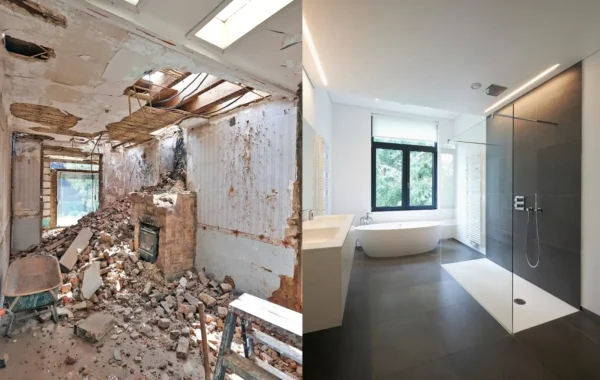
Bathroom remodels feel simple until you start moving plumbing, waiting on tile, or uncovering hidden damage. If you’re mapping out the steps remodel bathroom project in California, this post helps you compare contractors, lock decisions early, and keep the work moving.

Quick checklist:

  • Define the scope and prioritize daily function (shower, storage, ventilation).
  • Confirm what trade work is involved (plumbing, electrical, drywall) and the order of work.
  • Choose finishes that hold up in wet areas and are easy to clean.
  • Verify license/insurance where required, and compare bids line-by-line (allowances, exclusions, change orders).
  • Decide what needs to be ordered first (tile, fixtures, vanity) to keep the schedule moving.

TL;DR: A smooth remodel comes from a clear scope and a contractor who documents it. Use the checklist below to vet bids, confirm permit responsibilities, and reduce surprises. For a written estimate, call +1 (916) 234-6696 or request one online.

  • Decide what changes (layout, shower/tub, vanity size).
  • Share the same info with each bidder (photos, measurements, must-haves).
  • Compare written bids line-by-line, not just the total price.
  • Verify licensing status and ask for current insurance documents.
  • Confirm who pulls permits and schedules inspections if the scope requires them.
  • Pick fixtures and tile early so orders don’t stall the schedule.

Contractor Selection Checklist For Steps Remodel Bathroom

DecisionWhy it mattersQuick check
Wet-area finishesWet zones need durable, easy-clean surfaces.Choose materials rated for bathrooms and simple maintenance.
VentilationHelps prevent humidity and long-term damage.Confirm fan sizing and vent routing.
LayoutGood layout improves daily usability.Verify clearances and door swings.
Budget controlKeeps scope creep from blowing up the price.Use allowances and a written change-order process.

The fastest way to protect your budget and timeline is choosing the right company before demolition. Look for a contractor who asks detailed questions, writes down assumptions, and gives you a schedule you can actually plan around.

What A Solid Bathroom Remodel Bid Should Include

  • A clear scope of work (what’s included and what’s not).
  • Named materials and fixtures (or clearly defined placeholders).
  • Waterproofing and ventilation approach (not just “tile work”).
  • Who will be on site daily and how communication works.
  • Start date range and a realistic sequence of work.
  • How changes get priced and approved in writing.

Red Flags That Usually Lead To Disputes

  • Vague bids with missing details on demolition, prep, or waterproofing.
  • Pressure to sign before you’ve selected key products.
  • “We don’t need permits for that” without reviewing the scope.
  • Cash-only requests or unclear business info on the contract.
  • Unwillingness to provide proof of insurance or references.

Estimate-first tip: Before you request pricing, gather a few basics: photos of the current bathroom, your address, the changes you want, and any must-have products. To talk through your project and request a written estimate, call +1 (916) 234-6696 or visit https://usconstructioncali.com/free-estimate/.

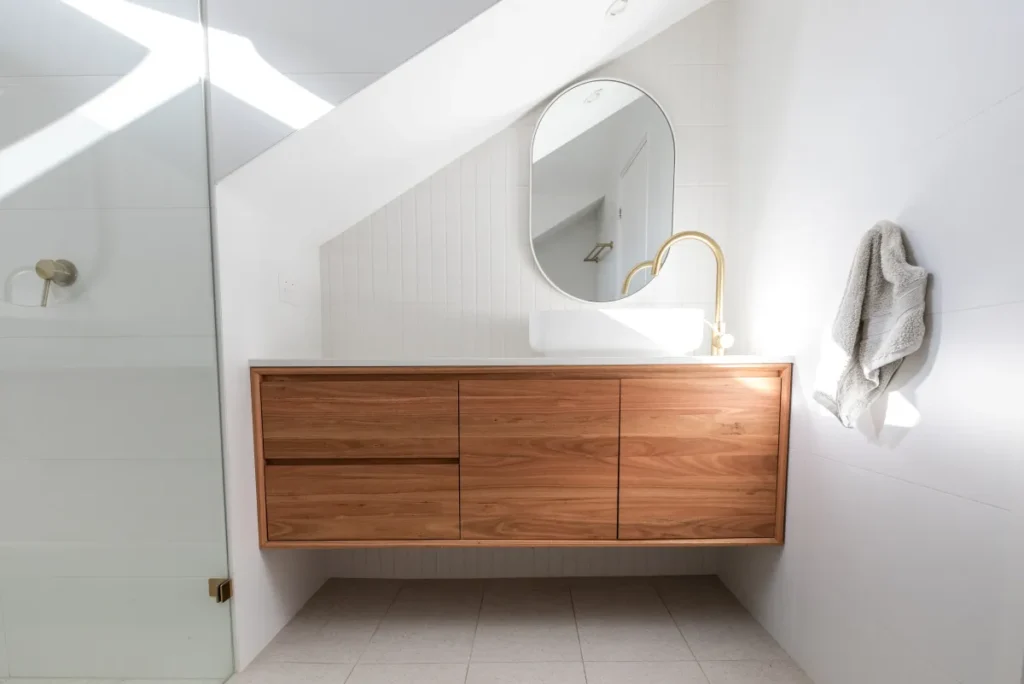
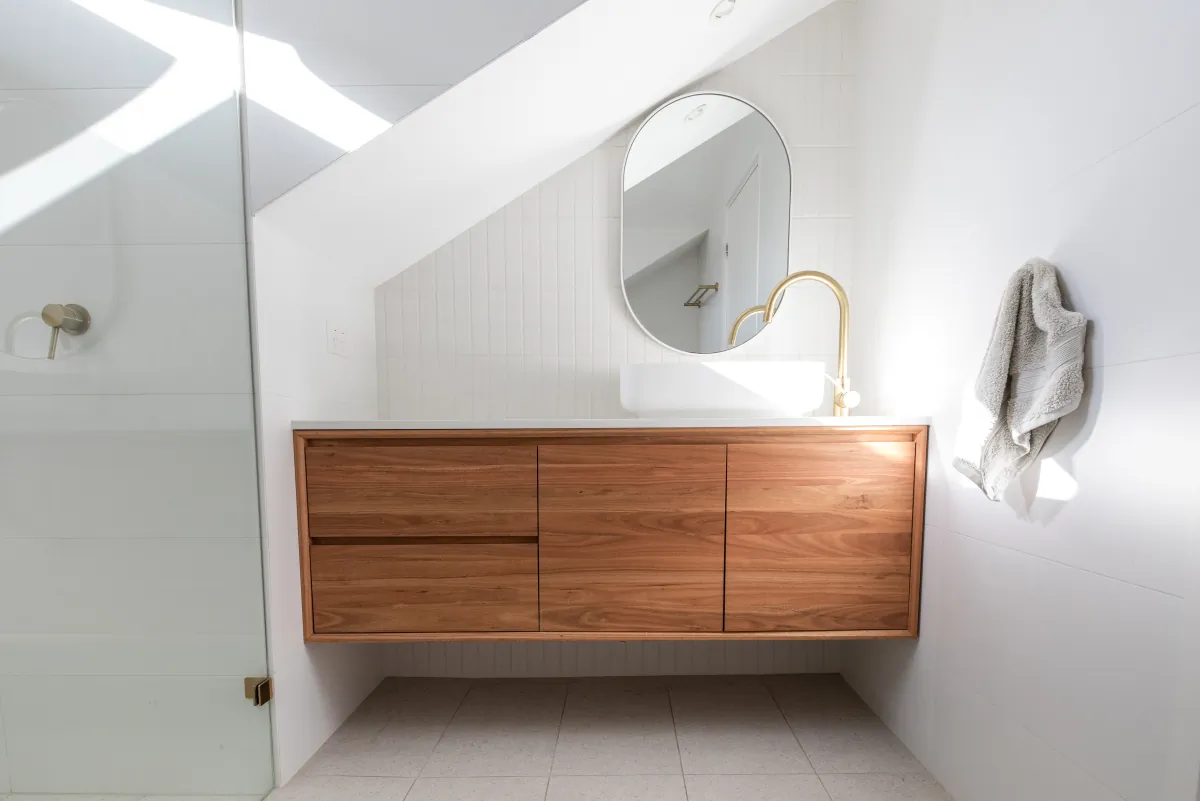
floating vanity modern bathroom interior design with hanging sink

A Homeowner Checklist For Steps Remodel Bathroom

Planning isn’t about perfection—it’s about making enough decisions up front so the contractor can price the job accurately and build it without stops and restarts. Use this checklist to tighten your scope before you compare bids.

Decisions To Lock Early

  • Layout: keep the footprint or move plumbing (toilet, shower valve, drains).
  • Wet area: shower vs. tub, plus niche/bench/curb and door style.
  • Vanity: width, sink type, storage needs, and medicine cabinet plan.
  • Surfaces: floor material, wall tile height, grout color, and trim details.
  • Electrical: lighting locations, outlet needs, and mirror/vanity power.
  • Ventilation: fan size/location and where the duct will run.

Bid Package Checklist (Send The Same Info To Every Company)

  • Photos of the bathroom and any adjacent access areas (hallway/closet).
  • Rough dimensions (room, shower/tub, vanity wall) and ceiling height.
  • A short “must-have” list and a short “nice-to-have” list.
  • Your preference on who supplies fixtures (you vs. contractor).
  • Any building constraints (HOA rules, parking limits, working hours).
  • Your target start window and any dates you need to work around.

How To Compare Estimates Without Guessing

  • Make sure each bid reflects the same layout and the same finish level.
  • Ask what’s assumed behind the walls (and how surprises get handled).
  • Look for clarity on demolition, prep, waterproofing, and disposal.
  • Confirm who orders materials and how lead times are managed.
marble for counter counter top white marble bathroom interior with si

Permits And Code Considerations

Permits aren’t paperwork for the sake of paperwork; they create inspection checkpoints and they help protect resale value. In California, permit triggers depend on the scope and your local building department, so get clarity before demolition begins.

Permit Conversation Checklist (Ask Before You Sign)

  • Which permits apply (building, plumbing, electrical, or mechanical/ventilation).
  • Who will pull the permit and whose name will be on it.
  • Who schedules inspections and who will be present for them.
  • What happens if an inspection fails (timeline impact and rework plan).
  • Whether fixture moves, new circuits, or fan changes are in the scope.

Common Mistakes To Avoid

  • Starting demo before ordering long-lead items like vanity, tile, or shower glass.
  • Changing the layout after rough plumbing or electrical is already installed.
  • Skipping a moisture plan (waterproofing details and proper ventilation).
  • Mixing multiple contractors without one person responsible for coordination.
  • Assuming “like-for-like” replacements never need permits—verify locally.

Health And Safety Notes

If your home was built before 1978, ask your contractor about lead-safe work practices during demolition and prep. The EPA’s overview is a good starting point: https://www.epa.gov/lead/renovation-repair-and-painting-program.

Local angle (California): You can verify a contractor’s license status and classifications through the California Contractors State License Board (CSLB). US Construction & Remodeling Corp. is based in Sacramento and serves homeowners in multiple California service areas. To request an estimate, call +1 (916) 234-6696.

Frequently Asked Questions

Maybe. Permit needs depend on what you change and your local building department. Moving plumbing, adding circuits, changing ventilation, or modifying walls often triggers permits and inspections.

  • Ask the contractor which permits apply to your exact scope.
  • Confirm who pulls the permits and schedules inspections.
  • Get those responsibilities in writing before work starts.

Many standard bathroom remodels land in the multi-week range, but the exact timeline depends on scope, inspection timing, and material lead times. A contractor should give you a phase-based schedule, not a single “done by” date.

Preparing a simple bid package helps you get faster, more accurate pricing.

  • Photos of the current bathroom
  • Rough measurements (room and key walls)
  • Must-haves and deal-breakers
  • Any products you already purchased (with model numbers)
  • Your preferred start window

For an estimate with US Construction & Remodeling Corp., call +1 (916) 234-6696.

Often, yes. Keeping the toilet, shower, and vanity in the same locations can reduce rough-in work and simplify scheduling. Even so, confirm what upgrades still require permits or inspections in your jurisdiction.

Use the CSLB online license check to confirm the contractor’s status, classifications, and any listed bond or insurance information:

https://www.cslb.ca.gov/OnlineServices/CheckLicenseII/CheckLicense.aspx

Focus on function first, then finishes.

  • No leaks at fixtures and valves
  • Proper shower drainage and consistent water pressure
  • Fan, lights, switches, and GFCI outlets working correctly
  • Clean grout and caulk lines at corners and transitions
  • Doors/drawers aligned and operating smoothly
  • Any paint, trim, or tile touch-ups documented

Leave a comment

This website uses cookies to improve your web experience.
Explore
Drag