Skip links

Gutters vs DIY in Placer: A Practical Homeowner Guide

Replacing gutters looks simple until you price materials, climb a ladder, and realize every corner and seam can leak. If you are comparing gutters vs diy placer options, this guide breaks down the safest, most practical path for homeowners in Placer County.

Quick checklist:

  • Decide the scope: cleaning, repair, guards, or full replacement.
  • Confirm gutter size/material and how many downspouts you need for runoff.
  • Plan downspout discharge and drainage so water moves away from walls, stairs, and the foundation.
  • Ask whether fascia/rot repair is included and how corners/seams will be sealed.
  • Compare 2–3 itemized quotes (linear feet, downspouts, guards, disposal, warranty).
  • Schedule around weather and run a hose test at the final walkthrough.

TL;DR: DIY can work for small, reachable fixes when the fascia (the board behind the gutter) is solid and you can work safely. A licensed team is usually a better fit for seamless gutters, taller homes, or any job that needs wood repair before the new system can hold. For a clear recommendation and a written estimate, schedule online or call +1 (916) 234-6696.

What To Expect From A Licensed Team For Gutters Vs DIY Placer

Gutters carry rainwater from the roof edge to a controlled exit point. Overall, When they fail, water can spill over the edge and soak trim. As a result, Over time, that can lead to peeling paint and damaged wood along the eaves.

Quick Checklist Before You Decide

  • Walk the perimeter and measure each roof edge that needs a gutter.
  • Count corners and end caps (extra pieces add time and potential leak points on sectional systems).
  • Inspect fascia and soffit for soft wood, also gaps, or peeling paint.
  • Decide whether you want sectional parts or seamless runs formed to fit your home.
  • Choose a guard style (if any) based on what falls on your roof and how often you want to clean.
  • Plan safe ladder use with a helper, or avoid ladders and hire a team.

When DIY Can Work

DIY is most realistic when the work area is easy to reach and the backing surface is strong. It also helps when you are handling a small scope, like fixing a joint or replacing a short section on a single-story home.

  • You can set a ladder safely and you feel comfortable working at height.
  • The fascia is solid and fasteners will bite into sound wood.
  • You have time to measure carefully and re-check cuts before you install.
  • You are prepared to test with water and adjust slope if needed.

When A Licensed Team Is A Better Fit

A professional install pays off when you want fewer joints, better fit, and less risk. Also, Seamless gutters are formed on-site to match your home, which reduces the number of seams that can drip later.

  • You want seamless gutters or custom bends around complex rooflines.
  • Your home has multiple stories, steep areas, or tight access.
  • You suspect fascia repair is necessary before anything new can attach securely.
  • You want guards installed correctly without restricting water flow.

Hypothetical Before/After Example (Anonymized)

Hypothetical example: A homeowner has older sectional gutters that pull away at the corners. For this reason, During heavy rain, water spills over the edge and leaves streaks on the trim. For this reason, A DIY sealant patch stops one drip, but another joint starts leaking a few weeks later.

After a full assessment, a licensed crew replaces the failing sections, repairs soft fascia where hangers could not hold, and installs a continuous run with the correct slope so water moves toward the outlets. In addition, The homeowner gets a simple care checklist and knows what to watch after storms.

Decision Table (DIY Vs Team)

DecisionDIY is a fit when...A licensed team is a fit when...
Gutter typeShort runs with readily available sectional piecesSeamless runs formed to match your roofline
AccessSingle-story edges and safe ladder placementMulti-story heights, steep areas, or tight setbacks
Backing conditionFascia is sound and fasteners hold firmlyFascia needs repair before new gutters can mount
Time & reworkYou can spare a weekend and troubleshoot leaksYou want a faster install with final water testing

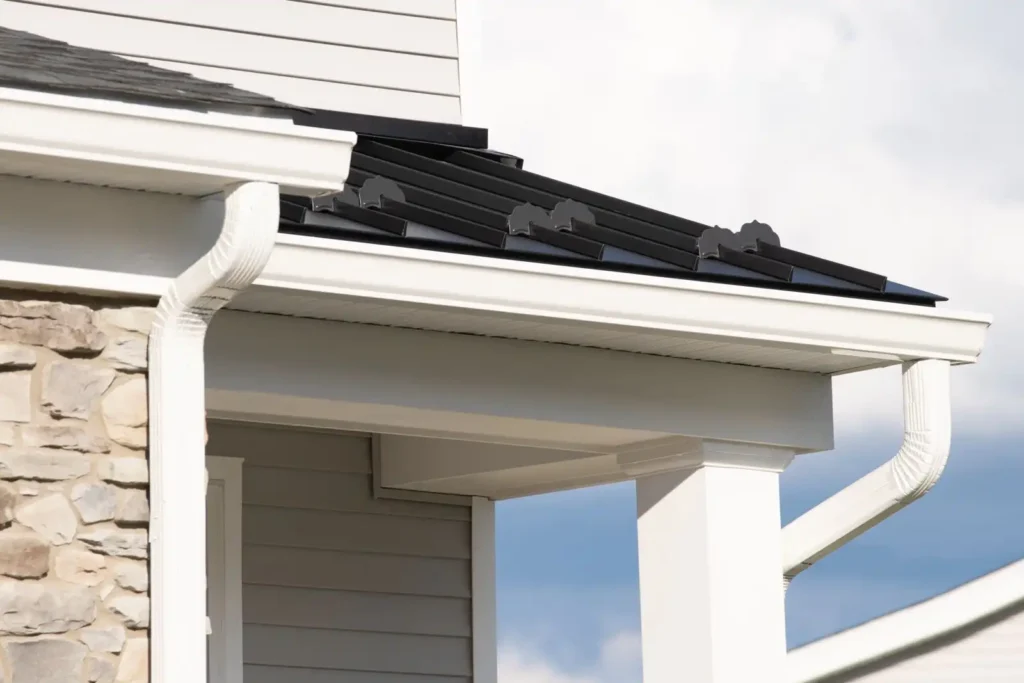
construction gutters

Planning And Scope Decisions For Gutters Vs DIY Placer

To make a gutters vs diy placer decision that holds up, start with a careful walk-around and a simple sketch. Meanwhile, Look at the fascia and soffit (the underside of the roof overhang). For this reason, If the wood is soft or split, new gutters will not stay tight until you repair the backing.

Repair, Partial Replacement, Or A Full System

  • Minor repair: A small leak at a joint or an end cap can sometimes be re-sealed if the gutter is still straight and well supported.
  • Partial replacement: A damaged run might be replaced while keeping the rest, but only if the remaining gutters match and still slope correctly.
  • Full system: If you see frequent leaks at multiple seams, sagging, or widespread wood damage behind the gutters, replacing the system is often the cleaner long-term fix.

Layout Planning For Gutters (Runs, Corners, Outlets)

Gutter layout is more than "measure and hang." You want continuous runs where possible, clean corners, and enough support so the gutter does not pull away over time. For example, An outlet is the opening where water drops into a downspout. For this reason, Place outlets so water exits in a predictable way and does not create a slipping hazard near walkways.

  • Map each roof edge and mark every corner, end, and outlet.
  • Keep bends simple when you can; complex angles take more skill and time.
  • Plan support points at consistent spacing so the gutter stays straight.
  • Confirm there is a slight slope (often called pitch) toward the outlet so water does not sit in the gutter.

Organize A Safe DIY Setup (Storage And Prep)

If you plan to DIY, set up a simple system to keep small parts organized and reduce trips up and down the ladder. This is also a good way to keep maintenance easy after the install.

  • Use a labeled bin for screws, brackets/hangers, sealant, and touch-up paint.
  • Store gloves, a small scoop, and a hose nozzle together as a "gutter kit."
  • Keep a ladder stabilizer and non-slip footwear with your kit, not in a separate spot.
  • Take photos of each roof edge and your measurements before you buy materials.

Materials, Permits, And Scheduling

Material choice affects durability, looks, and how much maintenance you will do. Additionally, Scheduling matters too, because you do not want to remove old gutters and leave exposed wood longer than needed.

Common Gutter Options

  • Aluminum (often seamless): Lightweight, resists rust, and fits most homes. As a result, A good balance of cost and longevity.
  • Steel: Strong, but it can rust if the finish is damaged. Meanwhile, Good for impact resistance in some situations.
  • Copper: Premium look and long-lasting. Additionally, Higher upfront cost and usually paired with higher-end exterior finishes.
  • Vinyl: Lower cost and easy to handle, but it can crack or sag over time, especially where sun exposure is high.

Choose Based On Cleaning Habits

Guards can reduce the amount of debris that gets into the gutter, but no guard is zero-maintenance. Additionally, The right choice depends on what falls on your roof and how often you want to inspect the system.

  • Screen: Low cost and easy to install, but small debris can still get through.
  • Micro-mesh: Blocks finer debris, but it needs correct install so water can enter without overshooting.
  • Foam/brush: Fast to install, but it can trap debris and still requires periodic checks.

Placer Permit And Jurisdiction Check

Permit needs depend on the exact scope and where your property falls (city or unincorporated). For example, In Placer County, permitting is often handled through the county's online portal for many residential scopes, but requirements can vary by jurisdiction and what you are changing. When in doubt, treat the permit question as a planning step, not an afterthought.

Local Project Steps (Typical)

  1. Site visit and measurement: We confirm lengths, corners, outlet needs, and attachment conditions.
  2. Scope and options: You get a clear written scope, material choices, and guard options if you want them.
  3. Permit check (if applicable): We confirm the correct permitting path for your address and scope.
  4. Scheduling: We set an install window that minimizes exposure of wood edges.
  5. Installation: Remove old gutters, address backing issues, install new system, and protect landscaping.
  6. Water test and cleanup: Run water through key areas, confirm flow, clean the site, and review care steps.

Budget Ranges & Timeline (Typical)

  • DIY time: Often a full weekend when you include measuring, shopping, and adjustments.
  • Team install time: Many straightforward homes can be completed in a day; complex rooflines can take longer.
  • Main cost drivers: total length, height/access, corner count, backing repairs, and guard style.
  • Permits (when applicable): review time varies by jurisdiction and scope, so confirm early.

Quality Checks And Closeout

The difference between "looks good today" and "works well for years" is quality control. In addition, Whether you DIY or hire a team, plan to verify slope, support, and leak points before you call the job done.

Quality Checks Before The Ladder Comes Down

  • Confirm a consistent slope toward each outlet so water does not sit in low spots.
  • Check that hangers are secured into solid backing, not soft or split wood.
  • Inspect corners and end caps for clean sealing and full contact.
  • Run water and watch for drips at seams and corners.
  • Verify the gutter is straight along the fascia and does not bow outward.

Closeout Items To Ask For

  • A short walkthrough of what was replaced or repaired and why.
  • Care guidance (how often to inspect, what to look for after storms).
  • Written warranty terms for labor and materials (if provided).
  • Cleanup confirmation (old materials removed and work areas left tidy).

Maintenance Tips That Prevent Problems

  • Inspect gutters at least twice a year and after major storms.
  • Clear roof-edge debris so it does not wash into the gutter.
  • Check corners and end caps for early signs of dripping.
  • Watch for new stains on trim; they often signal overflow or a loose section.
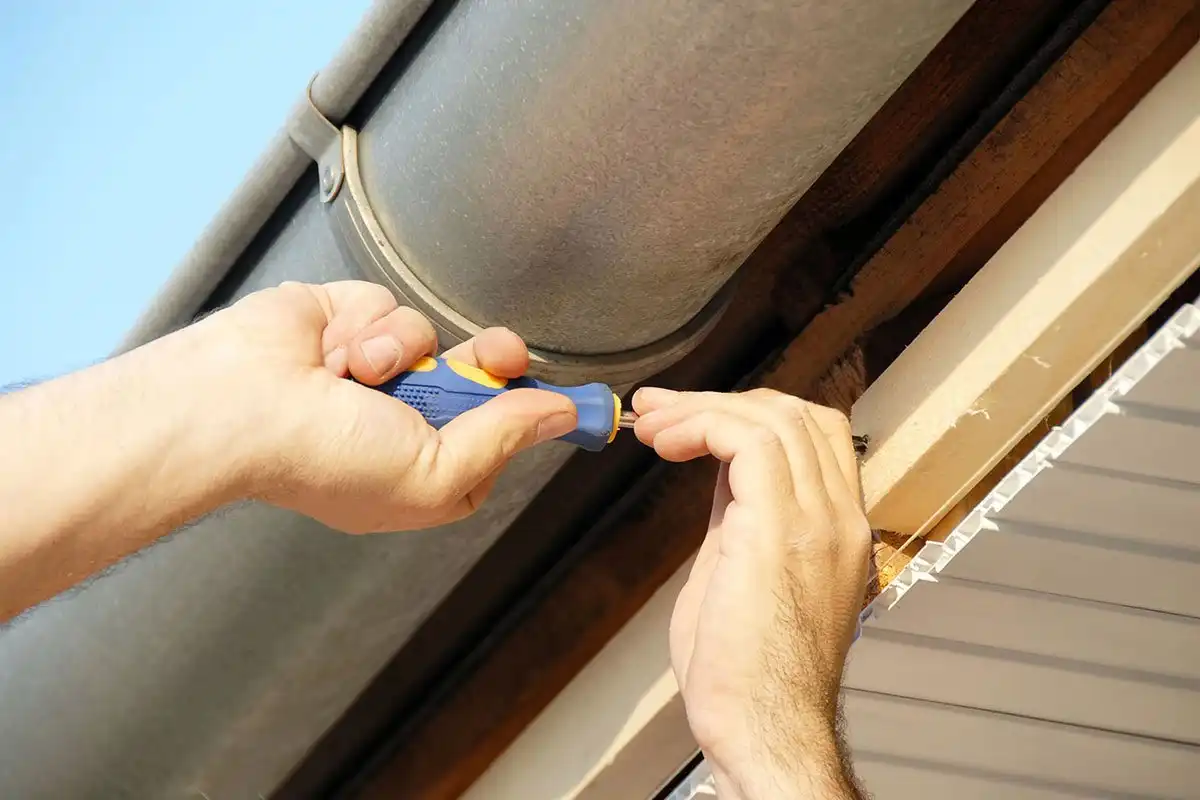
construction gutters system

Serving Homeowners In Placer

US Construction & Remodeling Corp. For this reason, helps Placer homeowners choose between DIY and a professionally installed gutter system by starting with clear measurements, material options, and a plan that prevents leaks. If you decide to hire a team, we focus on jobsite protection, clean installation, and a final water test before we leave.

Free estimate to get a clear scope and price. Also, If you would rather talk it through first, call +1 (916) 234-6696.

Trust And Workmanship Standards To Look For

  • Licensing and insurance: Ask for proof and keep it with your project notes.
  • Clear permit responsibility: Get it in writing when permits are necessary and who coordinates them.
  • Written scope: Look for a scope that lists materials, removal, protection, and cleanup.
  • Work verification: Insist on water testing and a walkthrough of seams, corners, and attachment points.
  • Verify credentials: You can check contractor licensing through the CSLB at Visit cslb.ca.gov.

Related Exterior Items That Often Come Up

If we find damaged fascia or deteriorated trim, it is smart to address it before new gutters go up. Homeowners also commonly pair gutter work with fascia board repair, soffit repair, and exterior trim touch-ups so everything seals and looks finished.

Two Simple Ways To Get Started

  • Online: Use the estimate form to request a written quote and preferred dates.
  • Phone: Call +1 (916) 234-6696 if you want to discuss DIY vs hiring before a visit.

Helpful Links

Frequently Asked Questions

DIY can be a good idea when the job is simple: single-story access, solid fascia, and a small repair or short replacement run. It gets risky when you have height, complex rooflines, or any wood repair needed behind the gutter.

If you feel unsure about ladder safety, measuring, or sealing corners, hiring a licensed team usually costs less than fixing leaks and replacing damaged trim later.

Many straightforward installations can be completed in a day by a professional crew. DIY often takes longer because you also need time for measurements, shopping, tool setup, and adjustments.

If permits are necessary for your scope, add time for review and scheduling. Exact timing depends on access, total length, and whether fascia repair is necessary.

The biggest cost drivers are not just the gutter material. They include access and safety setup, the number of corners and transitions, and any backing repairs.

  • Total gutter length and how many pieces are necessary
  • Home height and ease of access
  • Fascia repair before new gutters can mount
  • Guard style and complexity of installation

Permit requirements depend on the exact scope and where your property is located (city or unincorporated). Like-for-like replacement is sometimes treated differently than work that changes structural elements or related exterior components.

When a permit applies, Placer County often supports online permitting and tracking, but the right path can vary by jurisdiction. A contractor should confirm the requirements before materials are ordered.

For many homes, aluminum is the most practical choice because it resists rust and works well in seamless form. Steel can be strong, but it needs protection against rust. Copper is a premium option with a distinct look and higher cost. Vinyl can be budget-friendly, but it may not hold up as well over time.

The best choice depends on your budget, the look you want, and how much maintenance you are willing to do.

Ask for a written scope, proof of insurance, and a plan for protecting landscaping and cleanup. Make sure they explain how they will handle slope, seams, and water testing.

  • Verify licensing through the CSLB: Visit cslb.ca.gov
  • Confirm who coordinates permits when they are necessary
  • Ask what warranty is provided and what maintenance is expected

Licensed, insured & trusted local contractor

US Construction & Remodeling Corp.
4424 Freeport Blvd, Sacramento, CA, 95822
Phone: +1 (916) 234-6696

CSLB License #: 1117562 Fully licensed and insured.

View our Google Business Profile

Leave a comment

This website uses cookies to improve your web experience.
Explore
Drag