Skip links

Luxury Home Remodeling​

Planning a high-end remodel can feel exciting and stressful at the same time. If you’re considering luxury home remodeling, focus on the parts you can’t easily redo later: layout, waterproofing, electrical capacity, and the finishes you touch every day.

Quick checklist:

  • Define the scope and your must-have outcome (performance, budget, timeline).
  • Confirm what work is involved and the order of operations.
  • Finalize measurements and key selections before ordering long-lead materials.
  • Collect 2–3 quotes and compare line-by-line (scope, allowances, cleanup, warranty).
  • Create a simple schedule and pre-order the items that most often cause delays.

TL;DR: A great result comes from clear drawings, clear material selections, and quality checks you can see. If you’d like a quick scope check before you commit to design work, call +1 (916) 234-6696.

  • List must-haves and deal-breakers by room
  • Collect inspiration photos (and note what you don’t like)
  • Decide which walls, plumbing, or electrical locations must move
  • Pick priority materials early: cabinets, countertops, flooring, tile
  • Ask how changes are handled (a change order is a signed scope change)
  • Plan for storage and a “dust-safe” path through the home during work

Luxury Home Remodeling​: Quality, Safety, And Long-Term Value

Decision Why it matters Quick check 
Scope Defines what is included and prevents surprises. Write a line-item scope and allowances list. 
Site constraints Access and hidden conditions can change the plan. Check access and existing surfaces before work starts. 
Selections Long-lead items can drive the schedule. Confirm availability before starting. 
Permits Some scopes require approvals and inspections. Ask your city/county what applies to your project. 
  • Layered lighting: combine ambient (overall), also task (work zones), and accent (art/architecture).
  • Cleaner sight lines: rework circulation so rooms feel connected without losing privacy.
  • One hero surface per room: a stone slab, a feature tile wall, or rich wood used with restraint.
  • Custom storage: built-ins for pantry, linen, and media reduce clutter and protect finishes.
  • Quiet comfort upgrades: better venting and balanced HVAC (heating/air) make the home feel calm.
  • Durable flooring: engineered hardwood (real wood over a stable core) or quality porcelain tile for wear zones.
  • Water-smart wet areas: prioritize waterproofing behind tile and at transitions before you focus on the look.
  • Hardware you touch daily: soft-close hinges, solid pulls, and smooth door action elevate the feel fast.
  • Kitchen geometry that works: island, L-shape, U-shape, or galley layouts that match how you cook.
  • Prepared-in-advance wiring: plan outlets, data lines, and lighting controls while walls are open.

“Luxury” should mean more than expensive finishes. For this reason, It should feel better to live in, day after day. In luxury home remodeling, the long-term value comes from smart planning, safe installation, and materials that match your maintenance habits.

Who This Guide Is For

This approach fits homeowners who want the upgrade to feel intentional and last for years.

  • Multiple rooms updated with a consistent look
  • Layout changes done safely and permitted when required
  • Materials chosen for how you actually clean and live
  • A clear plan for selections so the schedule stays stable

Room Bundles That Plan Well Together

If you’re aiming for a cohesive look, it often helps to plan kitchen remodeling and bathroom remodeling decisions side-by-side, along with flooring, paint, trim, and lighting. For example, When the “touch points” match across rooms, the home reads as one finished project.

Before-And-After Example (Hypothetical)

Before: A beautiful home with a closed-off kitchen, a dim hallway, and a primary bath with a tub that never gets used. As a result, Storage spills into closets, and lighting comes from a few ceiling fixtures.

After: The kitchen shifts to an island-centered plan with better circulation, pantry storage, and layered lighting. Meanwhile, The primary bath becomes a walk-in shower (a shower with no step at the entry) with a dedicated drying area and safer traction. Finishes stay consistent across rooms so the home feels intentional, not patched together.

This kind of change doesn’t come from “nicer tile” alone. Additionally, It comes from clear layout decisions and quality checks behind the walls—exactly where luxury home remodeling earns its long-term value.

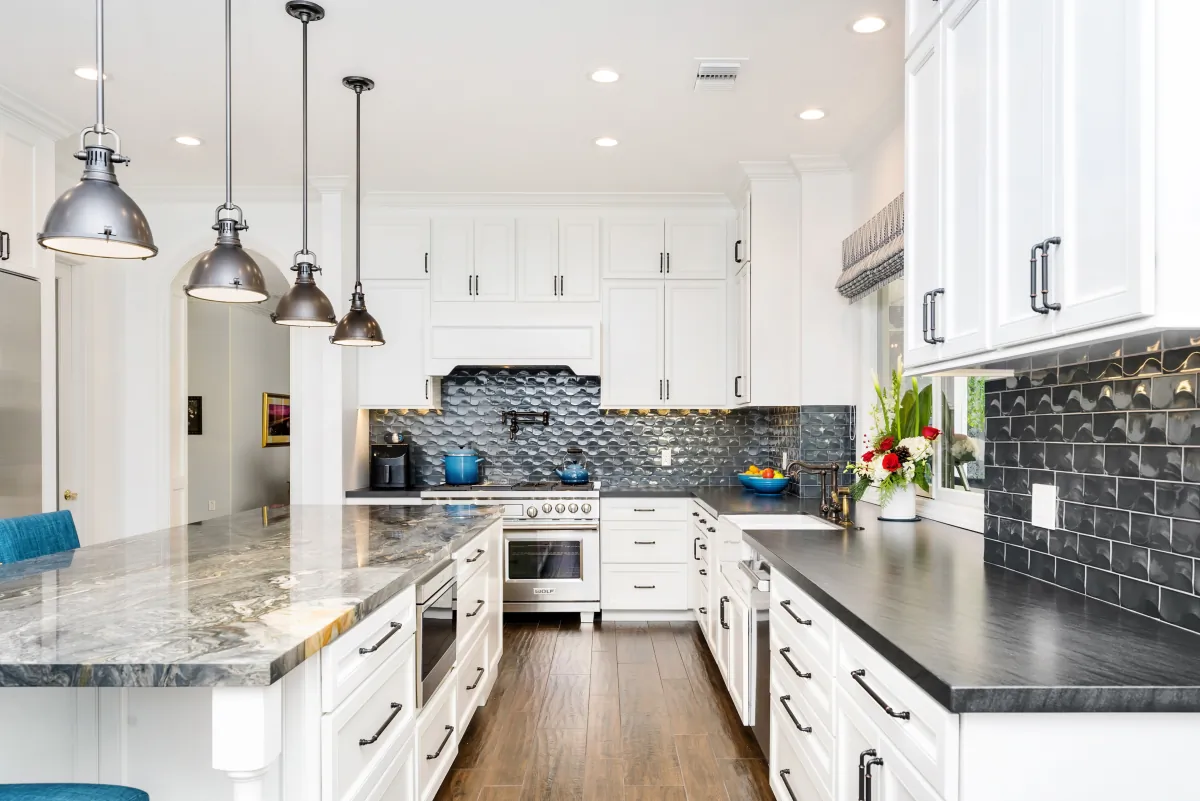
interior shot kitchen luxury home c construction cali

Quality Checks That Matter

High-end finishes highlight every flaw. Also, That’s why the hidden work and the verification steps matter as much as what you see on the final day.

Layout Planning That Matches Real Life

Layout is the fastest way to waste money if it’s wrong. In addition, Ask your contractor to review traffic flow, door swings, and the “work triangle” (the path between the sink, cooktop, and refrigerator) before anyone orders cabinets.

  • Galley layout: great for narrow spaces; keep clear paths so two people can pass without bumping hips.
  • L-shape layout: opens a room up; watch corner storage so you don’t lose usable space.
  • U-shape layout: maximizes counters; make sure you still have comfortable aisle width and natural light.
  • Island-centered layout: social and flexible; plan outlets, seating clearance, and a landing zone near the cooktop.

For bathrooms, tie layout to safety and cleanup. Overall, Place the vanity where you get good mirror lighting. Keep a dry zone for towels. If you want both a tub and a shower, confirm you have enough space so it doesn’t feel cramped.

Small-Space Layouts That Still Feel High-End

You can get a luxury look in tight spaces when every inch has a job. As a result, A pocket door (a door that slides into the wall) can free up vanity clearance. A wall-hung vanity can make the floor look bigger and easier to clean.

  • Use recessed niches for shower storage instead of bulky corner caddies
  • Choose a single, larger mirror to reflect light and reduce visual clutter
  • Run the same flooring into adjacent areas for a “bigger room” effect
  • Add a tall linen cabinet or built-in shelves to replace awkward freestanding furniture

Selections And Specs That Keep Bids Comparable

Luxury remodel pricing swings when plans stay vague. Overall, The fix is simple: define finishes and fixtures early, and write them down. A “finish schedule” is a list of materials, colors, and model numbers for each room. An “allowance” is a placeholder budget for items you have not selected yet.

  • Ask for a written estimate that lists what is included and excluded
  • Confirm brands, model numbers, and quantities for fixtures and appliances (when applicable)
  • Clarify how changes are priced; require a written change order before work changes
  • Request a payment schedule tied to milestones, not vague dates

Workmanship Checkpoints You Can See

Even with a great plan, you still need verification. “Rough-in” is the in-wall stage for mechanical, electrical, and plumbing (MEP) before drywall goes up. For example, That’s the best time to catch issues.

  • Ventilation runs to the correct location; bathrooms need exhaust that actually moves air
  • Wet areas use a waterproofing membrane behind tile, not just grout
  • Electrical includes the right protection for wet areas (GFCI) and planned lighting zones
  • Tile layout is mocked up so cuts land in sensible, balanced places

Materials And Maintenance Notes

Materials are where homeowners feel luxury immediately. They also determine daily maintenance. For example, Choose what looks good and matches the way you clean, cook, and move through the home.

Cabinet Door Styles And Construction

Door style changes the look, and box construction changes the lifespan. Overall, Here are common door styles you will see in luxury home remodeling plans:

  • Shaker: clean and versatile; works across modern and traditional homes.
  • Slab (flat-panel): modern and easy to wipe down; fingerprints show more on darker colors.
  • Inset: the door sits flush inside the frame; it looks refined but needs precise installation.

Ask what the boxes are made from and what hardware is used. As a result, Soft-close hinges and full-extension drawer slides are small upgrades you notice every day.

Durability Vs. Drama

Countertops take the most abuse. As a result, Think about heat, staining, and cleaning habits before you fall in love with a slab.

  • Quartz: consistent look and low upkeep; avoid direct high heat on the surface.
  • Granite: natural stone with good durability; periodic sealing may be needed.
  • Marble: classic and bright; it can etch (dull spots) from acids like lemon or vinegar.
  • Porcelain slab: large-format surface with strong stain resistance; seams and edge detailing need careful planning.

Flooring Choices For A Busy Household

Flooring sets the tone. It also determines noise, comfort, and future repairs.

  • Engineered hardwood: real wood over a stable core; often handles wider planks better than solid wood.
  • Solid hardwood: timeless; it can move with moisture, so manage humidity and spills.
  • Porcelain tile: durable and water-friendly; choose slip resistance for baths and entries.
  • LVP (luxury vinyl plank): water-resistant and cost-effective; quality varies, so compare wear layers.

Tile, Grout, And Wet-Area Care

Grout is not waterproof. It is a fill material. For example, The waterproof layer sits behind the tile.

  • Use grout and caulk in the right places; corners and transitions typically need flexible sealant
  • Keep a squeegee in the shower to cut down on hard-water buildup
  • Clean with pH-neutral cleaners on natural stone to avoid dulling the surface

Ambient, Task, Accent

Lighting is one of the most affordable ways to make a luxury space feel finished.

  • Ambient lighting: general room light (recessed, surface fixtures) for safe movement.
  • Task lighting: focused light where you work, like under-cabinet kitchen lights or vanity lights.
  • Accent lighting: highlights art, texture, or architectural details; great for niches and shelves.

Add dimmers where it makes sense so the room feels calm at night and bright when you need it.

Maintenance Tips That Protect Your Investment

Good maintenance is simple when you set up the right habits from day one.

  • Wipe spills quickly on natural stone and re-seal when the manufacturer recommends it
  • Use cutting boards and trivets; even tough surfaces can chip at edges
  • Clean grout lines regularly to prevent discoloration in wet areas
  • Check caulk at tubs, showers, and backsplashes and refresh it before water gets behind finishes

Value & ROI (General Guidance)

A luxury remodel can improve resale appeal, and in luxury home remodeling the best value comes from function you can feel every day. Meanwhile, Buyers notice great light, clean transitions, and layouts that make sense.

Choices That Tend To Hold Value

  • Kitchen remodeling upgrades that improve storage, lighting, and appliance layout
  • Bathroom remodeling upgrades that improve ventilation, waterproofing, and safe footing
  • Consistent flooring and trim for a cohesive “whole-home renovation” feel
  • Energy-smart improvements that reduce drafts and improve comfort (without over-customizing)

Where To Be Cautious

  • Trendy materials that require high maintenance for daily life
  • Ultra-personal design choices that make rooms hard to use for the next owner
  • Cutting corners on permits and inspections; missing paperwork can slow a future sale

Timeline And Expectations

Timelines swing based on decisions, lead times, and whether the scope changes midstream. Additionally, A good plan reduces surprises, but you should still expect some variability—especially when permits and specialty materials are involved.

Budget Ranges And Timeline (Typical)

  • Design and selections: often 4–10 weeks, depending on how many rooms and how custom the finishes are.
  • Permits and plan review: vary by jurisdiction and scope; structural changes usually take longer than surface upgrades.
  • Construction: a focused room update can take several weeks; larger luxury home remodeling projects commonly run a few months.
  • Investment level: high five figures to six figures+ is common once layouts change, custom work increases, or systems are upgraded.

A Quick Table Of Common Cost Drivers

Use this as a scanable reference when you compare options.

DecisionWhat it affectsWhat to confirm
Moving walls or plumbingPermits, schedule, hidden workStructural needs, venting, access for inspections
Custom vs. semi-custom cabinetsLead times, fit, storageBox material, hardware, and finish durability
Natural stone vs. engineered surfacesUpkeep, stain and etch riskSealing needs and daily cleaning routine
Lighting and electrical upgradesComfort, safety, future flexibilityPanel capacity, circuits, and lighting zones

Ways To Keep The Schedule Moving

Most delays come from late decisions or incomplete information. These habits help.

  • Confirm layout early before you order cabinets, tile, or stone
  • Finalize major finishes before placing special-order items and scheduling trades
  • Agree on working hours, site access, and where materials will be staged
  • Keep communication simple: one point of contact and written approvals for changes

Custom cabinet installation during kitchen remodeling process by professional contractor

Book A Free Estimate In Sacramento

US Construction & Remodeling Corp. Also, helps homeowners plan and deliver luxury home remodeling projects with clear scope, practical material guidance, and workmanship checkpoints you can verify. We keep the conversation straightforward so you can make decisions with confidence, whether your project is a kitchen remodel, a primary bath upgrade, or a broader whole-home update.

Request a written estimate online. Share the details below so pricing stays accurate and avoids vague assumptions.

What To Have Ready For Pricing

  • Photos of the current space (wide shots and closeups)
  • Rough measurements (room size and ceiling height)
  • Your priorities: must-haves, nice-to-haves, and deal-breakers
  • Material preferences (cabinet style, countertop type, flooring, tile)
  • Any inspiration images that show the look you want

Prefer a quick conversation first? Call +1 (916) 234-6696.

Sacramento Permitting Note (City Addresses)

If your home is within Sacramento city limits, many residential permits and plan review steps run through an online portal (Accela Citizen Access). Other addresses may fall under county or another jurisdiction, so the steps and timelines can vary. Either way, treat permits as part of the plan—not an afterthought.

Trust And Accountability Checklist

  • Licensing and insurance: ask for current documents and confirm the contractor is active for the trade and scope.
  • Permits and inspections: clarify who pulls permits, schedules inspections, and closes the permit when the work is done.
  • Communication: set expectations for updates, site access, and how questions get answered during rough-in and finish work.
  • Workmanship verification: use a walkthrough checklist, and keep product specs for surfaces, fixtures, and waterproofing systems.

Helpful Links

Frequently Asked Questions

Luxury usually combines layout improvements, premium finishes, and hidden upgrades that improve comfort and safety. The right scope depends on how you live in the home.

  • Layout changes (openings, islands, better circulation)
  • Upgraded cabinetry and built-in storage
  • Surface upgrades (tile, stone, flooring) with proper prep underneath
  • Layered lighting with dimmers and stronger task lighting
  • System upgrades when needed (HVAC, electrical, plumbing)

Often, yes—especially if you change structure, move plumbing or electrical, replace windows/doors, or add new fixtures. Cosmetic-only work may not require permits, and the rules vary by city and county.

  • Ask who will pull permits and schedule inspections
  • Keep copies of approved plans and final inspections for your records

The biggest cost drivers usually come from complexity, not just nicer materials.

  • Moving walls, plumbing, or electrical (more trades and more inspections)
  • Custom cabinetry and specialty storage
  • Large-format tile or slab surfaces that require stronger prep and handling
  • Upgrading electrical capacity, HVAC, or ventilation
  • Lead times for special-order materials and fixtures

It depends on scope, permitting, and material lead times. A solid plan keeps the schedule stable, but changes mid-project almost always add time.

  • Design and selections: often several weeks
  • Permits/plan review: varies by jurisdiction and complexity
  • Construction: typically a few months for larger, multi-room scopes

Some finishes look incredible but demand more care. Choose them only if the upkeep matches your routine.

  • Marble countertops (can etch from acidic cleaners and foods)
  • High-gloss cabinetry (shows fingerprints and scratches more easily)
  • Very dark matte finishes (can show water spots and soap residue)
  • Light grout in wet areas (needs regular cleaning to stay bright)

Compare estimates like a checklist, not a single number. You want the same scope, the same materials, and the same assumptions.

  • Confirm what is included and excluded in writing
  • Review allowances and ask what quality level they assume
  • Ask how change orders are priced and approved
  • Clarify permit responsibility and inspection scheduling
  • Ask for a milestone-based payment schedule

Licensed, insured & trusted local contractor

US Construction & Remodeling Corp.
9821 Business Park Dr, Sacramento, CA, 95827
Phone: +1 (916) 234-6696

CSLB License #: 1117562 Fully licensed and insured.

View our Google Business Profile

Leave a comment

This website uses cookies to improve your web experience.
Explore
Drag