Choose A Style Direction (Modern, Warm, Classic) For Bathroom Decor
A style direction is your filter. For this reason, It keeps purchases consistent and prevents the “new vanity + old everything else” look. In addition, Pick one lane, then choose finishes that support it.
Modern
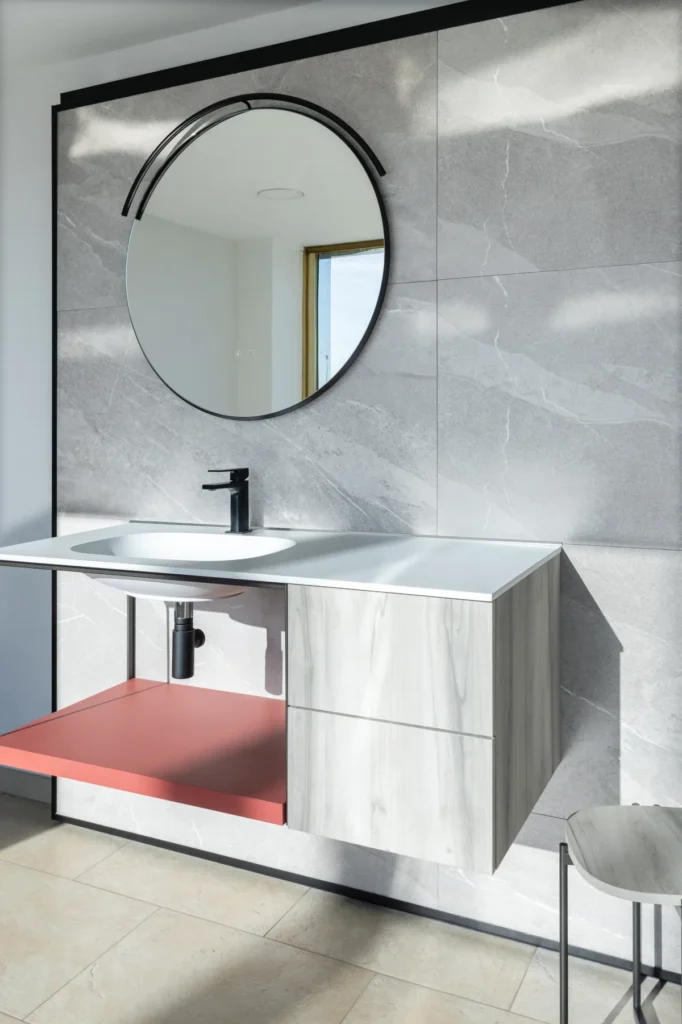
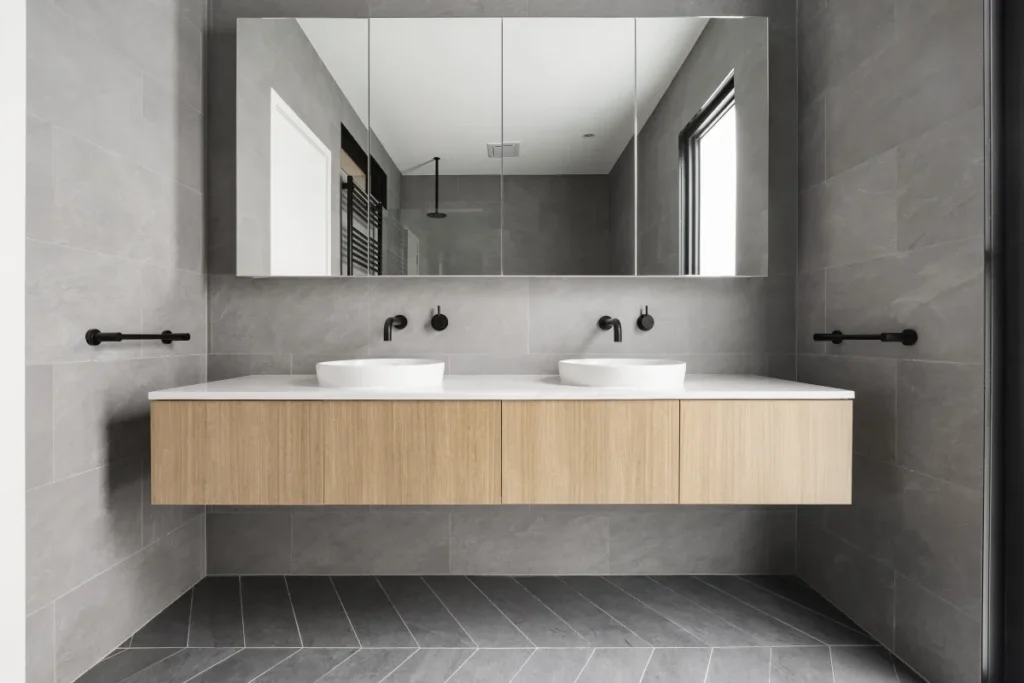
Modern bathrooms look crisp because they simplify shapes and limit finishes. Meanwhile, Think slab or flat-panel vanity doors, large-format tile, minimal trim, and one metal finish (often chrome or matte black).
Warm
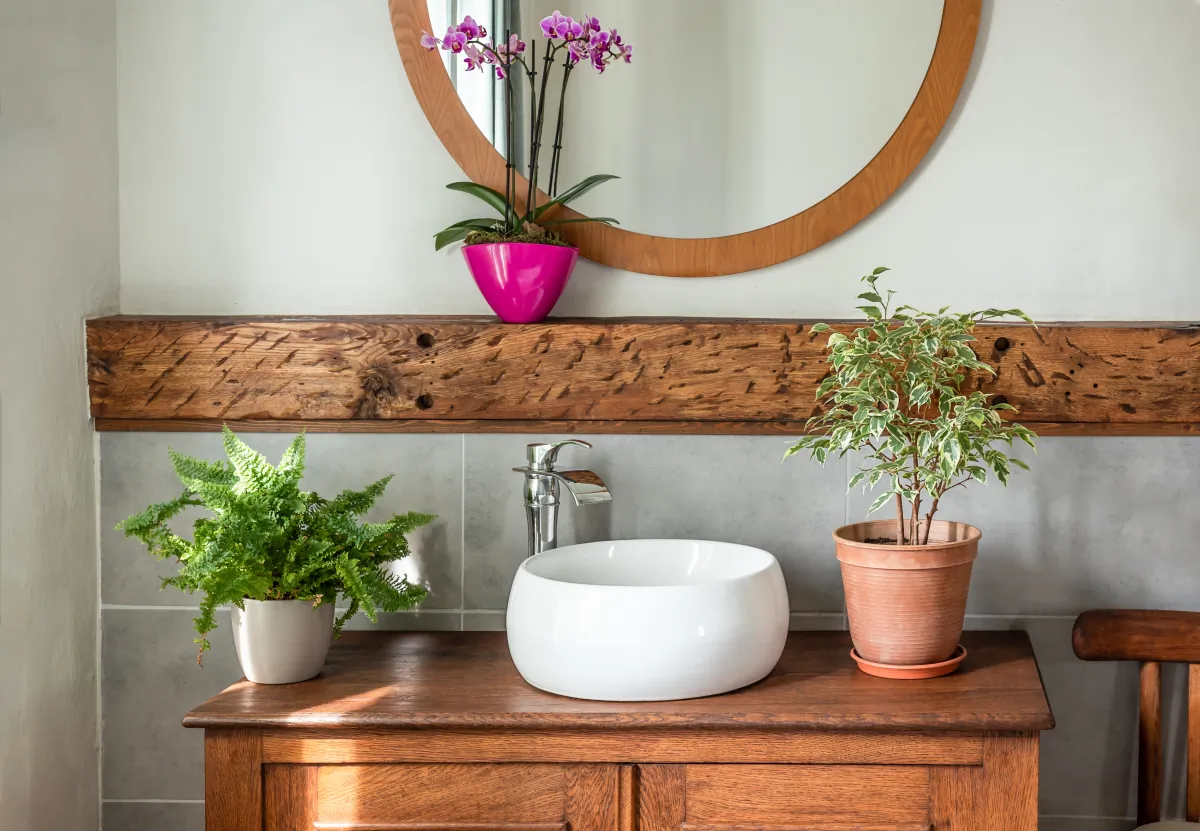
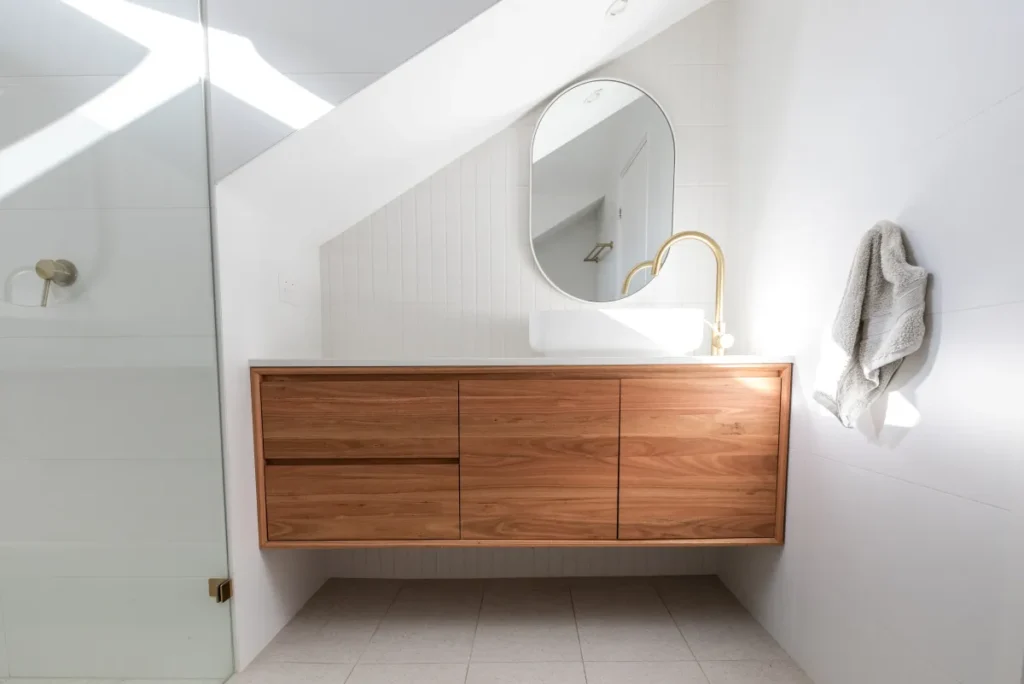
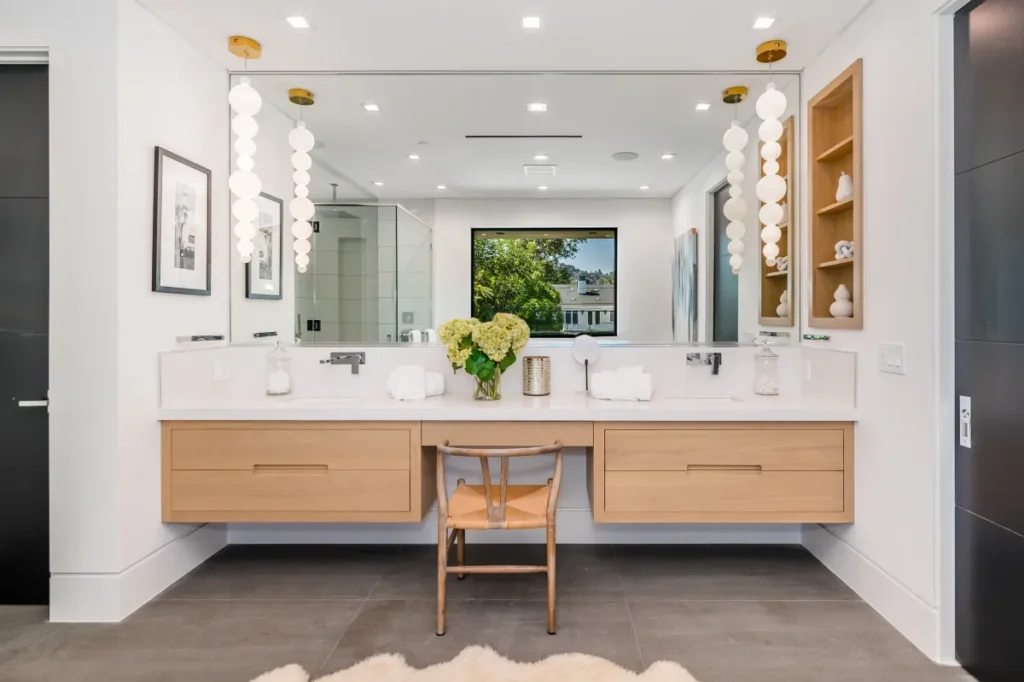
Warm bathrooms feel inviting without becoming busy. Overall, Wood tones, soft whites, brushed metals, and textured tile do the heavy lifting. A warm style also pairs well with matte surfaces that hide water spots.
Classic
Classic bathrooms lean on familiar proportions: Shaker or recessed-panel doors, stone-look tile, and polished or brushed nickel. Additionally, Keep patterns subtle so the room still feels current years from now.
Materials Deep Dive (What Holds Up)
- Cabinet door styles: Shaker suits most homes, slab feels modern, and raised-panel reads traditional. Also, Choose based on the style lane you picked.
- Countertops: quartz is popular for durability, porcelain slabs handle heat and stains well, and solid-surface can offer seamless sinks for easier cleanup. In addition, Natural stone looks great, although it may need more upkeep.
- Flooring: porcelain tile is a go-to for wet areas; luxury vinyl plank can be comfortable underfoot if you choose a waterproof, slip-resistant option. Also, Natural stone is beautiful, yet it often needs sealing and gentler cleaners.
- Fixtures: match shower trim, faucet, and accessories to the same finish for a calmer look. As a result, If you mix finishes, keep it to two and repeat both at least twice.
Layouts That Improve Flow And Storage
When a bathroom feels decorated but stressful, the layout usually needs help. For example, Small shifts—vanity depth, door swing, storage placement—can make the same square footage feel bigger.
Small-Space Layouts That Work (And When To Use Them)
- Galley: common in narrow bathrooms; keep the walkway clear with a slimmer vanity and wall-mounted storage.
- L-shape: place the vanity on one wall and the wet zone (tub/shower) on the adjacent wall to open the center.
- U-shape: works in slightly wider rooms; fixtures sit on three sides, so choose visually light finishes to avoid a boxed-in feel.
- Island-centered (centerpiece layout): in larger primary baths, a freestanding tub can act as the “island,” with vanities and storage around the perimeter.
Storage Optimization Without Adding Clutter
- Prioritize drawers: deep drawers for hair tools and toiletries beat one large cabinet space.
- Go recessed where possible: a recessed medicine cabinet or shower niche adds storage without shrinking the room.
- Use vertical space: a slim linen tower or open shelf above the toilet can hold baskets and towels.
- Plan towel storage: hooks and bars near the shower reduce piles on the vanity.
- Keep a landing zone: a small tray or shelf for daily items prevents the whole counter from becoming storage.
Quick Decision Table
| Choice | Why it matters | Often affects |
|---|
| Moving plumbing | Enables a better layout, but adds complexity | Budget, timeline, permits |
| Tile coverage (feature vs full) | Changes the room’s finished feel | Material cost, install time, grout upkeep |
| Vanity size and storage | Controls counter clutter and daily function | Coordination with plumbing/electrical |
| Lighting plan (layers + dimming) | Improves comfort and makes finishes look better | Electrical work, fixture lead times |
Finishes That Look Good Longer (Practical Picks)
Bathrooms see steam, splashes, and cleaning products. For example, Pretty finishes can still be practical when you choose them with water exposure and maintenance in mind.
Practical Picks That Age Well
- Porcelain in wet zones: durable and consistent, with stone and concrete looks that don’t feel trendy.
- Grout color that matches tile: it can hide staining better than bright white grout, especially on floors.
- Matte or brushed hardware: often hides fingerprints and water spots better than high-polish finishes.
- Bathroom-rated paint: use moisture-resistant paint where recommended and keep caulk lines clean and minimal.
- Ventilation you’ll actually use: a quiet fan and a timer switch make it easier to run long enough after showers.
Maintenance Tips That Protect The New Look
- Use pH-neutral cleaners on stone and grout; harsh acids can dull surfaces.
- Squeegee shower glass a few times a week to reduce mineral buildup and soap scum.
- Re-caulk small gaps early; small repairs prevent bigger water issues later.
- Wipe hardware dry after deep cleaning to keep finishes consistent.
Small Details That Change The Feel (Lighting/Hardware)
Details matter most at eye level: mirrors, lighting, and hardware. As a result, Done well, they make a basic remodel feel intentional without adding clutter.
Ambient, Task, Accent
- Ambient: even overhead light for the whole room (recessed or a ceiling fixture).
- Task: mirror-area lighting for shaving, makeup, and skincare; sconces at the mirror are often more flattering than one bar above.
- Accent: a dim night light, toe-kick lighting, or niche lighting for a softer feel in the evening.
Hardware And Accessories That Look Built In
- Match accessory lines (towel bars, hooks, paper holder) so the room reads cohesive.
- Repeat one or two shapes (round or square) across faucets, mirrors, and pulls.
- Choose a shower glass style (framed, semi-frameless, frameless) that fits your maintenance tolerance.
Resale And ROI Priorities (Without Overbuilding)
Decor decisions can support resale value when they stay broadly appealing. In addition, Neutral tile, reliable storage, and comfortable lighting usually attract buyers, while highly specific colors or busy patterns can narrow the audience.
- Spend on what you touch daily: vanity storage, shower experience, and lighting quality.
- Keep the palette calm: let textiles and art carry color so future owners can update easily.
- Choose durable finishes: fewer repairs and less staining help the room present well over time.
A Straightforward Remodel Sequence (So You Know What’s Coming)
- Site visit and measurements, plus a quick discussion of what you want to change and what must stay.
- Selections for the big three: vanity, tile, and fixtures, so the look and budget stay aligned.
- Written scope and schedule, along with a plan for protecting floors and controlling dust.
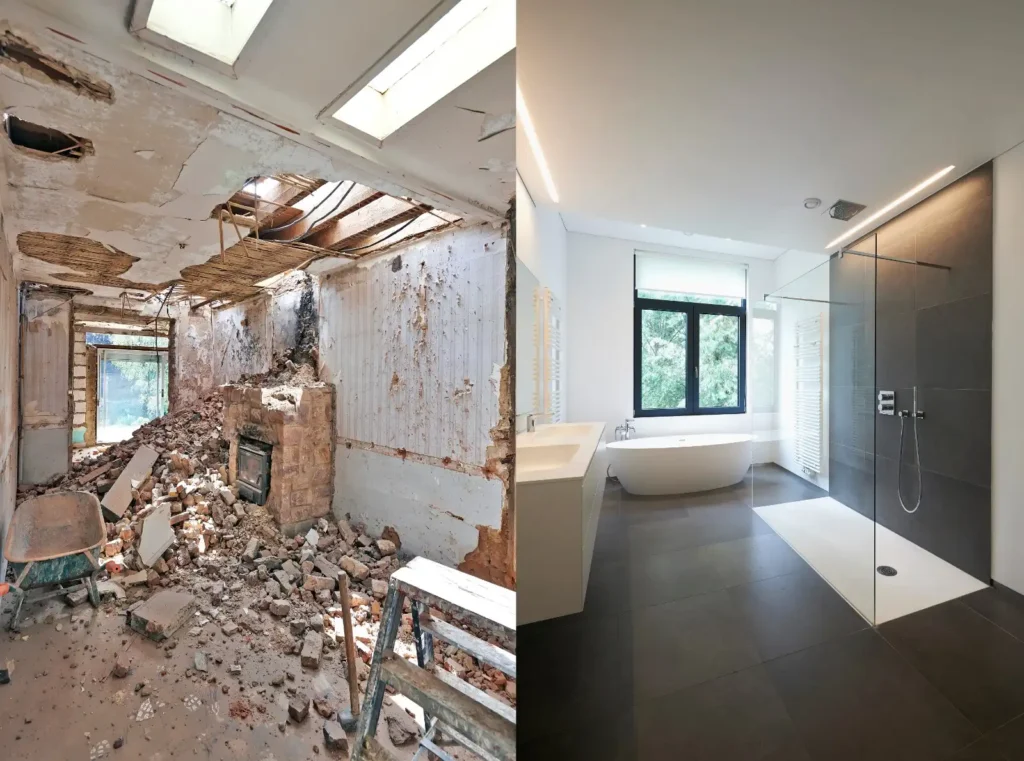
- Demolition and prep, followed by any plumbing/electrical updates.
- Waterproofing and tile work in wet areas, then paint and trim.
- Set fixtures, mirrors, lighting, and accessories; then test everything.
- Final walkthrough and punch-list items; permits/inspections are handled as required by the local jurisdiction.