Metal Roofing Panels: Planning Guide for California
Choosing a roof is a long-term decision, and metal roofing panels are on the shortlist for many California homeowners who want crisp lines and dependable protection.
This guide walks through panel options, contractor selection, and a realistic project roadmap so you can plan around permits, material lead times, and day-to-day life at home.
TL;DR: Match the panel style to your roof shape and slope, then insist on a detailed written scope you can compare. Build your calendar around permitting (when required) and product lead times; the on-site install is often the shortest phase. Clear documentation protects your budget now and resale value later.
Quick Checklist:
- Choose a panel profile (standing seam or exposed-fastener) that fits your roof slope and the look you want.
- Decide on color/finish early and confirm matching trim pieces are available.
- Get a written scope that covers tear-off, property protection, cleanup, and change approvals.
- Confirm who handles permits and inspection scheduling if your jurisdiction requires them.
- Ask how the crew will plan seams and penetrations so the roof looks intentional.
- Set expectations for the schedule: lead time, start window, and daily work hours.
If you’re collecting bids, use the sections below as a quick “compare list” before you sign.
Why Homeowners Hire Help For Metal Roofing Panels
| Decision | Why it matters | Quick check |
|---|---|---|
| Material system | Affects lifespan, cost, and appearance. | Confirm shingle/tile type, underlayment, and warranty. |
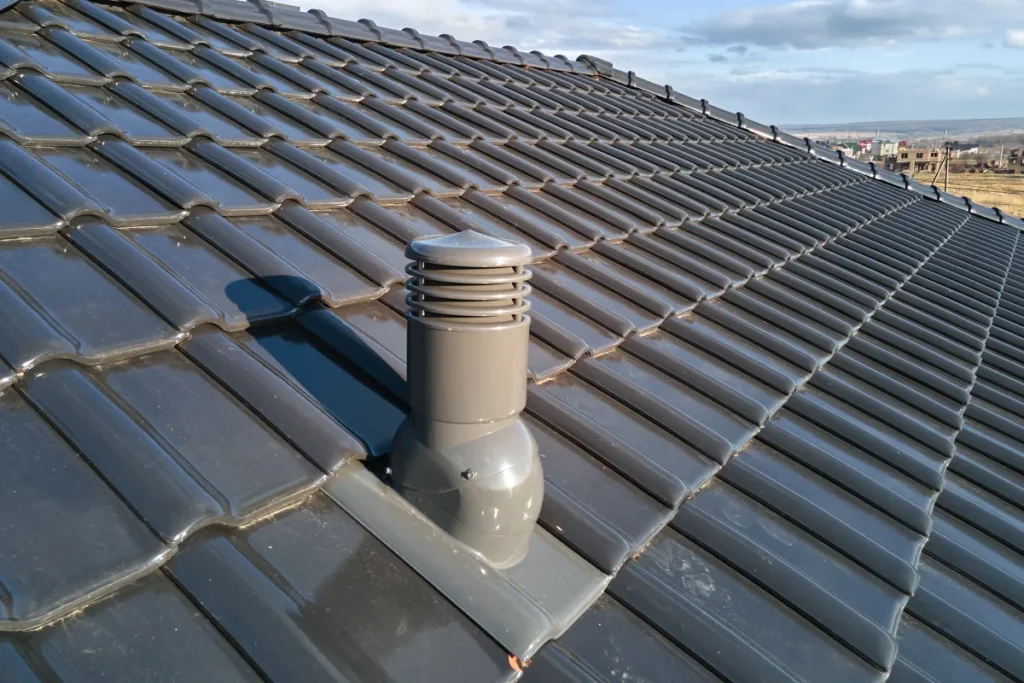
| Flashing & penetrations | Most leaks start at edges and penetrations. | Specify flashing at chimneys, vents, and valleys. |
| Ventilation | Controls heat/moisture and protects decking. | Confirm intake/exhaust balance and vent types. |
| Tear-off & decking | Hidden damage can change cost and timeline. | Include an allowance and photo documentation. |
Metal panel roofs look clean and simple from the curb, yet the work on the roof is precision-driven. For example, Many homeowners choose metal roofing panels for the look and long service life, but the details decide how well the roof performs over time.
Common Reasons Homeowners Bring In A Pro
- Safety on steep slopes and high edges, also including proper fall protection.
- Accurate measuring and ordering so you don’t get stuck waiting on a missing trim piece.
- Clean detailing around chimneys, skylights, and pipe penetrations so water sheds where it should.
- A fastening plan that matches the panel type and local wind conditions.
- Protection for landscaping, driveways, and HVAC equipment during tear-off and install.
- One accountable point of contact for schedule changes and closeout documentation.
Resale And ROI Priorities
Homeowners often ask whether a metal roof pays off at resale. Additionally, Market conditions vary, yet you can make choices that tend to age well and keep the project easy to understand for a future buyer.
- Choose a timeless color and finish that fits the home’s exterior and neighborhood.
- Keep product sheets, color codes, and invoices in a home file for future maintenance.
- Pay attention to visible edges and transitions so the roof looks intentional, not patched together.
- Address attic moisture control and ventilation balance so the system performs as designed.
Maintenance After Installation
Metal roofs are low-maintenance, not no-maintenance. In addition, A short routine helps you protect the finish and catch issues early.
- Clear leaves and debris from valleys and gutters so water drains freely.
- After major wind or tree work, do a visual check for dents or scratches and handle touch-ups quickly.
- Keep dissimilar metals from sitting against the panels to reduce corrosion risk.
- Schedule periodic roof inspections to confirm fasteners, sealants, and trim remain tight and intact.
Related Roof Work To Plan Together
If your home needs more than a roof replacement, coordinate it in one scope so timelines don’t compete. As a result, Common pairings include a roof inspection for leak tracing, roof repair for damaged decking, gutter replacement, and skylight replacement when units are near end of life.
How To Choose The Right Contractor
The lowest number on paper doesn’t always lead to the best roof. For this reason, Compare contractors based on what they put in writing, how they communicate, and whether they can explain their plan without vague promises.
Bid Comparison Checklist (What To Get In Writing)
- Panel profile and finish (standing seam or exposed-fastener, plus coating/color).
- What’s included in tear-off, debris hauling, and daily site cleanup.
- How the crew will protect landscaping, driveways, and access points.
- Who is responsible for permits and inspection scheduling, if required.
- How hidden damage is handled (for example, decking repairs) and how change orders get approved.
- Warranty details from the product manufacturer and workmanship coverage from the installer.
Questions That Reveal Real Experience
- How will you plan panel direction and seam locations around skylights and penetrations?
- What’s your approach for panel expansion and contraction on long runs?
- Who will be on-site each day, and who do I call if something changes?
- Can you share recent job photos of similar roof shapes, not just brochure images?
Scope Items That Are Easy To Miss
Some homes need more than a roof swap. Meanwhile, If you suspect attic moisture issues, gutter problems, or prior leaks, bring it up early so the scope stays complete and pricing stays honest.
Planning To Completion
A smooth project with metal roofing panels starts before materials arrive. Overall, A clear roadmap keeps the work moving and reduces surprises once the existing roof comes off.
How A Panel-Roof Project Typically Runs
- On-site assessment and measurements, including roof access and safety planning.
- Product selection: panel type, finish/color, trim style, and any debris-control accessories.
- Written scope and schedule draft so you know what happens each day.
- Permit submission and plan review where your jurisdiction requires it.
- Material ordering and delivery coordination to avoid panels sitting exposed.
- Site setup: landscaping protection, staging areas, and debris management.
- Installation, detail work at transitions and penetrations, plus daily cleanup.
- Closeout: final cleanup, required inspections, and homeowner documentation.
Panel Layout Planning (Before Materials Arrive)
Panel roofing rewards good layout. Also, Your contractor should plan seam direction, panel lengths, and cut locations so the roof looks intentional and sheds water cleanly.
- Match panel type to roof slope and roof geometry, not just aesthetics.
- Plan penetrations early so accessories look integrated instead of “added on.”
- Reduce waste by planning where cutoffs land, especially on highly visible elevations.
Small Or Complex Roof Layouts
Not every home is a simple rectangle. Meanwhile, Dormers, hips, valleys, and tight side yards can add labor and require more precise detailing.
- More roof facets usually means more trim pieces and more time on the roof.
- Tight access can change staging plans and how materials move onto the roof.
- Skylights and chimneys may require custom-fabricated pieces to keep lines clean.
Jobsite Staging And Material Storage
Metal panels can scratch or bend if they’re handled poorly. Additionally, Good contractors plan material drop-off and storage to protect the finish and keep your property usable during the job.
- Choose a delivery spot that keeps panels flat, dry, and out of high-traffic areas.
- Set a dedicated staging lane for ladders and equipment so walkways stay clear.
- Use debris bins and daily pickup habits to reduce nails and sharp scraps on the ground.
Budget & Timeline (Typical)
Pricing varies widely for metal roofing panels, even for homes that look similar from the street. For this reason, The biggest swings usually come from roof size, complexity, access, and how much prep work is necessary once the existing roof is removed.
Budget Ranges And Timeline (Typical)
- Planning moves fastest when you decide on panel type and finish early.
- Permitting and plan review times vary by city and county; that window can be longer than the on-site work.
- On-site installation often runs from several days to a couple of weeks for a typical home, depending on complexity and weather.
- Material lead time can drive the schedule for specific colors, gauges, or custom trim.
Key Decisions At A Glance
| Decision or condition | Cost impact | Schedule impact |
|---|---|---|
| Roof complexity (valleys, dormers) | More detail labor and trim | More roof time |
| Access (tight lot, steep pitch) | More safety and staging | Slower material handling |
| Panel style (standing seam vs exposed-fastener) | Different labor and accessories | Different layout time |
| Tear-off and hidden damage | Potential decking repairs | May extend the job |
| Permits and inspections | Fees vary by jurisdiction | Adds lead time |
If two proposals are far apart, ask what’s missing instead of assuming you found a bargain. For this reason, A complete scope makes schedules easier to follow and protects your home.

How We Help In Sacramento
US Construction & Remodeling Corp. For example, helps Sacramento homeowners plan and install metal roofing panels with a clear scope, a realistic schedule, and straightforward communication from selection through closeout.
Want to map your timeline and next steps before you commit? For example, Book a planning call and we’ll review your roof, talk through panel options, and outline the permitting and build sequence.
Prefer to talk it through on the phone? Call +1 (916) 234-6696.
Sacramento Permitting And Timing
Permit requirements depend on scope and address. Additionally, In Sacramento, permitting and plan review typically run through the City of Sacramento Community Development portal (Accela Citizen Access); applications, payments, and status tracking are online. Also, When permits apply, we coordinate the submittal details and keep your calendar aligned with plan review and inspections.
Trust And Accountability Checklist
- Licensing and insurance: Confirm the contractor is properly licensed and insured for the scope, and request current proof before work starts.
- Permits: Get it in writing who pulls the permit and who schedules inspections when required.
- Communication: Expect a start window, progress updates, and a clear path for questions and change approvals.
- Workmanship verification: Ask for photo updates of critical details, keep product documentation, and confirm cleanup standards (nail sweeps, debris hauling, and property protection).
Company Contact (NAP)
Helpful Links
Frequently Asked Questions
Calendar time depends on planning, permits (when required), and material lead time. Once work starts on-site, many homes take several days to a couple of weeks, depending on roof complexity, access, and weather.
- Ask for a written start window and a day-by-day outline.
- Confirm how unexpected deck repairs or material backorders are handled.
The biggest cost drivers usually come down to labor and details, not just the panels themselves. Roof size matters, but complexity and access can change pricing quickly.
- Roof shape: valleys, dormers, and multiple facets add detail time.
- Panel type and finish: standing seam often installs differently than exposed-fastener panels.
- Tear-off and disposal needs, plus any deck repairs uncovered.
- Custom trim, penetrations, and accessory pieces.
- Permit and inspection requirements in your jurisdiction.
Many cities and counties require a building permit for roof replacement, even when you’re using the same roof line. Rules vary by jurisdiction and by scope, so the safest move is to confirm with your local building department before work begins.
In Sacramento, applications and status tracking often run through the City of Sacramento Community Development portal (Accela Citizen Access), which helps keep paperwork and scheduling organized.
Both can be a good fit, but they serve different priorities. Standing seam systems hide fasteners and deliver a clean, modern look. Exposed-fastener panels can be a practical option for certain roof shapes and budgets.
- Appearance: standing seam looks smoother and more architectural.
- Detailing: roof penetrations and transitions may drive the decision either way.
- Budget: labor and accessory requirements can differ by system.
Sometimes, but it’s not a one-size-fits-all answer. Local code requirements, manufacturer instructions, roof condition, and trapped moisture risk all matter.
Many homeowners choose a full tear-off so the contractor can inspect the deck, correct problem areas, and install a clean base for the new panels.
Start with the basics, then dig into how the contractor plans the details. A solid contractor will welcome questions and put answers in writing.
- Verify proper licensing and insurance for the scope.
- Get a written scope with materials, protection, cleanup, and change-order rules.
- Clarify who handles permits and inspection scheduling when required.
- Ask who will be on-site each day and how updates will be delivered.
- Request recent project photos of similar roof shapes and panel styles.
Licensed, insured & trusted local contractor
US Construction & Remodeling Corp.
9821 Business Park Dr, Sacramento, CA, 95827
Phone: +1 (916) 234-6696
CSLB License #: 1117562 Fully licensed and insured.
Service info for Sacramento
For the complete overview of process and planning in Sacramento, visit Roofing Remodeling (Landing Page).