Skip links

Coffee Shop Build-Out Contractor (Sacramento): Checklist

Managing a tenant improvement in Sacramento means balancing landlord rules, inspections, and a firm opening date. This checklist helps facility and property teams select a coffee shop build out contractor that can plan access, coordinate trades. And keep downtime under control.

Quick checklist:

  • Define the scope and your must-have outcome (performance, budget, timeline).
  • Confirm what work is involved and the order of operations.
  • Finalize measurements and key selections before ordering long-lead materials.
  • Verify license/insurance where required, and compare bids line-by-line (allowances, exclusions, change orders).
  • Create a simple schedule and pre-order the items that most often cause delays.

TL;DR: Clean bids come from a complete scope, an equipment list that is actually final, and a realistic phasing plan. Align permits, inspections, and long-lead items before mobilization so the schedule does not drift.

  • Collect the landlord work letter, building rules, and utility contacts
  • Share a scaled plan (or measured sketch), photos, and known MEP constraints
  • Lock the equipment list and cut sheets (espresso, refrigeration, water filtration)
  • Define operating hours, noise limits, and any after-hours work windows
  • Ask who will manage permits/inspections and how holds affect the calendar
  • Require a closeout package: warranties, O&M info, and final sign-offs

Timeline Checklist For Facility Teams For Coffee Shop Build Out Contractor

When a cafe tenant improvement slips, the cause usually is not one trade. Additionally, Most delays come from missing scope details, access constraints, or inspection timing that nobody mapped. In addition, Use the checkpoints below to compare proposals from each coffee shop build out contractor, set expectations. And keep the build-out aligned with building operations.

Who This Checklist Is For

  • Facility and property managers coordinating landlords, also tenants, and vendors
  • General contractors and project managers inheriting a partially defined scope
  • Business owners opening a tenant space with limited downtime tolerance

Pre-Bid Screening (Before The Site Walk)

  • Verify licensing status and business standing for every bidder (use the CSLB license check for California).
  • Request a current Certificate of Insurance and confirm it matches the contract requirements for your property.
  • Ask for recent references on comparable commercial tenant improvements (similar hours, similar inspection path, similar equipment).
  • Confirm who manages subtrades (electrical, plumbing, HVAC, fire/life safety) and who owns submittals and lead times.
  • Ask what information they need to price accurately and what their typical proposal turnaround looks like once the package is complete.
  • Set expectations for closeout documentation (warranties, O&M manuals, as-built markups, and lien releases).

Red Flags That Create Rework Or Downtime

  • Pricing based on a conversation only, with no written scope, clarifications, or exclusions.
  • No plan for inspection holds or for how work pauses will be managed when an inspection is pending.
  • Pressure to rough-in equipment before receiving cut sheets and utility requirements.
  • No plan to protect adjacent tenants: dust, noise windows, path-of-travel protection, and daily cleanup.
  • Avoidance of ADA and accessibility impacts on paths, counters, and restrooms until the very end.

Key Decisions That Drive Schedule And Cost

Decision areaWhat to confirm earlyWhat it affects
Existing MEP capacityPower, water, and drain locations vs. equipment needsDesign time, rough-in scope, potential utility upgrades
Equipment readinessFinal cut sheets, install requirements, and delivery datesRough-in accuracy, millwork dimensions, commissioning
Phasing and accessWorking hours, shutdown windows, loading and staging rulesLabor planning, noise/dust controls, downtime risk
Permit/inspection pathWhich permits apply and the expected inspection sequenceStart date certainty, hold points, closeout timing

For a deeper look at commercial beverage-service scopes, see Bar and Cafe Build-Outs.

Two Ways To Start (Pick What Fits Your Timeline)

  • Book online: Use Free estimate to get a site walk and a bid conversation on the calendar.
  • Call: Call +1 (916) 234-6696 when access is tight or when you need to align with building management quickly.
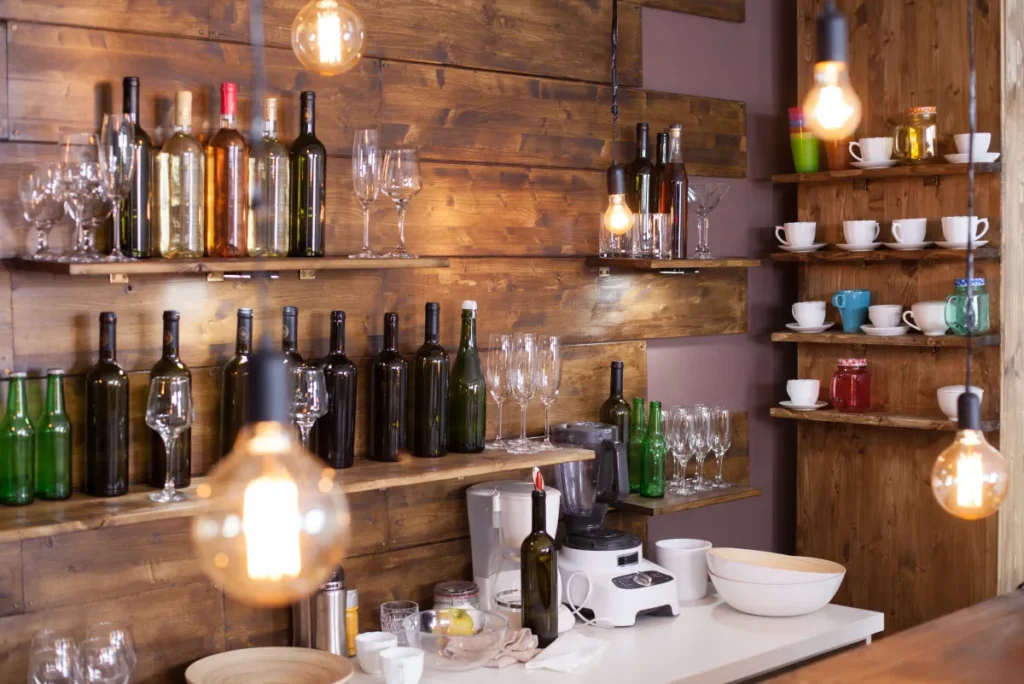
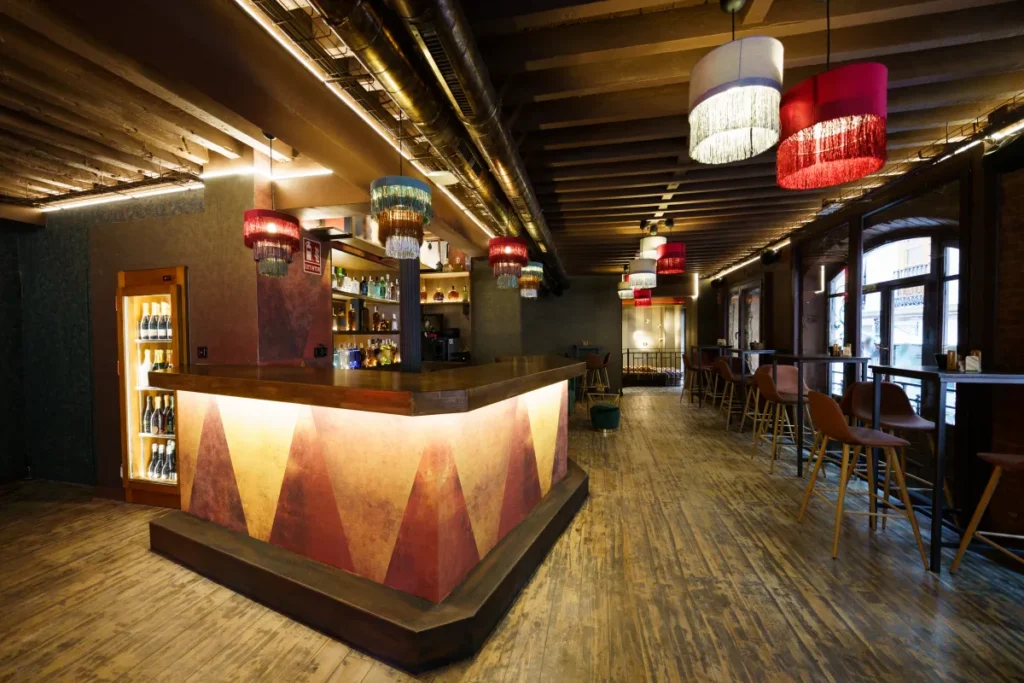
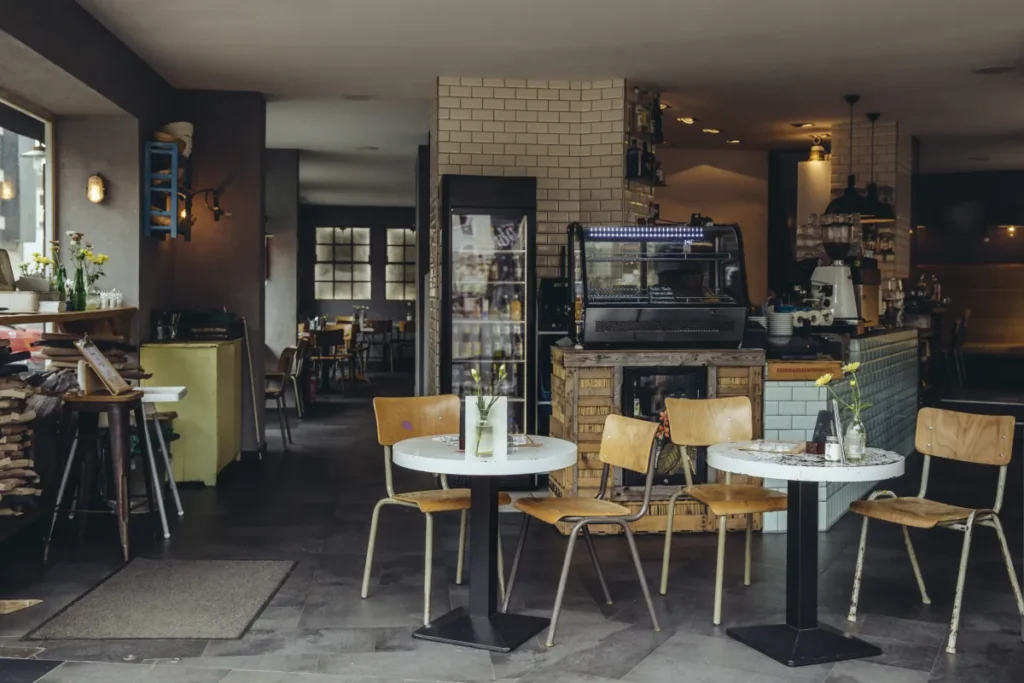
bar cafe build outs close up design vintage coffee shop design

Pre-Construction: Scope, Budget, And Approvals For Coffee Shop Build Out Contractor

A coffee shop tenant improvement moves faster when you treat the bid package like an operations document, not a mood board. As a result, When you brief a coffee shop build out contractor with the same package, you get proposals you can actually compare.

Scope Boundaries To Write Down (So Bids Match)

Make each bidder price the same assumptions. Overall, When something is unknown, define how it will be priced later and who approves it.

  • Demolition limits (what stays, what goes, and what gets protected)
  • Framing, drywall, ceilings, paint, and flooring extents
  • Millwork and countertop scope (front counter, back counter, wall shelving)
  • MEP rough-ins for espresso, refrigeration, hand sinks, and water filtration
  • Lighting plan and controls (including emergency/egress where required)
  • Low-voltage coordination (data, cameras, speakers) and who provides devices
  • Signage coordination and landlord criteria (if applicable)

list what is not part of the construction contract (often equipment purchasing, POS setup, and landlord base-building upgrades). Also, If the team expects the contractor to coordinate any of those, make it explicit.

Comparing Bids Without Getting Trapped By Scope Gaps

  • Confirm every proposal references the same drawing set, equipment list, and hours-of-work assumptions.
  • Look for clear exclusions and clarifications; vague language usually becomes a change order later.
  • Require a schedule of values tied to deliverables (demo, rough-in, finishes, millwork, punch list).
  • Ask how trade sequencing will be managed day to day and who leads coordination.
  • Confirm how field changes will be documented and how as-built markups will be delivered at closeout.

What To Send Before The Walk-Through

  • Address and site contact, plus building management rules and access hours
  • Existing plans (if available) and any landlord work letter or exhibit
  • Concept plan or layout, including seating, service line, and back-of-house zones
  • Equipment list with cut sheets and utility requirements
  • Target start date, target open date, and any blackout periods
  • Notes on occupancy: are adjacent tenants open during work?

What Happens At The Site Walk

  • Verify field conditions against drawings (slab, walls, ceiling height, existing MEP points)
  • Confirm staging, loading, and waste haul routes
  • Identify shutdown needs (electrical panels, water, fire alarm zones) and who approves them
  • Flag compliance items early (ADA path-of-travel impacts, restroom requirements, exit signage)
  • Capture photos and measurements that will drive rough-in locations

Proposal Timing And Decision Cadence

After you provide a complete package and complete the site walk. In addition, Many contractors can return a proposal in about 7-15 business days. As a result, Engineering, specialty fabrication, and landlord revisions can extend that window. Leave room for clarifications before you award.

Have plans and an equipment list ready? For example, Book online for a bid discussion. Prefer phone? In addition, Call +1 (916) 234-6696 and share your target open date and access constraints.

bar cafe build outs construction industry workers working inside moder

Coordination And Quality Checks

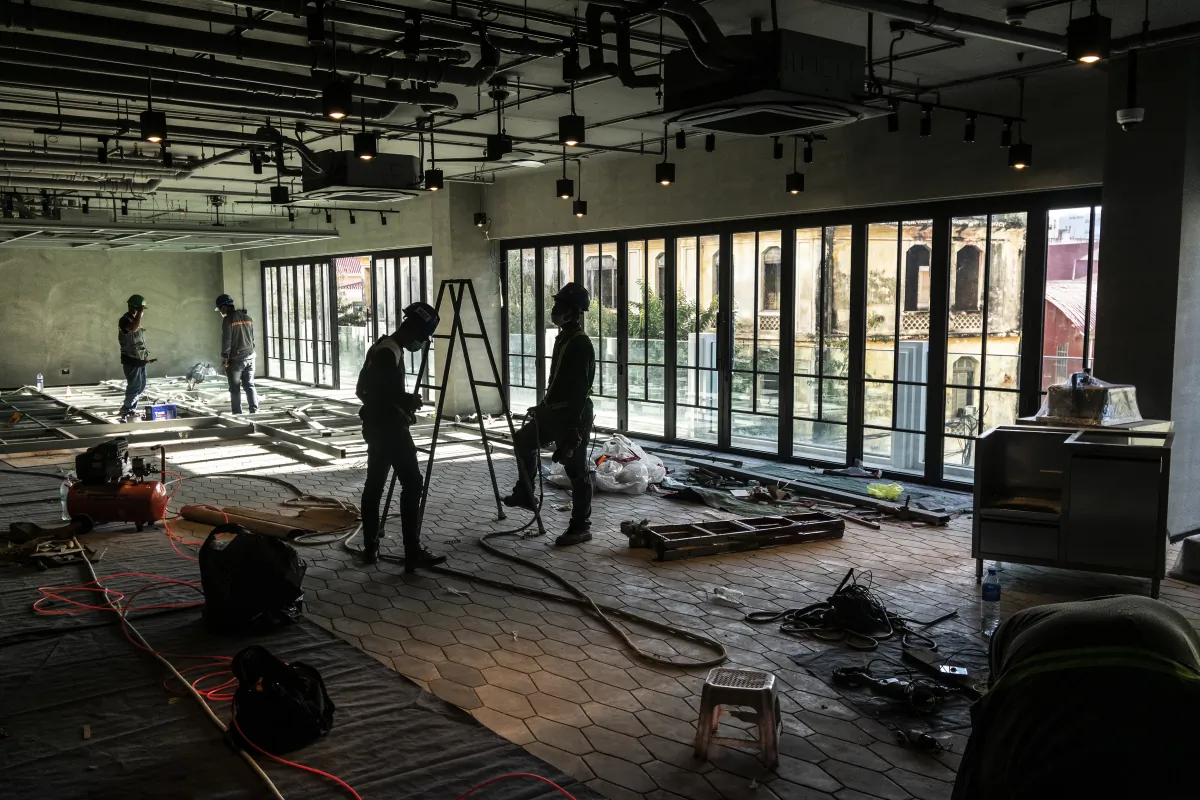
During construction, the goal is simple: keep the site safe, keep access controlled. Meanwhile, And keep decisions flowing so trades do not stall. Overall, A coffee shop build out contractor should run daily coordination and document changes so turnover stays clean.

Site Access Logistics (Protect The Building And Adjacent Tenants)

  • Define working hours, after-hours rules, and noise limits in writing.
  • Set a loading/staging plan: where materials arrive, where they sit, and how they move through common areas.
  • Confirm parking and elevator use, plus any required floor protection.
  • Assign key control and security responsibilities for doors, gates, and alarms.
  • Plan dust and odor controls, especially near food-contact areas and shared corridors.
  • Agree on daily cleanup expectations, dumpster placement, and haul-off frequency.

Phasing To Reduce Downtime

Phasing keeps revenue and tenant relations intact, but it only works when the contractor ties it to trade sequencing. For this reason, That means coordinating shutdowns, inspections, and deliveries around the operating calendar.

  • Separate work zones with temporary barriers and clear signage.
  • Schedule noisy work, coring, or utility interruptions during approved windows.
  • Stage long-lead items (millwork, specialty lighting) so they arrive when the space is ready.
  • Hold short weekly coordination calls with facilities, tenant operations, and building management.

Hypothetical example:Keep front-of-house open while the back counter and rough-ins are built behind a temporary partition. For example, Then switch zones for finishes and equipment set.

Quality Checkpoints That Prevent Rework

  • Pre-task meetings for each major phase (demo, rough-in, millwork install, finishes).
  • Field-verify rough-in locations against equipment cut sheets before closing walls.
  • Document in-wall photos for future maintenance and tenant records.
  • Walk the work after each rough-in inspection to address corrections quickly.
  • Confirm ADA details during framing and millwork layout, not at punch list.

Sacramento Coordination Notes (Permits, Inspections, And Communication)

In Sacramento, plan review and inspections commonly run through the City of Sacramento Community Development portal (Accela Citizen Access). For this reason, Because inspection timing can pause work, tie milestone dates to inspection holds and keep your point-of-contact list current (tenant, landlord, and inspector).

US Construction & Remodeling Corp. For this reason, supports commercial tenant improvements and build-outs in Sacramento. Learn more about our Commercial and coordinate an estimate when you are ready to price the scope.

Frequently Asked Questions

Timelines vary by scope and permit path. But most projects follow the same phases: bid and design coordination, permitting/plan review (if required), construction, then inspections and punch list. Equipment lead times and landlord review cycles often drive the critical path more than labor.

  • Permit and inspection sequencing
  • Existing utility capacity vs. new equipment loads
  • After-hours restrictions and phasing
  • Custom millwork and delivery dates

Give every bidder the same package so you can compare pricing and schedules. The more complete the information, the fewer pricing gaps you will see.

  • Layout/plan and finish intent (even if schematic)
  • Equipment list with cut sheets and utility requirements
  • Landlord work letter, building rules, and access hours
  • Target open date and any downtime limits
  • Photos of the existing space and any known constraints

Many tenant improvements do, especially when work touches walls, egress, accessibility, or building systems (electrical, plumbing, mechanical, or fire/life safety). Requirements depend on scope and the Authority Having Jurisdiction, so confirm early and document the decision.

Build inspection holds into the schedule and plan for corrections so one missed item does not cascade.

Downtime control starts with a phasing plan that matches trade sequencing. Plan barriers, shutdown windows, and inspection holds as part of the schedule, not as side notes.

  • Work in defined zones with temporary partitions
  • Use approved after-hours windows for shutdowns and noisy work
  • Stage materials to avoid blocking common areas
  • Hold weekly coordination meetings with building management

Accessibility can affect more than the counter. It can drive clearances, routes, restroom scope, and hardware details, so address it during layout and framing.

  • Accessible route and door clearances
  • Service counter requirements and reach ranges
  • Restroom features and turning space (when applicable)
  • Signage and path-of-travel impacts

A clean closeout package reduces service calls and helps future maintenance teams. Require deliverables in the contract and track them before final payment.

  • Final permit/inspection sign-offs (when applicable)
  • Warranty letters and product data
  • O&M information for installed systems
  • As-built markups and in-wall photo set (if captured)
  • Lien releases per contract requirements

Explore the full service overview

If you want the big-picture process, pricing factors, and what to expect, start here: Bar & Café Build-Outs.

Related articles

Leave a comment

This website uses cookies to improve your web experience.
Explore
Drag