
Skip links

Gutters Permit Requirements In San Francisco

Replacing or upgrading gutters in San Francisco can look simple—until permit questions show up. This guide explains gutters permit requirements san in plain language, with a checklist you can use before you remove anything. You’ll also see a realistic timeline and the mistakes that cause rework.

Quick checklist:

  • Decide the scope: cleaning, repair, guards, or full replacement.
  • Confirm gutter size/material and how many downspouts you need for runoff.
  • Plan downspout discharge and drainage so water moves away from walls, stairs, and the foundation.
  • Ask whether fascia/rot repair is included and how corners/seams will be sealed.
  • Compare 2–3 itemized quotes (linear feet, downspouts, guards, disposal, warranty).
  • Schedule around weather and run a hose test at the final walkthrough.

TL;DR: Like-for-like gutter replacement (same size, same locations) is often the simplest path. Drainage changes, roof-edge repairs, or sidewalk staging can add extra steps. For a written estimate, call +1 (916) 234-6696; have your address and a few roof-edge photos ready.

  • Write down what is changing (size, layout, drainage)
  • Photograph the roof edge, corners, and every downspout exit
  • Check fascia (the board gutters attach to) for soft or peeling wood
  • Decide gutter size and material before removal
  • Confirm where each downspout discharges (to grade or to a drain)
  • Ask early if your scope needs a San Francisco DBI permit check

Step-By-Step Plan For Gutters Permit Requirements San

If you’re trying to confirm gutters permit requirements san for your property, start with scope. Meanwhile, Permit needs usually follow what changes, not the brand of gutter you buy.

This plan keeps the job moving and reduces the chance of last-minute changes.

Step-By-Step Plan

  1. Describe the work in one sentence. Overall, Example: replace existing gutters with the same size and locations, keeping downspouts where they are.
  2. Note any roof-edge repairs. Additionally, Fascia (the board at the roof edge) holds the gutter. Additionally, If it’s soft or damaged, plan repairs before new gutters go up.
  3. Map where water goes today. Also, Downspouts are the vertical pipes that carry water down. Meanwhile, Note whether they drain to the yard, a splash block, or an underground line.
  4. Decide what you want to improve. In addition, Common goals: stop overflow, add guards, move discharge away from walkways, or increase gutter size.
  5. Confirm the permit path early. As a result, In San Francisco, the permit path can change if you alter drainage, repair structural wood, or need sidewalk staging.

When you request an estimate, share your address, photos of each gutter run, and a note on any leaks or overflow points. For example, That lets us give you a written scope instead of a rough guess.

Decisions To Make Before Demo

For gutters, demo usually means removing old sections and exposing the roof edge. For this reason, Make these decisions before anything comes down so the new system fits and drains correctly.

  • Gutter profile: K-style (most common) or half-round (rounded profile).
  • Gutter size: 5-inch vs 6-inch, also based on roof area and runoff.
  • Material: aluminum (common), steel, or copper.
  • Downspout plan: number of downspouts, locations, and discharge points.
  • Guards: reduce debris, but choose a style you can still clean.
  • Roof-edge condition: plan for fascia repair if wood is soft or peeling.
DecisionWhy it mattersWhat to confirm
Gutter sizeHandles heavier rain without overflowSize based on roof area and valleys
Downspout locationsControls where water ends upDischarge point and any underground tie-in
MaterialAffects durability and appearanceFinish, color, and matching fittings
Access planDrives labor and safety needsLadders vs lift/scaffold and protection
Fascia conditionDetermines how well gutters stay attachedRepair or replace before hanging gutters

If you’re unsure about any item, photos of the roof edge and downspout exits usually answer the question fast.

construction gutter

Permits, Inspections, And Local Requirements

Gutter work sits in a gray area because some projects are simple replacements and others change structure or drainage. In addition, Treat permits as a scope question and confirm early, before materials are ordered.

When Permits Are More Likely

  • You install new gutters where none existed.
  • You change downspout locations or connect to an underground drain.
  • You repair or replace roof-edge framing or fascia.
  • You work on a multi-unit building with added review steps.
  • You need scaffolding or staging on the sidewalk or street.

San Francisco Permitting Note

San Francisco’s Department of Building Inspection (DBI) provides online permit tracking, and some residential scopes may qualify for faster online processing. Meanwhile, A contractor can help you determine whether your scope needs plan review and an inspection sign-off.

If An Inspection Applies, What It Usually Checks

  • Pre-cover check: repaired fascia or roof-edge wood may need to be visible before it’s covered.
  • Final check: gutters and downspouts match the approved scope and drain as intended.

Permit fees and timing vary by scope and address. Also, Your written estimate should state who pulls the permit if one is necessary and how inspection scheduling is handled.

What Happens Week By Week

Many gutter replacements take a day once materials are ready. Additionally, The schedule stretches when access is complex, weather is wet, or a permit review is involved.

  • Week 0: photos, measurements, and a written estimate that matches your drainage plan.
  • Week 1: permit check (if needed) and ordering (profile, color, size, guards).
  • Week 2: prep for protection and access (walkways, landscaping, staging).
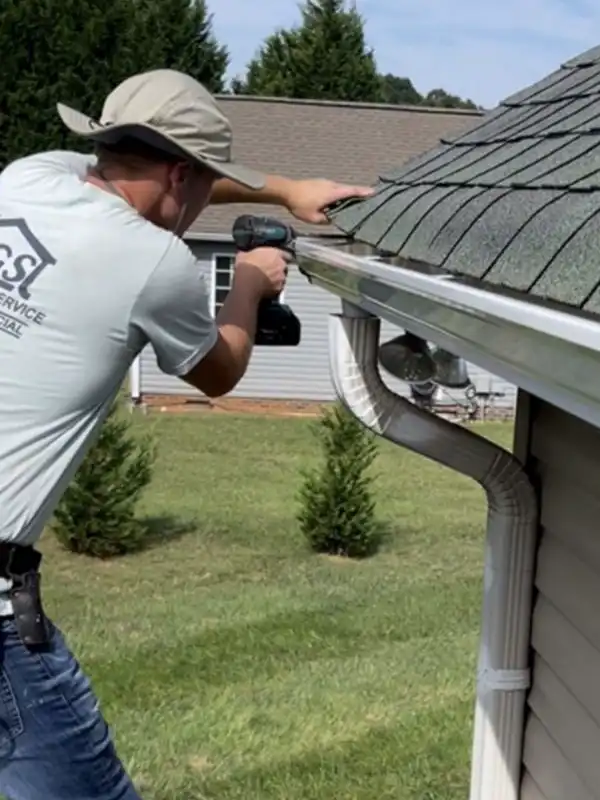
  • Week 3: removal, fascia repairs if needed, and new gutter installation.
  • Week 4: water test, punch list, and any inspection sign-off if it applies.

If you need a tighter window, keeping downspouts in the same locations and choosing standard materials often helps.

construction gutter

Common Pitfalls And How To Avoid Them

Most gutter problems come from water management, not the gutter itself. Additionally, These are common planning mistakes we see on San Francisco homes.

  • Changing drainage mid-job: decide downspout discharge points before removal so the new layout is intentional.
  • Hanging gutters on weak wood: repair fascia first; new gutters will not stay secure on soft or rotted boards.
  • Undersizing the system: long runs and roof valleys can overwhelm smaller gutters during heavy rain.
  • Underestimating access needs: multi-story work may need a lift or scaffold for safe installation and clean lines.
  • Ignoring walkway runoff: downspout discharge that crosses entries can create slippery spots.
  • Picking guards with no maintenance plan: guards help, but you still need a way to inspect and clean as needed.
  • Starting work before the permit path is clear: if your scope needs review, sorting it out early prevents schedule breaks.

Hypothetical example: a homeowner replaces gutters and also moves a downspout to stop water from pooling near the front steps. Also, That drainage change can add coordination steps compared to a like-for-like swap, so it’s best to confirm it before ordering materials.

Accessibility, Safety, And Aging-In-Place Ideas

Good gutters can make the home safer by keeping water off stairs, entries, and walkways. You can also reduce ladder time with the right upgrades.

  • Choose service-friendly guards: guards reduce clogs, but you still want a design you can inspect.
  • Improve discharge control: route water away from walking paths and doorways.
  • Secure mounting: repair fascia so gutters stay firmly attached during storms.
  • Plan for safe access: if cleaning will be hard, prioritize upgrades that limit debris buildup.

Homeowner FAQ On Gutters Permit Requirements San

The FAQ below covers the questions we hear most, including costs, materials, scheduling, and how permits can affect timing. For this reason, For a written estimate from US Construction & Remodeling Corp., call +1 (916) 234-6696 and have your address plus roof-edge and downspout photos ready.

Helpful Links

Frequently Asked Questions

Sometimes. A straight replacement (same gutter size, same locations, same downspout discharge) can be simpler than a change that alters drainage or repairs roof-edge wood.

Before you schedule install, confirm these scope points:

  • Are you moving or adding downspouts?
  • Will you repair fascia or other roof-edge wood?
  • Will you stage scaffolding on the sidewalk or street?
  • Is the property a multi-unit building with added review steps?

If you’re still unsure about gutters permit requirements san, share a few photos and your address during estimating so the permit path can be checked before work starts.

Yes, it can. Moving a downspout changes where roof runoff goes, and that can add coordination compared to replacing gutters in place.

Common changes include tying into an underground drain line, relocating discharge away from a walkway, or adding a second downspout to a long run.

If you want to keep permitting and scheduling simpler, keeping discharge points the same is often the easiest option—when it still solves the problem you’re trying to fix.

Installation itself is often quick once materials are on site. The variable is the front end: permit review (if needed), ordering, and scheduling around weather.

  • Simple swap: estimate, order, and install can fit into one to two weeks depending on material availability.
  • Scope with permit review: plan review and inspection scheduling can extend the calendar to several weeks.

Choosing materials early (profile, color, size, guards) helps keep the schedule from turning into a waiting game.

Some gutter swaps do not involve inspections, while projects that include structural repairs or permitted changes may have one or more inspections.

Examples of inspection points (scope-dependent):

  • Viewing repaired fascia or roof-edge wood before it is covered
  • Final check that gutters and downspouts match the approved scope
  • Verification that discharge does not create a nuisance on walkways or neighboring property

Your contractor should state in writing who schedules inspections and what must be ready before the inspector arrives.

Gutter pricing is mostly about labor and access, plus material choice. Two homes with similar linear footage can price out differently if one needs a lift or scaffold.

  • Height and access: number of stories, slope, and safe ladder placement
  • Material: aluminum, steel, or copper; custom colors cost more
  • Size and layout: gutter size, number of downspouts, corners, and outlets
  • Wood repair: fascia repair or paint prep at the roof edge
  • Add-ons: guards, downspout extensions, splash blocks
  • Permits: if your scope needs a permit, fees and inspection time can add cost

A written estimate should separate base gutter work from optional repairs and upgrades so you can choose priorities.

Aluminum seamless gutters are common because they resist rust and come in many colors. Steel can be strong but may need more attention to coating. Copper is durable and has a distinct look, but it costs more.

When comparing materials, focus on:

  • How well the finish holds up to moisture and coastal air
  • Whether matching fittings are readily available
  • How the material fits your maintenance plan (cleaning and touch-up)

If you’re unsure, ask for two written options (for example, aluminum vs copper) so you can compare upkeep and value—not just upfront cost.

Yes. The goal is to move water away from entries and reduce ladder time for cleaning.

  • Guards: cut clogs and overflow, especially near trees
  • Better discharge: route water away from stairs and walkways to reduce slippery spots
  • Service-friendly design: choose guards you can inspect and clean
  • Secure mounting: repair soft fascia so gutters stay attached in storms

If you have mobility concerns, mention it up front. We can prioritize options that keep maintenance on the ground whenever possible.

Licensed, insured & trusted local contractor

US Construction & Remodeling Corp.
9821 Business Park Dr, Sacramento, CA, 95827
Phone: +1 (916) 234-6696

CSLB License #: 1117562 Fully licensed and insured.

View our Google Business Profile

Leave a comment

This website uses cookies to improve your web experience.
Explore
Drag