
SACRAMENTO ACCESSIBLE BATHROOM PLANNING / CSLB #1117562
ADA-Style & Accessible Bathroom Remodeling in Sacramento
Plan the room around the person: entry, bathing, transfers, reach, lighting, caregiver needs, and a permit-ready construction scope.
Design for the person, not a label
In a private home, the practical goal is usually an accessible or aging-in-place bathroom tailored to the resident. We document daily routines, mobility devices, reach, balance, transfer method, helper space, and future needs before proposing dimensions or products.
MAP THE ROUTINE BEFORE THE FLOOR PLAN
Four moments the bathroom must support
Walk through how the resident enters, bathes, transfers, and reaches controls or storage. That sequence exposes obstacles a product-only checklist can miss and gives the designer, contractor, homeowner, and caregiver one measurable brief.
BUILD A COMPLETE ACCESSIBILITY SCOPE
Accessibility is a coordinated room, not one grab bar
The best plan connects the travel path, wet area, transfer zones, support locations, controls, storage, lighting, ventilation, and maintenance. Every selection should answer who uses it and how.
Entry & clear route
Evaluate the doorway, swing, threshold, approach, floor transitions, turning needs, mobility device, and a clear path that does not rely on moving storage later.

Bathing zone
Coordinate shower or tub entry, drainage, slip resistance, seating, handheld shower, controls, reachable storage, splash management, and waterproofing as one assembly.

Toilet & transfer support
Plan the toilet, support locations, wall blocking, paper and hygiene access, side approach, caregiver space, and transfer method for the actual user.
Reach, light & ventilation
Place switches, outlets, mirrors, faucets, drawers, shelves, towel storage, task lighting, night lighting, and ventilation where the resident can use them safely and comfortably.
PLAN SUPPORT BEFORE TILE
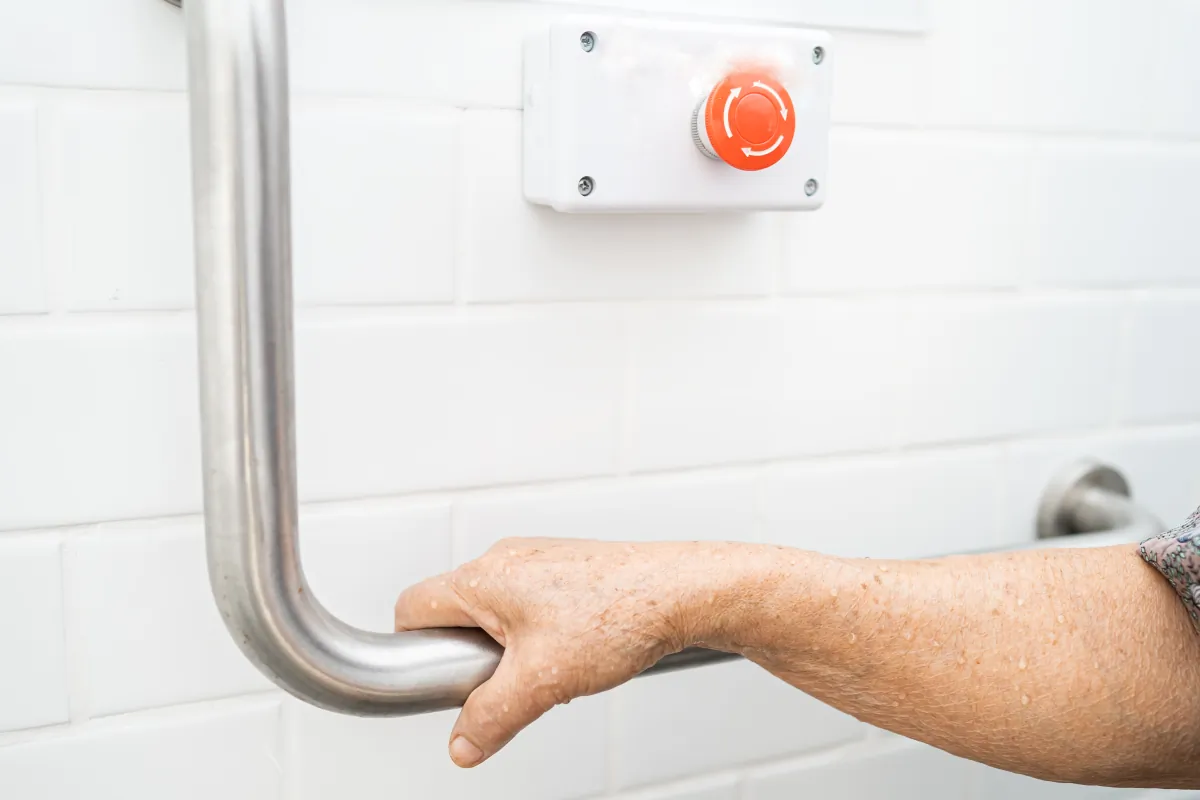
A support bar is only as useful as its location and backing
The National Institute on Aging recommends bathroom grab bars as a home-safety measure; see its home safety tips and room-by-room fall-prevention guidance. Product placement and construction still need to fit the resident, wall assembly, manufacturer instructions, and approved project scope.
SIX DESIGN DECISIONS TO TEST ON PAPER
Test the routine before construction begins
A low- or no-threshold shower may improve access, but feasibility depends on framing, slab or floor elevation, drain location, slope, waterproofing, splash control, and adjacent finishes. Confirm the assembly before promising a curbless result.
Locate support from the user's standing, seated, and transfer positions. Specify approved products, backing or fastening method, wall finish coordination, and photo documentation before concealment.
Choose toilet height, approach, adjacent clear space, supports, accessories, and caregiver room for the user's transfer method. A standard product label cannot replace an in-room movement review.
Coordinate knee or seated access if needed, faucet operation, mirror view, hot-water protection, drawer conflicts, outlets, medicine storage, and frequently used items within comfortable reach.
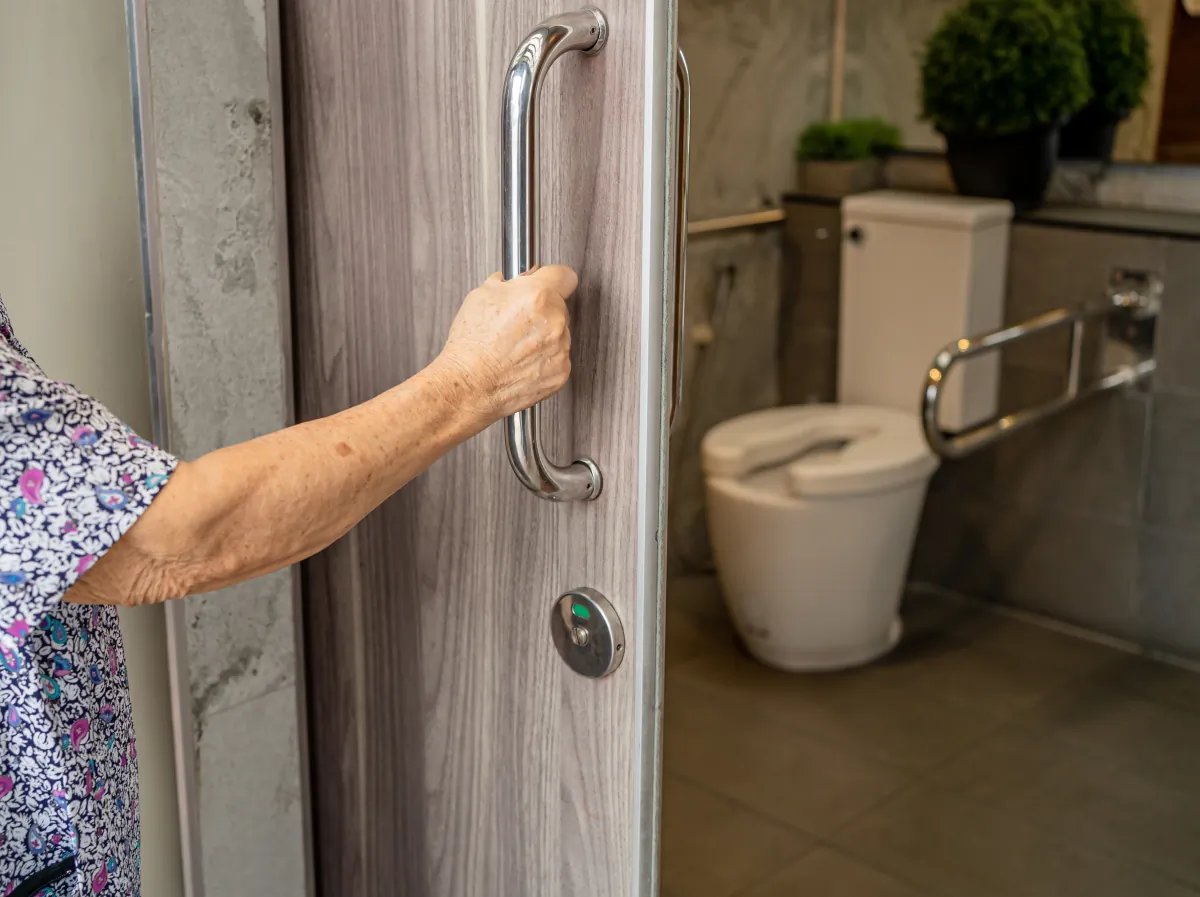
Measure the route from nearby rooms through the bathroom door and to each fixture. Check door swing, hardware, thresholds, pinch points, floor transitions, and the actual mobility device—not just the room's listed square footage.
Layer general, task, and night lighting; reduce glare; make switches and controls easy to identify and operate; and coordinate ventilation, humidity control, electrical protection, and inspection requirements.
ADA rules and private homes are not the same question
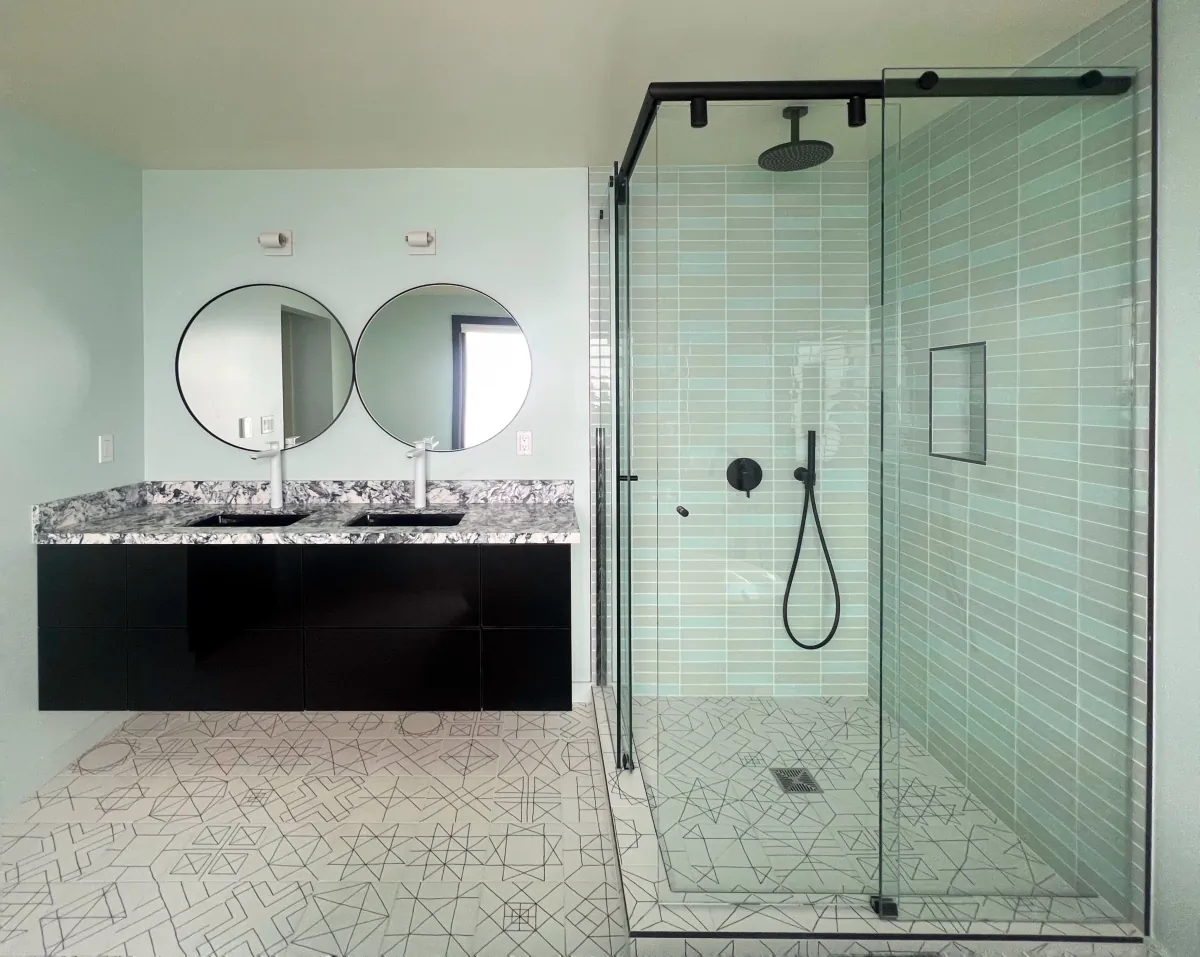
Use ADA-style as a planning reference, not a guarantee
Choose Sacramento's correct permit path
Use the current City documents
Inspect before work is concealed
Keep an occupant and closeout record
COMPARE THE SAME ACCESSIBILITY SCOPE
Four checks before selecting a bathroom proposal
Measured routine-based plan
Record the user, mobility device, helper needs, doorway and route, fixture positions, transfer method, reach zones, controls, storage, and future priorities.
Wet area & structural support
List demolition, framing, blocking, drain and slope strategy, waterproofing, plumbing, electrical, ventilation, slip-resistant finishes, products, and inspection hold points.
Allowances, exclusions & changes
Name selected products or realistic allowances, labor and disposal, repair limits, accessibility items, permit assumptions, exclusions, unit prices, and written change-order rules.
Permit, schedule & closeout
Assign applications, inspections, long-lead materials, access, temporary bathroom planning, milestones, payments, photos, lien documentation, warranties, and final records.
ABOUT THE AUTHORS
Who wrote this guide?

Written by Emin
Emin is the Chief Designer at US Construction Remodeling Corp. Emin leads client design meetings, measured layouts and 3D visualization in Revit, 3ds Max and Unreal Engine, and uses AI tools to speed up design and project planning. Meet our team.

Reviewed by Umit Sahin
Umit Sahin is a general contractor at US Construction Remodeling Corp. and oversees construction, permits, and inspections on our projects.
SACRAMENTO HOMEOWNER QUESTIONS
Accessible bathroom remodeling FAQ
The federal ADA Standards apply to covered state and local government facilities, public accommodations, and commercial facilities. A typical private single-family bathroom is generally not made 'ADA certified' by a contractor. The residential project should instead follow the applicable permit and code path while being designed around the resident's measured accessibility needs.
Homeowners often use ADA-style to describe a safer, easier-to-use room with features such as a more accessible entry, supportive grab bars, a low-entry shower, seating, handheld shower, lever controls, improved lighting, and reachable storage. The exact layout and dimensions should fit the resident rather than a generic package.
Often, yes. A small room may benefit from changing the door swing or hardware, reducing thresholds, reorganizing storage, selecting a suitable shower or tub strategy, improving lighting, and locating supports and controls around the user's routine. A measured layout test is necessary before promising a result.
No. Feasibility depends on framing or slab conditions, floor elevation, drain location, slope, waterproofing, splash control, adjacent rooms, structural work, and the permit scope. When a true curbless assembly is not practical, the team should compare other low-entry and bathing-support options.
Place support where the resident needs it while standing, sitting, entering, bathing, or transferring. The plan must also account for wall construction, approved backing or fasteners, the specific product, reach, conflicts, and manufacturer requirements. A towel bar is not a structural support bar.
Permit requirements depend on the work. Sacramento provides a path for non-structural, non-floor-plan-altering residential bathroom remodels, while structural changes, moved openings, expanded rooms, or other work may use a different review path. Confirm the current requirements for the address and final scope.
Ask for a measured plan, demolition and disposal, framing and blocking, wet-area and drainage details, plumbing, electrical, ventilation, specified products or allowances, finish work, permits and inspections, hidden-condition rules, exclusions, schedule assumptions, change orders, cleanup, warranties, photos, and closeout documents.
START WITH THE PERSON AND THE ROOM
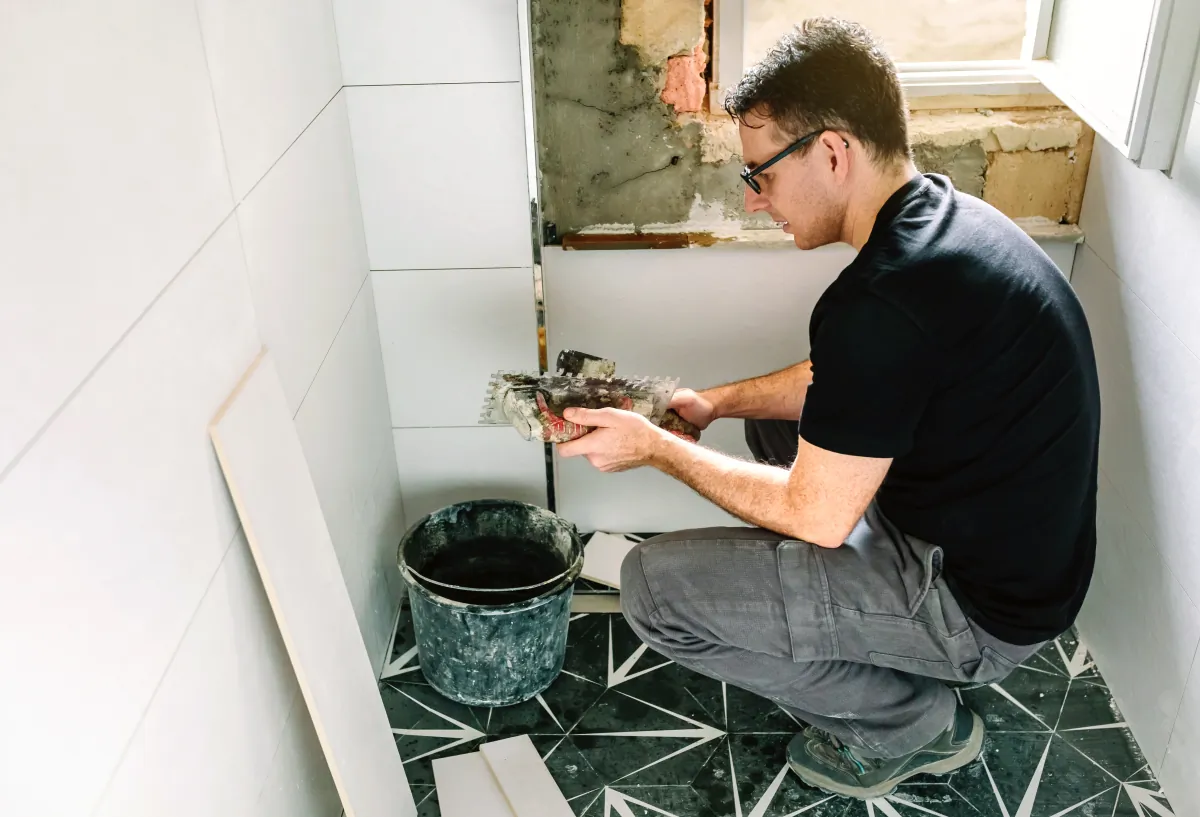
Request an accessible bathroom assessment
What happens after you contact us?
- We review the resident’s routine and present barriers
- We organize measurements, photos, priorities, and product questions
- We identify field-review, permit, and inspection needs
- We outline the next step toward a measured written scope
Tell us how the bathroom needs to work
Prefer to talk?
Call (916) 234-6696
Licensed California contractor #1117562 serving Sacramento-area bathroom projects.
Related planning
Bathroom Remodeling
Sacramento bathroom cost guide
Bathroom budget estimator
Bathroom remodeling timeline
Accessibility permit guide
Small bathroom shower ideas
Shower glass estimator
This is residential planning information—not an ADA certification, medical assessment, permit approval, bid, or guarantee of accessibility, cost, or schedule.