Pergola Permits in Sacramento: Checklist + FAQs
A pergola adds shade and structure to your backyard, but pergola permit requirements in Sacramento can change based on how you build it. This checklist-style guide explains what to decide early, what the City typically wants to see, and how to keep your project moving from planning to final inspection.
Quick checklist:
- Define the scope and your must-have outcome (function, budget, timeline).
- Confirm what trade work is involved (electrical, plumbing, drywall) and the order of work.
- Finalize measurements and key selections before ordering long-lead materials.
- Collect 2–3 quotes and compare line-by-line (scope, allowances, cleanup, warranty).
- Create a simple schedule and pre-order the items that most often cause delays.
TL;DR: Start by confirming whether your pergola is attached to the home, uses new footings, or includes electrical—those details often determine whether you need permits and inspections. In Sacramento, many applications and status updates run through the City of Sacramento Community Development portal (Accela Citizen Access). If anything is unclear, get answers before you order materials so you don’t lose time later.
- Pick the location and measure the rough size
- Decide freestanding vs. attached to the house
- Check setbacks, easements, and HOA rules (if any)
- Choose materials and any electrical add-ons (lights, fan, outlets)
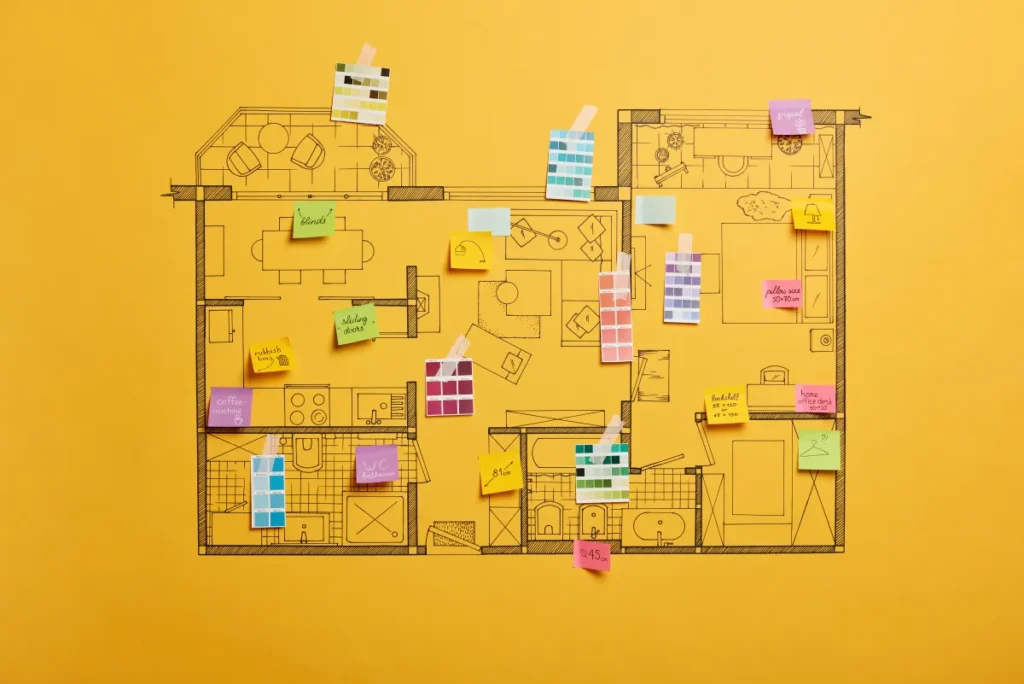
- Prepare a simple site plan plus basic drawings/details
- Plan for plan review time and mid-build inspections
Want a written estimate first? Share your address, a few photos of the yard, and your rough pergola dimensions. Call +1 (916) 234-6696 or Free estimate.
Planning Pergola Permit Requirements In Sacramento: A Homeowner Checklist
| Decision | Why it matters | Quick check |
|---|---|---|
| Scope | Defines what is included and prevents surprises. | Write a line-item scope and allowances list. |
| Site constraints | Hidden conditions can change the plan. | Check access, wiring/plumbing, and existing surfaces. |
| Selections | Long-lead items can drive the schedule. | Confirm availability before demo starts. |
| Permits | Some scopes require approvals and inspections. | Ask your city/county what applies to your project. |
Most pergola projects go smoothly when you lock in the scope before you submit paperwork. However, small changes—like adding a fan, tying into the house, or pouring new concrete—can change what the City expects. Overall, Use the checklist below to get organized, then confirm details for your specific address.
Checklist Before You Submit
- Confirm whether the pergola will also connect to the house or stand alone
- Locate property lines and note any easements or utility corridors
- Decide if you want lighting, outlets, a ceiling fan, or heaters
- Pick the roof style (open slats, solid cover, or louvered system)
- Sketch the layout: posts, beams, and where footings will land
- Plan drainage so water doesn’t run toward the house foundation
- Check for HOA or neighborhood design rules before finalizing
- Collect photos of the area for clearer plan review conversations
Permit Notes For Sacramento Homeowners
In many cases, a pergola that attaches to the home, uses structural footings, or adds new electrical will need City review and inspections. Additionally, Freestanding structures may still be reviewed depending on size, placement, and zoning, so treat “no permit needed” assumptions cautiously. Additionally, Because Sacramento’s permitting and plan review commonly run through the City of Sacramento Community Development portal (Accela Citizen Access), you can often submit, pay, and track status online.
If you’re unsure, ask the City early. Meanwhile, That one step can save you a re-submittal later, especially when setbacks, easements, or electrical work are involved.
Permits And Code Considerations
Plan reviewers and inspectors focus on safety and durability. Also, For a pergola, that usually means stable footings, strong connections, and weather-ready materials. In addition, if you run power for lights, outlets, or a fan, you may need a separate electrical permit and an inspection for that work.
Key Items Reviewers Look For
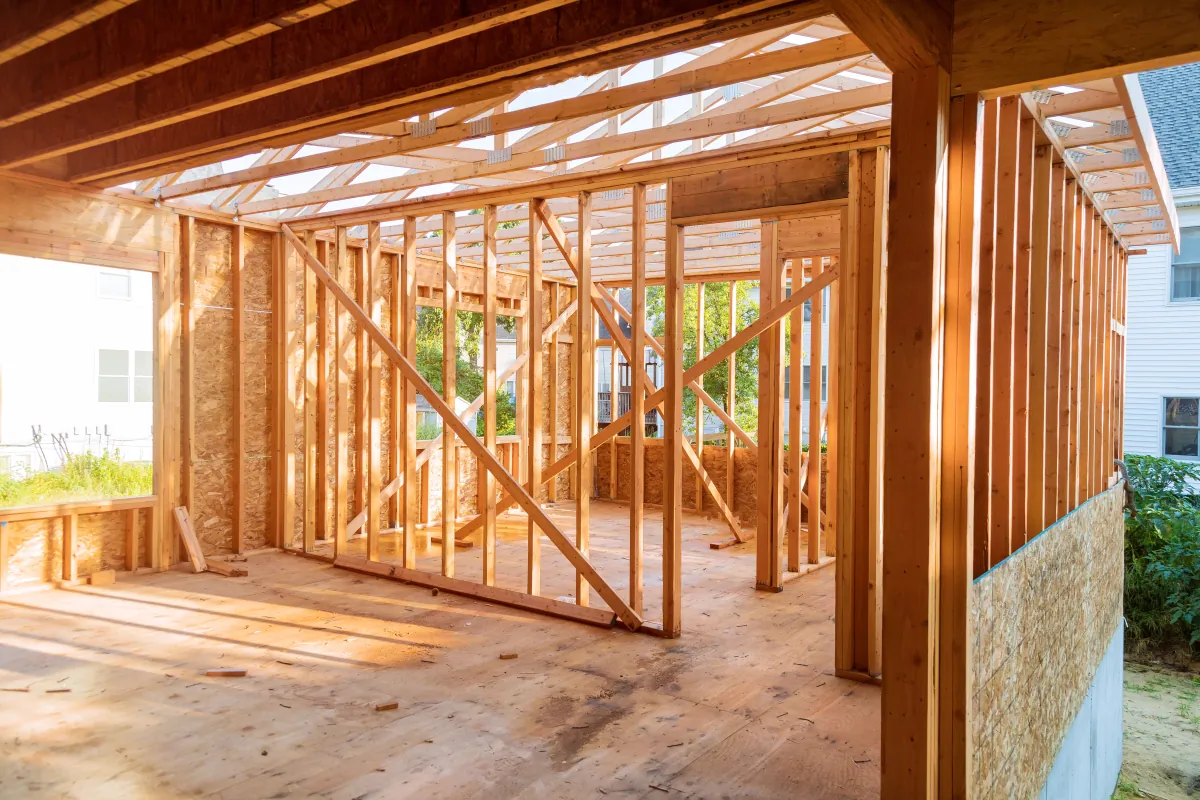
- How posts connect to footings and how beams connect to posts
- Uplift resistance (wind) and lateral bracing where needed
- Attachment details to the house, including flashing and waterproofing
- Clearances and safe routing for any electrical components
- Drainage and water management around the structure
Quick Planning Table
| Decision | Why it matters | Often affects |
|---|---|---|
| Freestanding vs. attached | Changes structural connection details | Drawing detail and review scope |
| Footings (new concrete) | Supports loads and resists uplift | Inspection timing before you cover work |
| Electrical add-ons | Requires safe wiring and protection | Trade permit + inspection steps |
| Material choice | Fasteners and durability vary | Hardware, finish, and maintenance plan |
Timeline And Scheduling
Even a straightforward pergola can stall if you treat permitting as a last-minute task. As a result, Instead, start with the drawings and submittal, then plan your material order around expected review time. Also, Once you have approvals in hand, schedule work so you can call for inspections before you cover footings or wiring.
Timelines vary based on scope and City workload, so build in a buffer. Also, if the plan reviewer requests clarifications, respond quickly and keep your revisions clean and consistent.
Common Mistakes That Cause Delays
- Ordering custom materials before plans are approved
- Skipping a site plan that clearly shows property lines and setbacks
- Assuming “freestanding” automatically means no permit review
- Forgetting that lighting/outlets can trigger extra electrical steps
- Changing post locations after submitting drawings without updating plans
- Covering footings or wiring before the required inspection visit

How To Choose Materials And Trades
Materials affect more than looks—they influence structural detailing, maintenance, and how your pergola handles sun and weather. For example, wood can look warm and classic, while aluminum offers a low-maintenance option. Meanwhile, if you plan lighting or a fan, line up a qualified electrician early so the design and permit submittal stay aligned.
Material And Trade Pointers
- Wood: plan for sealing/painting cycles and use outdoor-rated hardware
- Aluminum: lower maintenance, but confirm anchoring details and wind resistance
- Steel: strong spans, but protect against corrosion and confirm coating specs
- Electrical: decide early where you want switches, outlets, and lighting
Questions To Ask A Contractor
- Will you provide a written estimate that lists what’s included and what’s excluded?
- Who prepares drawings, and who responds to plan review comments?
- Who pulls permits, and whose name will be on the permit?
- How will you handle footings, anchoring hardware, and water management?
- How do you coordinate electrical work if we add lights, outlets, or a fan?
- What inspection points should we plan for before work gets covered?
Final Walkthrough: What To Verify
Before you call the job done, do a detailed walkthrough. In addition, This is your chance to confirm the pergola matches the approved plan, feels solid underfoot, and drains water away from the house. In addition, verify electrical items and lighting placement before the final inspection so you don’t have to reopen finished surfaces.
Final Checklist Before You Close Out
- Posts sit plumb, and beams/rafters align with the plan
- Hardware is tight, corrosion-resistant, and installed as designed
- Any ledger/house attachment is flashed and sealed against water
- Concrete, pavers, or adjacent surfaces shed water away from the home
- Electrical outlets are protected, and switches operate as expected
- Touch-up paint/stain is complete and fasteners are covered where needed
Accessibility And Safety Considerations
A pergola often becomes an everyday pathway to the yard or patio, so plan for safe access now rather than retrofitting later. For example, Even small upgrades can make a big difference over time.
- Keep walking paths wide and free of trip hazards
- Add step lighting or downlights for night visibility
- Use slip-resistant surfaces around the patio and entry points
- Consider a handrail if the pergola connects to steps or a raised deck
- Plan seating and shade coverage so the space stays comfortable
Sacramento Area Permitting, Plus Where We Work
For Sacramento projects, homeowners typically submit and track permits online through the City of Sacramento Community Development portal (Accela Citizen Access). For this reason, If your property is outside Sacramento city limits, the permit office and submittal process may differ, so confirm jurisdiction before you start.
US Construction & Remodeling Corp. For this reason, serves Sacramento and surrounding communities including Elk Grove, Arden, Rancho Cordova, El Dorado Hills, Folsom, Roseville, Rocklin, and Fair Oaks. We also take on projects in Alameda, Davis, Berkeley, Novato, Placer, San Mateo, San Francisco, and Los Angeles.
If you want a written estimate before you commit to drawings and fees, we can help you define the scope, material approach, and whether to include electrical add-ons. For this reason, Call +1 (916) 234-6696 or schedule online at Free estimate.
Helpful Links
Frequently Asked Questions
It depends on the design and what you’re building on your property. As a rule of thumb, when a pergola attaches to the house, uses new concrete footings, or includes new electrical (lights, outlets, fan), the City often wants a permit and inspections.
Because pergola permit requirements vary by address and scope, confirm early through the City of Sacramento Community Development portal (Accela Citizen Access) or by contacting the building counter. That way, you can match your drawings to what the City will review and avoid rework.
Approval time depends on your scope and how complete your submittal is. A simple, clear set of drawings typically moves faster than a plan set that’s missing property lines, footing details, or attachment information.
Plan for a sequence: finalize design, submit, respond to plan check comments, pay fees, receive the permit, then schedule inspections during construction. If you want to start on a specific date, build in extra time for revisions and inspector availability.
Requirements can vary, but homeowners are often asked for a basic set that clearly shows where the pergola goes and how it’s built.
- Site plan showing property lines, the pergola location, and nearby structures
- Dimensioned drawings (plan view + elevations)
- Footing/post details and connection hardware (post-to-base, beam-to-post)
- Attachment detail if the pergola ties into the house (including weatherproofing)
- Notes on materials and any pre-engineered system documentation
- Electrical plan if you’re adding lighting, outlets, switches, or a fan
If the City asks for engineering for your specific design, factor that into both schedule and budget.
Permit and plan review costs vary based on scope, jurisdiction, and whether your project needs engineering or additional trade permits. For example, adding electrical or building a larger, attached structure can increase both review effort and inspection steps.
To keep your budget predictable, ask for a written estimate that separates construction cost from permit/fee items. If you’d like, we can walk the scope with you and outline what to plan for before you commit.
Yes—many homeowners take on pergola work themselves. However, the responsibility to follow local rules stays with the property owner, and you still need to confirm permit and inspection requirements before you start.
If your pergola includes electrical, consider hiring a qualified electrician for that portion. In addition, keep your drawings and build consistent with what you submit so inspections go smoothly.
Inspection steps depend on the permit and scope, but pergola projects commonly include checks before key work gets covered up. That helps the City verify structure and safety in real time.
- Footing or excavation inspection (before you pour or cover)
- Framing/hardware inspection (connections, bracing, attachment)
- Electrical inspection if you add wiring, outlets, lighting, or a fan
- Final inspection once everything is complete
Schedule inspections early and keep access clear so the visit doesn’t turn into a reschedule.
Sacramento summers bring strong sun and heat, so choose materials and finishes that hold up outdoors with reasonable maintenance. Your best option depends on your budget, the look you want, and how often you’re willing to refinish or clean.
- Wood: classic look, but plan ongoing sealing/painting and quality hardware
- Aluminum: low-maintenance and stable, with system-specific anchoring details
- Steel: strong spans, but protect against corrosion with the right coating
think about shade: a more solid cover can block sun better, but it may change drainage and detailing. Align those choices early so your plans and permit submittal match the final build.
Licensed, insured & trusted local contractor
US Construction & Remodeling Corp.
9821 Business Park Dr, Sacramento, CA, 95827
Phone: +1 (916) 234-6696
CSLB License #: 1117562 Fully licensed and insured.