Restaurant Tenant Improvement Closeout Punch List Checklist
Closeout is where restaurant TI schedules either hold or slip. A disciplined restaurant tenant improvement closeout punch list helps teams turn the space over without repeated callbacks and surprise downtime. Facility and property managers can use this checklist to align trades, inspections, and operations before the last week gets chaotic.
Quick checklist:
- Define the scope and your must-have outcome (performance, budget, timeline).
- Confirm what work is involved and the order of operations.
- Finalize measurements and key selections before ordering long-lead materials.
- Verify license/insurance where required, and compare bids line-by-line (allowances, exclusions, change orders).
- Create a simple schedule and pre-order the items that most often cause delays.
TL;DR: Track punch items in one log, assign an owner and due date to each, and schedule fixes around operating constraints. When you collect bids, require clear inclusions, after-hours options, and documentation deliverables so the schedule stays credible.
- Confirm who signs off each area (tenant, landlord, facility)
- Build one punch list log with owners and due dates
- Group corrections by trade and by access window
- Schedule inspections and likely re-inspections early
- Plan dust/noise controls and off-hours work where needed
- Collect closeout documents before final payment
Commercial Planning Checklist For Restaurant Tenant Improvement Closeout
| Decision | Why it matters | Quick check |
|---|---|---|
| Scope | Defines what is included and prevents surprises. | Write a line-item scope and allowances list. |
| Site constraints | Access and hidden conditions can change the plan. | Check access and existing surfaces before work starts. |
| Selections | Long-lead items can drive the schedule. | Confirm availability before starting. |
| Permits | Some scopes require approvals and inspections. | Ask your city/county what applies to your project. |
Closeout work is the handoff phase of a tenant improvement. For this reason, The goal is to verify systems operate, fix remaining defects. As a result, And document what was installed so operations can run without guesswork. Restaurants add peak-hour constraints and life-safety dependencies. So the punch list needs real scheduling—not “we’ll get to it.” In a restaurant tenant improvement closeout. The punch list becomes the schedule.
When the project scope extends beyond minor corrections, align closeout planning with the overall build-out sequence and inspection path. Also, Our Restaurant Build-Outs page outlines how these pieces fit together on commercial scopes.
Closeout Punch List Categories To Track
- Life safety and egress items that can also gate occupancy and final inspections
- MEP performance: HVAC controls, electrical labeling, plumbing leaks, equipment connections
- Kitchen system interfaces: hood/exhaust, make-up air, fire suppression coordination, cleanability details
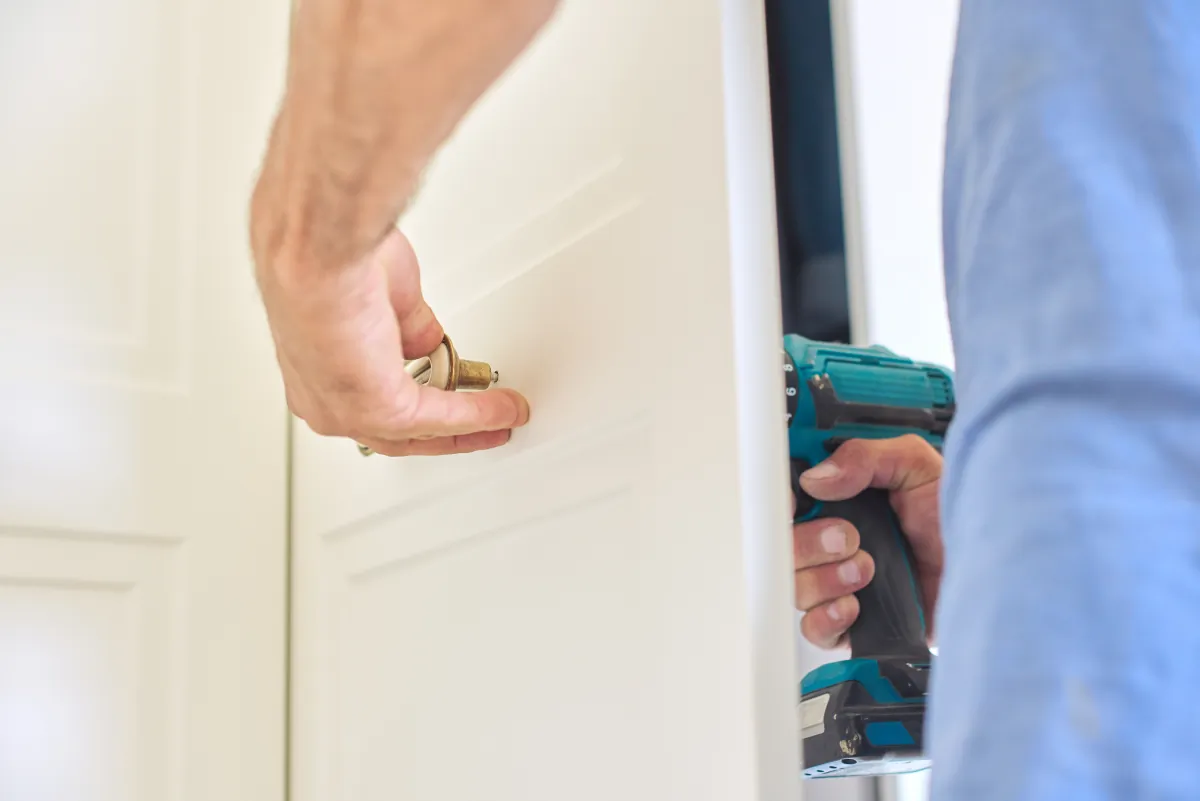
- Doors and hardware: closers, latching, access control, ADA-operable hardware
- Finishes and durability: flooring transitions, wall protection, ceiling access panels, touch-ups
Pre-Bid Package (What To Send For Pricing)
Closeout pricing moves faster when the contractor can see constraints and acceptance criteria. In addition, Share a compact packet so the estimate matches the real access conditions.
- Your current punch list (even if it’s rough), plus a target turnover date
- Latest drawings and specs in circulation, including any approved revisions
- Photos or short videos of each issue, labeled by room/area
- Operating hours, blackout dates, and permitted noise windows for the site
- Building rules for loading, elevator use, hot work, and waste removal
- Known inspection status (open permits, correction notices, finals needed)
- Required closeout deliverables (as-builts, warranty letters, operations and maintenance manuals, trainings)
Comparing Closeout Bids (And Spotting Red Flags)
Closeout proposals look similar on the surface, so compare them on coordination and risk. Meanwhile, A low number can create schedule drift if the scope is vague or exclusions hide the real work.
- Scope clarity: line items by trade and by area, not a single lump sum
- Safety and compliance: containment plan, signage, and a plan to keep egress clear
- Insurance fit: ability to meet COI requirements and landlord additional-insured requests
- Access strategy: daytime vs after-hours pricing, plus noise/dust controls for each option
- Inspection coordination: who schedules, who meets inspectors, and how re-inspections are handled
- Closeout deliverables: what you get at turnover and when you get it (not after payment)
Red Flags To Watch:
- Time-and-materials with no not-to-exceed cap or productivity assumptions
- No after-hours option even though the site has strict operating constraints
- Vague language like “as needed” on items that clearly require materials or specialty trades
- Unassigned responsibility for permits/inspections when they apply to the scope
- Closeout documentation promised “later” instead of defined deliverables
Safety & Compliance During Punch Work
Punch list work still creates real jobsite risk. Overall, Treat the space as an active work zone, especially when staff, vendors, or adjacent tenants are nearby.
- Post signage and keep barricades in place around work areas
- Control dust with containment, negative air when appropriate, and daily cleanup
- Maintain clear, code-compliant egress paths at all times
- Use hot-work permits and fire watch procedures when the site requires them
- Coordinate lockout/tagout for electrical and mechanical systems during testing
Tenant And Customer Coordination
Restaurants add an operations layer because training, deliveries, and customer flow can overlap punch work. Additionally, A short communication plan prevents surprise closures and protects brand standards.
- Send a daily plan: areas impacted, start/stop times, and noise/dust notes
- Confirm who holds keys/alarm codes and who can grant access after hours
- Stage materials off the customer path and protect finished surfaces during corrections
- Coordinate with equipment vendors for startup, calibration, and manufacturer checks
- Plan around health/fire walkthroughs so stakeholders see a clean, ready space
Scope, Stakeholders, And Site Walk Prep
A productive closeout walk happens when decision-makers show up and the team agrees on acceptance criteria. As a result, Otherwise, the punch list keeps changing and trades bounce back to the same items. As a result, For restaurant tenant improvement closeout planning, define who can approve “good enough” in the field before crews start rework.
Stakeholders To Include On The Closeout Walk
- Facility/property manager (schedule owner and documentation gatekeeper)
- Tenant/operator lead (functional needs, training, and day-one readiness)
- Landlord/center management (turnover requirements and site rules)
- GC/project manager and key trades (real-time answers and immediate planning)
- Design team or consultant when ADA/code interpretation is necessary
Site Walk Prep Checklist
- Bring current drawings, prior correction notices, and any inspection requirements list
- Use one punch list log with: location, trade owner, due date, and photo
- Tag items that gate inspections or operations so they get scheduled first
- Confirm what “complete” means for each item (test, photo, sign-off, or all three)
Questions To Ask Before Awarding Closeout Work
- Can you share references for similar restaurant TI closeouts with comparable operating constraints?
- Who will run the punch list day-to-day, and how will updates be reported?
- What’s your plan for protecting finished areas while fixing defects?
- What closeout documents do you provide, and when do you deliver them?
Downtime &Amp; Phasing Plan For Restaurant Tenant Improvement Closeout
Downtime planning is the difference between a controlled closeout and a shutdown. For example, Even when the restaurant isn’t open yet, staff training, vendor deliveries, and landlord access rules act like operating constraints. Also, A restaurant tenant improvement closeout often includes dozens of small corrections. So the team needs a plan for where people work and when.
After-Hours And Weekend Work Windows
After-hours work can keep corrections moving without interrupting service, although it changes staffing and supervision. In addition, Put the rules in writing so every trade plans for the same access window.
- Define quiet hours, delivery windows, and any blackout dates for the site
- Identify noisy and dusty tasks (grinding, coring, ceiling access) and schedule them off-peak
- Confirm security access, alarm procedures, and who locks up each night
- Require containment and surface protection in finished areas
- Plan a daily handback: safe walk paths, clean floors, and restored utilities
Phasing Map And Daily Handback
Phasing works best when the team limits trade stacking and finishes one zone at a time. That approach also makes inspections easier because inspectors see complete, accessible work.
- Build a zone map (front-of-house, back-of-house, restrooms, exterior interface) with target dates
- Sequence punch items by dependency: life safety and inspections, then MEP, then finishes
- Hold a 10-minute daily huddle to clear access conflicts and confirm material arrivals
- Document each completed item with a photo and sign-off to avoid rework disputes
| Decision point | Schedule impact | What to confirm before committing |
|---|---|---|
| Daytime vs after-hours punch work | Changes labor availability, noise controls, and supervision needs | Written access windows, security rules, and daily cleanup expectations |
| Inspection sequencing | Can gate turnover and trigger rework if items fail | Who schedules, who attends, and how re-inspections are planned |
| ADA/code scope sensitivity | May require re-measurement and corrective work late in the schedule | Clear acceptance criteria and who approves field changes |
| Closeout documentation requirements | Affects handoff speed and warranty start dates | Deliverables list tied to payment milestones |
When you request a written estimate for closeout help, ask for a schedule narrative along with the price. Overall, A proposal should explain how the team will staff access windows, manage punch list reporting, and coordinate trade dependencies.
Permits, Inspections, Code & ADA (If Needed)
Closeout often stalls because of open permits, missing finals, or corrections that require another inspection cycle. For this reason, Because inspection lead times vary, a restaurant tenant improvement closeout can stall without early booking and clear ownership.
Who Pulls, Who Schedules
Responsibilities vary by contract and jurisdiction, so clarify this early and put it in the scope. In addition, Clear ownership keeps the site from waiting on the wrong party to book an inspection.
- Confirm who is the permit holder and who communicates with the authority having jurisdiction
- Create an inspection matrix: trade, required inspection, status, next action, and target date
- Schedule likely finals early and reserve time for re-inspections and corrections
- Keep correction notices organized and track each item to completion with photos
- Ensure a knowledgeable site contact meets the inspector and can answer questions
Code And ADA Checks That Commonly Land On Punch Lists
Use the approved plans as your baseline, then verify field conditions match what inspectors and stakeholders expect. Overall, When conditions differ, route decisions through the right approver before crews rework finishes.
- Accessible routes: clear paths, compliant hardware operation, and unobstructed signage placement
- Restrooms: accessories installed per plans, door swing conflicts resolved, and finishes sealed where required
- Egress and life safety: exit signage/lighting operation and any alarm or suppression interfaces
- Equipment clearances and utility connections that affect safe operation and maintenance access

Documentation, Closeout & Warranty
A clean punch list means little if the team can’t support the space after turnover. Overall, Closeout documentation turns the project into an operable facility: it gives maintenance teams the right manuals, warranty terms. And inspection sign-offs to keep systems running.
Closeout Package Checklist (What To Request)
- As-built drawings or redlines reflecting field changes
- Product data and submittals for installed systems and finishes
- Warranty letters with start dates, coverage limits, and contact info
- Testing reports when applicable (equipment startup, balance, life-safety tests)
- Final inspection sign-offs and a record of resolved correction notices
- Keys, access control details, and any required user codes/hand-off logs
- Training notes for staff and facilities (basic operations, shutoffs, resets)
- Lien releases or closeout affidavits as required by your contract
Warranty And Service Handoff
Warranties work best when the owner understands what maintenance is necessary and who responds to what. Overall, Clarify the response path so urgent issues don’t turn into downtime.
- Define a single point of contact for warranty calls and how issues are logged
- Separate “defect correction” from damage due to operations or misuse
- Collect vendor contacts for equipment and specialty systems
- Confirm any required ongoing service (for example, fire protection or HVAC maintenance) and who manages it
Commercial Closeout Support In California
US Construction & Remodeling Corp. Also, is based in Sacramento and supports commercial teams across California, including projects in the Bay Area and Los Angeles. To discuss a restaurant tenant improvement closeout scope or request a written estimate. Call +1 (916) 234-6696 and share your current punch list, plans, inspection status, and access constraints.
Helpful Links
Related Service Page
Related reading
Frequently Asked Questions
Set sign-off authority before the closeout walk so trades don’t chase changing targets. In most commercial settings, you want joint sign-off where each party owns different risk.
- Tenant/operator lead: functional readiness and staff workflow
- Facility/property manager: documentation completeness and operations constraints
- Landlord/center management: turnover requirements and common-area rules
- GC/PM: trade accountability and schedule commitments
- Design consultant (as needed): ADA/code interpretation and acceptance criteria
Inspections can gate turnover, even when the remaining work looks minor. Book likely finals early, plan for re-inspections. And keep a single inspection log that ties each correction notice to a punch item.
When permits apply, confirm who schedules inspections and who meets inspectors onsite. Otherwise, the site can sit idle while teams wait on the wrong party.
Yes, and it’s often the cleanest way to limit operational disruption. The tradeoff is coordination: supervision, security access, noise limits, and daily cleanup matter more off-hours.
- Define access windows and lock-up responsibility
- Use containment and surface protection in finished areas
- Plan a daily handback so the space is safe and presentable
At minimum, require documents that let your team maintain systems and enforce warranties. For restaurant tenant improvement closeout work, missing manuals and sign-offs often create avoidable downtime later.
- As-builts/redlines and product data
- Warranty letters and vendor contact list
- Final inspection sign-offs and resolved corrections record
- Testing and startup reports when applicable
- Keys/access control handoff and training notes
Closeout can be priced as a defined scope, time-and-materials with a not-to-exceed cap. Or a hybrid with unit rates for common items. The best approach depends on how complete and stable the punch list is.
Ask bidders to state assumptions, exclusions, after-hours options, and what documentation is included so pricing aligns with schedule risk.
- Undefined scope with heavy “as needed” language
- No plan for inspection coordination when permits are involved
- No containment/safety plan for work in occupied or adjacent-tenant areas
- After-hours work required by operations, but not priced or addressed
- Closeout documentation excluded or deferred until after final payment
Licensed, insured & trusted local contractor
US Construction & Remodeling Corp.
9821 Business Park Dr, Sacramento, CA, 95827
Phone: +1 (916) 234-6696
CSLB License #: 1117562 Fully licensed and insured.
Explore the full service overview
If you want the big-picture process, pricing factors, and what to expect, start here: Bar & Café Build-Outs.