Skip links

Roseville Solar Permit Checklist for Homeowners

If you’re planning a rooftop solar project in Roseville, getting the paperwork right matters as much as choosing the equipment. Many delays come down to solar panels permit requirements that weren’t clarified early—roof details, electrical scope, and where equipment will be installed.

Quick checklist:

  • Verify roof condition first; plan reroof timing before installing panels.
  • Size the system from real kWh usage and shading, not just panel count.
  • Compare inverter options (microinverters vs string + optimizers) and monitoring.
  • Confirm permitting and utility interconnection responsibilities and timeline.
  • Review the contract (warranties, production assumptions, exclusions, roof penetrations).
  • Confirm any electrical panel upgrades and inspection steps.

This homeowner guide lays out what to decide up front, what reviewers typically look for, and how to keep inspections on track. If you want help scoping the project and organizing the submittal, schedule a free estimate online (or call +1 (916) 234-6696).

TL;DR: Lock your scope, confirm roof and electrical readiness, and assemble a consistent plan set before you submit. In Roseville, aligning permit review, inspections, and utility approval early helps avoid schedule surprises.

  • Confirm roof condition and mounting zones
  • Decide system size and backup goals
  • Verify electrical panel capacity and available space
  • Choose equipment locations (inverter/battery/disconnects)
  • Collect spec sheets and a simple site plan
  • Plan inspection access and crew parking

The Planning Checklist That Prevents Rework For Solar Panels Permit Requirements

Permitting delays usually happen when the paperwork doesn’t match the real job: the roof layout is different, the electrical scope changes, or equipment locations weren’t decided. For example, When that happens, reviewers request revisions, and revisions can push inspection dates and installation windows.

This checklist is for Roseville homeowners planning a new solar array, adding a battery for backup, coordinating solar with roof work, or comparing multiple bids. In addition, Even if you hire a contractor to handle the details, understanding the basics helps you ask the right questions and avoid avoidable rework.

Mistakes That Trigger Re-Submittals (Avoid These)

  • Submitting drawings that don’t match the actual roof planes, also penetrations, or mounting zones
  • Swapping equipment models after submittal without updating the spec sheets in the packet
  • Discovering late that the main panel needs work (no space, aging components, or required upgrades)
  • Skipping a clear equipment layout (where the inverter, disconnects, and batteries will be installed)
  • Not planning a clean conduit route, especially when exterior walls and attic access are limited
  • Leaving HOA architectural review until the city packet is already in motion

Most solar panels permit requirements come down to consistency: the drawings, spec sheets, and your site conditions should tell one clear story.

Define Scope And Must-Haves

Lock in the decisions below before anyone finalizes drawings or orders materials. Additionally, That small upfront discipline usually saves the most time later because it prevents design changes mid-review.

  • System goal: offset energy use, add backup, or prepare for future EV charging
  • Roof strategy: install on the existing roof or coordinate with roof replacement
  • Electrical scope: keep the existing panel, add a subpanel, or upgrade service if needed
  • Equipment placement: choose locations that stay accessible and protect the look of the home
Decision to lock inWhy it matters for permitsWhat it can change
Array location and layoutDrives the roof plan, attachment details, and any structural notesLabor complexity, roof penetrations, and install day access
Electrical tie-in approachAffects the electrical diagram, equipment list, and safety labelingPanel work, conduit routing, and inspection coordination
Battery backup (yes/no)Adds equipment placement, clearances, and sometimes ventilation considerationsMaterial lead times, space planning, and overall cost
Roof repairs or replacementMounting approach must match roof condition and roof typeScheduling with roofing work and the overall timeline

When you’re ready, schedule a free estimate online so we can review scope, roof conditions, and the permit packet before you submit.
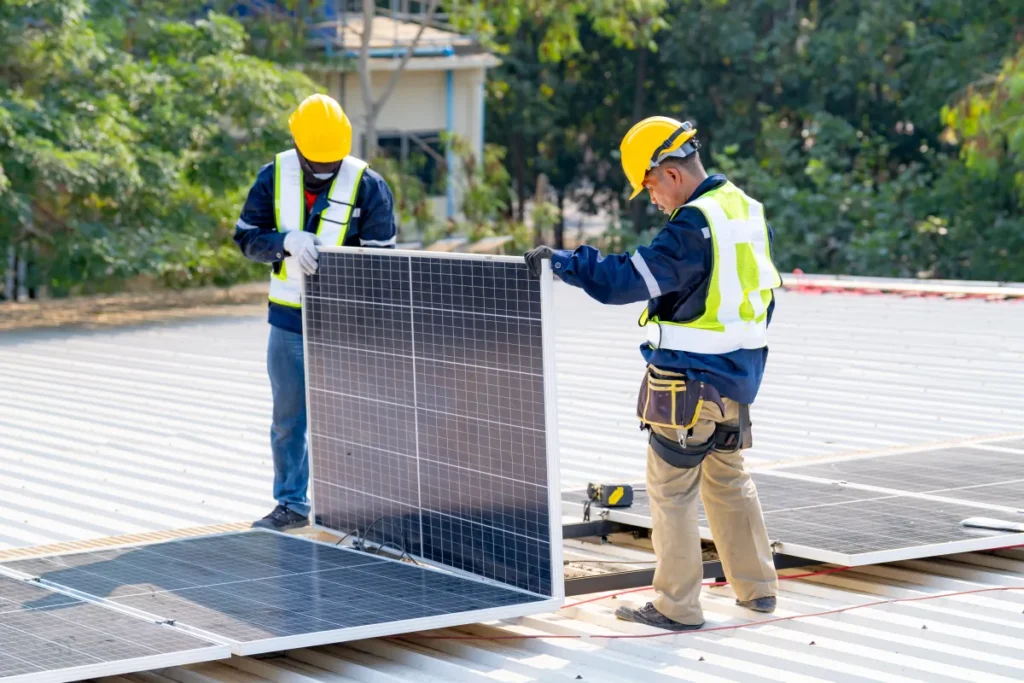
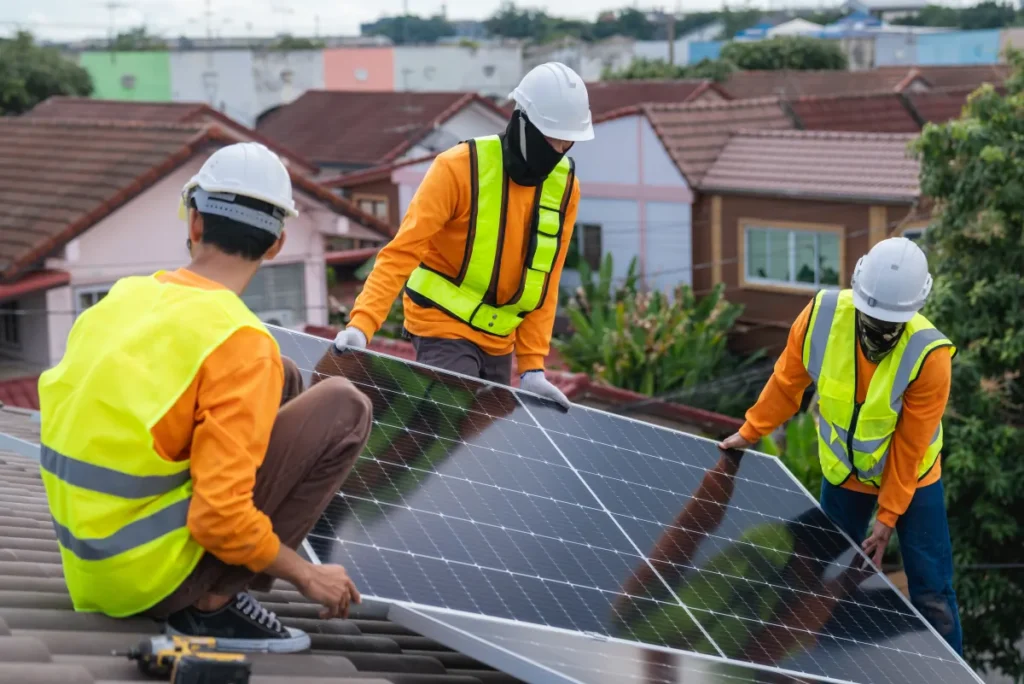
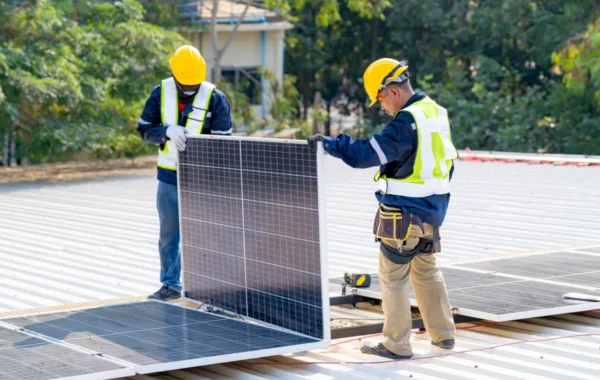
solar panel workers installing solar panels for efficient ene

Material Selections And Lead Times For Solar Panels Permit Requirements

Permits move faster when your packet lists the exact components you plan to install. As a result, Even if you’re still comparing options, narrowing to a final equipment list early helps prevent redraws and re-submittals later.

Selections That Affect Drawings And Approvals

  • Panel model and wattage: sets array size and roof layout
  • Mounting/racking system: ties to roof type and flashing details
  • Inverter equipment: determines where electrical gear will sit and how it will be mounted
  • Battery backup (optional): adds placement, clearance, and service-access planning
  • Conduit and shutoff locations: influences exterior routing and accessibility

Because supply availability changes, confirm lead times before you submit. For this reason, If a key component is back-ordered, it may be smarter to permit with an available equivalent than to redesign mid-review.

Permits, Inspections, And Scheduling

In Roseville, residential solar projects typically involve building and electrical review plus at least one inspection. Also, Requirements vary by home and scope, so verify the latest submittal and scheduling steps through the City of Roseville Development Services online permit center.

Permit Basics (What Triggers Review And Inspection)

Permits help ensure roof attachments are safe, electrical connections are protected, and required safety labeling and shutoffs are in place. Meanwhile, If your project includes a main panel upgrade, a battery system, or significant routing changes, expect more plan details and additional inspection coordination.

  • Plan check reviews the drawing set and equipment documentation for completeness
  • Inspections confirm the installation matches the approved plans before the system is energized
  • Utility interconnection approval is separate from the city permit and can add time at the end

Typical Timeline In Roseville (Ranges)

  • Site review and design: ~3–10 days to finalize layout and electrical approach
  • Permit submittal and plan review: often ~1–4+ weeks depending on workload and revisions
  • Installation: commonly ~1–3 days once materials are on hand
  • City inspection: often ~3–10 business days after install, depending on availability
  • Utility approval / Permission to Operate (PTO): can take ~1–4+ weeks after final inspection paperwork is accepted

Those ranges are typical, not guarantees. Overall, Missing documents and late scope changes create the biggest slowdowns when homeowners research solar panels permit requirements.

Common Items In A Permit Packet

  • Site plan showing equipment locations (meter, main panel, inverter/battery location)
  • Roof plan with panel layout and attachment notes
  • Electrical single-line diagram and equipment list
  • Manufacturer spec sheets for major components
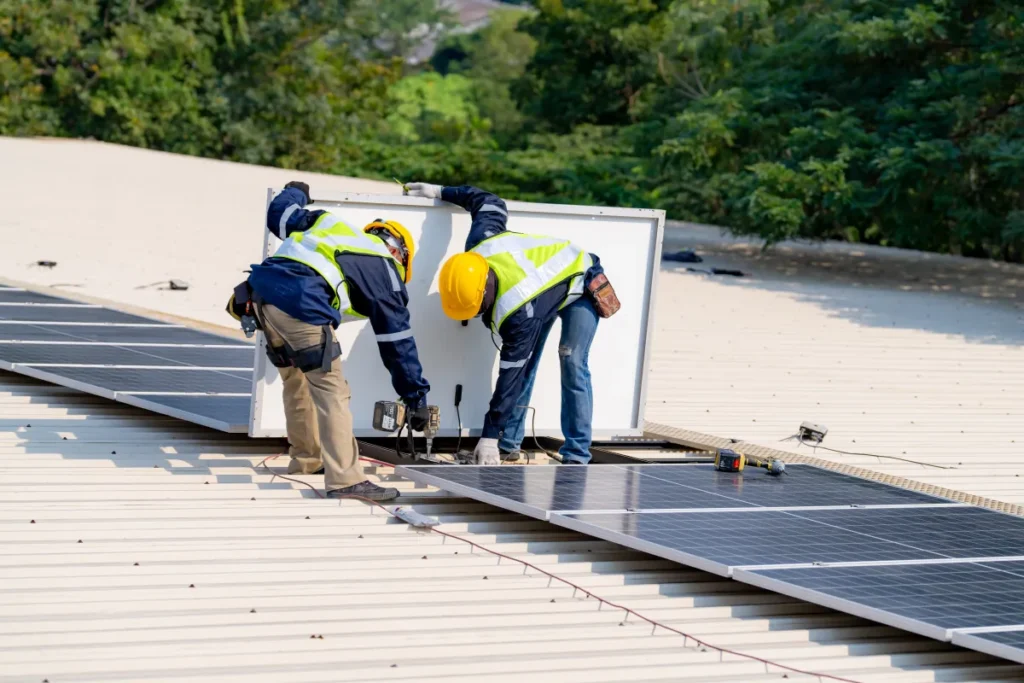
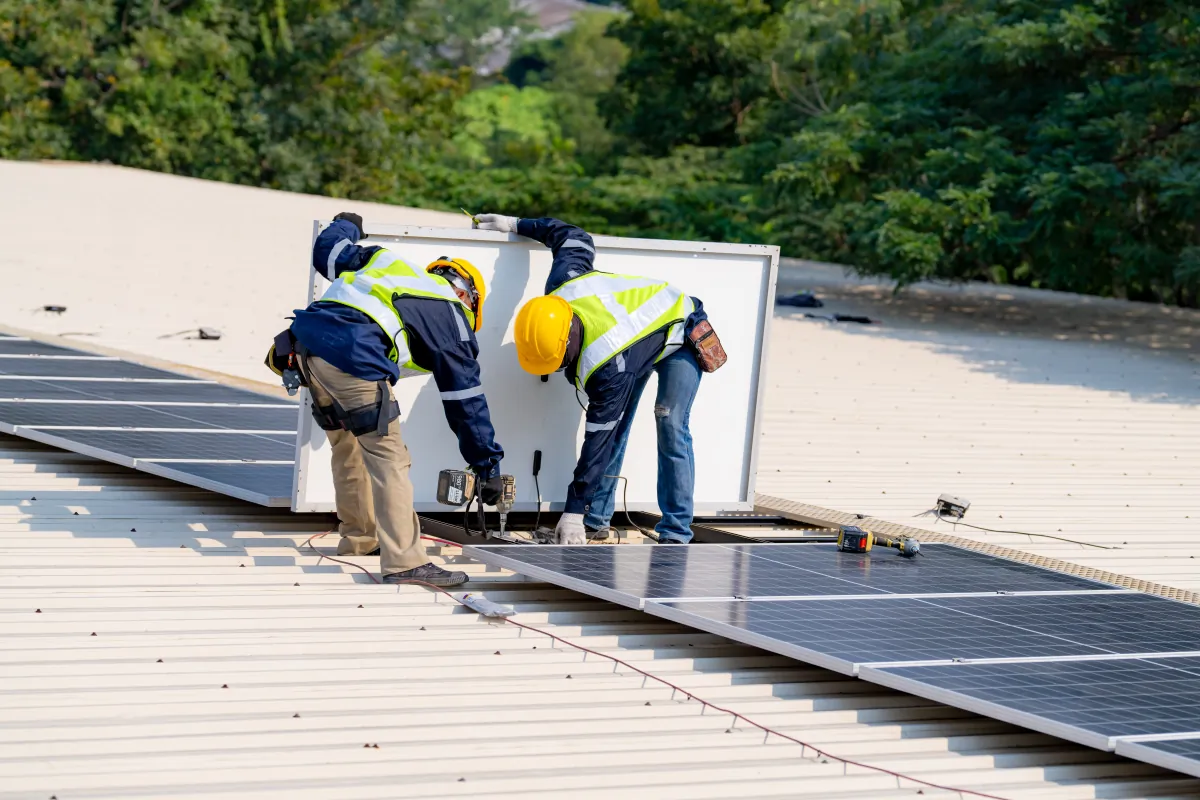
solar panel workers installing solar panels for efficient ene

Site Prep And Living-Through Tips

A solar install is usually quick, but it touches the roof, electrical system, and sometimes the attic or garage. As a result, A little prep keeps the work contained and helps inspections go smoothly.

Prep That Makes Install Day Easier

  • Clear driveway/curb space for crew parking and material staging
  • Move vehicles away from the meter and main electrical panel
  • Secure pets and plan for indoor access if attic/garage work is necessary
  • Expect brief power shutoffs if electrical work is scheduled
  • Protect landscaping near ladder paths and any exterior conduit runs

Safety And Access For Every Household

If anyone in the home has mobility concerns, plan for clear walkways while ladders and cords are in use. Also ask the installer to keep required clearances around electrical equipment so shutoffs stay reachable and readable.

  • Request a clear “no-walk” zone under ladder locations
  • Keep at least one door path unobstructed during work hours
  • Place new equipment where you can safely operate shutoffs without climbing

Closeout Checklist And Warranty Notes

Closeout is more than turning the system on. For this reason, Keep the paperwork organized so you can handle warranty questions, insurance requests, or a future sale without scrambling. For this reason, This step matters just as much as the build when you’re working through solar panels permit requirements in Roseville.

Closeout Checklist

  • Final signed permit/inspection record from the City of Roseville
  • Approved plan set and any as-built updates
  • Equipment manuals and warranty registration confirmations
  • Photos of equipment labels and shutoff locations for your records
  • Confirmation that utility approval/PTO has been completed (if required for your project)

Want help coordinating the permit packet and scheduling in Roseville?

For example, Book online or call +1 (916) 234-6696.

About the contractor: US Construction & Remodeling Corp. Meanwhile, supports Roseville homeowners with project scoping, planning coordination, and clear communication from start to closeout.

Helpful Links

Licensed, insured & trusted local contractor

US Construction & Remodeling Corp.
9821 Business Park Dr, Sacramento, CA, 95827
Phone: +1 (916) 234-6696

CSLB License #: 1117562 Fully licensed and insured.

View our Google Business Profile

Leave a comment

This website uses cookies to improve your web experience.
Explore
Drag