Timeless Bathroom Design
A bathroom can look sharp on install day and still feel dated a few years later. In most homes, timeless bathroom design comes from a handful of decisions you can control: how the room flows, where the wet areas sit, and which finishes you will actually keep clean. This guide breaks those choices into practical, buildable moves we use when planning remodels with homeowners at US Construction & Remodeling Corp.
TL;DR: Lock in a comfortable layout, keep the palette simple, and invest in the items you touch every day. Trendy accents come and go, but good lighting and durable surfaces keep paying you back.
Quick Checklist:
- Confirm the layout (shower/tub, toilet, vanity) before picking tile
- Choose one main metal finish (chrome, brushed nickel, etc.)
- Use larger porcelain tile in wet areas to reduce grout lines
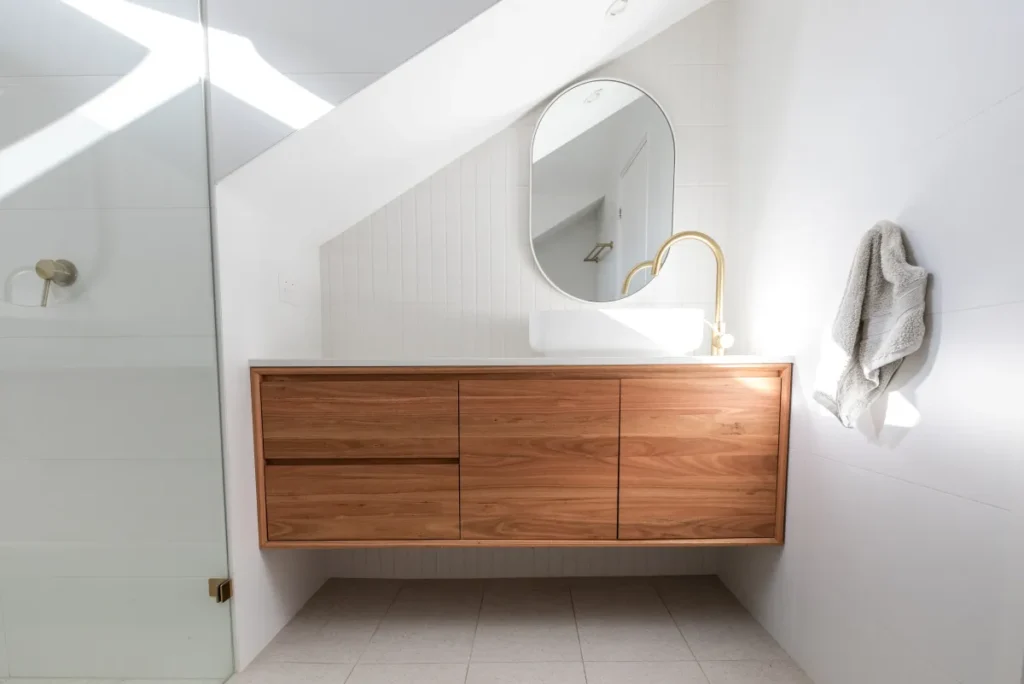
- Pick a simple vanity door style (Shaker or slab) with a durable top
- Plan layered lighting: ambient + mirror task + shower accent
- Add storage that hides clutter (recessed niche, medicine cabinet, drawers)
Even if you are only updating finishes, start with measurements and a lighting plan. It keeps the design coherent and helps you avoid surprises once walls open up.
Materials, Layout, And Long-Term Value For Timeless Bathroom Design
| Decision | Why it matters | Quick check |
|---|---|---|
| Wet-area finishes | Wet zones need durable, easy-clean surfaces. | Choose materials rated for bathrooms and simple maintenance. |
| Ventilation | Helps prevent humidity and long-term damage. | Confirm fan sizing and vent routing. |
| Layout | Good layout improves daily usability. | Verify clearances and door swings. |
| Budget control | Keeps scope creep from blowing up the price. | Use allowances and a written change-order process. |
Timeless does not mean bland. Also, It means the room looks intentional today and still makes sense after styles shift. When you anchor decisions in proportion and durability, you get timeless bathroom design that stays easy to live with and easier to resell.
Use the ideas below as a menu. For example, You do not need all of them, but you do want a consistent theme.
- Keep plumbing on the same wall when you can; it usually protects budget and schedule.
- Choose a simple tile pattern (stacked or running bond) and let texture add interest.
- Build a neutral base (warm white, also soft greige, light stone) and add color with paint and linens.
- Use clean-lined shower glass (minimal framing) to keep sightlines open.
- Stick to classic metal finishes like chrome or brushed nickel for broad appeal.
- Prioritize drawer storage in the vanity; drawers keep daily items organized.
- Use a recessed medicine cabinet or mirrored cabinet to add storage without bulk.
- Size the mirror to the vanity (or slightly wider) to improve proportion and light.
- Add a recessed shower niche instead of hanging caddies where possible.
- Pick a floor with grip (slip resistance) so the room stays safe in socks and bare feet.
- Choose fixtures that feel solid in-hand and stay easy to clean over time.
Hypothetical Before-And-After: Dated To Timeless Without Changing The Footprint
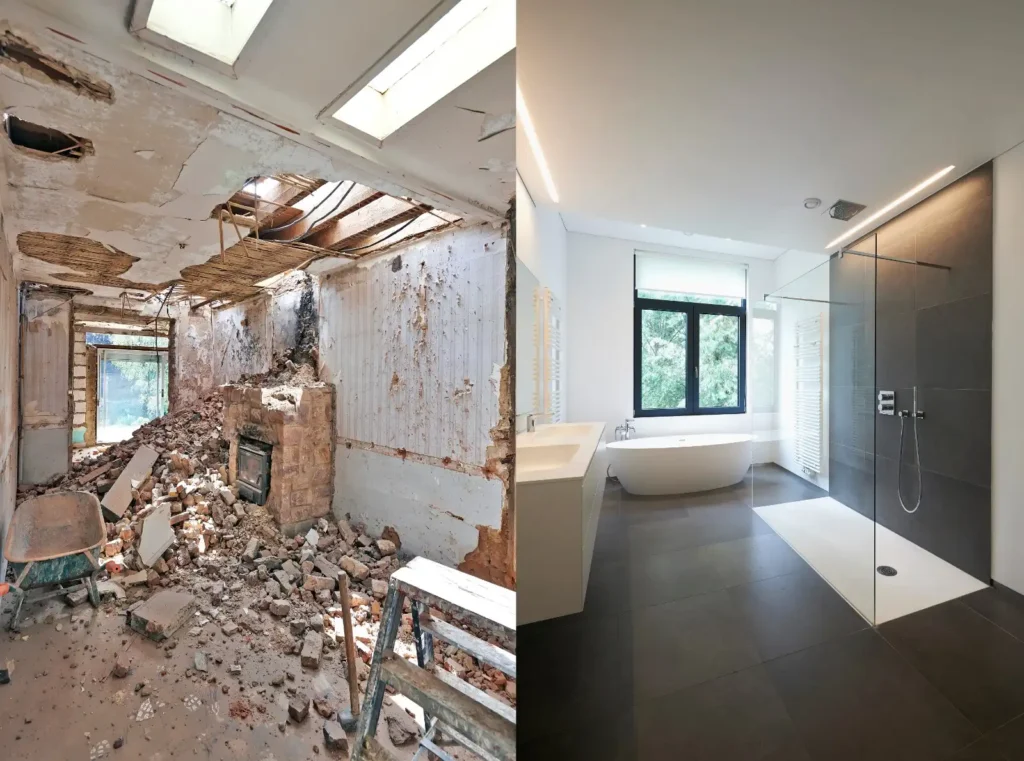
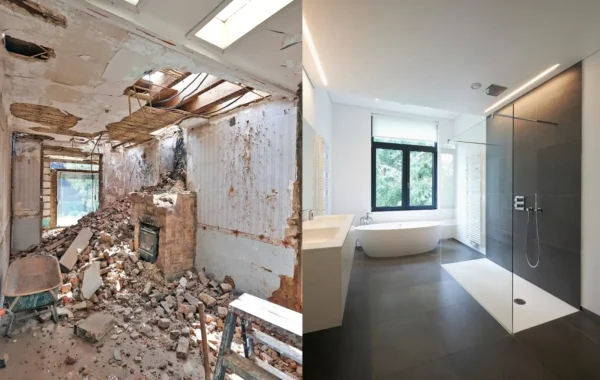
Hypothetical example: A homeowner starts with a 1990s bath: small 4x4 tile, a bulky framed mirror, and a vanity with little drawer space. Meanwhile, The layout works, but the room feels dark and visually busy.
After: the same layout stays in place, but the finishes get simpler and better scaled. Overall, Larger wall tile reduces visual breaks, a shaker-style vanity adds real storage, and layered lighting at the mirror makes the room feel brighter. The bathroom feels bigger because the proportions improve, not because the square footage changes.

Layout Planning And Everyday Usability For Timeless Bathroom Design
A beautiful bathroom that is awkward to use never feels timeless. Additionally, Start by locking in clearances, door swings, and storage so daily routines feel easy. Then match the finishes to the plan instead of forcing the plan to fit a tile you already bought.
A Practical Layout Planning Method
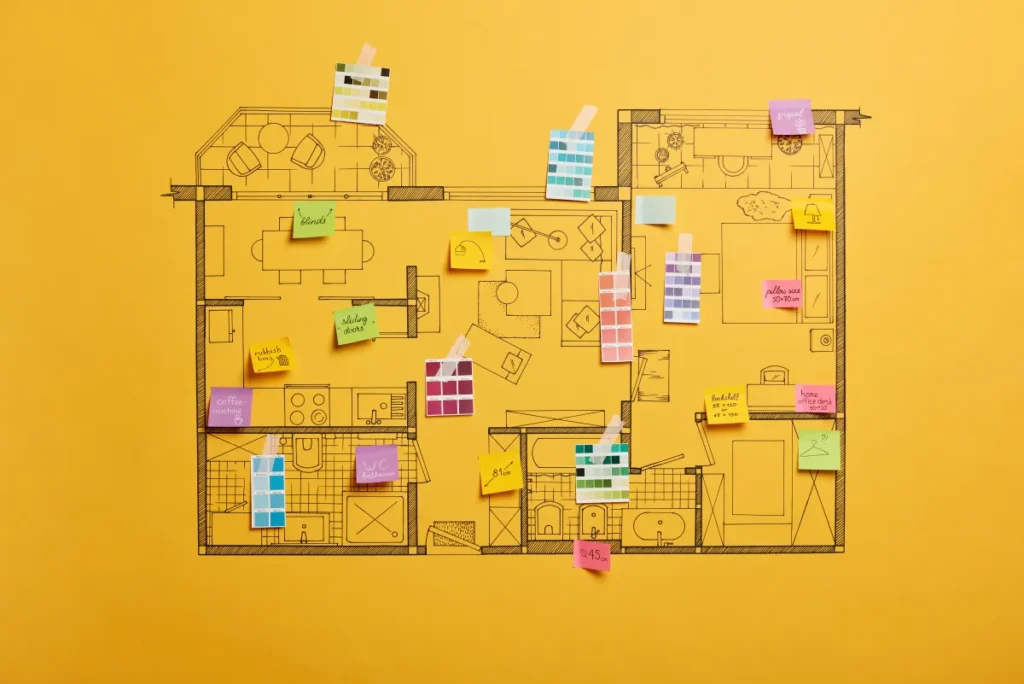
Start with a simple sketch and real measurements. As a result, The term wet zone means the area that gets direct spray and needs the most water protection (shower walls, tub surround, and nearby floors).
- Measure the room and mark constraints (windows, door swing, vents, and plumbing locations).
- Decide your wet zone: shower, tub, or combo, plus where splash will land.
- Select a vanity size based on storage needs and walkway comfort.
- Confirm toilet and shower entry clearances so the room does not feel tight.
- Plan storage early (medicine cabinet, niches, linen space) to prevent countertop clutter.
- Sketch lighting and outlets so the mirror area works every day.
Four Layout Shapes That Keep Working
These labels come from space planning. For this reason, They apply to bathrooms when you think about where fixtures and storage land on the walls.
- Galley: A longer, narrower room with fixtures on one or both sides. In addition, Keep it clean and linear with a wall-hung mirror, streamlined vanity depth, and a clear path to the shower.
- L-shape: Fixtures turn the corner (for example, vanity on one wall and shower on the adjacent wall). Meanwhile, This often creates a natural dry zone near the entry.
- U-shape: Three-sided planning (vanity, toilet, and shower each claim a wall). Meanwhile, It can feel luxurious in larger baths, but it needs careful spacing so it does not feel boxed in.
- Island-centered: A center feature (often a freestanding tub or a large vanity island) with circulation around it. Also, This is for bigger primary baths where you can keep walkways generous.
Small-Bath Layout Plays That Feel Bigger
When the room is tight, small decisions add up quickly. Also, The goal is to reduce visual clutter and protect the walking path.
- Use a shower with clear glass instead of a curtain to open sightlines.
- Choose a shallow-depth vanity when walkway space is limited.
- Put storage in the wall (recessed cabinet or niche) instead of adding furniture.
- Use a pocket or out-swing door where the layout allows (and code permits).
- Keep transitions simple: fewer material changes makes the floor feel larger.
Layered Lighting Plan (Ambient, Task, Accent)
Lighting dates a room fast when it is harsh or uneven. Also, Layered lighting keeps faces flattering at the mirror and makes finishes look intentional.
- Ambient: Overall light (ceiling fixture or recessed lights) that fills the room evenly.
- Task: Dedicated mirror lighting (sconces or a quality vanity light) for shaving, makeup, and skincare.
- Accent: A subtle shower light, toe-kick glow, or niche light to add depth without looking trendy.
| Decision | Timeless default | Budget/timeline impact |
|---|---|---|
| Move plumbing | Keep major fixtures on the same wall | Often lowers cost and reduces inspection complexity |
| Shower finish | Porcelain tile, simple pattern | Large tile can reduce labor; complex mosaics can add time |
| Vanity + top | Drawer vanity + quartz/solid-surface top | Custom sizes and specialty tops can extend lead times |
| Lighting | Ambient + mirror task + soft accent | Extra circuits and placement planning can add prep work |
| Detail features | Niches, simple trim, clean glass | More detail work can add labor, but improves daily use |
Materials That Hold Up (Pros/Cons)
Bathrooms punish materials with water, steam, and cleaning products. Additionally, For timeless bathroom design, durability beats novelty. Pick finishes that look good under bright light, tolerate daily use, and stay repairable.
Tile, Countertops, Cabinets, Fixtures
- Wall and shower tile (porcelain): Pros: dense, durable, and widely available. Also, Cons: busy patterns can date quickly; choose a calmer look and let grout lines stay consistent.
- Natural stone: Pros: truly classic look. Also, Cons: needs sealing and more careful cleaning; plan for maintenance if you choose it.
- Countertop options: Quartz (low maintenance), solid surface (easy to repair), porcelain slab (hard and sleek), and natural stone (classic but higher upkeep). Also, Match the edge profile to the style you want: simple edges age best.
- Cabinetry and cabinet door styles: Shaker and slab doors read classic because the lines stay clean. Meanwhile, Raised-panel can work in traditional homes, but avoid overly ornate profiles that lock you into one era.
- Flooring choices: Porcelain tile remains the go-to for moisture resistance. Meanwhile, Natural stone looks great but needs sealing. High-quality luxury vinyl can work in some bathrooms, but confirm it suits your wet-zone exposure.
- Fixtures and finishes: Chrome and brushed nickel tend to age well and hide wear. Matte black can look sharp, but it may show water spots depending on your water and cleaning habits.
Maintenance Habits That Keep It Looking New
A timeless design still needs smart upkeep. The goal is to prevent buildup and catch small issues before they turn into repairs.
- Use a pH-neutral cleaner on tile and stone (avoid harsh acids on natural stone).
- Squeegee shower glass a few times a week to reduce spotting and soap film.
- Re-caulk corners when you see gaps or cracking; water finds weak points fast.
- Clean the ventilation fan cover and confirm it is moving air, not just making noise.
- If you chose natural stone, follow the sealer schedule recommended for that product.

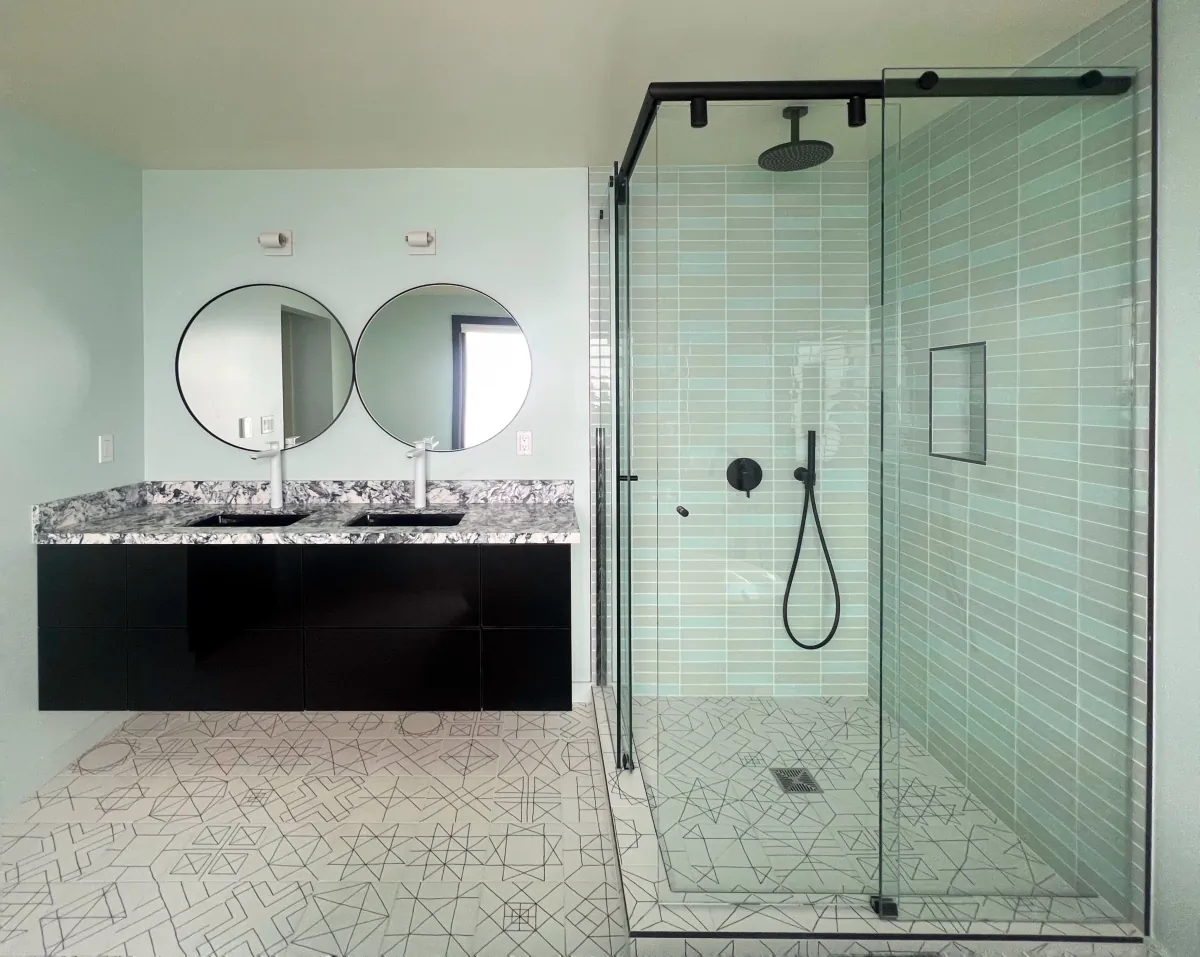
Comfort + Efficiency Features
US Construction & Remodeling Corp. helps California homeowners turn these design choices into a real plan: a workable layout, a finish package that fits the home, and a schedule that matches your deadline. We are based in Sacramento and also serve areas like San Francisco, San Mateo, and Los Angeles. If you want to start with timing and scope, book a planning call here: https://usconstructioncali.com/free-estimate/ or call +1 (916) 234-6696.
Comfort Upgrades That Do Not Look Trendy
These features improve daily life without forcing a specific style.
- Quiet ventilation sized for the room (good airflow protects paint and finishes).
- Heated floors in tile areas for comfort on cold mornings.
- A handheld shower option for rinsing, cleaning, and accessibility.
- Shower niches and ledges designed around your actual bottle sizes.
- GFCI-protected outlets placed where you actually use them (hair tools, electric toothbrushes).
- Water-saving toilets and faucets that still feel strong and consistent in use.
- Anti-fog mirror options if you hate waiting after a hot shower.
Value & ROI Notes (General)
Bathrooms can influence buyer perception because people notice them immediately. That said, ROI varies by neighborhood and the condition of the home. The safest strategy is to prioritize function and broad appeal while keeping the design cohesive.
ROI Priorities That Keep Broad Appeal
- Keep the layout logical and comfortable; awkward clearances turn buyers off quickly.
- Choose finishes that look clean in natural light (avoid overly busy patterns).
- Invest in mirror lighting and ventilation; it signals quality and improves daily use.
- Plan storage that hides clutter (drawers, cabinets, niches) so the room photographs well.
- If it is your only tub, think carefully before removing it; families often want at least one.
Budget & Timeline Snapshot (Typical)
Budget and timeline move based on scope. Keeping the layout often costs less than moving plumbing and electrical. Custom tile details, specialty materials, and long lead-time fixtures can also stretch the schedule.
Budget Ranges & Timeline (Typical)
- Costs (planning-only ballpark): Keeping the layout often lands in the low-to-mid five figures; moving plumbing and doing custom work can push higher.
- Onsite work: Many bathrooms take several weeks once materials are on site; complex scopes and inspections can add time.
- Lead times: Vanities, specialty tile, and custom glass can drive the calendar more than labor does.
- Permits: If your scope changes plumbing, electrical, or ventilation, requirements vary by city and county across California.
If your timeline matters (guests, a move, or a listing), start planning before you fall in love with a single finish. A clear scope and early ordering usually protect the schedule.
Helpful Links
- Schedule a planning call / free estimate
- California Contractors State License Board (CSLB) consumer resources
Frequently Asked Questions
Timeless usually comes from simple lines, consistent finishes, and materials that wear well. When you follow timeless bathroom design principles, the room still feels current even as styles change.
- Keep patterns calm and repeat the same finishes throughout
- Use classic proportions (mirror and vanity sized correctly)
- Invest in lighting and ventilation, not just decorative tile
Choose based on how you live in the home. Walk-in showers can improve accessibility and make small spaces feel larger, while a tub can matter for kids or if it is the only tub in the house.
A common compromise is keeping one tub elsewhere and using a walk-in shower in the bathroom you use most.
Shaker and slab doors tend to age well because the lines stay simple. Raised-panel doors can work in more traditional homes, but overly ornate profiles can lock the bathroom into one era.
Quartz and solid surface are popular because they are durable and easy to clean. Porcelain slabs can look sleek and resist staining, while natural stone can look classic but needs more careful maintenance.
Whichever you choose, a simple edge profile usually looks best long-term.
Fewer grout lines generally means easier upkeep, which is why larger tile is often a smart choice. Also consider a grout color close to the tile so normal wear does not stand out.
- Use a quality grout appropriate for wet areas
- Seal when required and clean with non-harsh products
- Address small cracks early to prevent water intrusion
Often yes, especially if you move plumbing, change electrical, or modify ventilation. Requirements vary by city and county, so confirm early based on your exact scope.
If you want to start with timeline planning, book here: https://usconstructioncali.com/free-estimate/ or call +1 (916) 234-6696.
Licensed, insured & trusted local contractor
US Construction & Remodeling Corp.
9821 Business Park Dr, Sacramento, CA, 95827
Phone: +1 (916) 234-6696
CSLB License #: 1117562 Fully licensed and insured.