Wood Siding Homes: A California Guide
Wood siding can bring warmth and character, but wood siding homes in California need a plan for moisture, sun exposure, and ongoing upkeep. This guide helps you decide between repair and replacement, choose a profile and finish, and plan the work so it looks clean and performs well.
TL;DR: Start with the “water plan” before you pick a style—wrap, flashing, clearances, and a finish system you’ll maintain. Budget and timeline usually swing on hidden rot repairs, access, and how much trim/detail work you add.
Quick Checklist:
- Press-test lower boards, corners, and window trim for soft spots
- Decide whether you’re repairing, re-siding one elevation, or replacing everything
- Pick a profile and layout (lap, shiplap, board-and-batten) that fits the home
- Confirm moisture protection details before demo starts
- Plan penetrations (lights, vents, hose bibs) so they mount and seal cleanly
- Get a written scope that includes prep, rot allowances, and daily cleanup
If you want a scoped price with clear options, schedule a free estimate online. Prefer to talk it through? Call +1 (916) 234-6696.
Design Ideas For Wood Siding Homes
| Decision | Why it matters | Quick check |
|---|---|---|
| Material choice | Durability and maintenance differ by material. | Compare fiber cement vs vinyl and verify warranties. |
| Moisture management | Water control prevents rot and mold. | Confirm housewrap and flashing details around openings. |
| Trim & transitions | Details control fit and long-term sealing. | Specify corners, soffit/fascia scope, and finish plan. |
| Access & protection | Staging affects speed, cost, and safety. | Plan scaffolding, landscaping protection, and cleanup. |
Wood siding gives you real flexibility: you can keep it traditional, push it modern, or blend textures without making the exterior feel busy. Meanwhile, These ideas focus on choices that look good and stay maintainable.
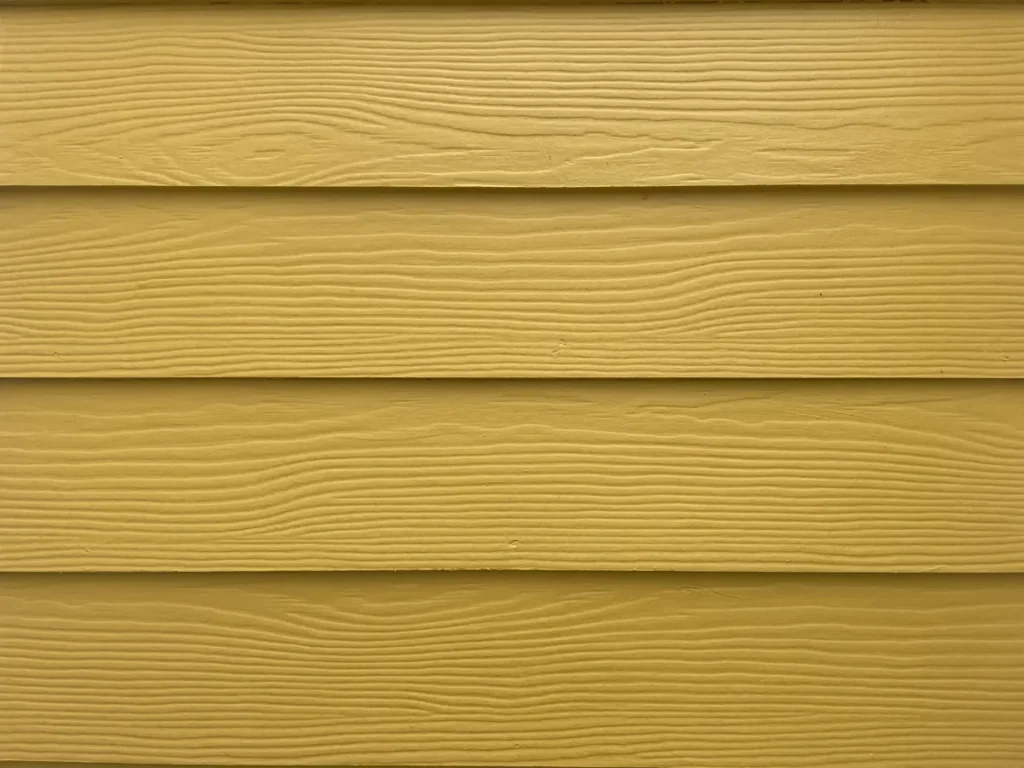
- Classic lap: a familiar, also clean pattern that works on most elevations
- Shiplap or tongue-and-groove: tighter reveals for a more contemporary feel
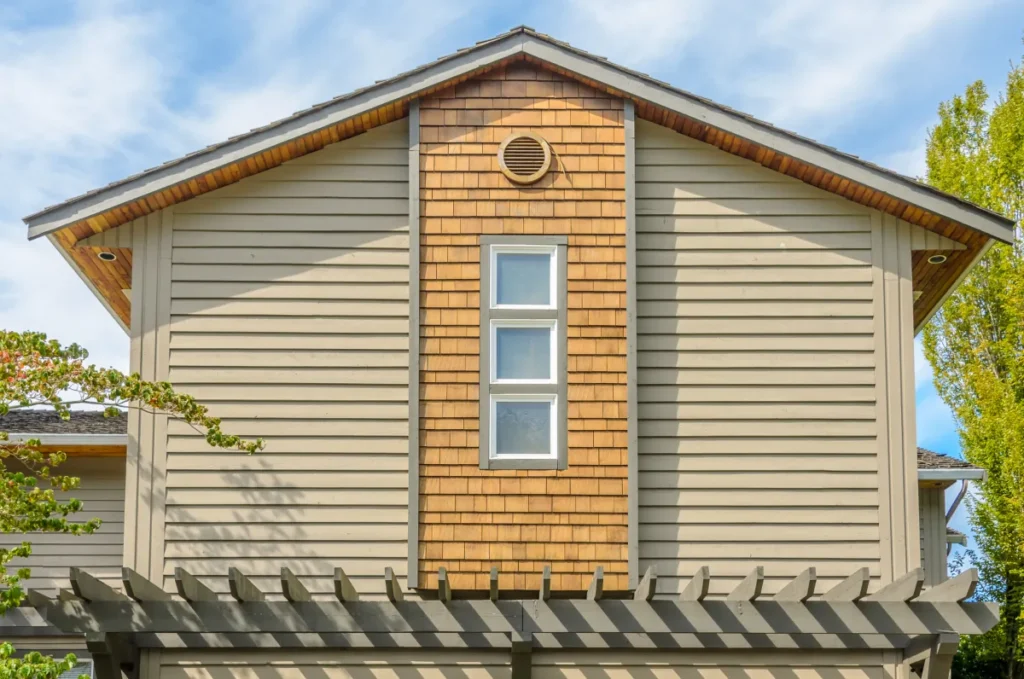
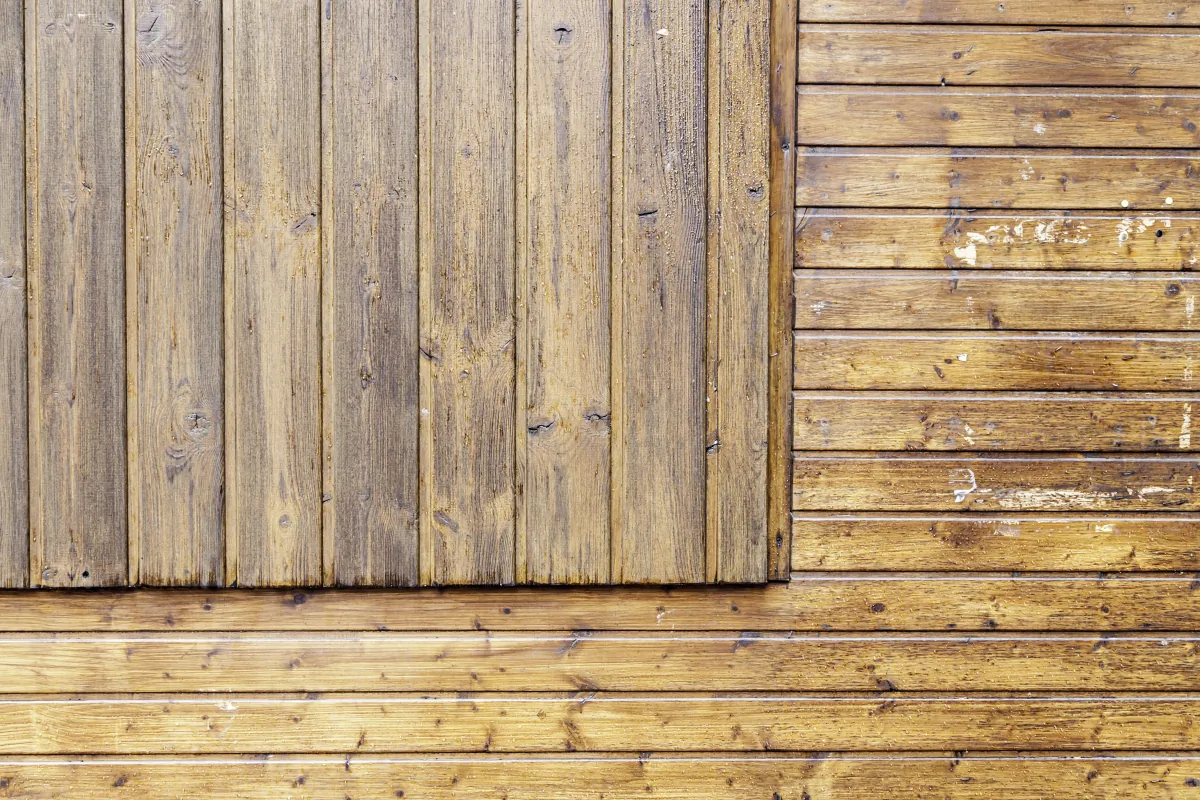
- Board-and-batten accents: add vertical lines on a gable or entry wall
- Shingle/shake detail: a targeted accent that adds depth without overdoing it
- Trim refresh: consistent trim widths around windows and doors makes the whole facade read sharper
- Two-tone palette: body and trim colors that intentionally contrast (or quietly match)
- Prefinished boards: factory-applied finishes can reduce on-site painting time on many projects
- Stain-forward look: highlight grain with stain, while planning for future re-coats
- Cleaner corners: choose corner boards or mitered details that match the profile and your maintenance comfort
- Lighting layers: combine ambient, task, and accent lighting so the new siding looks good at night too
When you narrow down styles, keep performance in view. Additionally, A great-looking profile still needs smart clearances at the bottom edge and durable details around windows, doors, and penetrations.
Signs It’s Time For Wood Siding For Homes
Wood siding problems usually start small and get worse when moisture keeps finding the same weak points. In addition, Catching issues early can limit how much wall repair you need.
Red Flags You Can Spot On A Walk-Around
- Paint that peels in the same spots every year, even after repainting
- Boards that cup, warp, or pull away at the ends
- Open seams or recurring cracks at caulk lines around trim
- Soft or spongy wood near corners, window sills, and bottom edges
- Persistent dark staining that returns after rain or irrigation
- Swelling around hose bibs, light fixtures, or vent terminations
When Targeted Repair Still Makes Sense
A focused repair can be a smart option when damage is limited and you can fix the moisture source. Also, The goal is to rebuild the detail, not just cover the symptom.
- Replace damaged boards and any compromised sheathing behind them
- Prime and seal cut edges and end grain before installation
Common Upgrade Paths (What Changes Most)
Most homeowners end up choosing one of these upgrade paths. For example, Your best fit depends on the condition of the existing wrap/details and how much patchwork has already happened.
- Refresh and protect: selective board replacement, full prep, and a new paint or stain system
- Partial re-side: one or two elevations where sun and weather do the most damage
- Full replacement: consistent protection and detailing across every wall
- Performance upgrade: combine new siding with improved moisture details and, when appropriate, added wall insulation
Wood siding replacement often touches trim, fascia, and exterior paint. For this reason, If you’re planning a broader exterior refresh, you can see what we do at https://usconstructioncali.com/.
Elevation Layout Planning (So Courses Look Intentional)
Good layout planning reduces awkward seams and makes the finished exterior feel deliberate.
- Pick one primary profile for main walls and limit accents to one or two areas
- Align key trim breaks with windows and doors when possible
- Decide early on corner details so installers can keep reveals consistent
- Confirm bottom-edge clearances above grade, roofs, and hardscape
Small-Home Exterior Moves That Feel Bigger
On smaller elevations, simple patterns usually look more premium than a mix of many textures.
- Use vertical board-and-batten on a narrow front to add visual height
- Keep trim widths consistent so the facade stays calm and balanced
- Choose one accent zone (often the entry) instead of accenting every gable
- Use lighter body colors to open the look, then add contrast selectively
Exterior Storage And Utility Organization
When the wall is open, it’s easier to plan clean mounting and sealing for exterior add-ons. As a result, That keeps the finished siding looking uncluttered.
- Add backing for future hose reels, address numbers, cameras, or wall-mounted boxes
- Group outlets and hose locations around how you actually use the yard
- Use trim blocks for fixtures and vents to simplify sealing and future repainting
- Plan low-voltage routes so cables don’t end up stapled across new boards
Before-And-After Example (Hypothetical)
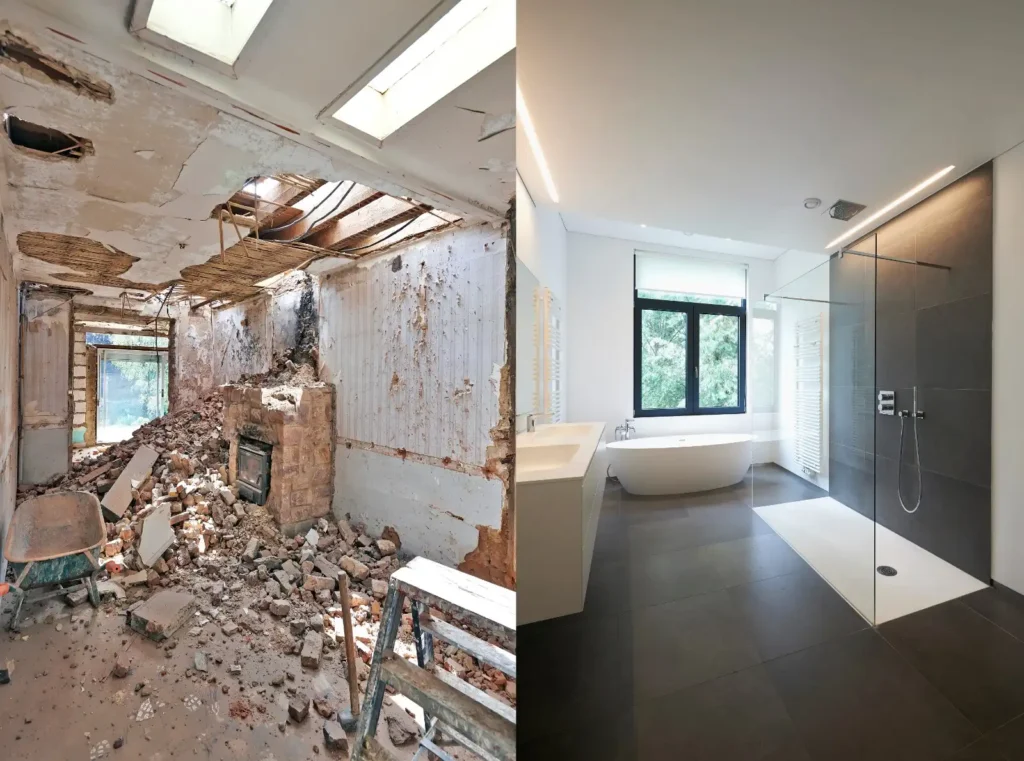
Before: repeated peeling paint along bottom courses, soft wood at two window corners, and mismatched patch boards that never lined up.
After: remove the failing sections, replace compromised material, rebuild the window details, and install new wood siding with consistent reveals and refreshed trim. Overall, A finish system chosen for the home’s exposure, plus a simple maintenance plan, keeps it looking even.

Budget Ranges And Timeline (Typical)
Wood siding budgets vary because the wall condition is often the wildcard. Overall, Once siding comes off, you might find clean sheathing—or you might find rot at corners and windows that needs carpentry before new boards go on.
Budget And Timeline Snapshot (Typical)
- Repair and repaint: often a few thousand to low five figures, and several days to about a week
- Partial re-side (one elevation): commonly low five figures, and about 1–2 weeks depending on repairs and finish
- Full re-side with trim refresh: commonly mid five figures and up, and roughly 2–4+ weeks depending on complexity
- Permits and inspections: requirements and turnaround vary by jurisdiction and scope
| Decision driver | What it changes | Budget impact | Schedule impact |
|---|---|---|---|
| Repair vs. full replacement | Demo, carpentry, and detailing scope | Low to high | Days to weeks |
| Finish system | Prep level, coats, and cure time | Medium | Short to longer |
| Hidden rot | Sheathing, framing, and trim repairs | Variable | Variable |
| Trim and accents | Window/door detail labor and paint time | Medium to high | Medium |
Common Planning Mistakes That Drive Rework
- Budgeting for “new boards only” and ignoring prep, trim, and paint/stain scope
- Skipping a plan for water management around windows, doors, and penetrations
- Not setting expectations for how hidden rot gets documented and approved
- Choosing a finish without a maintenance plan for future re-coats
- Forgetting access constraints (ladders, scaffolding, landscaping, tight side yards)
- Leaving fixture and vent locations to the last minute
Permits And Scheduling Notes
Permitting for siding work depends on your city or county and the exact scope. Also, Many jurisdictions in California require a permit when you remove and replace siding across large areas, repair structural elements, or modify openings, so it’s worth confirming early instead of guessing.
Homes built before 1978 can also trigger lead-safe requirements during prep and paint disturbance. In addition, If that applies, ask your contractor how they handle containment and cleaning under the EPA Renovation, Repair and Painting (RRP) Program.
Project Roadmap (Planning To Closeout)
- Walk-through and scope: identify rot risk areas, elevations, and finish goals
- Selections: profile, trim approach, finish type, and any accent zones
- Written proposal: what’s included, allowances for hidden repairs, and cleanup plan
- Permits (when required): submittals, plan review, and inspection points
- Site protection and demo: protect landscaping, windows, and walkways
- Repairs and moisture details: replace damaged material and rebuild vulnerable details
- Install and finish: siding installation, caulk where appropriate, paint or stain system
- Closeout: punch list, final cleanup, and a maintenance handoff
Maintenance Plan For New Wood Siding
Wood siding lasts longer when you treat maintenance like a schedule, not a surprise.
- Wash dust and pollen off periodically so finishes don’t break down early
- Inspect caulked joints and touch up small openings before water gets behind boards
- Keep sprinklers and hoses from soaking the siding and lower trim
- Maintain proper clearances: keep soil, mulch, and planters away from wood edges
- Touch up paint or stain chips quickly—small repairs prevent larger peel zones
- Recoat on a proactive cycle based on exposure (full sun and windward sides age faster)

Serving Sacramento Homeowners
US Construction & Remodeling Corp. Meanwhile, helps Sacramento homeowners plan wood siding repairs and replacements with a clear scope, durable moisture protection, and clean execution. Also, You’ll get straightforward options—repair, partial re-side, or full replacement—based on what your walls actually need.
Book a free estimate online for your wood siding project, or call +1 (916) 234-6696 to talk through priorities and timing.
Local Permitting Note For Sacramento
For addresses within the City of Sacramento, permitting and plan review commonly run through the Community Development online portal (Accela Citizen Access). In addition, That online workflow helps with applications, payments, and tracking status as the project moves forward.
Trust And Accountability
- Licensed and insured: ask for current coverage and confirm contractor status before work begins
- Permit responsibility: we’ll clarify what permits apply to your scope and who pulls them
- Communication: expect a clear point of contact, change-order documentation, and jobsite updates
- Workmanship checks: verify straight courses, consistent reveals, tight trim lines, and cleanly sealed penetrations
Contact: US Construction & Remodeling Corp. • +1 (916) 234-6696 • https://usconstructioncali.com/
Helpful Links
Frequently Asked Questions
Timeline depends on how much siding you remove, how much rot repair shows up after demo, and whether you’re finishing on site or using prefinished boards. Many projects range from several days (repair-focused) to a few weeks (full replacement with trim and finishing).
The biggest budget swings usually come from scope and wall condition. These factors commonly move the number the most:
- Wall area, height, and access (scaffolding or tight side yards)
- Hidden rot and sheathing/framing repairs after removal
- Trim complexity around windows, doors, and corners
- Finish choice (paint, stain, or prefinished boards) and prep level
- Permit requirements and inspection steps for your scope
- Lead-safe containment if paint gets disturbed on older homes
Sometimes. Permit rules vary by city or county and by scope. Large-area re-siding, structural repairs, and opening changes are more likely to require permits and inspections. A reputable contractor should tell you what applies to your specific address and scope before work starts.
Common choices include cedar and redwood for natural durability, as well as other wood products depending on budget and finish goals. Profile matters too—lap reads traditional, while board-and-batten adds vertical emphasis. Your finish system (paint, stain, prefinished) affects both appearance and how often you’ll recoat.
Maintenance is mostly inspection and fast touch-ups. Keep water off the siding, protect bottom edges, and address small openings early.
- Clean the surface periodically to reduce finish breakdown
- Inspect caulk joints and repair gaps before they grow
- Keep sprinklers aimed away from wood and trim
- Touch up chips quickly, especially on sunny or windward sides
- Plan for recoats based on exposure, not just years
Look for a scope that makes the “hidden work” visible on paper. A strong estimate typically includes:
- What gets removed and what stays (siding, trim, sheathing)
- Moisture protection approach and detailing around openings
- How rot repairs are handled (documentation, approvals, pricing method)
- Finish system details (prep level, primer, coats, cure time)
- Protection, cleanup, and disposal expectations
- Permit plan (if the scope triggers it) and inspection coordination
- License/insurance verification and written change-order rules
Licensed, insured & trusted local contractor
US Construction & Remodeling Corp.
9821 Business Park Dr, Sacramento, CA, 95827
Phone: +1 (916) 234-6696
CSLB License #: 1117562 Fully licensed and insured.