How Long Does It Take To Get 3D Remodel Designs In Sacramento?
Homeowners in Sacramento often ask how long it take get 3D remodel designs that feel accurate enough to build from. The timeline shifts with scope, decision speed, and whether you need a permit-ready plan set or just a concept render.
TL;DR: Many projects reach an initial 3D concept in about 1–3 weeks after measurements and a clear scope. A detailed, permit-ready package commonly takes 4–8+ weeks, especially when layouts change or structural work is involved.
Quick Checklist Before You Start:
- Photos of the space (and adjacent areas)
- Must-haves vs nice-to-haves (storage, seating, tub vs shower)
- Appliance/fixture wish list with rough sizes
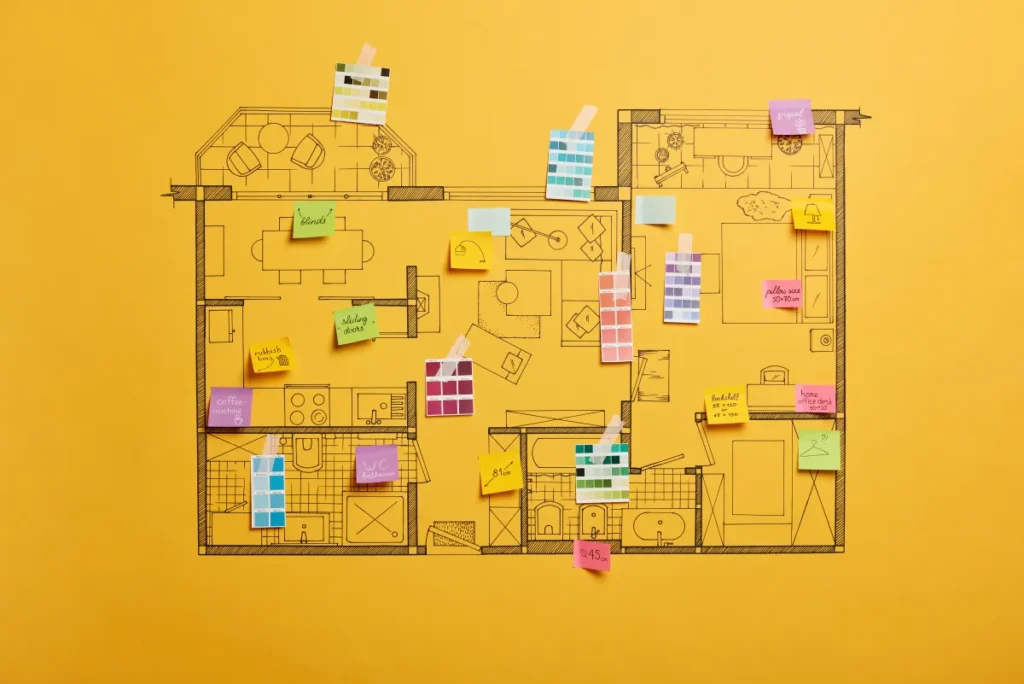
- 2–4 inspiration images that match your taste
- Decision-maker availability for review calls
- Budget comfort range for finish level
This guide maps the realistic path from layout options to 3D views, permit drawings, construction. And closeout—so you can plan around real lead times instead of guesswork.
How Long Does It Take To Get 3D Remodel Designs In Sacramento?: Quality, Safety, And Long-Term Value (The “Long It Take Get” Answer)
| Decision | Why it matters | Quick check |
|---|---|---|
| Scope | Defines what is included and prevents surprises. | Write a line-item scope and allowances list. |
| Site constraints | Access and hidden conditions can change the plan. | Check access and existing surfaces before work starts. |
| Selections | Long-lead items can drive the schedule. | Confirm availability before starting. |
| Permits | Some scopes require approvals and inspections. | Ask your city/county what applies to your project. |
- Test two layout options before moving plumbing or walls
- Model door swings, also appliance clearances, and traffic paths
- Plan layered lighting: ambient, task, accent
- Show real storage: pull-outs, pantry depth, niches, linen space
- Confirm ceiling heights, soffits, and window head heights
- Pick a finish palette early (cabinet, counter, backsplash, flooring)
- Decide on shower/tub strategy and glass style (if applicable)
- Place outlets, switches, and vanity lighting intentionally
- Choose fixtures and appliances with real dimensions
- Select moisture-safe and slip-resistant surfaces for wet areas
3D design pays off when it helps you make real decisions before demolition. For this reason, The quickest designs are the ones that use real measurements, real product sizes, and a clear target scope. When the plan isn’t settled, you spend time on revisions—and that’s normal.
When you search “long it take get” answers. Additionally, Start by defining what you need: a look-only concept, or a package that a crew can build from.
Who Benefits Most From 3D Remodel Designs
These projects usually get the most value from modeling the layout:
- Kitchens where you’re debating an island, peninsula, or moving the sink
- Bathrooms where you’re choosing between a walk-in shower, tub, or both
- Open-concept changes that affect multiple rooms and traffic paths
- Homes where storage and lighting need a major upgrade
- Any project where you want permit-ready drawings, not just visuals
Concept Render Vs Permit-Ready Design Package
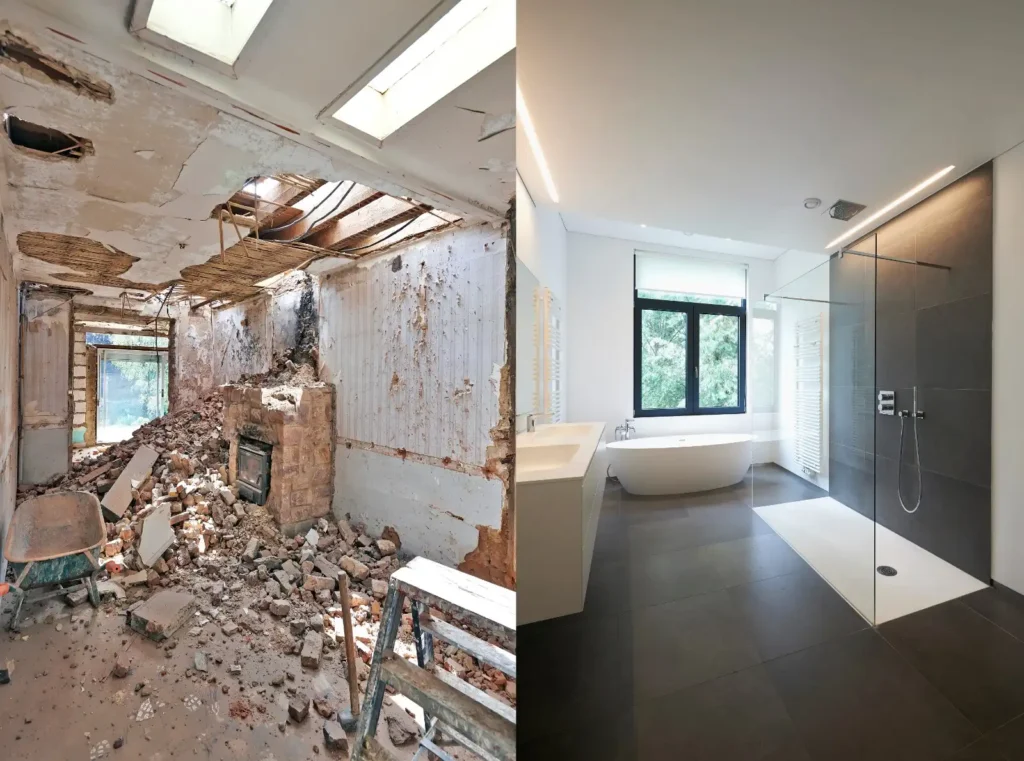
A concept render shows you the look and general layout. Also, A permit-ready package adds dimensions, notes, and coordination that contractors and inspectors can rely on. That extra detail usually adds weeks, but it also reduces rework during construction.
What Helps You Get To A Solid First Draft Faster
- Share appliance and fixture sizes early (range width, fridge depth, vanity length)
- Pick 2–3 “non-negotiables” and keep the rest flexible
- Decide whether you want to keep the existing layout or change it
- Limit inspiration images to a tight style direction
- Set a review rhythm for revisions (for example, one check-in per week)

Quality Checks That Matter
A 3D model moves quickly when the inputs are right. As a result, Quality checks keep the design buildable, not just attractive. They also support safety and long-term performance.
Field Measurements And Existing Conditions
Before anyone can trust a 3D plan, the team needs to verify what’s there as much as the scope allows. Meanwhile, That can include wall assumptions, plumbing paths, electrical capacity, window heights, and whether floors or walls are out of square.
Compare Common Layouts In 3D
A good model tests the daily flow. Overall, That means door swings, clearances, and landing zones for cooking and bathing—plus storage that fits how you live.
- Galley: Efficient for tight spaces; the model should show aisle comfort and appliance door clearance.
- L-shape: Great for adding seating; the model should show where the “work zone” stays uninterrupted.
- U-shape: Maximizes counter space; the model should verify that corners and drawer pulls don’t fight each other.
- Island-centered: Adds prep room and storage; the model should confirm traffic paths and bar-stool spacing.
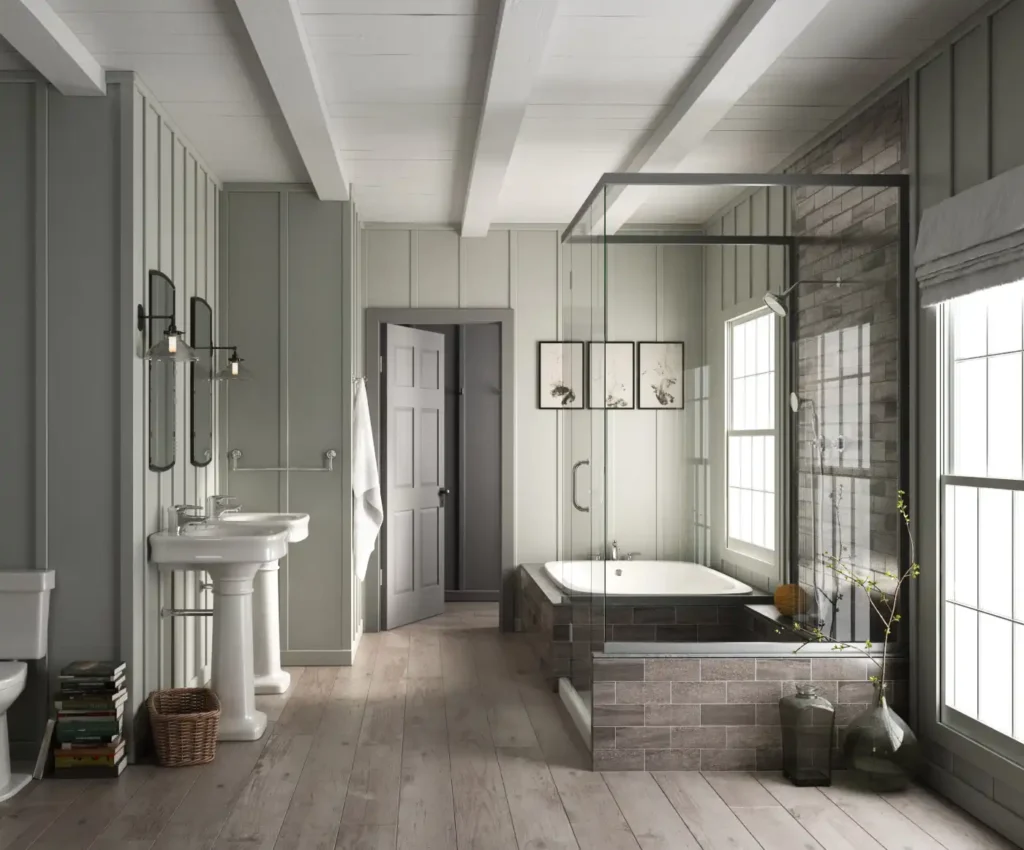
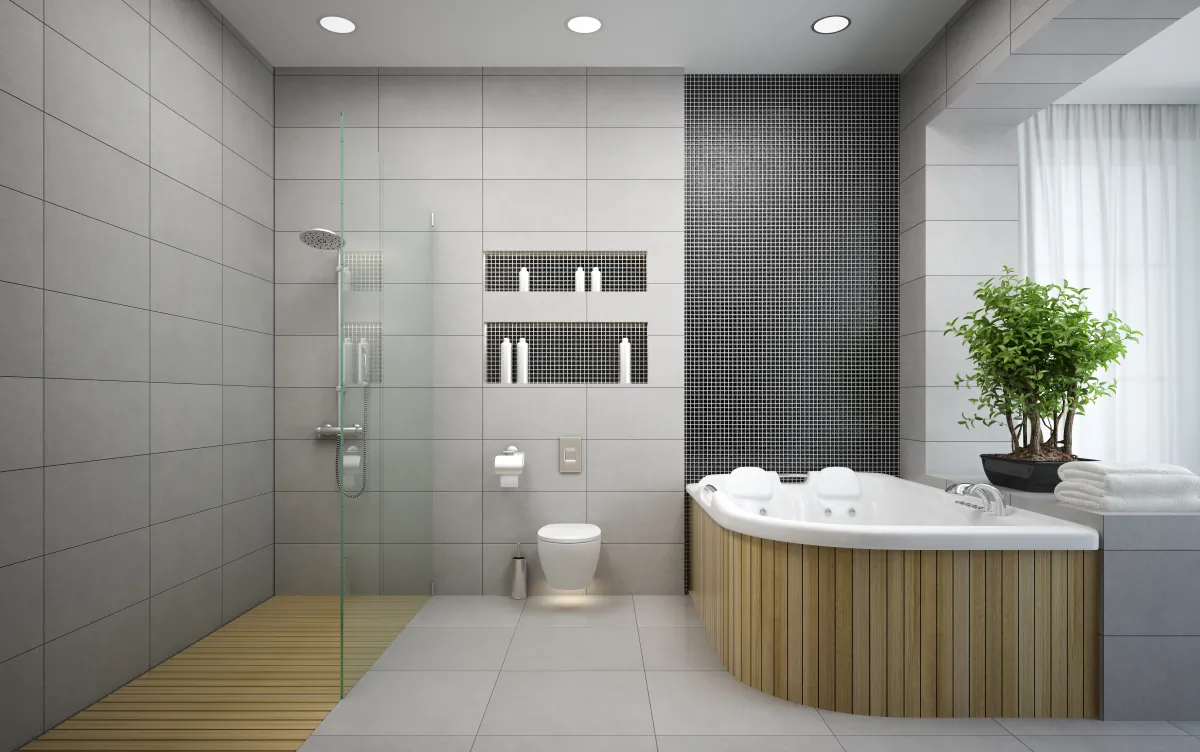
- Walk-in shower planning: In bathrooms, model the shower footprint, glass swing, niches, and bench placement so the space doesn’t feel cramped.
Small-Space Layout Moves (Kitchens And Bathrooms)
Small rooms can still feel open when the layout does the work.
- Use a pocket or out-swing door where it improves clearance
- Choose a vanity depth that leaves comfortable aisle space
- Keep wet-area transitions simple to reduce cleaning traps
- Build storage up the wall (tall cabinet, recessed niche, or stacked shelves)
- Use glass and lighting strategically to avoid a closed-in feel
Materials And Lighting You Should Model Early
Selections change dimensions and lines. They also affect how the room reads once lighting hits it.
Cabinet door styles: Shaker doors read traditional-to-modern, slab doors look sleek, and raised panels feel more classic. For example, Your 3D design should match the door style and hardware so proportions look right.
Countertop options: Quartz offers consistency, granite has natural variation, and laminate can be budget-friendly. In addition, Edge profiles and thickness change the visual weight, so the 3D view should reflect them.
Flooring choices:Porcelain tile is durable for wet zones, luxury vinyl plank can handle daily traffic. Also, And engineered wood adds warmth in drier areas. The model should show how flooring transitions land at doorways.
Layered lighting (ambient, task, accent): Use ambient light for overall brightness, task light for work areas (under-cabinet and vanity), and accent light to highlight features. Also, In 3D, this helps you avoid dark corners and harsh glare.

Materials And Maintenance Notes
US Construction & Remodeling Corp. Additionally, helps Sacramento homeowners turn 3D remodel ideas into buildable plans and clear selections that crews can follow on site.
Free estimate, or call Call.
What Performs Well Long-Term
3D designs look best when the materials match how you live. For example, Use the model to check color, texture, and maintenance—not just trends.
Cabinets: Ask about construction quality, drawer hardware, and finish durability. Meanwhile, Shaker and slab doors are both easy to keep clean, while highly detailed profiles can collect dust in high-use kitchens.
Countertops: Quartz resists staining for most households, while natural stone can need sealing. For this reason, Porcelain slabs handle heat well, but fabrication details matter at edges and seams.
Tile and grout: Large-format porcelain can reduce grout lines in showers and floors. Additionally, If you love small mosaics, plan for more grout maintenance and be intentional with grout color.
Fixtures: Match faucet and shower trim finishes to your maintenance habits. In addition, Some finishes show water spots more quickly, so a quick daily wipe makes a difference.
Maintenance Tips To Build Into The Design
- Choose grout and caulk locations that you can reach and clean easily
- Plan ventilation that actually clears moisture after showers
- Use backsplash and wall finishes that wipe clean without special products
- Avoid placing high-gloss surfaces where they’ll show fingerprints constantly
- Keep access panels and shutoff locations reachable for future service
Related reading
Frequently Asked Questions
For many Sacramento homes, an initial 3D concept can land within about 1–3 weeks after a site measure and a clear scope. A larger multi-room remodel, or a project that needs more investigation, can take longer.
To speed it up, share photos, rough product sizes, and your must-have list before the first draft.
Design timelines usually stretch when the scope keeps changing or key information arrives late. Common slowdowns include:
- Unclear scope (cosmetic refresh vs moving walls/plumbing)
- Missing appliance/fixture dimensions
- Multiple decision-makers giving separate feedback
- Adding engineering or permit-ready drawings mid-stream
- Complex tile patterns, custom cabinetry, or specialty lighting plans
Not always. A 3D rendering shows how the remodel can look. A permit-ready plan set includes dimensions, notes, and drawings that support construction and (when applicable) permit submittals.
If you want to move walls, add structural changes, or rework plumbing/electrical. Ask whether the design deliverables include a permit-ready set.
When a remodel needs permits, you’ll want the design to match what will be submitted for plan review. In Sacramento, permitting and plan review typically run through the City of Sacramento Community Development portal (Accela Citizen Access). And status tracking is online.
Because review timelines vary, it helps to finalize the layout and major selections before you submit.
Locking in a few dimension-driving selections early makes the 3D model more accurate. Start with:
- Appliance sizes and clearances (range, fridge depth, dishwasher)
- Vanity length and depth, plus mirror and light placement
- Shower footprint, glass style, and niche/bench locations
- Cabinet door style and hardware (it changes proportions)
- Countertop thickness and edge profile
- Tile size and layout direction
Ask for clarity on deliverables and decision points before you pay for design work.
- What you receive (3D views only vs drawings + elevations)
- How many revision rounds are included, and how feedback is collected
- Which product sizes must be chosen early to avoid redraws later
- How permit drawings are handled if permits apply
- How site conditions are verified, and what happens if something changes
If you want to talk through your scope and get a realistic schedule, start online or call. Schedule online here or call Call.
Related service
Looking for a step-by-step overview before you choose materials? Read 3D Visualization & Design Confidence.