Skip links

Sliding window guide for California homeowners

Replacing a sticky, drafty window feels simple until you compare sizes, glass, and installation methods. This guide explains what to look for in a sliding window and how to plan the job for smooth operation and a tight seal in California homes.

TL;DR: Prioritize the glide system (rollers and track), weather seals, and the right glass for your climate. Decide early between an insert replacement (new unit installed into the existing frame) and a full-frame replacement (old frame removed down to the rough opening) so the scope stays clear.

Quick Checklist:

  • Confirm the opening size and where the sash will slide without hitting furniture or blinds.
  • Choose a glass package: double-pane, Low-E coating, and optional laminated glass for added sound control.
  • Pick a frame material that matches your needs: vinyl, aluminum, fiberglass, or wood-clad.
  • Decide on insert vs full-frame installation based on the condition of the existing frame.
  • Ask up front who handles permits and inspection scheduling if your city requires it.
  • Plan for lead time on custom sizes and colors before you set an installation date.

What Changes The Experience The Most For Sliding Window

Decision Why it matters Quick check 
Install type Retrofit vs full-frame changes cost and finish work. Confirm if trim/stucco and interior casing will be disturbed. 
Glass package Affects comfort, energy use, and condensation. Compare Low-E/argon and key ratings (U-factor/SHGC). 
Measurements Ordering wrong sizes causes delays and rework. Do final measurements before ordering; confirm egress where needed. 
Lead times Windows often drive the schedule. Lock selections early and confirm delivery dates. 

A slider can feel solid or flimsy mainly because of hardware and how well the frame is set in the opening. As a result, With a sliding window, you move a sash (the part that holds the glass) on rollers along a track. Additionally, If the unit is out of square or the rollers are light-duty, it will drag and leak air.

Features That Matter Day To Day

  • Rollers and track: Look for sturdy rollers and a track that stays smooth after years of dust and use.
  • Interlock and weatherstripping: The interlock is also where two sashes meet; good seals reduce drafts and rattles.
  • Frame stiffness: A rigid frame helps the window stay square so it keeps gliding instead of binding.
  • Locking hardware: Ask about the lock style and whether upgrades like a vent stop (limits how far it opens) are available.
  • Screen quality: Tight screens and solid screen frames cut down on buzzing and gaps.
  • Water management: Exterior tracks should drain properly; keep weep holes (small drain openings) clear.

Mistakes Homeowners Make During Planning

  • Buying the lowest-cost unit without checking roller quality or warranty coverage on hardware.
  • Measuring only the visible glass instead of the full frame opening, which leads to ordering the wrong size.
  • Ignoring bedroom egress needs (a code-required emergency exit opening) when changing window type or size.
  • Skipping tempered glass where safety glazing is necessary by code in certain locations.
  • Replacing the window but leaving rot or water damage in the surrounding frame unaddressed.
  • Forgetting about window treatments and privacy, especially on street-facing rooms.

Resale And Long-Term Value

Buyers notice windows that open easily, lock securely, and look finished inside and out. In addition, The best return usually comes from choices that improve comfort and reduce future repairs: a tight seal, durable hardware, and glass that fits your climate. For example, If you plan to sell soon, keep colors neutral and aim for consistent window styles across the front of the home.

single hung window in

Layout And Function Improvements For Sliding Window

A slider works well when you want ventilation but do not have space for a window to swing inward or outward. For this reason, It is a practical choice over sinks, along walkways, and in rooms where furniture sits close to the wall.

Layout Planning That Prevents Regrets

  • Ventilation path: Pair a slider with another operable window across the room to create a cross-breeze.
  • Reach and clearance: Make sure you can comfortably reach the lock and screen without leaning over a counter or tub.
  • View lines: Set the sill height so you can see out when seated, especially in living rooms and bedrooms.
  • Privacy: For street-facing rooms, plan for blinds or shades before you choose the window depth and trim style.
  • Bedroom safety: If the window serves a bedroom, confirm the opening meets egress requirements for emergency escape.

Small-Space Placement Ideas

  • Over a sink where a crank-out window would hit a faucet or backsplash.
  • Next to a patio or side yard walkway where an outward-opening sash would be in the way.
  • On a narrow stair landing where you want light without taking up interior space.
  • In a laundry room where humidity control matters and you need easy screen access.

Materials And Finish Options

Frame material affects durability, maintenance, and how solid the window feels. Meanwhile, Glass choices often change comfort more than homeowners expect.

  • Vinyl: Low maintenance and common for energy-efficient replacements. Overall, Some product lines have limited exterior colors.
  • Aluminum: Slim profiles and strong frames. Additionally, Look for a thermal break (an insulating barrier in the frame) for better comfort.
  • Fiberglass: Very stable and strong. Also, It often holds paint well and resists warping.
  • Wood-clad: Real wood inside with a protective exterior cladding. Plan for higher maintenance expectations.

Glass Options That Change Comfort

  • Double-pane: Two layers of glass with an insulated space between them.
  • Low-E coating: A thin, nearly invisible layer that reflects heat while letting light through.
  • U-factor: How well the window resists heat flow; lower usually means better insulation.
  • SHGC: Solar Heat Gain Coefficient, or how much sun heat comes through; lower blocks more solar heat.
  • Laminated glass: A safety glass sandwich that can reduce outside noise and helps hold together if cracked.

Before-And-After Snapshot (Hypothetical)

Before: An older aluminum slider with worn rollers, loose seals, and a lock that does not pull the sash tight. For example, After: A new unit with upgraded rollers, fresh weatherstripping, and Low-E double-pane glass, installed square with new interior trim. For this reason, What changes: The window glides with one hand, closes snugly, and looks finished from the curb.

Cost Drivers + Timeline (Typical)

Pricing for a sliding window replacement is mostly driven by size, frame material, glass package, and installation conditions. For example, A straightforward swap in a sound opening costs less than a job that needs framing repairs or exterior stucco patching.

DecisionCommon choicesWhat it affectsScheduling impact
Install methodInsert vs full-frameTrim work, waterproofing scopeMore scope can add days
Glass packageLow-E, tempered, laminatedComfort, safety, soundSpecial glass may add lead time
Frame materialVinyl, aluminum, fiberglassLook, durability, maintenanceCustom colors can take longer
Opening changesSame size vs resizedFraming, drywall/stucco repairsPermits and inspections more likely
AccessGround floor vs upper floorSafety setup, protectionSetup time affects scheduling

Budget Ranges And Timeline (Typical)

  • Budget: Many standard-size replacements in California land around $700–$1,800 installed; large/custom units or premium materials can be $1,800–$3,500+.
  • Lead time: Custom sizes, grids, and specialty glass often take 2–6+ weeks to arrive after final measurements.
  • Install day: A single opening often takes a few hours; multiple windows may take 1–2 days depending on finish work.
  • Permits/repairs: Structural changes or hidden damage can add inspection steps and extra days.

What An Install Day Usually Includes

  • Protect floors and nearby furniture, then remove the old sash and frame as needed.
  • Inspect the opening for rot or water damage and correct issues before setting the new unit.
  • Set the window level and square, secure it, seal it, and test operation and locks.
  • Finish interior trim and exterior sealing details based on your siding or stucco conditions.
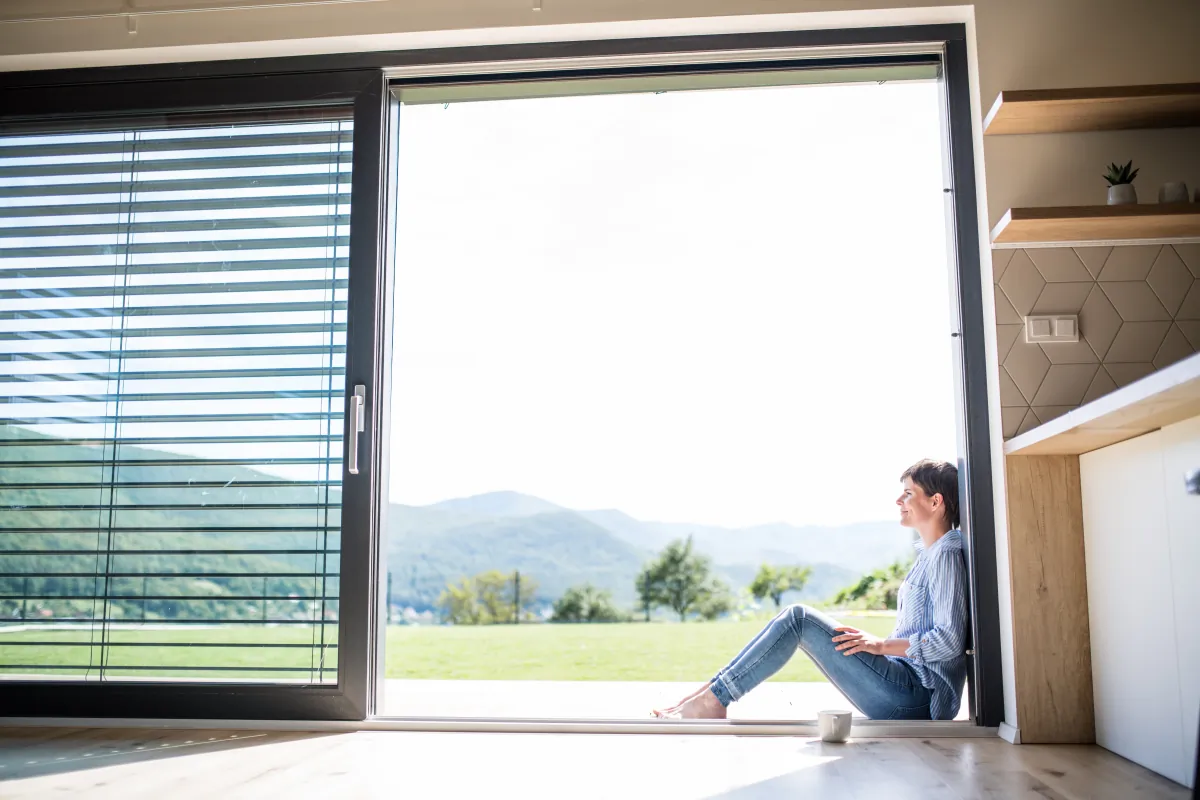
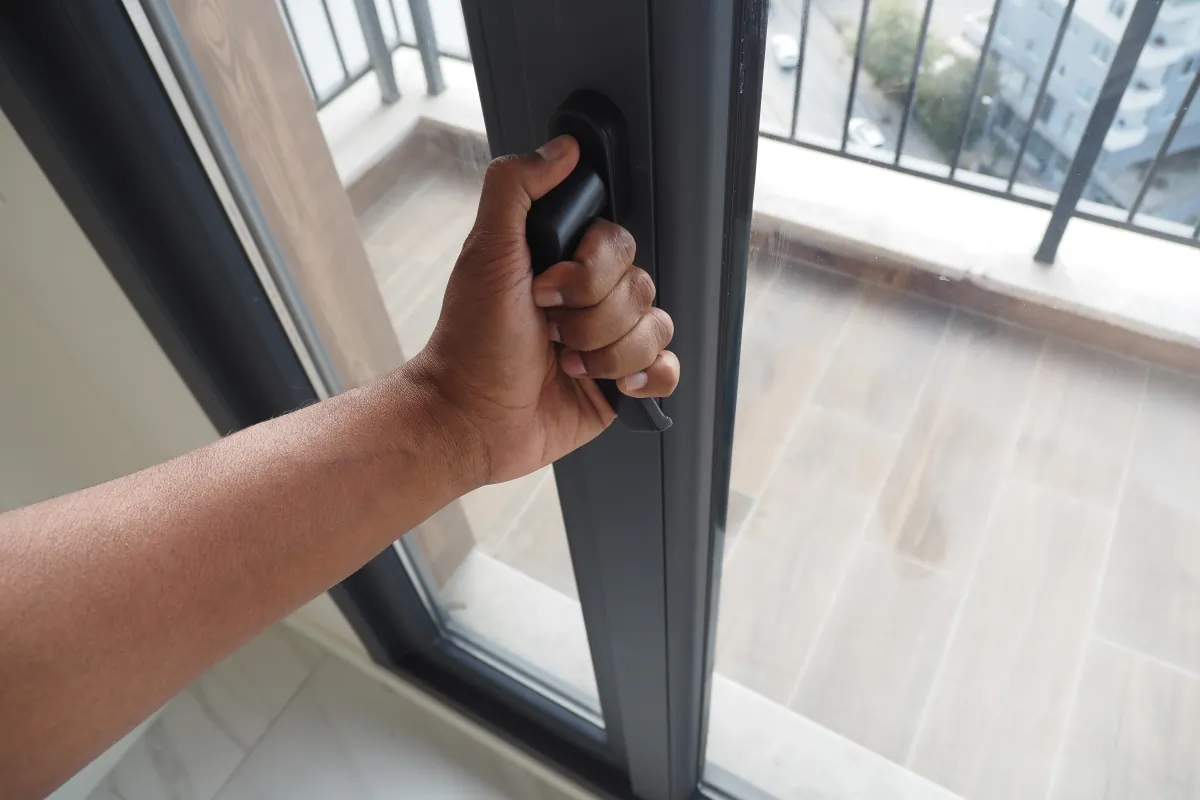
sliding window hand open gray plastic pvc window at home at early

How To Prepare Your Home

US Construction & Remodeling Corp. In addition, helps homeowners in Sacramento and select California communities plan, order, and install slider windows with clear specs, careful protection of finished surfaces, and permit support when a jurisdiction requires it.

Timeline-first planning call: Book a call to confirm lead times, installation dates, and any permit steps: https://usconstructioncali.com/free-estimate/.

Prep Checklist For Homeowners

  • Clear 3–4 feet around the window inside and outside so the crew can work safely.
  • Remove fragile items from nearby shelves and walls; window vibration can knock things loose.
  • Plan for pets and kids during the work window, especially if bedrooms are involved.
  • Decide on trim style and paint plans early so the finish work matches the rest of the room.
  • If you suspect past leaks, point them out before the old unit comes out so repairs are not missed.

Maintenance Tips That Keep The Glide Smooth

  • Vacuum the track regularly and wipe it with a damp cloth; grit is what wears rollers down.
  • Keep weep holes clear so water can drain to the exterior.
  • Clean weatherstripping gently and avoid harsh solvents that can dry it out.
  • Check the lock and alignment once a year; small adjustments can prevent sticking.
  • Replace worn rollers or a damaged screen early instead of forcing the sash.

Next Steps For Sacramento

If your home is in Sacramento, permitting and plan review typically run through the City of Sacramento Community Development portal (Accela Citizen Access). Also, Applications, payments, and status tracking are handled online. For this reason, Permit needs depend on scope and address, so it is smart to confirm requirements before ordering custom windows.

Trust And Accountability Checklist

  • Verify the contractor’s California license status before you sign a contract.
  • Ask for proof of insurance and confirm who is responsible for pulling permits and scheduling inspections.
  • Get window specs in writing: size, material, glass package, screen type, color, and grid pattern.
  • Ask how the opening will be waterproofed and how exterior sealing will be handled for your siding or stucco.
  • Confirm warranty coverage for both the product and the installation work.
  • Do a final walk-through: smooth glide, tight close, lock engagement, and clean caulk lines.

Want to talk through options and timing? Call +1 (916) 234-6696.

Helpful Links

Frequently Asked Questions

The hands-on installation is usually quick, but ordering can take longer.

  • Measure and finalize specs: typically one visit.
  • Order lead time: often 2–6+ weeks for custom sizes, colors, or glass upgrades.
  • Installation: a few hours for one opening, longer if trim or exterior repairs are necessary.
  • Inspection: if a permit applies, timing depends on your city’s schedule.

Sometimes. Requirements depend on your city or county and what changes you make.

  • Like-for-like replacements may still require a permit in some jurisdictions.
  • Changing window size, altering framing, or modifying an opening often triggers permitting.
  • A contractor should confirm requirements for your address and handle the permit if needed.

If you are in Sacramento, the city typically uses Accela Citizen Access for online permitting and tracking.

Cost depends more on choices and conditions than the word “slider” on the label.

  • Size and custom shapes: larger or non-standard openings cost more.
  • Frame material: vinyl, aluminum, fiberglass, and wood-clad price differently.
  • Glass package: Low-E, tempered, laminated, and privacy glass can add cost.
  • Installation conditions: stucco, second-story access, and hidden damage increase labor.
  • Permit and inspection steps: vary by jurisdiction and scope.

There is no single best choice; match the material to the home and the location.

  • Vinyl: good value and low maintenance for many homes.
  • Aluminum: strong and slim, but choose thermally improved frames for better comfort.
  • Fiberglass: very stable and durable, often a good fit for larger openings.

Ask to compare warranties, color options, and how each frame handles heat and sun exposure.

It comes down to the condition of the existing frame and what you want to change.

  • Insert replacement: less disruption and often faster when the existing frame is solid and square.
  • Full-frame replacement: better when there is rot, water damage, or you want to improve flashing and waterproofing.

A good installer will explain the trade-offs before you commit to a window order.

Use a short checklist so you can compare bids fairly.

  • How will you verify the opening size and confirm the final window specs?
  • Who pulls permits and schedules inspections if required?
  • What waterproofing and exterior sealing steps are included for my siding or stucco?
  • What warranties apply to the product and the installation work?
  • How will you protect floors, furniture, and landscaping during installation?

Licensed, insured & trusted local contractor

US Construction & Remodeling Corp.
9821 Business Park Dr, Sacramento, CA, 95827
Phone: +1 (916) 234-6696

CSLB License #: 1117562 Fully licensed and insured.

View our Google Business Profile

Frequently Asked Questions

The hands-on installation is usually quick, but ordering can take longer.

  • Measure and finalize specs: typically one visit.
  • Order lead time: often 2–6+ weeks for custom sizes, colors, or glass upgrades.
  • Installation: a few hours for one opening, longer if trim or exterior repairs are necessary.
  • Inspection: if a permit applies, timing depends on your city’s schedule.

Sometimes. Requirements depend on your city or county and what changes you make.

  • Like-for-like replacements may still require a permit in some jurisdictions.
  • Changing window size, altering framing, or modifying an opening often triggers permitting.
  • A contractor should confirm requirements for your address and handle the permit if needed.

If you are in Sacramento, the city typically uses Accela Citizen Access for online permitting and tracking.

Cost depends more on choices and conditions than the word “slider” on the label.

  • Size and custom shapes: larger or non-standard openings cost more.
  • Frame material: vinyl, aluminum, fiberglass, and wood-clad price differently.
  • Glass package: Low-E, tempered, laminated, and privacy glass can add cost.
  • Installation conditions: stucco, second-story access, and hidden damage increase labor.
  • Permit and inspection steps: vary by jurisdiction and scope.

There is no single best choice; match the material to the home and the location.

  • Vinyl: good value and low maintenance for many homes.
  • Aluminum: strong and slim, but choose thermally improved frames for better comfort.
  • Fiberglass: very stable and durable, often a good fit for larger openings.

Ask to compare warranties, color options, and how each frame handles heat and sun exposure.

It comes down to the condition of the existing frame and what you want to change.

  • Insert replacement: less disruption and often faster when the existing frame is solid and square.
  • Full-frame replacement: better when there is rot, water damage, or you want to improve flashing and waterproofing.

A good installer will explain the trade-offs before you commit to a window order.

Use a short checklist so you can compare bids fairly.

  • How will you verify the opening size and confirm the final window specs?
  • Who pulls permits and schedules inspections if required?
  • What waterproofing and exterior sealing steps are included for my siding or stucco?
  • What warranties apply to the product and the installation work?
  • How will you protect floors, furniture, and landscaping during installation?

Leave a comment

This website uses cookies to improve your web experience.
Explore
Drag