Skip links

Tile Shower Ideas For Small Bathrooms

In a small bathroom, your shower tile can either open up the room or make it feel busy. This guide walks through design directions, layout moves, and finish choices that help a compact shower feel intentional without becoming a high-maintenance project.

Quick checklist:

  • Define the scope and prioritize daily function (shower, storage, ventilation).
  • Confirm what trade work is involved (plumbing, electrical, drywall) and the order of work.
  • Choose finishes that hold up in wet areas and are easy to clean.
  • Collect 2–3 quotes and compare line-by-line (scope, allowances, cleanup, warranty).
  • Decide what needs to be ordered first (tile, fixtures, vanity) to keep the schedule moving.

TL;DR: Keep the wall pattern simple and reduce visual breaks. Let one surface be the feature. Pair large-format wall tile with a slip-friendly mosaic floor, and plan storage before you set the first tile.

  • Pick a style direction and stick to 2–3 finishes
  • Choose a wall tile size/layout that won’t feel “gridy”
  • Select grout color with cleaning in mind
  • Plan shampoo storage (niche, shelf, or corner)
  • Decide on glass (panel vs door) and clearances
  • Gather photos and rough dimensions for a written estimate

Tile Shower Ideas For Small Bathrooms: 10 Design Ideas Homeowners Actually Use For Shower Tile

DecisionWhy it mattersQuick check
Wet-area finishesWet zones need durable, easy-clean surfaces.Choose materials rated for bathrooms and simple maintenance.
VentilationHelps prevent humidity and long-term damage.Confirm fan sizing and vent routing.
LayoutGood layout improves daily usability.Verify clearances and door swings.
Budget controlKeeps scope creep from blowing up the price.Use allowances and a written change-order process.

Small showers feel cramped for predictable reasons: too many grout lines, strong contrasts, and bulky accessories that crowd the eye. For this reason, The ideas below focus on proportion, light, and easy-to-clean decisions so the shower looks designed—even when the bathroom is tight.

  • Run tile to the ceiling. Meanwhile, It draws the eye up and avoids a “cut-off” look at the top of the wet wall.
  • Use large-format porcelain on walls. Overall, Fewer grout lines usually reads calmer in a compact space.
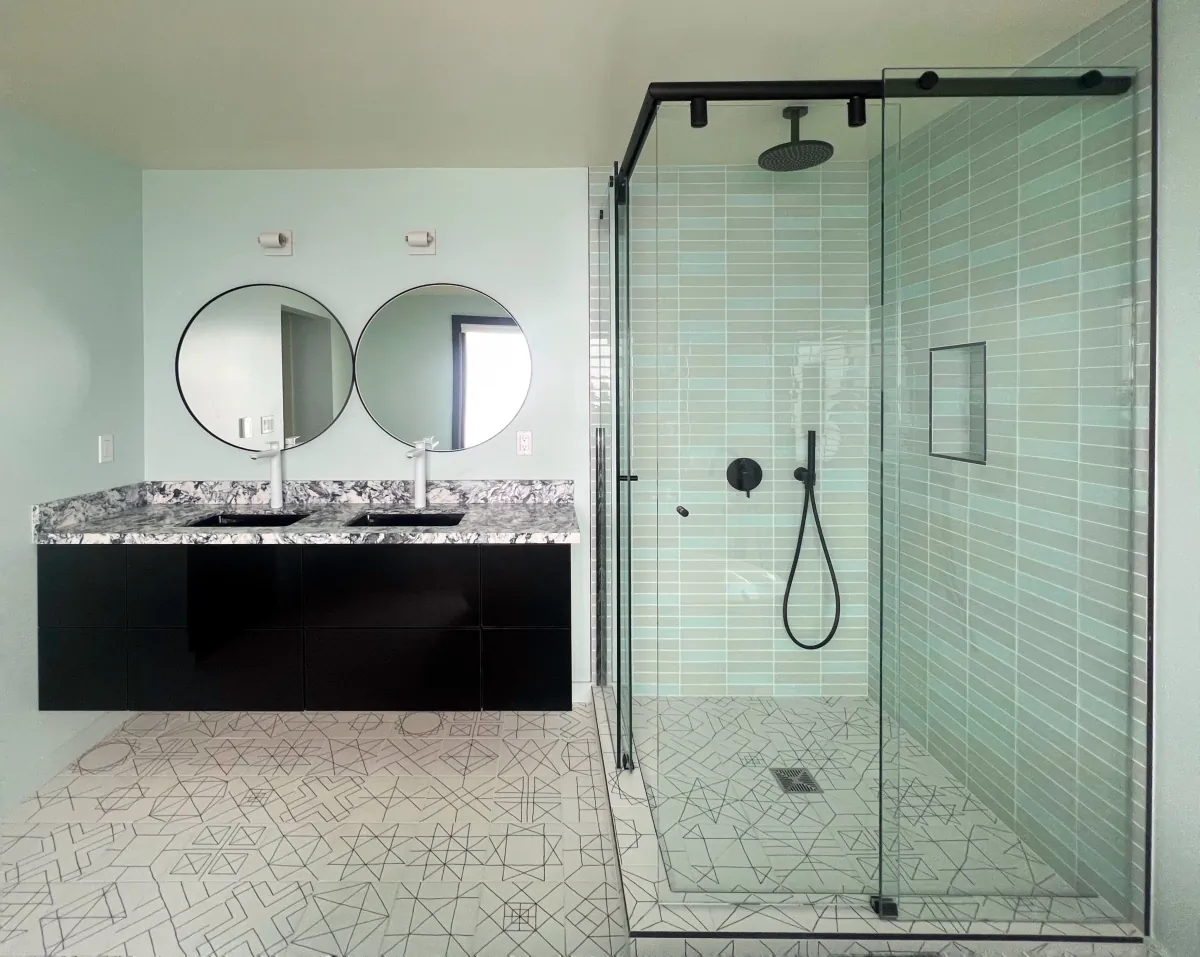
  • Go vertical with stacked or “skinny” tile. As a result, Vertical lines help a short wall feel taller.
  • Keep the floor small, keep the walls simple. Also, A small mosaic on the shower floor handles slope and traction, while the walls stay clean.
  • Blend grout color for a quieter pattern. Additionally, A mid-tone or color-matched grout hides daily water marks better than bright white.
  • Make one wall the feature. In addition, Use your boldest pattern on the back wall and keep side walls understated.
  • Choose clear glass when you can. For example, A simple glass panel or door preserves sightlines compared with a curtain.
  • Build storage into the wall. Additionally, A single niche or a recessed shelf keeps bottles off the corners and off the floor.
  • Use a slim curb or low-threshold entry. Overall, It improves the visual “flow” from bathroom floor into the shower.
  • Finish edges with a clean profile. Additionally, Metal or color-matched trims make the tile work look crisp without decorative borders.

These ideas fit homeowners who want a shower upgrade that looks custom without chasing complicated patterns. They also work well when you want a neutral, broadly appealing look for future resale.

Common Planning Mistakes To Dodge

Most problems in a small tile shower start on paper, not on the jobsite. Additionally, Avoid these and you’ll save time, cut waste, and end up with a shower that feels bigger day-to-day.

  • Choosing tiny mosaic for all shower walls (it adds grout and visual noise)
  • Mixing four or five tile types “because each sample looks nice”
  • Placing the niche where it lands on a grout joint or hits plumbing
  • Picking bright white grout without a realistic cleaning routine
  • Forgetting the “little” items (towel bar, also robe hook, squeegee spot) until the end
marble for counter counter top white marble bathroom interior with si

Choose A Style Direction (Modern, Warm, Classic)

A small bathroom looks best when it commits to a “lane.” Mixing styles can work in big spaces; in a compact shower, it often reads as clutter. Meanwhile, When you choose shower tile, start with the wall field tile and build around it so the room stays calm.

  • Modern: matte porcelain, larger tiles, minimal grout contrast, and simple hardware (often black or brushed nickel).
  • Warm: creamy neutrals, soft texture, and warm-toned metals like brushed nickel.
  • Classic: subway-style shapes, marble-look porcelain, and chrome finishes with timeless lines.

Whichever direction you choose, keep the “hero” moment limited—one feature wall, one bold floor, or one standout fixture—so the shower still feels open.

Layouts That Improve Flow And Storage

Tile decisions matter, yet layout does more to make a small bathroom feel comfortable. Overall, A few inches of clearance, a better door swing, or a smarter storage plan can beat any pattern change.

Small-Space Layout Templates (Including The Kitchen-Style Names)

  • Galley layout: a long, narrow bath where fixtures sit in a line; keep the shower opening clear and avoid bulky frames.
  • L-shape layout: fixtures wrap one corner; it’s great when you can tuck the shower behind the door line.
  • U-shape layout: fixtures sit on three sides; it can work when the vanity and shower oppose each other with the toilet centered.
  • Island-centered layout: rare in truly small baths, but a freestanding vanity (or a tub in larger suites) can sit away from walls; most small bathrooms skip this to preserve walking space.

Decisions That Matter Before Tile Is Ordered

  • Shower footprint: a slightly larger shower with simpler tile often feels better than a tiny shower with “fancy” patterns.
  • Door swing and entry: if space is tight, consider a sliding door or a fixed panel with an open entry instead of a wide-swinging door.
  • Plumbing wall: keeping controls on the same wall as the existing plumbing can reduce complexity and keep the schedule more predictable.
  • Niche and valve placement: plan bottle heights, shelf spacing, and hand reach so storage feels natural.

Storage Upgrades Without Crowding The Room

Good storage keeps the shower looking clean because bottles have a home. It also prevents the “corner pile” that makes a small bath feel smaller.

  • One well-sized niche at eye level (instead of multiple small ones)
  • Recessed medicine cabinet for daily items (it saves counter space)
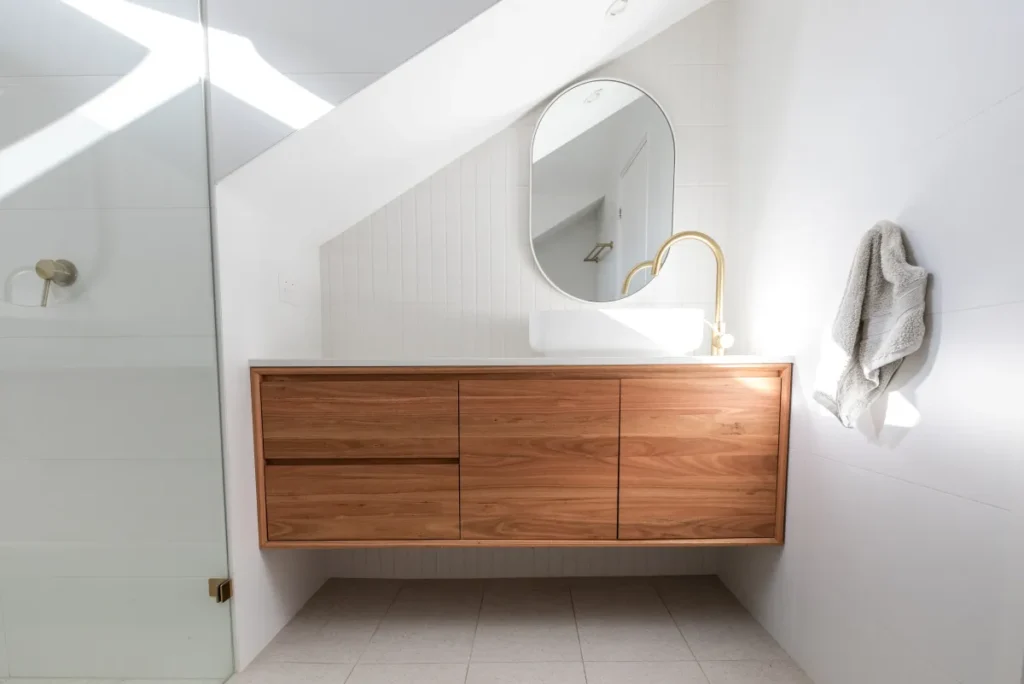
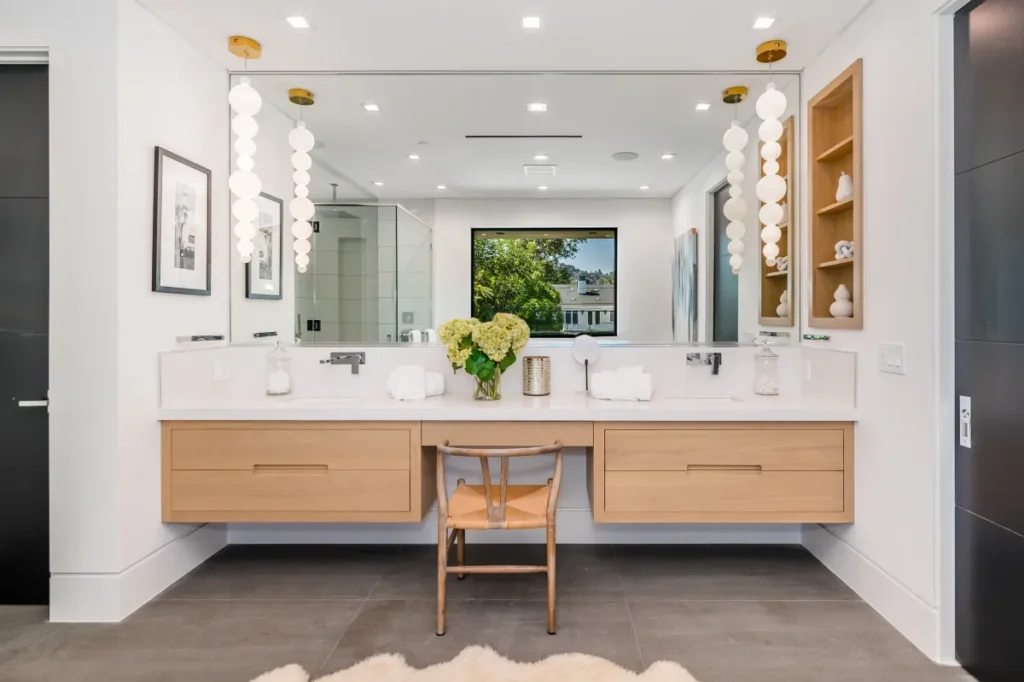
  • Floating vanity or toe-kick drawers for extra storage without bulk
  • Wall hooks and slim towel bars so linens don’t land on the vanity

Finishes That Look Good Longer (Practical Picks)

In showers, durability is design. For this reason, Porcelain tile typically gives you the widest range of looks with strong water resistance and easy care. Natural stone can look great; however, it often asks for more upkeep and more careful product selection.

Vanity Cabinet Door Styles That Suit Small Bathrooms

  • Shaker: a clean look that works with modern or classic directions.
  • Slab/flat panel: reads sleek and simple; great when you want the tile to be the star.
  • Recessed panel: adds depth without feeling busy.

Countertop Options (And Why They Matter In A Small Bath)

  • Quartz: consistent, easy to clean, and available in calm patterns that don’t fight the tile.
  • Solid surface: smooth and repairable; integrated sinks reduce seams.
  • Cultured marble: a budget-friendly option with many ready-to-install sizes.
  • Porcelain slab: thin profiles and modern looks; confirm the finished edge before ordering.

Flooring Choices (Outside The Shower)

Keep the bathroom floor simple so the shower can shine. For this reason, Many homeowners choose porcelain tile for a unified look, while some pick quality waterproof vinyl for comfort and faster installs. Either way, prioritize traction and a finish that won’t show every water spot.

Maintenance Tips That Keep Tile Looking New

  • Choose grout type intentionally; premium grouts can resist staining better than basic mixes.
  • Use a squeegee or microfiber wipe on glass and tile after showers to reduce spotting.
  • Use pH-neutral cleaners on tile and grout; harsh acids can damage grout and some stone.
  • Keep caulked joints in good shape so water stays where it belongs.

Small Details That Change The Feel (Lighting/Hardware)

Lighting and hardware can make the same tile look either flat or high-end. Also, Plan for layered lighting so the room feels bright without glare.

  • Ambient lighting: overall ceiling light that fills the room evenly.
  • Task lighting: vanity lights that reduce shadows for daily routines.
  • Accent lighting: a niche light, toe-kick glow, or a focused shower light to add depth.

Hardware matters too. For example, Matching the shower trim, towel bars, and mirror frame pulls the room together, while mixed metals can look accidental in tight spaces unless you repeat them with intention.

Turn Ideas Into A Buildable Plan

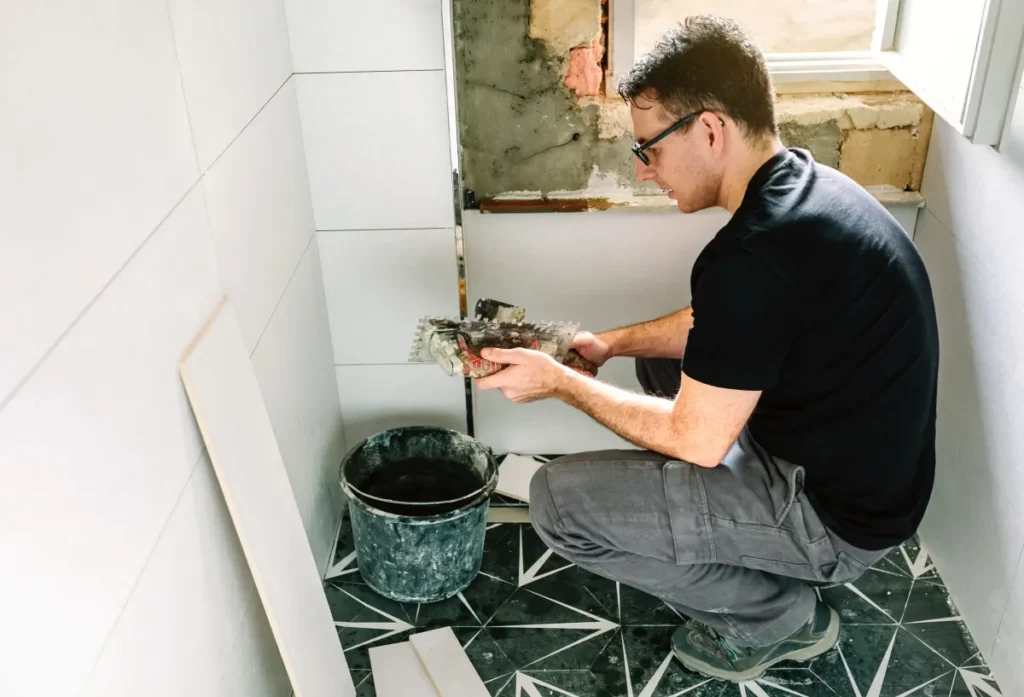
  1. Measure the shower walls and note plumbing locations.
  2. Pick one wall tile, one floor tile, and one accent (optional).
  3. Decide where storage goes (niche, shelves, or both) before waterproofing starts.
  4. Select fixtures and trim so the tile edges and cut lines land cleanly.
  5. Confirm lead times for tile, glass, and fixtures so the schedule stays realistic.
shower remodel modern bathroom decor

Budget & Timeline Snapshot (Typical)

US Construction & Remodeling Corp. For example, helps homeowners in Sacramento and our California service areas plan and build small-bath shower upgrades with tile that fits the space and the way you live. We can help you compare layout options, select practical materials, and turn a set of ideas into a clear scope you can budget for.

Request a free written estimate or call +1 (916) 234-6696. Having a few details ready makes the estimate faster and more accurate.

  • Photos of the current bathroom and the shower area
  • Rough measurements (shower width, depth, and height)
  • Any changes you want (tub-to-shower, new niche, new glass, moving plumbing)
  • Inspiration images or a short list of tile styles you like

Budget Ranges And Timeline (Typical)

  • Tile refresh with the same layout: often the quickest path, especially when fixtures stay in place.
  • Tub-to-shower conversion: adds scope for demo, waterproofing, and glass, so it usually runs longer than a tile-only swap.
  • Custom touches (multiple niches, complex patterns, stone): can add both labor time and material lead time.
  • Permits (when required): plumbing or electrical changes may require permits and inspections, which can affect scheduling.
DecisionBest small-bath payoffSchedule/cost driver
Wall tile sizeLarge-format porcelain for fewer grout linesHeavier pieces may increase layout labor
Floor tileSmall mosaic for slope and tractionMore grout joints means more detailed cleaning
Niche vs shelfOne well-placed niche or a simple recessed shelfNiches add framing and waterproofing steps
GlassClear panel or door to keep sightlines openCustom glass can affect lead time

Before/After Example (Hypothetical)

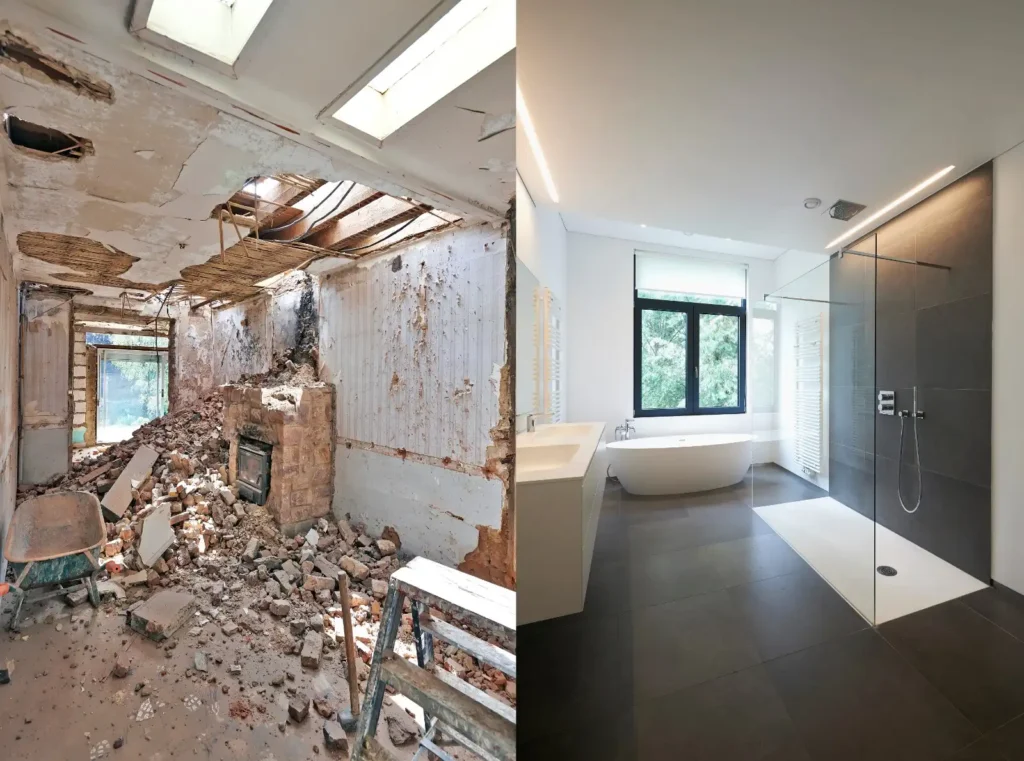
Before: a narrow bathroom with a curtain, busy wall tile, and corner caddies that made the shower feel tighter. After: large-format wall tile in a light neutral, a single accent back wall, a recessed niche for bottles, and a clear glass panel so the room reads as one continuous space.

This is a common “small bath” direction because it reduces visual clutter while keeping everyday cleaning realistic.

Selection Checklist For Shower Tile (Small Bathrooms)

Use this quick list when you’re comparing samples at a showroom or online. It keeps decisions grounded in what you’ll see and touch every day.

  • Wall tile: calm pattern, low contrast, and a layout that minimizes tiny cuts
  • Floor tile: traction-friendly mosaic that works with the shower slope
  • Grout: a color that blends and a product type you can maintain
  • Edges: a defined trim plan (metal profile, bullnose, or stone edge)
  • Storage: niche or shelf location that doesn’t fight the tile pattern
  • Cleaning: surfaces that won’t punish you for normal water spots

Helpful Links

Frequently Asked Questions

Large-format wall tile often makes a small shower feel calmer because you see fewer grout lines. If your shower has lots of angles or a niche-heavy design, a medium-format wall tile can reduce tricky cuts while still keeping the look clean.

  • Walls: large or medium format for fewer visual breaks
  • Floor: smaller mosaic for traction and an easier slope to the drain

Most shower floors work better with smaller tile. The slope to the drain needs many grout joints so the surface stays comfortable underfoot and doesn’t create uneven edges. A common approach is large-format walls paired with a small mosaic shower floor.

For shower tile, mid-tone or color-matched grout usually looks cleaner longer than bright white because it hides minor water marks and daily use. If you love high contrast, keep it to one “feature” wall and use a softer grout color everywhere else.

It depends on the grout product. Some premium grouts offer better stain resistance than basic cement grout, while epoxy grouts can be very resistant but may cost more and install differently. A contractor can recommend the right option based on the tile, joint size, and your cleaning habits.

In many homes, yes. The key questions are plumbing location, waterproofing details, and whether your scope triggers permits or inspections (for example, plumbing or electrical changes). A written estimate should spell out what changes, what stays, and what’s included so there are no surprises.

Bring enough information to price the scope accurately. You don’t need perfect measurements, but clarity helps.

  • Photos of the bathroom and the current shower
  • Rough dimensions (and ceiling height if you want tile to the top)
  • Notes on what you want to change (layout, niche, glass, fixtures)
  • Tile style preferences and your target timeline

You can request a free written estimate at https://usconstructioncali.com/free-estimate/ or call +1 (916) 234-6696.

Licensed, insured & trusted local contractor

US Construction & Remodeling Corp.
9821 Business Park Dr, Sacramento, CA, 95827
Phone: +1 (916) 234-6696

CSLB License #: 1117562 Fully licensed and insured.

View our Google Business Profile

Leave a comment

This website uses cookies to improve your web experience.
Explore
Drag