Skip links

Cost to Build Out a Cafe in Sacramento CA: Budget & Timeline

Facility teams planning a café tenant improvement in Sacramento usually need a number they can defend internally: the cost build out cafe range tied to scope, downtime constraints, and compliance triggers. This guide is built to help you budget realistically and protect the opening date while you coordinate landlords, trades, and inspections.

Quick checklist:

  • List the biggest cost drivers for your scope (layout changes, finishes, plumbing/electrical work).
  • Confirm what work is involved and the order of operations.
  • Finalize measurements and key selections before ordering long-lead materials.
  • Collect 2–3 quotes and compare line-by-line (scope, allowances, cleanup, warranty).
  • Create a simple schedule and pre-order the items that most often cause delays.

TL;DR: Most café build-outs land in a wide cost band because kitchen intensity, MEP capacity, and accessibility upgrades swing both price and schedule. If you want to validate a target opening date before you lock selections, call +1 (916) 234-6696 or request a planning call at https://usconstructioncali.com/free-estimate/.

  • Confirm the menu/equipment list (espresso, refrigeration, heating, dishwashing).
  • Verify existing power, gas, water, and HVAC capacity at the suite.
  • Define operating hours and acceptable shutdown windows for noisy work.
  • Clarify landlord/property requirements (work hours, access, protection, disposal).
  • Flag ADA/path-of-travel and restroom impacts early.
  • Identify long-lead items (millwork, lighting, equipment) before permit submittal.

Sacramento Budget And Timeline Snapshot For Cost Build Out Cafe

Cost driverWhat changes itHow to control it
Scope & layout changesMoving plumbing/electrical and changing layout increases complexity.Lock the layout early; avoid mid-project changes.
Finishes & materialsTile, fixtures, cabinets, and countertops can vary widely.Pick a budget tier first, then choose within it.
Labor & coordinationMulti-trade work needs scheduling and clear handoffs.Use a written scope and clear milestones.
Permits & inspectionsSome scopes require approvals and inspection timing.Check local requirements before starting.

A café build-out budget is only useful when it reflects how the space will operate. Additionally, In practice, the biggest cost swings come from kitchen scope, utility upgrades, accessibility upgrades, and how aggressively you need to phase work to reduce disruption.

Planning-Level Cost Ranges (Use For Early Approvals)

These ranges are budgeting guardrails, not a substitute for a site walk and plan set. For this reason, Your actual numbers depend on existing conditions, landlord constraints, and what the permit review requires for your scope.

  • Light TI / refresh: ~$100–$200 per SF (finishes, also lighting, minor electrical; limited MEP work).
  • Typical café build-out: ~$200–$350 per SF (new service counter, moderate electrical/plumbing, HVAC adjustments).
  • Heavy build-out: ~$350–$600+ per SF (major MEP, commercial kitchen systems, fire/life-safety impacts, deeper accessibility upgrades).

Hypothetical example: A 1,200 SF café with a new service line, moderate MEP upgrades, and limited structural changes might pencil out very differently than a same-size suite that needs major electrical service upgrades and kitchen exhaust.

Cost Drivers That Quietly Change The Number

  • Electrical load and panel/service capacity (especially for cooking/heating and refrigeration).
  • Plumbing rework, floor penetration limits, and grease-related requirements (when applicable).
  • HVAC performance and controls (comfort, ventilation, make-up air, and balancing).
  • Fire/life-safety coordination (sprinklers, alarms, hood suppression where needed).
  • Accessibility upgrades beyond the suite (path-of-travel impacts can be significant).
  • After-hours/weekend work and dust/noise controls to protect adjacent tenants.

To Build Out A Cafe In Sacramento CA Budget Checklist For Facility Teams In Sacramento

This checklist is for facility/property managers, project managers, and business owners who need a café build-out scoped cleanly enough to compare bids and schedule around operations. For example, It focuses on what creates change orders and time loss when it stays vague.

Budget Checklist (What To Define Before You Request Pricing)

  • Suite address and constraints (access, loading, elevator rules, noise limits, disposal rules).
  • Existing drawings/photos: MEP rooms, panels, roof units, restrooms, and storefront.
  • Concept layout showing service line, seating, back-of-house, and restrooms.
  • Equipment list and utility requirements (even a draft list helps).
  • Finish intent (flooring type, wall finishes, ceiling scope, lighting approach).
  • Operating hours and downtime windows (what can be shut down, and when).
  • Target opening date and which milestone matters most (permit submittal, rough inspections, turnover).

Scope Framing For Bids (So Quotes Compare Cleanly)

Ask bidders to state assumptions and exclusions plainly. As a result, If two proposals use different assumptions on utility upgrades, after-hours work, or accessibility impacts, the lowest number can be the least useful number.

  • Include: supervision, protection of adjacent areas, debris haul-off, and coordination of required inspections for the contracted scope.
  • Clarify: who supplies owner-selected equipment and who provides utility hookups.
  • State separately: allowances (where you want a placeholder) versus fixed-price scope (where you want commitment).
  • Call out explicitly: landlord-required work, storefront signage, and IT/low-voltage (if they are part of your project).

Planning Call To Protect The Opening Date

When leadership asks for a single cost build out cafe figure, pair it with two or three schedule assumptions (permit review path, long-lead items, and downtime windows). Also, To pressure-test your timeline and scope, call +1 (916) 234-6696 or use https://usconstructioncali.com/free-estimate/ to request a planning call.
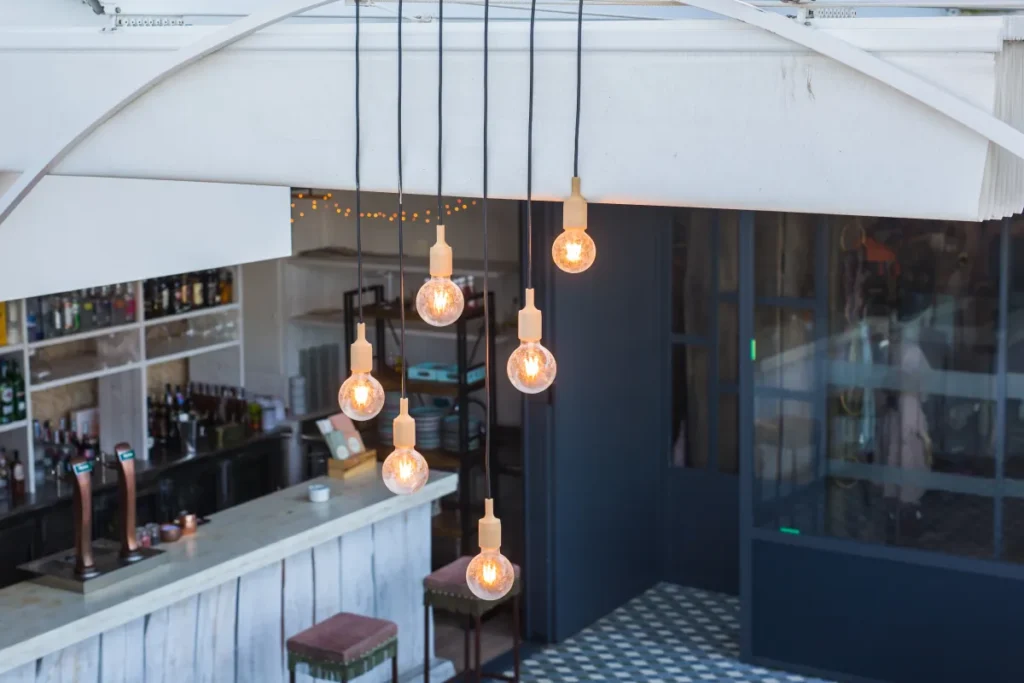
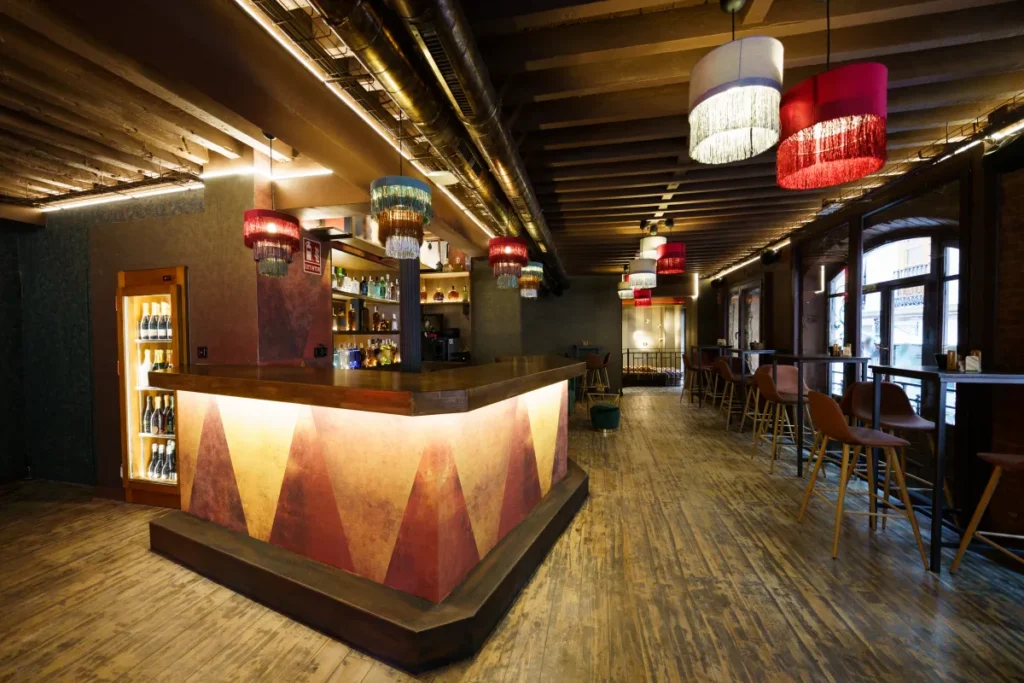
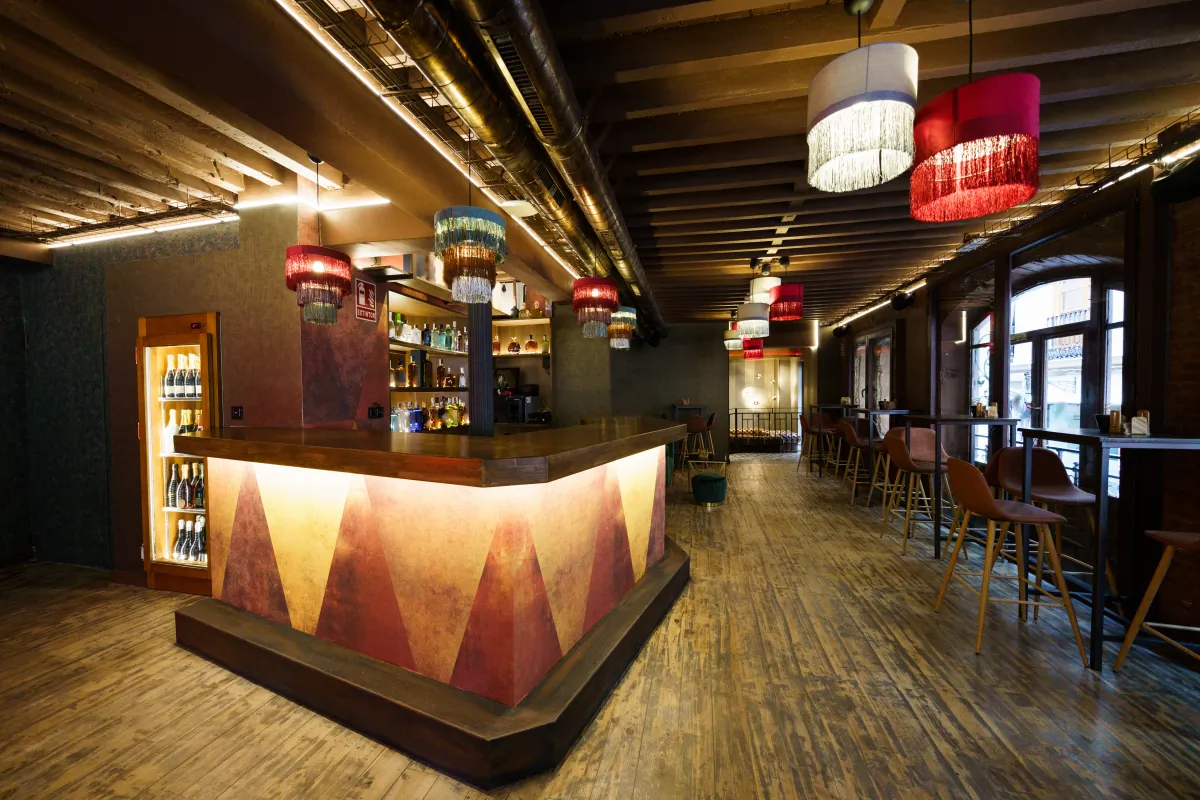
bar cafe build outs lighting illumination concept vintage luxury

Labor, Materials, And Coordination For Cost Build Out Cafe

Commercial café projects are coordination-heavy. Meanwhile, Beyond visible finishes, budget for management, protection, and the trade sequencing required to hit inspections without rework.

Common Cost Buckets You’ll See In Proposals

  • Preconstruction support (site walks, scope validation, constructability input when requested).
  • Demolition and patching (including dust control and protection).
  • Framing/drywall/ceilings (bulkheads, soffits, service counter backdrops).
  • Electrical (power distribution, lighting, controls, equipment circuits).
  • Plumbing (water, waste, fixtures, service sinks; scope varies widely).
  • HVAC (equipment, ducting, controls, testing and balancing as required).
  • Fire/life-safety coordination (sprinkler/alarm modifications where triggered by scope).
  • Finishes (flooring, paint, tile, wall protection).
  • Millwork and countertops (often long-lead and detail-sensitive).
  • General conditions (site supervision, safety, access constraints, after-hours premiums).
Decision/DriverTypical cost impactTypical schedule impact
Kitchen intensity (light prep vs heavier cooking)Medium to highMedium (more trades + more inspections)
Existing electrical capacity and service upgradesMedium to highHigh (utility coordination + lead times)
Accessibility/path-of-travel upgradesMedium to highMedium (scope can expand outside suite)
After-hours/weekend phasingMediumCan reduce downtime but adds coordination
Custom millwork/counter packageMediumMedium to high (shop drawing + fabrication)

Lead Times That Affect Schedule

A realistic timeline is a blend of permit review, procurement, and field production. In addition, The best way to avoid a late scramble is to identify what drives inspections and what requires fabrication early.

Typical Timeline (Planning-Level)

  • Week 0–1: Site walk, scope confirmation, budget alignment.
  • Weeks 1–5: Layout refinement, equipment plan, trade input, landlord review (as needed).
  • Weeks 4–12+: Plan check/permitting window (varies by scope and submittal quality).
  • Weeks 6–16: Long-lead ordering (millwork, lighting, specialty equipment).
  • Weeks 10–22: Construction and inspections (duration depends on MEP intensity and phasing).
  • Weeks 20–24: Punch list, closeout documents, and turnover planning.

Long-Lead Items To Flag Early

  • Custom millwork/counters and shop drawing approvals.
  • Specialty lighting packages and controls.
  • Electrical gear (panels, switchgear) when upgrades are necessary.
  • HVAC equipment (roof units, make-up air, controls).
  • Commercial refrigeration and certain espresso systems.

Downtime And Phasing Strategies (To Minimize Disruption)

Phasing is about more than working nights. Overall, You need a sequence that protects life safety, keeps access routes clear, and still passes inspections.

  • Use temporary partitions and negative air where dust control matters to neighbors.
  • Cluster shutdown work (power/water) into approved windows and publish notices early.
  • Sequence rough-ins and inspections before finishes so you don’t reopen walls.
  • Stage noisy work when adjacent tenants have the most flexibility.
  • Pre-plan deliveries and laydown so you don’t block shared corridors or loading.

How To Request A Bid (And What To Expect)

To get a usable price, provide enough detail for contractors to price the same scope. A good bid package also makes it easier to defend the budget internally.

  • Send the address, suite access rules, and your target opening date.
  • Include a layout (even schematic) and an equipment list with utilities.
  • Call out operational constraints: business hours, delivery windows, and noise limits.
  • Schedule a site walk to verify existing conditions (panels, HVAC, restrooms, roof access).
  • Expect pricing turnaround to vary; many commercial bids land in ~7–14 business days depending on completeness and trade input.

Compliance Considerations (ADA/Code/Safety)

Compliance affects both cost and schedule because it drives design changes, trade coordination, and inspection sequencing. Additionally, Build the critical items into the plan early so you don’t discover them after finishes are ordered.

ADA/Accessibility Items That Often Drive Scope

  • Accessible route to the public areas and service points.
  • Restroom accessibility upgrades and door/clearance requirements.
  • Service counter heights/sections and clear floor space where applicable.
  • Hardware, signage, and floor transitions that can become inspection issues.

Life-Safety And Kitchen-Related Coordination

  • Exiting paths and occupant flow changes as layouts evolve.
  • Fire protection and alarm interface when systems are modified.
  • Ventilation, exhaust, and equipment hookups based on the final menu/equipment.
  • Inspections sequencing: schedule the roughs and finals so they don’t collide with tenant operations.

If you need to keep downtime tight, plan the inspection path and shutdown windows while you’re still setting the scope. Overall, That conversation is often what keeps the cost build out cafe number stable through procurement.

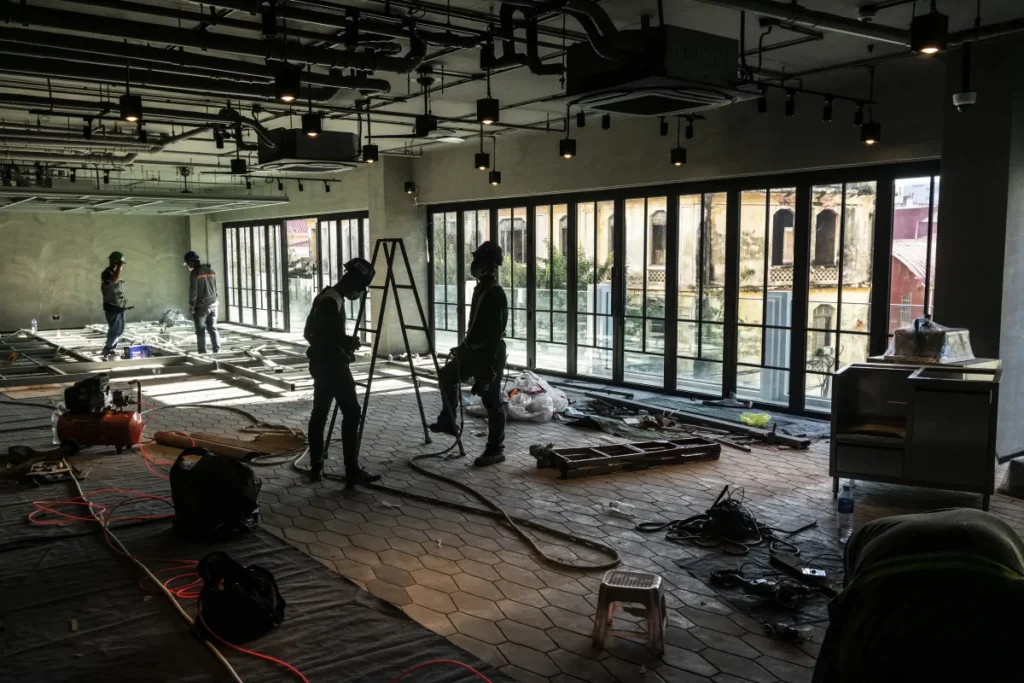
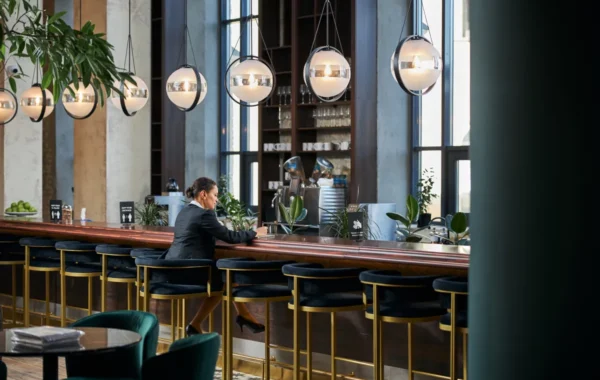
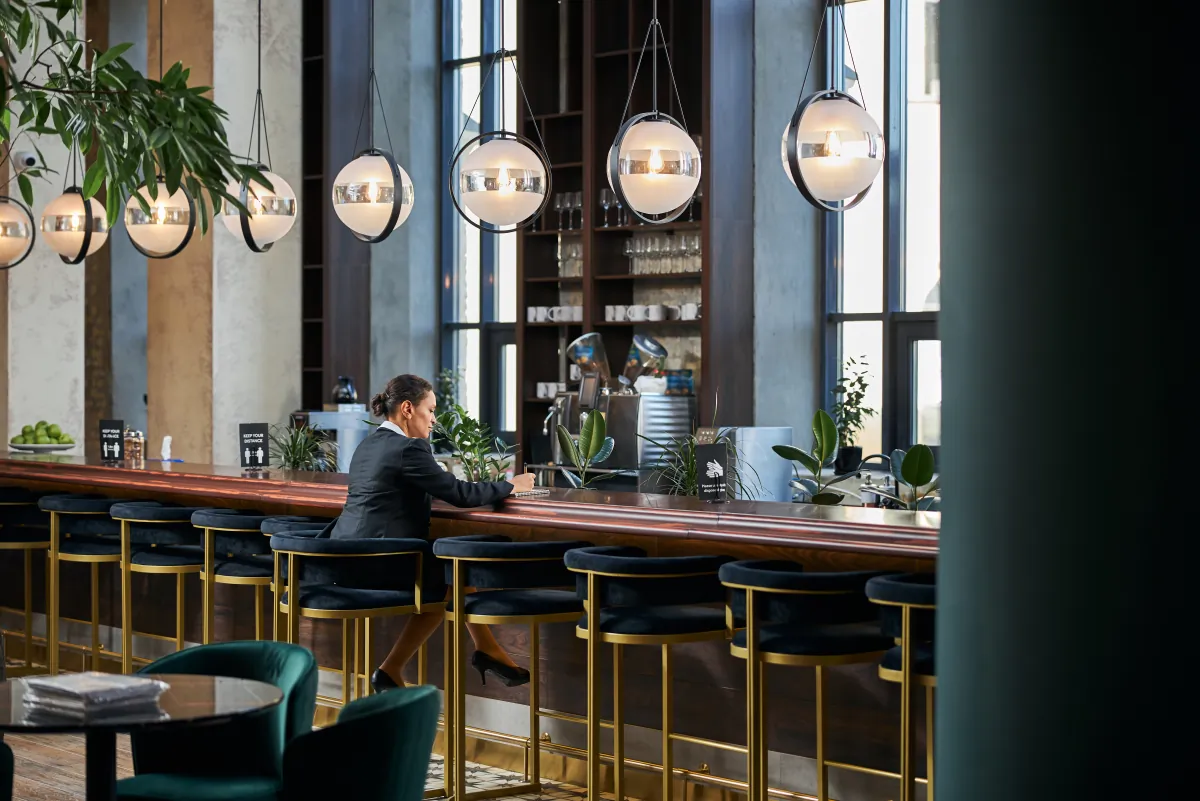
bar cafe build outs silhouette female person that sitting bar co

How To Compare Bids (Apples To Apples)

Bid comparison is where commercial teams either win or lose time. Also, A clean comparison focuses on scope assumptions, schedule constraints, and compliance responsibilities—not just the total at the bottom.

Bid Leveling Checklist (Questions To Ask Every Bidder)

  • What drawings/specs did you price, and what did you assume was TBD?
  • What is included for protection, access constraints, and after-hours work?
  • Which items are allowances, and what unit costs back them up?
  • Who pulls permits and schedules inspections for the contracted scope?
  • What is excluded that could become a change order (utility upgrades, accessibility impacts, fire systems)?
  • What schedule did you assume for long-lead items and fabrication approvals?
  • How will change orders be priced and approved during the build?

Documentation And Closeout (What Facility Teams Should Request)

A closeout package helps operations maintain the space and supports warranty follow-up. In addition, Ask for deliverables that match your asset-management needs.

  • Product data/submittals for installed materials and equipment (as applicable).
  • Warranty information and point-of-contact details for service.
  • As-builts or redlines reflecting field changes (when generated for the project).
  • O&M manuals for maintainable systems (HVAC controls, specialty equipment where provided).
  • Final inspection sign-offs and a punch list record for turnover.

Sacramento Coordination Notes (Permits And Scheduling)

In Sacramento, permitting and plan review typically run through the City of Sacramento Community Development portal (Accela Citizen Access). Additionally, Because reviews and inspection availability can shift, it helps to align your internal opening-date targets with a realistic permit/lead-time window and a clear phasing plan.

US Construction & Remodeling Corp. In addition, supports Sacramento commercial teams with build-out planning, trade coordination, and schedule-driven budgeting. Meanwhile, To talk through timeline constraints and the scope that drives the number, call +1 (916) 234-6696.

Helpful Links

Frequently Asked Questions

For early budgeting, many commercial teams use broad bands like ~$200–$350/SF for a typical café build-out, with lighter refreshes below that and heavier kitchen/MEP scopes above it. The most accurate way to set the cost build out cafe range is to tie it to equipment loads, existing utility capacity, and any accessibility or life-safety impacts.

Timelines vary, but the common schedule drivers are plan review/permitting, procurement of long-lead items, and the inspection sequence. Many projects plan for a multi-month window end-to-end, with construction often landing in the ~6–12+ week range depending on MEP intensity and phasing.

  • Suite address and access rules (work hours, deliveries, protection requirements).
  • Layout and finish intent (even schematic).
  • Equipment list with utility needs.
  • Photos of panels/HVAC/restrooms and any available as-builts.
  • Target opening date and downtime windows.

Yes, but phasing must respect safety, access, and inspections. Common approaches include temporary partitions with dust control, clustering shutdown work into approved windows, and sequencing rough-ins/inspections before finishes so walls don’t get reopened.

Accessibility upgrades (path-of-travel/restrooms), electrical service limitations, HVAC performance needs, and fire/life-safety coordination can all expand scope if they show up late. Bringing those topics into early planning helps keep the cost build out cafe budget aligned with what actually passes inspection.

  • Warranty information and service contacts.
  • Product data/submittals where applicable.
  • As-builts/redlines when produced.
  • O&M manuals for maintainable systems.
  • Final inspection sign-offs and punch list records.

Licensed, insured & trusted local contractor

US Construction & Remodeling Corp.
9821 Business Park Dr, Sacramento, CA, 95827
Phone: +1 (916) 234-6696

CSLB License #: 1117562 Fully licensed and insured.

View our Google Business Profile

Start with the pillar guide

For a complete overview (scope, timeline, and planning tips), see our main page: Bar & Café Build-Outs.

Leave a comment

This website uses cookies to improve your web experience.
Explore
Drag