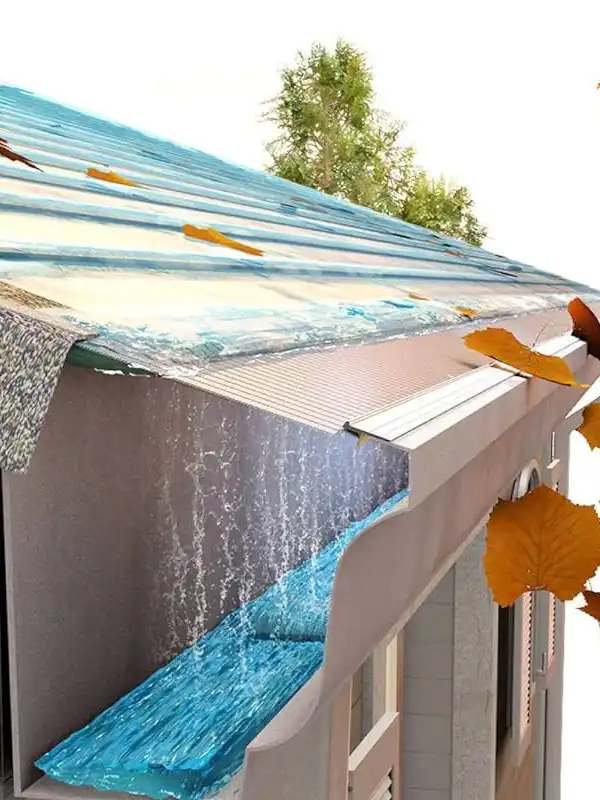
Gutters Permit Requirements In Fair Oaks
Gutter work looks simple until you start asking the right questions: do you need a permit, who inspects, and where does the water go after the downspout? This Fair Oaks homeowner guide covers gutters permit requirements fair Oaks searches usually point to, plus the planning details that prevent delays and callbacks.
Quick checklist:
- Decide the scope: cleaning, repair, guards, or full replacement.
- Confirm gutter size/material and how many downspouts you need for runoff.
- Plan downspout discharge and drainage so water moves away from walls, stairs, and the foundation.
- Ask whether fascia/rot repair is included and how corners/seams will be sealed.
- Compare 2–3 itemized quotes (linear feet, downspouts, guards, disposal, warranty).
- Schedule around weather and run a hose test at the final walkthrough.
TL;DR: Many like-for-like gutter replacements are straightforward, but permits can come into play when you change roof-edge structure, add new drainage lines, or modify runoff beyond the existing setup. Fair Oaks is unincorporated, so Sacramento County often handles permits and inspections depending on the exact address. To keep scheduling simple, request a written estimate (or call +1 (916) 234-6696) and have roof-edge photos, story height, and desired downspout locations ready.
- Confirm which agency handles permits for your address.
- Decide whether this is like-for-like replacement or a layout change.
- Map downspout locations and where water will discharge.
- Check the roof edge for fascia damage or soft spots.
- Plan access (gates, parking, pets, overhead lines).
- Get scope and materials in writing before ordering.
Quick Planning Map
This page is also for homeowners who want the permit question answered early, not the day materials arrive. You’ll also learn how to plan runoff and access so your gutters do what they’re supposed to do: move water away from the home without stains, erosion, or surprise repairs.
Before we measure: A written estimate goes faster when you can share photos of the roof edge, note the number of stories, and flag any areas where water currently overflows. As a result, If you’re considering guards or changing downspout locations, mention that up front so the scope is accurate.
- Existing gutter type (sectional vs seamless) and any leaks/overflow points
- Any fascia rot, peeling paint, or sagging runs you’ve noticed
- Preferred material and color (most homeowners choose aluminum)
- Whether you want gutter guards and what problem they’re meant to solve
- Access constraints (tight side yards, locked gates, landscaping)
Step-By-Step Timeline + Checklist
Permit needs for gutter work depend on what you change. Additionally, A simple replacement that follows the existing layout is often handled differently than a project that repairs roof-edge structure or adds new drainage routing. For this reason, Use the checklist below to set expectations and reduce back-and-forth once work starts.
Permit Notes For Fair Oaks Addresses
Fair Oaks is unincorporated; permits are commonly handled through Sacramento County (electronic plan submittal / inspections), depending on the exact address. For example, Even so, you should confirm requirements for your property because the trigger is scope, not the word “gutters.”
Plan to double-check permit and inspection requirements when the job includes any of the following:
- Repairing or replacing fascia boards, rafter tails, or other roof-edge framing
- Changing the gutter size in a way that requires new mounting or edge work
- Relocating downspouts to new walls, new elevations, or through hardscape
- Connecting downspouts to an underground drain, dry well, or storm system
- Bundling gutter work with a larger exterior remodel or roof-edge rebuild
Hypothetical example: If you add an underground drain line to move water across the yard, plan for extra coordination and possible inspection steps beyond a standard gutter swap.
Typical Timeline By Scope
Most gutter projects move quickly once materials are on site. For this reason, The longest variable is usually the decision-making and any permit review that applies to your specific scope.
| Project scope | Permit likelihood | What changes the timeline | Typical on-site time |
|---|---|---|---|
| Like-for-like replacement | Low | Access, story height, disposal | Half day to 1 day |
| Add gutter guards | Low | Guard type and roof debris | Same day |
| Gutters + fascia repairs | Medium | Extent of wood repair and drying/paint | 1–2 days |
| New drain tie-in | Higher | Trenching route and inspection scheduling | Varies |
- Site measure: 30–60 minutes.
- Written estimate: often 1–2 business days after the measure.
- Permit check/submittal (when needed): a few days to several weeks depending on review.
- Material ordering: 1–7 days for standard items; longer for custom colors.
- Installation: typically 1 day; add time for fascia repairs.
- Inspection/sign-off (if required): scheduled with the permitting agency.
- Scope check: confirm what’s being replaced vs repaired.
- Site measure: verify runs, corners, and downspout drops.
- Written estimate: materials, thickness, color, and disposal included.
- Permit check (if needed): confirm jurisdiction and submittal items.
- Scheduling: reserve install day and any inspection windows.
- Installation + water test: verify slope, sealing, and discharge.
- Sign-off: close out any required inspections and document the final layout.

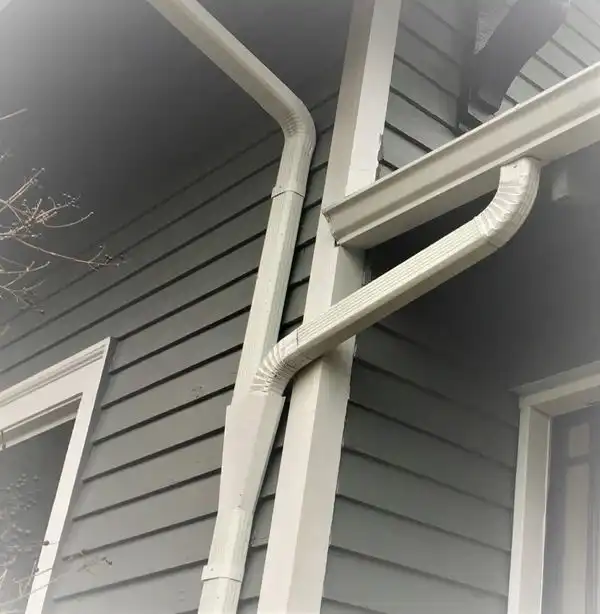
Pre-Work Checklist (Design, Materials, Access)
Good gutter work starts before the first ladder goes up. Meanwhile, A few decisions made early will reduce change orders and keep water moving where you want it.
Design And Materials
- Choose the gutter profile: K-style is common; half-round can suit certain architecture.
- Pick gutter size based on roof area and runoff needs (common sizes are 5-inch and 6-inch).
- Select downspout size and count; more isn’t always better if discharge points are wrong.
- Decide on end caps and corners: sealed seams vs fewer joints with seamless runs.
- Plan for splash blocks or extensions so discharge doesn’t soak the foundation edge.
Accessibility And Safety Planning
If someone in the household wants fewer ladder trips now or long-term, build that into the design. Overall, Small choices—like guard type, downspout routing, and cleanout access—can reduce maintenance and improve day-to-day safety.
- Keep discharge away from walkways to avoid slippery spots and trip hazards.
- Consider gutter guards if you want less seasonal cleaning; match the guard to your roof debris.
- Ask about larger outlets or strainer options in problem areas to reduce clogs.
- Clear a safe ladder zone: move patio furniture, unlock gates, and protect plants below runs.
- Note overhead clearance (service drops or low branches) before installation day.
Build Phase Checklist (Daily/Weekly)
During installation, the goal is simple: solid attachment, correct slope, sealed joints, and controlled discharge. Also, Use this list to track progress without hovering over the crew.
Daily Checkpoints
- Old gutters come down without damaging shingles or roof-edge metal.
- Fascia gets inspected; soft or damaged areas are identified before new hangers go in.
- Hangers are spaced and fastened into solid framing (not just thin trim).
- Gutters are pitched toward outlets so water doesn’t sit and stain.
- Downspouts are strapped securely and discharge where you planned.
- Work areas get cleaned up each day (metal scraps, sealant, removed fasteners).
Common Mistakes That Add Cost Or Delays
- Ordering materials before confirming hidden fascia damage or wood repair needs.
- Relocating downspouts without a clear discharge plan, which can cause pooling.
- Choosing a guard solely by price instead of matching it to your roof debris.
- Mixing dissimilar metals that can accelerate corrosion at fasteners or seams.
- Skipping a water test at the end of the day, so leaks show up after the crew leaves.

Inspections And Sign-Offs
If your scope triggers a permit, treat inspections like scheduled milestones. In addition, That means you plan access, keep the work visible, and avoid covering items the inspector needs to see.
Because Fair Oaks is unincorporated, permit processing and inspection scheduling are commonly handled through Sacramento County’s building permit and electronic plan submittal process (depending on the exact address). In addition, If you’re pulling the permit yourself, confirm who will meet the inspector and how corrections (if any) will be handled.
- Keep ladders and the work area clear on inspection day.
- Have the approved plan set and permit card available if one was issued.
- Confirm downspout discharge points match the approved scope.
- Document changes in writing before they happen, not after.
Final Walkthrough Checklist
A final walkthrough is your chance to verify performance, not just appearance. For this reason, Run water, watch the flow, and confirm nothing dumps where it shouldn’t.
- Water flows to outlets with no standing sections.
- Seams, end caps, and corners stay dry during a hose test.
- Downspouts are secured and discharge away from the home.
- Guards (if installed) sit flat and don’t lift shingles or drip edges.
- Removed materials and debris are hauled away from the property.
- You receive the final layout notes (downspout locations, any repairs made).
Want a written estimate that matches your scope? Meanwhile, Use the photos and checklist above, then book at https://usconstructioncali.com/free-estimate/ or call +1 (916) 234-6696 to talk with US Construction & Remodeling Corp.
Helpful Links
Frequently Asked Questions
It depends on scope. Many like-for-like replacements (same locations, same discharge approach) may not require a building permit, but you should still confirm based on your address and what you’re changing.
Homeowners searching gutters permit requirements fair Oaks often run into permit questions when the job includes more than hanging new gutters, such as:
- Fascia or roof-edge framing repairs
- New downspout penetrations through hardscape
- Connecting to an underground drain or storm system
- Work tied to a broader exterior remodel
When in doubt, check with Sacramento County for your exact jurisdiction and scope before scheduling.
Gutter pricing changes with scope and access, not just linear footage. A written estimate should spell out what’s included so you can compare bids fairly.
- Story height and access: multi-story work and tight side yards take more setup time.
- Material and thickness: aluminum is common; heavier gauges and specialty metals cost more.
- Number of corners and downspouts: more drops, elbows, and straps add labor and parts.
- Fascia repairs: wood replacement, prep, and paint can be a separate scope.
- Drainage routing: extensions vs new piping or drains can change complexity.
- Guards: mesh and surface-tension systems vary in price and performance.
If you want an apples-to-apples quote, share photos and ask for the same material assumptions in every bid.
For many homes, the on-site install is a half day to a day. The overall timeline depends on how fast decisions get made and whether your scope needs permit review.
- Measure + estimate: usually within a few days once you schedule a site visit.
- Material ordering: can be same-week for standard colors, longer for custom items.
- Installation: often 1 day; add time if fascia repairs are necessary.
- Inspection/sign-off (if required): timing depends on the agency’s schedule.
The best way to avoid gaps is to lock down downspout locations and drainage plans before ordering materials.
Most homeowners choose aluminum seamless gutters because they balance cost, durability, and appearance. The two most common sizes are 5-inch and 6-inch; larger sizes can handle heavier runoff, but they also need the right outlets and downspouts.
- 5-inch: common for many residential roofs when slope and outlets are adequate.
- 6-inch: helpful on larger roof areas or where overflow has been an issue.
- Steel: strong but heavier; it can be a fit for certain designs.
- Copper: premium look and cost; plan for matching details and maintenance.
A good estimator will look at roof area, valleys, and where water concentrates, then recommend a size and outlet plan that matches your drainage goals.
Adding gutter guards usually doesn’t change permit needs by itself, because you’re not typically altering structure or drainage routing. Still, guard choices can affect performance and future maintenance.
- Micro-mesh: blocks small debris but must be installed to avoid lifting roof-edge materials.
- Surface-tension systems: can work well in the right conditions but need careful alignment.
- Foam/brush inserts: may reduce cleaning frequency but can trap debris over time.
If ladder safety is a concern, guards can reduce cleanouts, but they don’t eliminate maintenance. Ask how the system will be serviced and what happens at valleys where debris concentrates.
Yes, and it’s smart to talk about it early. Downspout changes affect where water goes, which can impact patios, side yards, and landscaping.
Relocating downspouts may be straightforward when it stays above ground. Adding underground drainage (or tying into a storm system) can require extra planning, trenching, and sometimes additional approvals or inspections depending on the jurisdiction.
Hypothetical example: If you want to route water under a walkway to a new discharge point, plan for a longer schedule and a clear cleanout strategy so the line stays serviceable.
If a permit is part of your scope, inspection is usually straightforward when the work stays visible and matches the approved scope. Your job as the homeowner is to make access easy and keep the area clear.
- Confirm the inspection window and make sure gates are unlocked.
- Keep ladders set safely and avoid blocking the work area with vehicles.
- Have any permit paperwork or approved plans available, if issued.
- Be ready to explain any scope changes that happened after submittal.
If the inspector requests a correction, get it documented and scheduled quickly so it doesn’t delay close-out.
Licensed, insured & trusted local contractor
US Construction & Remodeling Corp.
9821 Business Park Dr, Sacramento, CA, 95827
Phone: +1 (916) 234-6696
CSLB License #: 1117562 Fully licensed and insured.