Metal Roof Replacement Guide for California Homeowners
Planning a metal roof replacement in California comes down to a few practical decisions: the roof shape, the metal profile, the details at penetrations and edges, and how permits and inspections fit the schedule.
Quick checklist:
- Confirm the scope: repair, partial replacement, or a full reroof.
- Pick a material system and verify underlayment, flashing, and ventilation details.
- Clarify tear-off vs overlay and what happens if decking damage is found.
- Compare 2–3 itemized bids (materials, disposal, permits, warranty).
- Schedule around weather and confirm daily cleanup and protection.
- Do a final walkthrough: flashing, vents, and warranty documentation.
TL;DR: A metal roof replacement rewards careful planning more than most roofing projects. Choose a profile that matches your roof geometry, insist on a clear written scope, and keep permits on the radar. When you want a site-specific plan, US Construction & Remodeling Corp. can walk you through options before you sign anything.
What To Expect From A Licensed Team For Metal Roof Replacement
| Decision | Why it matters | Quick check |
|---|---|---|
| Material system | Affects lifespan, cost, and appearance. | Confirm shingle/tile type, underlayment, and warranty. |
| Flashing & penetrations | Most leaks start at edges and penetrations. | Specify flashing at chimneys, vents, and valleys. |
| Ventilation | Controls heat/moisture and protects decking. | Confirm intake/exhaust balance and vent types. |
| Tear-off & decking | Hidden damage can change cost and timeline. | Include an allowance and photo documentation. |
Metal roofing can be a smart move when you want long-term durability and a clean, modern roofline. For this reason, The trade-off is that the details matter, so the plan should cover water flow, protection for your property, and how surprises are handled once the old roof comes off.
Quick Checklist Before You Request Bids:
- Note the roof shape and any trouble spots (valleys, also skylights, chimneys, low-slope sections).
- Pick a style: standing seam or exposed-fastener panels.
- Ask how roof deck repairs are priced if they are uncovered during tear-off.
- Clarify who is responsible for permits and inspections in your jurisdiction.
- Get a written scope for edges, drainage, and every roof penetration.
- Confirm daily cleanup and how questions get answered during the job.
Who Metal Roofing Fits Best
This project tends to be a great fit when your current roof is nearing the end of its service life, you want an upgrade that looks crisp from the street, or you are tired of chasing leaks around details like chimneys and skylights.
- Homes with a simple roofline where longer panel runs create a clean look.
- Owners who want predictable maintenance and easy visual inspections.
- Properties where improved curb appeal matters for future resale.
Resale And ROI Considerations
Resale value depends on the whole home, not just the roof. Meanwhile, Still, a well-executed metal roof replacement can reduce buyer anxiety about “big-ticket” repairs. In addition, Prioritize straight lines, clean trim, and a paper trail that explains what was installed and when.
Hypothetical Before-And-After Example
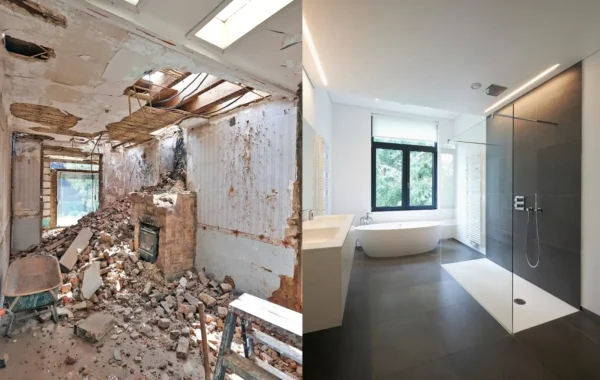
Hypothetical example: Before: a worn shingle roof with uneven lines and recurring leaks near a chimney. Overall, After: a standing seam metal roof with refreshed edge metal, updated penetration seals, and a sharper roofline that sheds water more consistently.
Want an apples-to-apples comparison for your roof? Free estimate and share a few photos so we can talk through options.
Planning And Scope Decisions For Metal Roof Replacement
A successful metal roof replacement starts with clarity on scope. For example, That includes measuring the roof accurately, listing every penetration, and deciding what gets replaced versus reused at edges and drainage points. For example, When the scope is clear, you can compare bids without guessing what is missing.
Shape And Complexity
Roof geometry drives both labor and leak risk. Also, Simple gable or shed roofs often allow longer, cleaner panel runs. Overall, Complex rooflines add transitions that need more trim and more attention to water flow.
- Gable and shed roofs: straightforward panel layout with fewer transition pieces.
- Hip roofs: more perimeter edges and shorter panel runs, so trim work increases.
- Multiple planes, dormers, and valleys: more intersections to detail and inspect.
Tight Sites And Smaller Roof Sections
Some projects look “small” on paper but take extra coordination because of access. In addition, Narrow side yards, limited driveway space, and detached garage or porch roofs affect staging, debris handling, and property protection. As a result, Plan these logistics early so they do not slow production later.
- Agree on where materials will be delivered and stored.
- Protect landscaping and hardscape in high-traffic paths.
- Confirm how noise and work hours will be managed.
Materials, Permits, And Scheduling
Material choices affect appearance, long-term upkeep, and how the roof handles sun and weather. Permits and inspections also vary by city and county across California. As a result, Because of that, it helps to confirm requirements before ordering materials and locking a start date.
Profile, Metal, And Finish
Most homeowners compare two broad options: standing seam panels and exposed-fastener panels. Additionally, Both can perform well when installed correctly, but they suit different priorities.
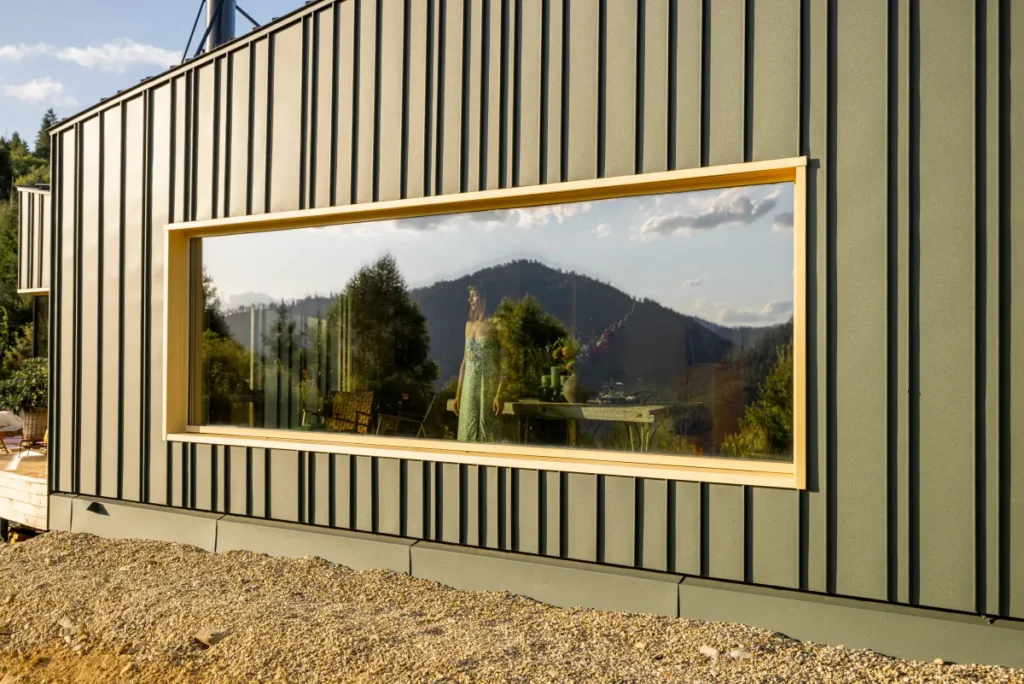
- Standing seam: Clean look with concealed fasteners; typically higher material and labor cost.
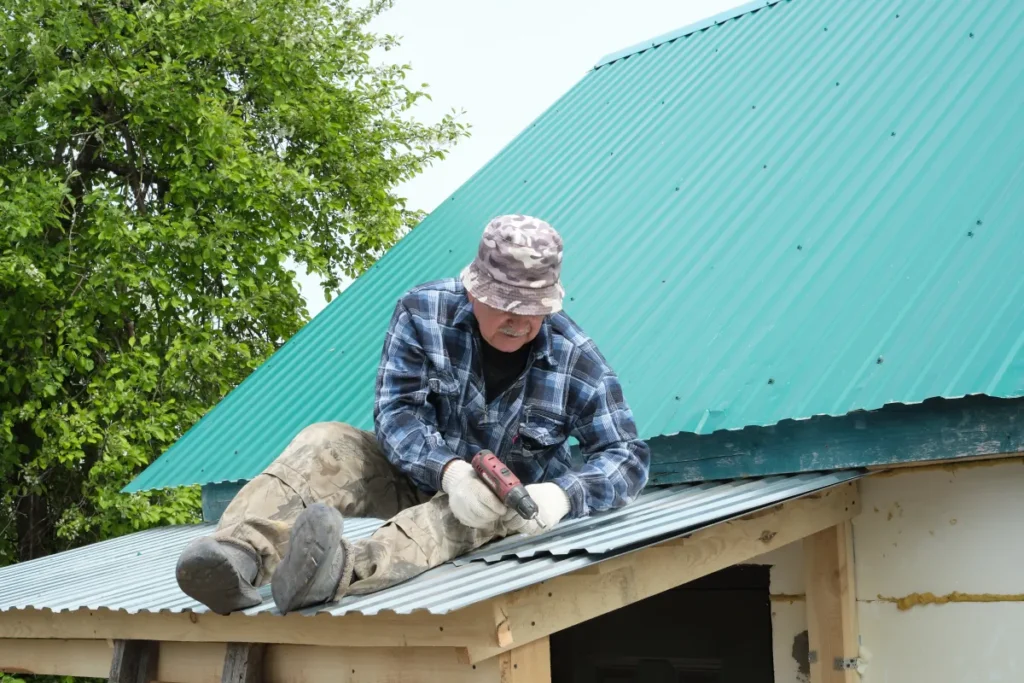
- Exposed fastener: More budget-friendly and often faster to install; plan for periodic fastener and sealant reviews.
ask about the base metal and finish. For example, The right choice depends on exposure, nearby trees, and how much you want the roof to reflect heat. As a result, A contractor should be able to explain what the manufacturer recommends for your conditions.
Budget Ranges And Timeline (Typical)
- Cost moves most with roof size, roofline complexity, and the metal profile you choose.
- Deck repairs and upgrades to drains, gutters, or penetrations can add scope after tear-off.
- Permits and inspections can extend the calendar depending on local workload.
- Once approvals and materials are ready, many residential installs finish in a matter of days.
What Moves Cost And Timing
| Decision | Common choices | Impact on cost/timing |
|---|---|---|
| Metal profile | Standing seam vs exposed-fastener | Changes labor, trim, and install pace |
| Roof complexity | Simple gable vs multi-plane | More intersections require more detail time |
| Deck condition | Sound vs localized repairs | Repairs add labor and materials |
| Permits/inspections | Counter permit vs plan review | Approval steps can add calendar time |
| Access/staging | Easy driveway vs tight lot | Affects setup, protection, and haul-away |
Quality Checks And Closeout
During installation, check progress while adjustments are easy. Additionally, After completion, expect a clean site, clear documentation of what was installed, and a practical maintenance plan.
Quality Checks You Can See
- Straight, consistent panel lines and clean trim at edges.
- Neat sealing at pipes, skylights, and other penetrations (no gaps or messy smears).
- Secure ridge and edge details with no loose metal.
- Uniform fasteners and trim with no over-driven hardware.
Maintenance Tips After Install
Metal roofs are low-maintenance, not no-maintenance. Also, A few simple habits help you catch small issues early and keep the roof looking sharp.
- Keep gutters and downspouts clear so water drains quickly.
- Trim back branches that can rub coatings or drop heavy debris.
- After storms, do a quick visual check for displaced trim or debris.
- Limit foot traffic; when access is necessary, use proper footwear and walk paths.
- Ask what sealant touch-ups, if any, are expected over time.

Serving Homeowners In Sacramento
US Construction & Remodeling Corp. Meanwhile, helps Sacramento homeowners plan and complete metal roof replacement projects with clear scopes, practical material choices, and a schedule that accounts for permits and inspections.
Free estimate. Prefer to talk first? Call +1 (916) 234-6696.
Sacramento Permitting Expectations
In Sacramento, permitting and plan review typically run through the City of Sacramento Community Development portal (Accela Citizen Access). For example, Requirements can change by scope and address, so confirm early whether your project needs plan review, trade permits, or inspections.
We can help you organize the basics—scope notes, material specs, and roof details—so the submittal is complete and the inspection path is clear.
Trust Signals To Look For On Any Bid
- Licensing and insurance: Ask for current documentation that matches the work type.
- Permit responsibility: Get it in writing who pulls permits and who schedules inspections.
- Communication: Confirm your point of contact and how changes are approved.
- Workmanship checks: Review straight lines, neat trim, and clean sealing at penetrations and edges.
- Cleanup: Confirm daily debris control and a final magnet sweep for stray fasteners.
Helpful Links
Related reading
- Roof Shingle Colors: A California Homeowner Guide
- Standard Bathroom Sink Size: California Homeowner Guide
- Metal Roof vs Shingles Cost in California: Ranges + Timeline
- Metal Roofing Panels: Planning Guide for California
- Metal Roof Cost in California: Pricing + Week-by-Week Timeline
- Gutters for Metal Roof: A Homeowner’s Guide
Frequently Asked Questions
Most residential projects run from a few working days to longer stretches when the roof is complex, materials are custom-ordered, or inspections add wait time. Weather can also shift workdays. Your estimate should include a realistic start window and how scheduling updates are communicated.
Pricing varies widely, but the same factors show up on almost every bid:
- Roof size and pitch
- Roofline complexity (valleys, dormers, multiple planes)
- Chosen profile (standing seam vs exposed-fastener)
- Number of penetrations (chimney, skylights, pipes)
- Deck repairs uncovered during tear-off
- Access, staging, and property protection needs
Often, yes—many jurisdictions require a permit for a full roof replacement, and some scopes trigger additional inspections. Rules vary by city and county, so check your local building department before work begins. A contractor should explain permit responsibility in writing and help you understand the inspection sequence.
It depends on budget, roof geometry, and the look you want.
- Standing seam: Sleek appearance and concealed fasteners; usually a higher upfront cost.
- Exposed fastener: Often lower cost and faster to install; plan for periodic fastener and sealant review.
If you are comparing bids, make sure both options include the same edge and penetration details so the comparison stays fair.
Sometimes, but it depends on local code, roof condition, manufacturer requirements, and whether adding layers affects weight or detailing. Many homeowners choose a full tear-off so the crew can inspect the deck and correct issues before installing new metal panels. Ask your contractor to explain the pros and cons for your specific roof.
Look for clear documentation and a scope you can verify:
- Current licensing and insurance information (no guesswork)
- A written scope that lists materials, trim details, and cleanup
- Clear permit plan for your jurisdiction
- A communication plan for questions and change requests
- Visible quality checks you can confirm from the ground
When in doubt, verify the contractor’s license directly with California’s CSLB and keep everything in writing.
Licensed, insured & trusted local contractor
US Construction & Remodeling Corp.
9821 Business Park Dr, Sacramento, CA, 95827
Phone: +1 (916) 234-6696
CSLB License #: 1117562 Fully licensed and insured.
Start with the pillar guide
For a complete overview (scope, timeline, and planning tips), see our main page: Roofing Remodeling.