Skip links

Small Sink Small Bathroom Guide: Layout, Storage & Finishes

A cramped vanity can make the whole room harder to use. With a small sink small bathroom, the right sink depth, mirror lighting, and storage choices often improve the experience more than a full tear-out.

Quick checklist:

  • Define the scope and prioritize daily function (shower, storage, ventilation).
  • Confirm what trade work is involved (plumbing, electrical, drywall) and the order of work.
  • Choose finishes that hold up in wet areas and are easy to clean.
  • Collect 2–3 quotes and compare line-by-line (scope, allowances, cleanup, warranty).
  • Decide what needs to be ordered first (tile, fixtures, vanity) to keep the schedule moving.

TL;DR: Keep the sink in the same location when possible, pick a shallow-depth vanity or wall-hung option, and plan lighting around the mirror. Choose water-resistant surfaces and storage that stays off the floor. Get a written estimate based on photos and measurements before you buy fixtures.

  • Measure door swing and standing space in front of the sink
  • Decide: shallow vanity, corner sink, or wall-hung
  • Choose storage: drawers, recessed cabinet, hooks
  • Confirm lighting layers: ambient, task, accent
  • Pick moisture-safe countertop and flooring materials
  • List plumbing/electrical changes to review for permit needs

When you’re ready to price options, you can Free estimate with a few photos and rough measurements.

What Changes The Experience The Most For Small Sink Small Bathroom

DecisionWhy it mattersQuick check
Wet-area finishesWet zones need durable, easy-clean surfaces.Choose materials rated for bathrooms and simple maintenance.
VentilationHelps prevent humidity and long-term damage.Confirm fan sizing and vent routing.
LayoutGood layout improves daily usability.Verify clearances and door swings.
Budget controlKeeps scope creep from blowing up the price.Use allowances and a written change-order process.
  • Switch to a shallow-depth vanity (many compact models run about 16–18 inches deep).
  • Choose a wall-hung vanity to open floor space and simplify cleaning.
  • Use an integrated sink-and-top to maximize usable counter space.
  • Consider a corner sink or curved-front vanity when the door swing is also tight.
  • Add a recessed medicine cabinet or mirrored cabinet for hidden storage.
  • Prioritize drawers over doors for better organization in a small footprint.
  • Upgrade mirror lighting for true task light (not just overhead glow).
  • Go bigger with the mirror to bounce light and visually widen the room.
  • Use large-format wall tile or simple wall panels to reduce visual clutter.
  • Keep finishes consistent (one metal finish, simple lines) for a cleaner look.
  • Use space-saving accessories: towel hooks, slim shelves, behind-door organizers.

These changes suit powder rooms, hall baths, and guest bathrooms where every inch matters. Overall, In a small sink small bathroom, that extra clearance often feels like a major upgrade because you use the sink area multiple times a day.

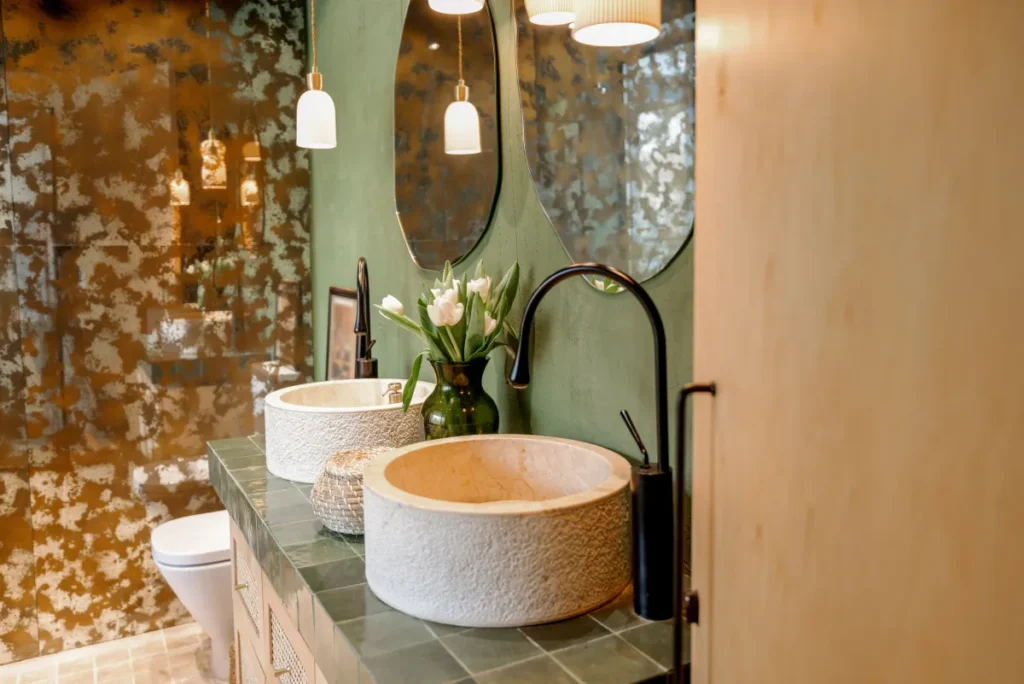
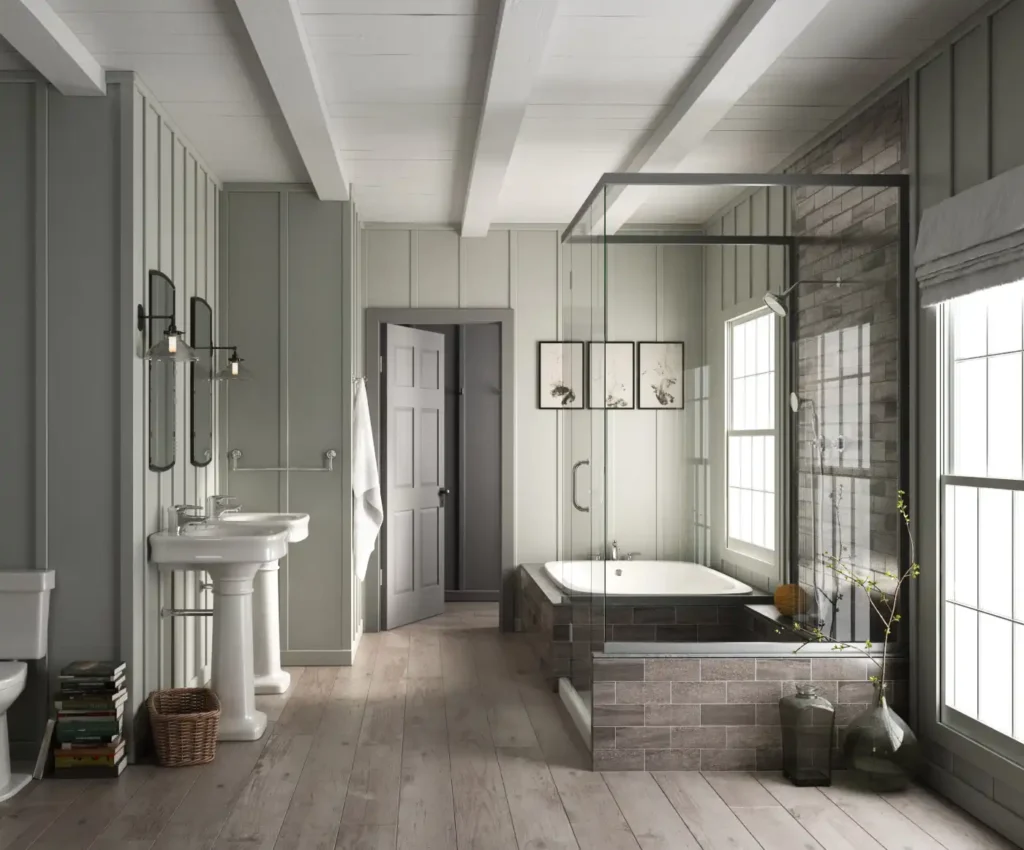
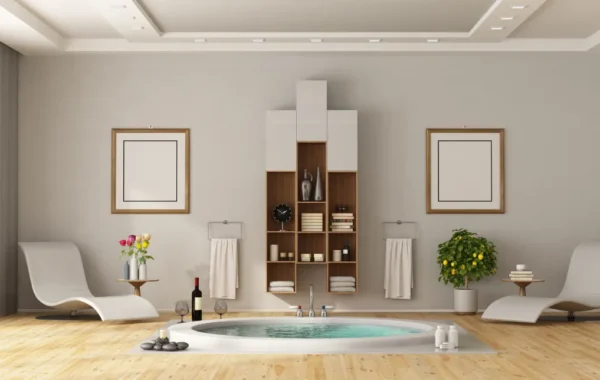
bathroom interior natural boho style construction cali

Layout And Function Improvements For Small Sink Small Bathroom

Small bathrooms feel tight when fixtures compete for the same few inches of clearance. Additionally, In a small sink small bathroom, the sink should not sit where everyone has to squeeze past it, so start by mapping door swing, toilet clearance, and shower/tub access.

Layout Planning That Avoids Pinch Points

Different room shapes call for different vanity moves. Also, In a galley-style bathroom (long and narrow), a shallow vanity keeps the walkway open and makes the room feel less like a hallway. For this reason, An L-shape layout often benefits from tucking the vanity on the short leg so the entry area stays clear. With a U-shape setup (fixtures on three sides), keep the sink wall visually light—wall-hung vanities and simple mirrors help.

An island-centered layout is rare for small baths, yet large suites sometimes use a freestanding vanity “island.” In a compact room, the same idea translates to a narrow console or wall-mount that keeps sightlines open. For this reason, If the shower area feels crowded, a walk-in shower with a clear glass panel can visually open the room compared with an opaque enclosure.

Function Upgrades That Pay Off Daily

  • Faucet reach: match the faucet to the sink bowl so water lands where you expect and splashing stays low.
  • Mirror height: set the mirror and lights based on the people who use the bathroom most.
  • Ventilation: a properly sized, quiet fan helps protect paint, cabinets, and grout.
  • Power where you need it: place outlets for hair tools and toothbrush chargers without cords crossing the sink.

Storage Optimization Without Stealing Space

Storage works best when it uses dead zones instead of floor area. As a result, A recessed medicine cabinet, a shallow over-toilet cabinet, and a vanity with drawers can reduce countertop clutter without making the room feel boxed in.

  • Use drawer inserts for cosmetics, grooming tools, and small toiletries.
  • Add a slim pull-out organizer for cleaning supplies and spare paper goods.
  • Install towel hooks behind the door instead of a bulky towel bar.
  • Choose a toe-kick step-stool drawer if kids use the sink daily.

Materials And Finish Options

Bathrooms punish materials with moisture, heat, and cleaning chemicals. Meanwhile, The goal is simple: choose surfaces that handle water well and finishes that look intentional in a compact footprint.

Vanity Boxes, Doors, And Hardware

Look for sturdy cabinet boxes and finishes rated for wet areas. For example, Shaker doors read classic and hide wear, while slab doors feel modern and clean. In addition, Raised-panel doors add depth, although they can feel busy in very small rooms.

Countertop And Sink Options (Pros/Cons)

  • Quartz: durable and low-porosity; great for low-maintenance bathrooms.
  • Solid surface: seam-friendly and easy to clean; scratches can often be refinished.
  • Cultured marble: common in integrated tops; affordable and quick to install.
  • Granite: natural variation; needs sealing and consistent cleaning habits.
  • Laminate: budget-friendly; edges and seams need careful water management.

If counter space is tight, an integrated top with a compact bowl often gives you more usable surface than a decorative vessel sink.

Flooring And Wall Finishes That Hold Up

  • Porcelain tile: water-resistant and durable; choose slip-resistant finishes for floors.
  • Luxury vinyl plank (LVP): comfortable underfoot and fast to install; confirm it’s rated for bathrooms.
  • Sheet vinyl: fewer seams; practical in very small baths when installed correctly.
  • Natural stone: high-end look; needs sealing and careful product selection.

Layered Lighting In A Tight Room

Plan lighting in three layers: ambient (overall light), task (at the mirror), and accent (night light or toe-kick glow). In addition, This approach reduces shadows and makes a compact bathroom feel more welcoming.

If you’re weighing a simple vanity swap versus broader bathroom remodeling, lock in the layout and material choices first—those decisions drive both comfort and budget.

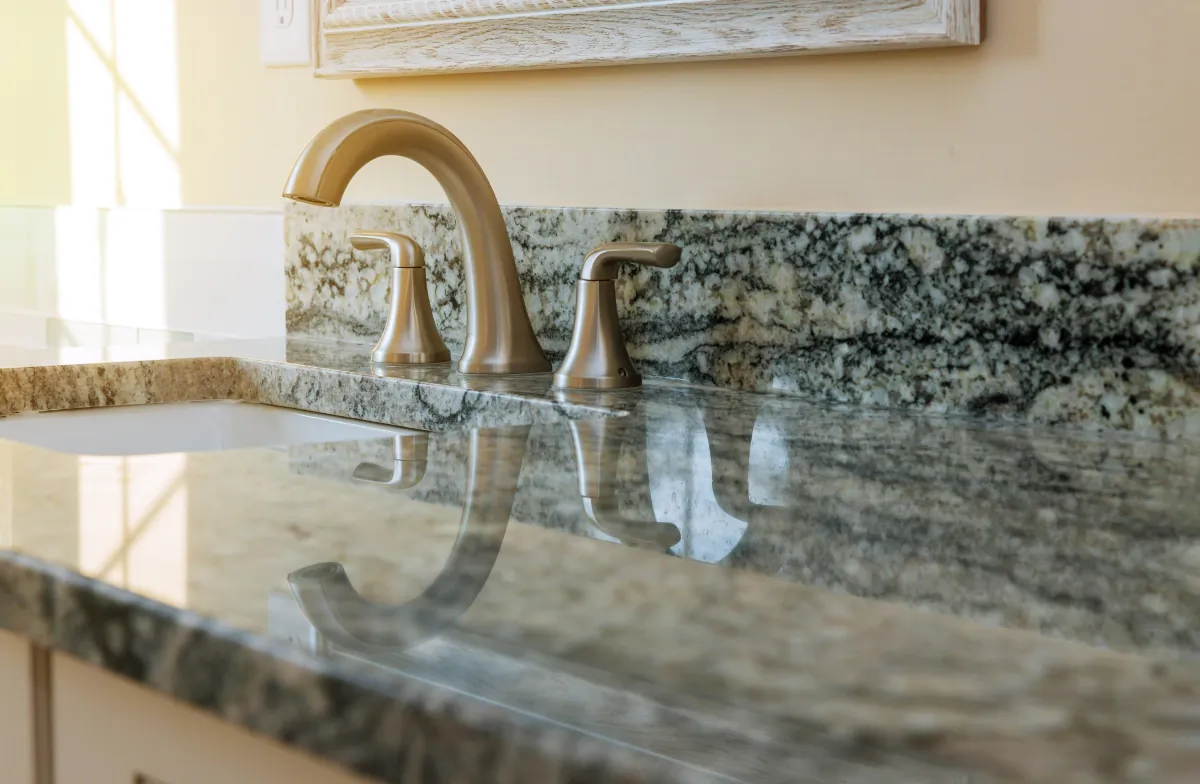
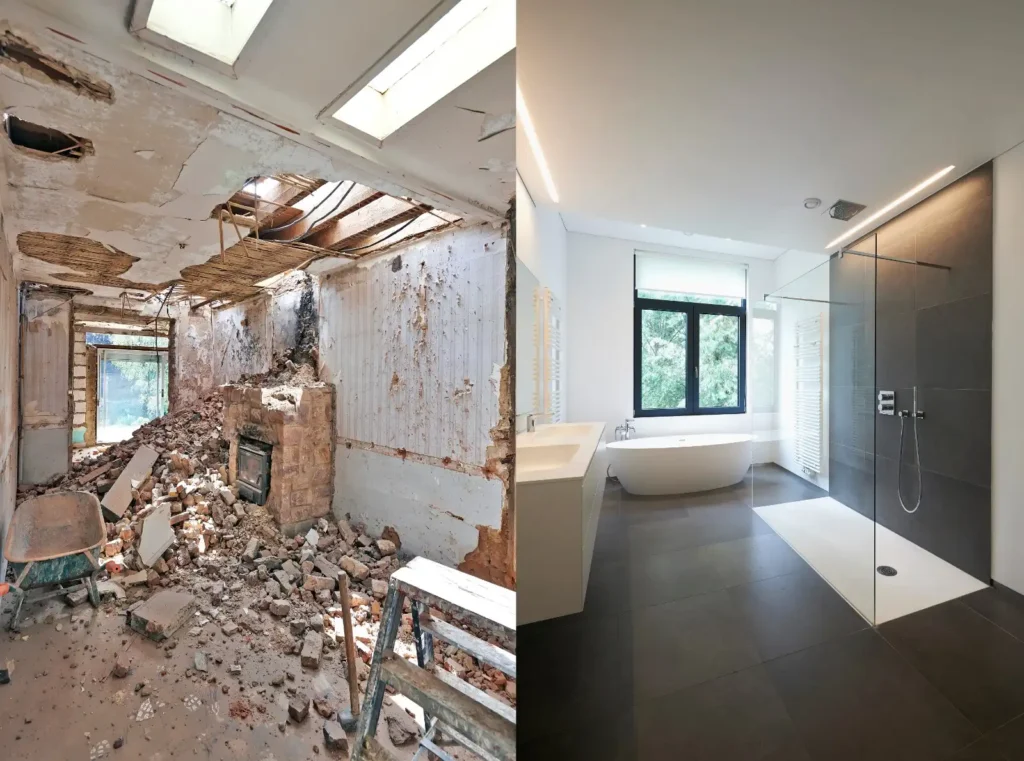
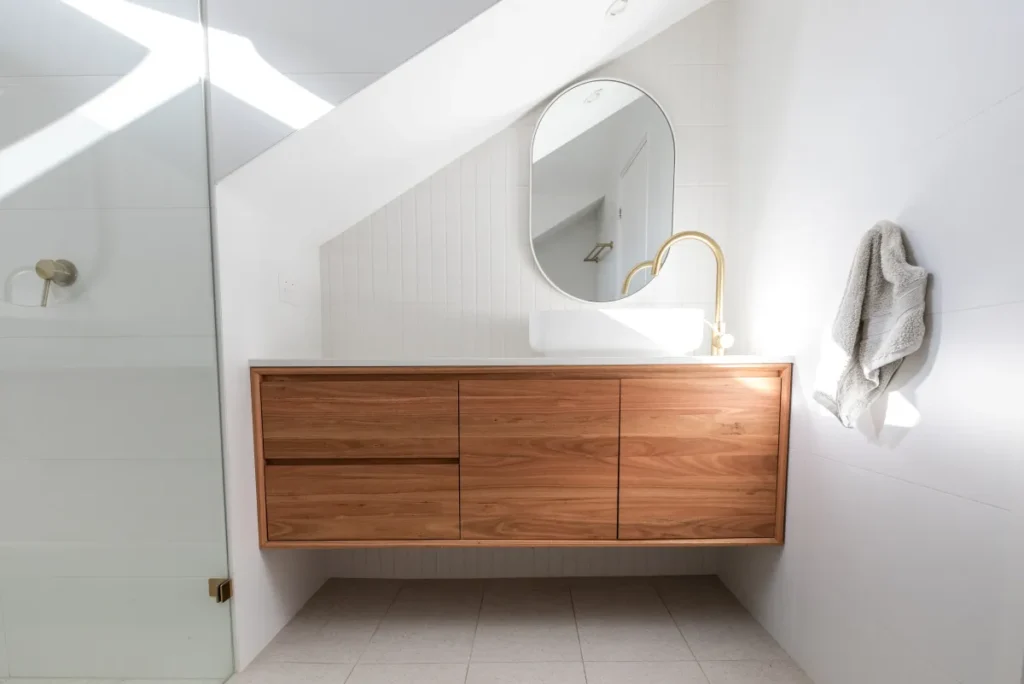
bathtub toilet sink modern bathroom construction cali

Cost Drivers + Timeline (Typical)

US Construction & Remodeling Corp. Additionally, helps homeowners in Sacramento and across our California service areas scope compact bathroom upgrades with clear selections, a written estimate, and a realistic schedule. Overall, To get accurate pricing, share a few photos, rough measurements, and what you want to keep or replace when you request a written estimate.

Budget Ranges & Timeline (Typical)

  • Keep plumbing in place: often $1,500–$5,000 and 1–3 on-site days, plus material lead time.
  • Vanity + top + lighting upgrades: commonly $4,000–$10,000 and 3–7 on-site days.
  • Move plumbing or adjust walls: frequently $8,000–$20,000+ and 1–3+ weeks depending on inspections and finishes.
  • Add shower/tub work: scope expands quickly; expect a higher budget and a longer calendar window.

These ranges are general planning numbers for California. For this reason, A small sink small bathroom refresh stays simpler when the sink stays in place, but selections and existing conditions still set the final number.

What Drives Cost The Most In A Compact Sink Area

  • Plumbing moves: relocating the drain or supply lines adds labor and may require permits.
  • Vanity size and construction: better boxes, drawers, and finishes cost more but last longer.
  • Countertop material: prefabricated tops install fast; custom stone takes more time and fabrication.
  • Electrical scope: adding a new fan, moving lights, or upgrading outlets can change the schedule.
  • Wall/floor repairs: addressing damaged drywall or subfloor protects the new finishes.

Decision Summary (Quick Scan)

DecisionImpactDecide by
Keep sink location?Biggest swing in labor and permittingBefore selecting the vanity
Vanity depth (standard vs shallow)Clearance and daily comfortAfter measuring door and toilet clearances
Top/sink type (integrated vs separate)Cleaning, seams, usable counter spaceBefore ordering fixtures
Lighting plan (ambient/task/accent)How the room feels and functionsBefore drywall/paint work
Storage plan (drawers, recessed cabinet)Counter clutter and organizationBefore rough framing (if any)

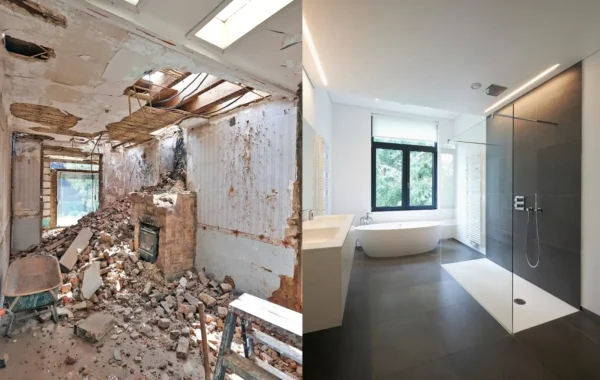
Before-And-After Scenario (Hypothetical)

A homeowner starts with a pedestal sink that leaves no counter space and forces toiletries onto the windowsill. Additionally, The vanity light sits too high and throws shadows, so daily grooming feels harder than it should.

In a redesign, the pedestal swaps to a shallow vanity with drawers and an integrated top. As a result, A recessed medicine cabinet adds hidden storage, while a new task light at the mirror improves visibility. The room keeps the same plumbing location, yet it feels noticeably easier to move through and keep tidy.

Resale And ROI Priorities

Small bathrooms often influence how updated a home feels. Overall, For resale-friendly results, focus on choices that look clean and perform well over time.

  • Choose durable, water-resistant surfaces that clean easily.
  • Keep finishes cohesive and neutral so the room reads larger.
  • Invest in lighting and ventilation; they protect the remodel and improve comfort.
  • Add storage that reduces countertop clutter without shrinking the walkway.

Frequently Asked Questions

Start with clearance, not the catalog photo. Measure the door swing, the walkway past the vanity, and how close the toilet/shower sits to the sink.

  • If the room is narrow: consider a shallow vanity depth and a compact rectangular bowl.
  • If the door conflicts: a corner sink or curved-front vanity can reduce bumps.
  • If counter space is the problem: an integrated top often gives more usable surface than a vessel sink.

Often, yes. Keeping the drain and supply lines in the same location is one of the most reliable ways to control both cost and schedule.

Plumbing moves usually make sense only when the current layout creates a daily pinch point or when you’re changing the room’s layout.

It depends on the scope and the local jurisdiction. A like-for-like swap may not need a permit, but moving plumbing, adding electrical work, changing ventilation, or modifying walls often triggers permits and inspections.

A contractor can review your scope and confirm requirements for your address before work begins.

Quartz and solid-surface tops are popular for bathrooms because they resist moisture and clean easily. Cultured marble integrated tops can also be a practical, budget-friendly option for compact spaces.

If you choose natural stone, plan for sealing and use gentle cleaners to protect the finish.

On-site work can be a few days for a straightforward swap, but the full calendar depends on material lead times and how much electrical/plumbing work is involved.

  • Simpler scope: vanity/sink replacement in the same spot.
  • Longer scope: moving plumbing, changing lighting circuits, or repairing walls/flooring.

Ask for a schedule that separates ordering time from on-site work days.

Compare quotes by clarity, not just price. Look for details that help you avoid surprises once the vanity comes out.

  • Exact fixtures and finishes (or clear allowances)
  • Who provides materials vs who installs
  • Start window and estimated duration
  • Permit responsibility if the scope requires it
  • How changes get approved and priced
  • Cleanup expectations and site protection

Leave a comment

This website uses cookies to improve your web experience.
Explore
Drag