Skip links

Vinyl Siding Installation Guide for Sacramento Homeowners

Updating your home's exterior can improve curb appeal and reduce ongoing upkeep. If you're considering a vinyl siding installation in Sacramento, this guide from US Construction & Remodeling Corp. explains how to plan scope, choose materials, and keep the schedule on track.

Quick checklist:

  • Define the scope and your must-have outcome (function, budget, timeline).
  • Confirm what trade work is involved (electrical, plumbing, drywall) and the order of work.
  • Finalize measurements and key selections before ordering long-lead materials.
  • Collect 2–3 quotes and compare line-by-line (scope, allowances, cleanup, warranty).
  • Create a simple schedule and pre-order the items that most often cause delays.

TL;DR: Vinyl siding works best when the scope includes trim details and moisture control, not just new panels. Start with a written estimate and a realistic ordering schedule so you avoid last-minute material changes.

  • Take photos of each wall and note problem areas (soft spots, staining, gaps)
  • Decide whether you want full removal or an overlay (when appropriate)
  • Pick a profile and color strategy (body, trim, accents)
  • Confirm how sheathing repairs are handled if found during removal
  • Ask how windows/doors and roof-to-wall areas will be flashed
  • Plan access for material delivery, staging, and daily cleanup

Vinyl Siding Installation For Homeowners: A Practical Overview

A well-planned siding job does more than change the look of your home. For example, It protects the wall system from weather, manages water around openings, and creates a finished exterior that stays consistent across elevations.

Most vinyl siding installation projects include preparing or removing existing cladding, inspecting the substrate, installing a weather-resistive barrier and flashing at key transitions, then installing panels, trim, and ventilation details. Meanwhile, Because the wall is exposed during parts of the work, good sequencing keeps things moving.

Design Choices That Make The Exterior Look Intentional

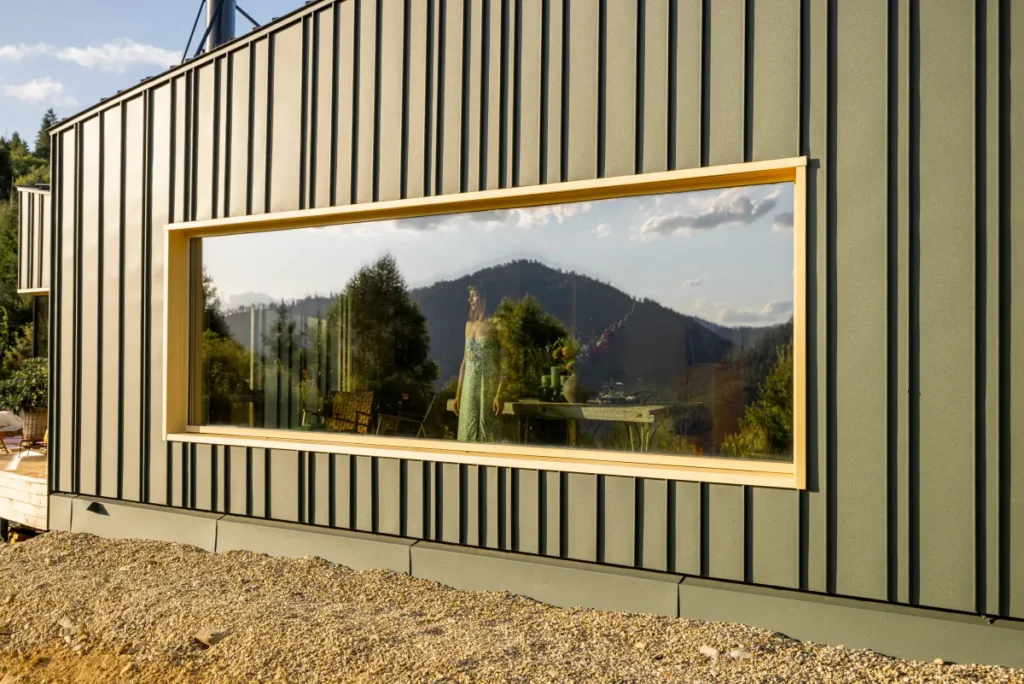
  • Choose a profile: traditional lap, also Dutch lap, board-and-batten (vertical), or shake accents
  • Set a color plan: main body color plus a trim color that frames openings
  • Use an accent area (gable or entry) to break up large walls
  • Decide on trim width so proportions match windows and fascia lines
  • Coordinate soffit and fascia finishes so the roofline looks clean
  • Plan mounting blocks for lighting, outlets, hose bibs, and vents
  • Select corner posts and J-channel details that match the system
  • Choose vented vs solid soffit based on ventilation needs
  • Decide how gutters and downspouts fit the final look
  • Pick a seam strategy so patterns stay consistent

ROI & Resale Priorities

If resale value matters, prioritize what buyers notice first: straight lines, crisp trim, and consistent color. In addition, solid moisture management behind the siding helps protect sheathing and framing, which supports long-term value even if it is not visible on day one.

Planning And Scope Decisions

Before materials get ordered, define the scope for your vinyl siding installation with the same clarity you expect from the finished exterior. Overall, A written estimate should spell out what gets replaced (siding, trim, soffit/fascia), what gets protected (landscaping, windows, walkways), and how the team handles unexpected findings once the old surface comes off.

Elevation Layout Planning (Where Courses, Seams, And Trim Land)

Vinyl siding looks best when courses stay level and terminations look deliberate. For example, your plan should call out starter strip height, how courses align at corners, and how panel seams will be staggered to avoid a 'zipper' look.

  • Use reference lines on each elevation so panels stay level around the home
  • Decide where vertical transitions go (outside corners, bump-outs, and returns)
  • Confirm trim build-outs around windows and doors so channels sit properly
  • Address roof-to-wall and deck connections early; these areas need careful flashing

Small Homes And Tight Access: Plan Staging And Protection

Even a smaller exterior can get complicated if access is tight. Also, If side yards are narrow or the home sits close to a fence, plan staging, ladder/scaffold placement, and daily cleanup so the site stays safe and usable.

  • Reserve space for a waste bin and deliveries before work begins
  • Protect planting beds and hardscape where ladders will land
  • Discuss working hours and noise expectations if you work from home
  • Keep a path for pets and kids away from active work zones

Quick Decision Table

DecisionOptions to compareWhat it changes
Existing sidingFull removal vs limited overlay (when suitable)Ability to inspect sheathing, debris, and labor time
Trim scopeReuse vs replace window/door trim, fascia, soffitFinished look and transition quality
Moisture layersHousewrap and flashing approachWater control around openings and roof intersections
Insulation upgradeStandard vs insulated vinyl; added foam (if scoped)Comfort, wall thickness, and detailing at openings
Height/accessSingle-story vs multi-story; steep gradesScaffolding needs and daily production rate

Budget & Timeline (Typical Drivers)

  • Pricing depends on exterior square footage, number of stories, and tear-off complexity
  • Trim and water-control detailing often matter more than the panel cost alone
  • Special-order colors or profiles can extend lead times, so decide early
  • If a permit applies for your scope, plan for review and inspection scheduling

Recently completed

Material Choices And Lead Times

Material selection is not just about color. For a vinyl siding installation, it also includes profile, thickness, accessory compatibility, and the hidden layers that manage water and airflow behind the siding.

Materials Deep Dive: Panels, Trim, And Moisture Details

When you compare options, look at the full assembly rather than a single sample board. For this reason, That way, you can match performance with the look you want.

  • Standard vinyl panels: cost-effective, low maintenance, and widely available in many colors
  • Insulated vinyl: adds rigidity and can smooth minor wall waviness, although it increases thickness at trim details
  • Accessory system: corner posts, J-channels, starter strips, and undersill trim should fit as a set
  • Soffit and fascia: vented soffit supports attic airflow; fascia finishing depends on the edge detail
  • Housewrap and flashing: proper lapping and flashing around openings and roof intersections helps control water
  • Fasteners and movement: correct nailing technique keeps panels free to expand and contract

Lead Times: What Can Slow Ordering Down

Lead time often comes down to color and accessory matching. For instance, a popular neutral may be readily available, while an uncommon color or specialty profile may need ordering. Additionally, To avoid delays, select the profile, color, and trim package together so everything arrives as a set.

  • Confirm the full list of accessories (corners, channels, mounting blocks, vents)
  • Ask how damaged material or shortages are handled on delivery day
  • Plan storage so panels stay flat and protected before installation

Maintenance Tips After Installation

Vinyl siding is forgiving, but it still benefits from simple care. As a result, a few habits help it look consistent for years.

  • Wash annually with mild soap; avoid blasting seams with high pressure
  • Keep sprinklers aimed away from walls to reduce spotting and mildew growth
  • Check sealant at trim transitions and touch up as needed
  • After storms, walk the perimeter and look for loose pieces or impact damage

Timeline And Work Phases

A predictable schedule comes from clear phases and fast decisions when the wall is opened up. In addition, While every home is different, most projects follow a similar sequence.

  1. Site protection, staging, and safety setup
  2. Removal or surface prep (as scoped) and disposal
  3. Substrate inspection and targeted repairs (sheathing and flashing fixes)
  4. Weather-resistive barrier and flashing at openings and transitions
  5. Installation of starter strips, panels, corners, and trim accessories
  6. Soffit/fascia work and vent terminations (as scoped)
  7. Detailing, cleanup, and final walkthrough

Before/After Example (Anonymized)

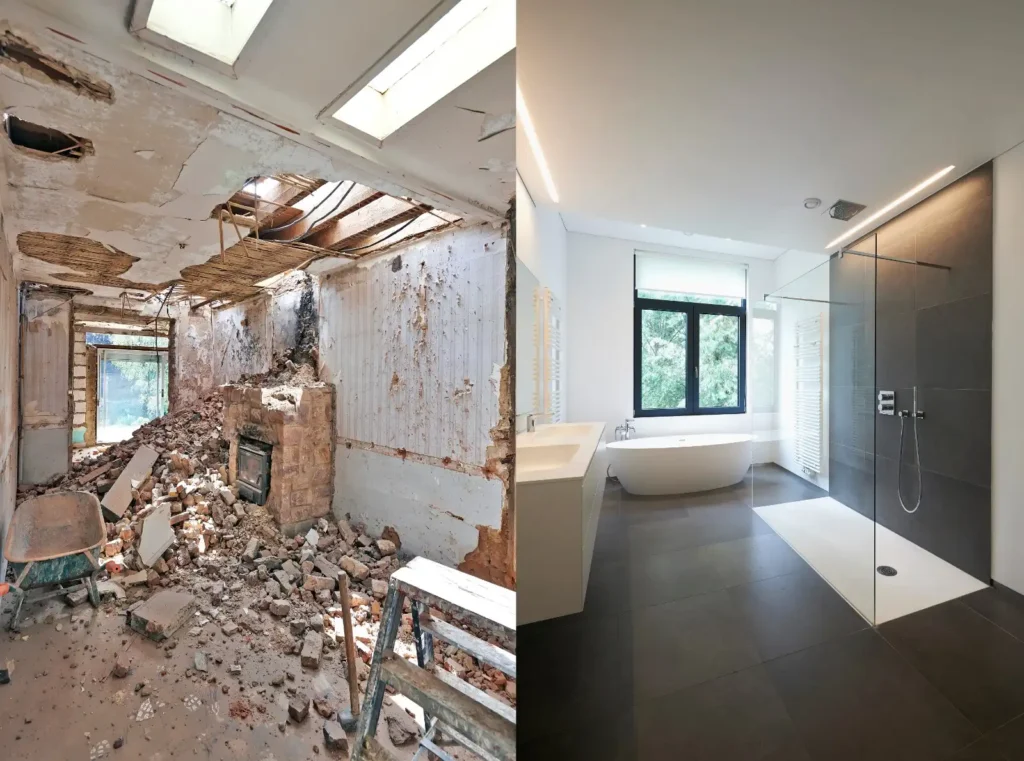
Before: A homeowner had faded, uneven exterior cladding and trim that looked mismatched from elevation to elevation. They also noticed staining near a couple of window corners after heavy rain.

After: We scoped a full exterior refresh with consistent trim dimensions, corrected water-control details at the problem openings, and installed new vinyl siding with a clean seam pattern. As a result, Because the material and accessory colors were ordered together, the finished exterior looked uniform rather than patched.

How To Avoid Delays

Delays usually come from decisions made late or surprises found after removal. However, you can reduce both by preparing up front and staying responsive during the work.

  • Pick profile, color, and trim package before ordering so accessories match
  • Clear the perimeter (patio furniture, grills, vehicles) so crews can work continuously
  • Discuss disposal and delivery logistics early, especially if parking is limited
  • Respond quickly to questions about repair items uncovered during removal
  • If an HOA applies, get exterior color approval before materials arrive
  • Build in weather flexibility; exterior work may pause during storms

If you want to start with a written estimate and a clear scope, call +1 (916) 234-6696 or use the online request form.

Various vinyl siding color options and styles for homes

Serving Homeowners In Sacramento

US Construction & Remodeling Corp. In addition, helps Sacramento homeowners plan and complete vinyl siding updates with a defined scope, organized jobsite habits, and consistent communication. We also serve nearby communities, including Elk Grove, Arden, Rancho Cordova, Folsom, and Roseville. If you're planning vinyl siding installation for your home, request a written estimate here: https://usconstructioncali.com/free-estimate/.

What To Prepare For Your Estimate Request

The more detail you share up front, the faster the estimate becomes accurate. For example, photos and a few early decisions can prevent multiple revisions.

  • Photos of each side of the home (including close-ups of trouble spots)
  • Whether you want full removal or a limited overlay (if appropriate)
  • Your preferred look (lap, Dutch lap, board-and-batten, shake accents)
  • Any trim/soffit/fascia changes you want included
  • Known issues (leaks, soft wood, impact damage) so repairs can be planned
  • Your timing goals (ideal start window and dates to avoid)

Sacramento Permitting And Coordination

Depending on scope and address, a siding project may need a building permit. Also, In Sacramento, permitting and plan review typically run through the City of Sacramento Community Development portal (Accela Citizen Access), with online applications, payments, and status tracking. When it applies, we account for review and inspection scheduling in the project plan.
Trust Checklist For Hiring A Siding Contractor

Before you sign, make sure the basics are covered and documented. Additionally, That way, expectations stay clear throughout the job.

  • Ask for current licensing and insurance documentation (not verbal promises)
  • Confirm who handles permits when they are necessary and what fees are included
  • Get a written scope that lists materials, accessory system, and trim details
  • Agree on communication: who you contact, how often updates happen, and how changes are priced
  • During the walkthrough, check for level courses, clean trim cuts, and solid transitions around openings
  • Keep warranty and product info in one place for future maintenance

Contact Details

Helpful Links

Frequently Asked Questions

It depends on your scope and what changes at the exterior wall. For like-for-like replacement, requirements may differ from projects that alter openings, add insulation layers, or involve structural repair. We recommend checking City of Sacramento requirements for your address and building type, and we can discuss permit handling as part of the written estimate.

Costs vary by home and scope. The biggest drivers typically include:

  • Exterior square footage and number of stories
  • Removal/disposal complexity and access for staging
  • Sheathing and flashing repairs discovered during removal
  • Trim, soffit/fascia, and gutter-related work included in scope
  • Insulated vinyl, specialty profiles, and accessory upgrades
  • Permit and inspection timing when applicable

Many homes can be completed in multiple workdays, although larger or multi-story exteriors can take longer. In addition, special-order materials and weather can extend the calendar. Your written estimate should include a realistic start-to-finish window based on your scope.

Sometimes, yes, but it depends on what is already on the wall and how flat and sound it is. However, full removal often makes it easier to inspect sheathing, correct moisture details, and keep the final surface straight. We review options during the site visit and recommend the approach that fits the home and scope.

Insulated vinyl can add rigidity and may improve comfort, especially when paired with good air and water control behind the siding. That said, it increases thickness at trims and openings, so detailing matters. If you are comparing options, ask to see how corners, windows, and accessories will be finished with each product.

Look for specifics, not vague promises. A solid estimate should include:

  • Exact scope (what gets replaced vs reused)
  • Product line/profile, color, and accessory system
  • How substrate repairs and change orders are handled
  • Protection plan for landscaping, windows, and walkways
  • Cleanup and disposal responsibilities
  • Timeline assumptions and permit handling if needed

Simple maintenance goes a long way. For example, wash siding periodically with mild soap, keep sprinklers off the walls, and inspect corners and trims after storms. If you see a loose piece, address it early so wind and water do not make it worse.

Licensed, insured & trusted local contractor

US Construction & Remodeling Corp.
9821 Business Park Dr, Sacramento, CA, 95827
Phone: +1 (916) 234-6696

CSLB License #: 1117562 Fully licensed and insured.

View our Google Business Profile

Leave a comment

This website uses cookies to improve your web experience.
Explore
Drag