Permits And Inspections (General)
US Construction & Remodeling Corp. Meanwhile, helps homeowners in Sacramento and across our California service areas compare roof shingle colors, confirm product availability. And map the permit and inspection steps that can affect the schedule.
Book a timeline planning call to review materials, target start dates, and what needs to happen before installation day.
When Permits Usually Apply
In many California jurisdictions, a reroof often requires a building permit. Also, Even if you keep the same shingle type and color. A simple color change by itself rarely triggers a permit, but the work scope behind it might.
- Ask your local building department what they require for your address and roof type
- Keep HOA approvals separate from city permits (both can matter)
- Plan for an inspection window so the job does not stall at the end
What Inspections Typically Focus On
Inspectors look for code compliance and safety. As a result, They usually care about the roof covering and how it is installed, not the aesthetic choice of roof shingle colors. Your color decision matters most for curb appeal, neighborhood fit, and HOA documentation.
Key Milestones
A roof color decision feels simple until you add samples, HOA paperwork, and material lead times. As a result, Lock roof shingle colors early so you avoid last-minute substitutions that can delay ordering.
Milestones From Selection To Sign-Off
- Exterior review: compare samples against siding, trim, and any stone or brick
- Sample check in real light: look at the same sample morning and late afternoon
- HOA submission (if applicable): submit the exact manufacturer and color name
- Material ordering: confirm matching accessories are in stock
- Permit application (as required): align the start date with approvals and inspection availability
- Installation: protect landscaping, stage materials, and complete the work
- Final inspection or closeout: confirm paperwork and any HOA sign-off needed
Budget Ranges & Timeline (Typical)
- Most homeowners can narrow colors in a few days once samples are on site
- HOA review and special-order colors can add the most calendar time
- Material cost shifts more with shingle tier than with the color name
- Many reroof installs finish in days, while complex roofs and inspections can extend the schedule
Common Mistakes To Avoid
Most roof shingle colors regrets come from rushing the decision or relying on a screen image. Overall, A few simple checks prevent the issues we see most often.
Planning Mistakes That Show Up Later
- Choosing from online photos without viewing a physical sample outdoors
- Ignoring fixed exterior materials and chasing a trend
- Skipping HOA rules until after materials are ordered
- Picking a high-contrast shingle that makes vents, pipes, and repairs stand out
- Expecting a perfect match on partial work after the existing roof has weathered
- Not confirming accessory color matches for edges and ridge lines
Before/After Example (Hypothetical)
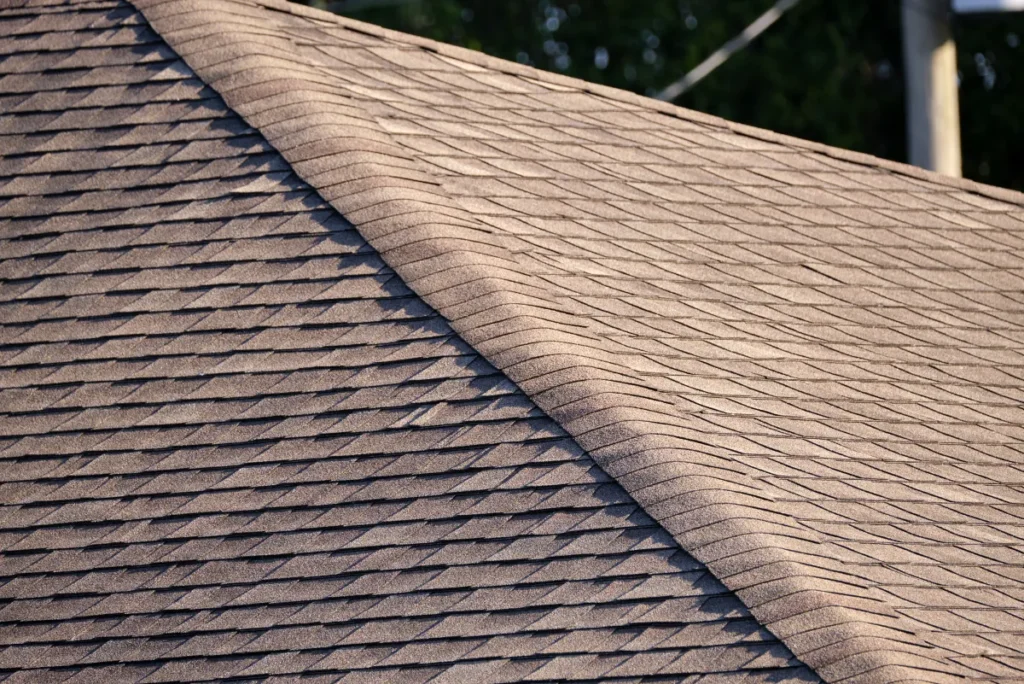
Before: A homeowner had a medium-brown roof that was repaired over time with slightly different browns. Also, From the street, the roof looked patchy and the ridge line drew the eye.
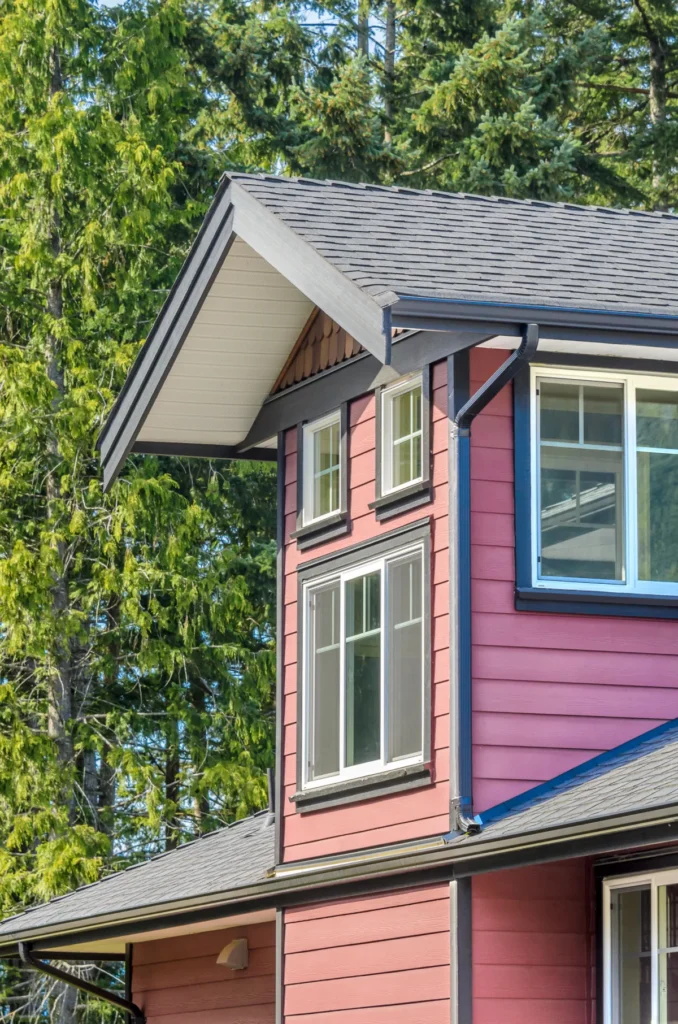
After: On a full replacement, they chose a blended gray-brown that matched the home exterior. Overall, The blend reduced contrast between planes, and the roofline looked cleaner without changing any other finishes.
Next Step In Sacramento
If you are in Sacramento and you want a confident set of roof shingle colors without dragging the project out. For example, Treat the selection like a short planning phase. Bring exterior photos, note any HOA rules. And decide whether you want a uniform look or a blended shingle that hides day-to-day dust.
Sacramento Permit Note (General)
Depending on your address and scope, reroof permits and plan review typically run through the City of Sacramento Community Development online portal (Accela Citizen Access). Additionally, Even when submissions and payments happen online, the city still requires the right documents for your project.
What We Review On A Planning Call
This is where most homeowners save time. For example, Instead of guessing, you get a clear short list and a schedule path.
- Exterior color check with 2-3 sample boards in real light
- Solid vs blended recommendation based on roof complexity
- Material availability check so you can avoid backorders
- Permit and inspection planning based on your scope
Trust Checklist (Licensing, Permits, Communication)
- Licensing and insurance: confirm the contractor is properly licensed and ask for proof of coverage
- Permit responsibility: confirm who pulls permits and who schedules inspections
- Written scope: list product line, color name, and matching accessories
- Communication: get a start window and a daily point of contact
- Workmanship verification: review product specs and walk the site before and after install
Call to talk through your deadline, or schedule online when it is convenient.
Schedule a roof color and timeline call
Helpful Links
Frequently Asked Questions
Darker shingles can absorb more heat, while lighter or reflective products can reduce roof surface temperatures. For a meaningful comparison, look at manufacturer data for the exact shingle line, because performance varies by product.
- If heat is a concern, ask about cool-roof rated options that still fit your exterior palette
- Confirm any local energy or HOA requirements before you order
Solid colors look crisp on simple roof shapes. Blended shingles work well on complex roofs because they hide minor variation and soften lines.
- Choose solid when you want a clean, modern read from the street
- Choose blended when your roof has multiple planes or you want a more forgiving look
- View samples outdoors to see the blend in real light
A color change alone rarely requires a permit, but many reroof projects do. Since rules vary by city and county, confirm requirements for your address before scheduling work.
- Ask whether a building permit is necessary for your scope
- Keep HOA approvals separate from city permits
Most homeowners can narrow roof shingle colors in a few days once samples are in hand. The calendar usually depends on HOA review (if applicable), material lead times, and permit timing.
- Sampling and decision: often a few days
- HOA review and ordering: can add days or weeks
- Installation: commonly completed in days, depending on roof size and complexity
Color is usually a small part of pricing. The bigger drivers are the shingle tier, roof complexity, accessory needs. And any wood repair discovered once the old roof comes off.
- Shingle type and rating (standard vs premium)
- Roof pitch and number of planes, valleys, and penetrations
- Accessory materials and matching components
- Permit fees and inspection scheduling
Start with licensing and insurance, then move to scope and communication. A solid proposal makes the schedule and responsibilities clear.
- Verify the contractor through the California CSLB website
- Confirm who pulls permits and who supervises crews
- Get a written scope with product line, color, and accessories listed
- Ask how changes are documented if conditions differ on site
Licensed, insured & trusted local contractor
US Construction & Remodeling Corp.
9821 Business Park Dr, Sacramento, CA, 95827
Phone: +1 (916) 234-6696
CSLB License #: 1117562 Fully licensed and insured.
View our Google Business Profile
Start with the pillar guide
For a complete overview (scope, timeline, and planning tips), see our main page: Roofing Remodeling.