Small Bathroom Designs With Shower: California Guide
A small bathroom can still feel open, bright, and easy to clean—especially when the shower is planned as the centerpiece. This guide breaks down small bathroom designs shower homeowners compare across California, from layout moves to storage and finish choices that hold up.
Quick checklist:
- Define the scope and prioritize daily function (shower, storage, ventilation).
- Confirm what trade work is involved (plumbing, electrical, drywall) and the order of work.
- Choose finishes that hold up in wet areas and are easy to clean.
- Collect 2–3 quotes and compare line-by-line (scope, allowances, cleanup, warranty).
- Decide what needs to be ordered first (tile, fixtures, vanity) to keep the schedule moving.
TL;DR: Start with a shower layout that protects the walking path and door swing, then choose surfaces you can maintain without special products. A contractor can confirm what’s feasible, what may require permits, and a realistic calendar for ordering materials and scheduling inspections. If you want to move plumbing or go curbless, get the plan on paper before you buy fixtures.
- Measure tight spots: door swing, toilet clearance, and shower entry width.
- Choose a shower door plan: sliding, pivot, or a fixed glass panel.
- Decide where storage lives: niche, recessed medicine cabinet, or tall vanity drawers.
- Pick tile and grout you can clean quickly (fewer grout lines helps).
- Plan ventilation and lighting early so the mirror area isn’t an afterthought.
- Confirm a timeline that includes lead times and any required permits.
If you want a buildable plan (not just inspiration photos), US Construction & Remodeling Corp. can help you choose a layout, confirm scope, and map the schedule. Call +1 (916) 234-6696.
Why Homeowners Hire Help For Small Bathroom Designs With Shower For Small Bathroom Designs Shower
| Decision | Why it matters | Quick check |
|---|---|---|
| Wet-area finishes | Wet zones need durable, easy-clean surfaces. | Choose materials rated for bathrooms and simple maintenance. |
| Ventilation | Helps prevent humidity and long-term damage. | Confirm fan sizing and vent routing. |
| Layout | Good layout improves daily usability. | Verify clearances and door swings. |
| Budget control | Keeps scope creep from blowing up the price. | Use allowances and a written change-order process. |
- Use a sliding shower door or fixed panel to save clearance in tight rooms.
- Keep plumbing on one wall when possible to reduce demolition and simplify waterproofing.
- Consider a low-threshold or curbless entry when accessibility matters and the floor can also be built to slope correctly.
- Add a recessed shower niche (or two) so bottles don’t live on the floor or a corner caddy.
- Choose large-format wall tile to cut down grout lines and speed up routine cleaning.
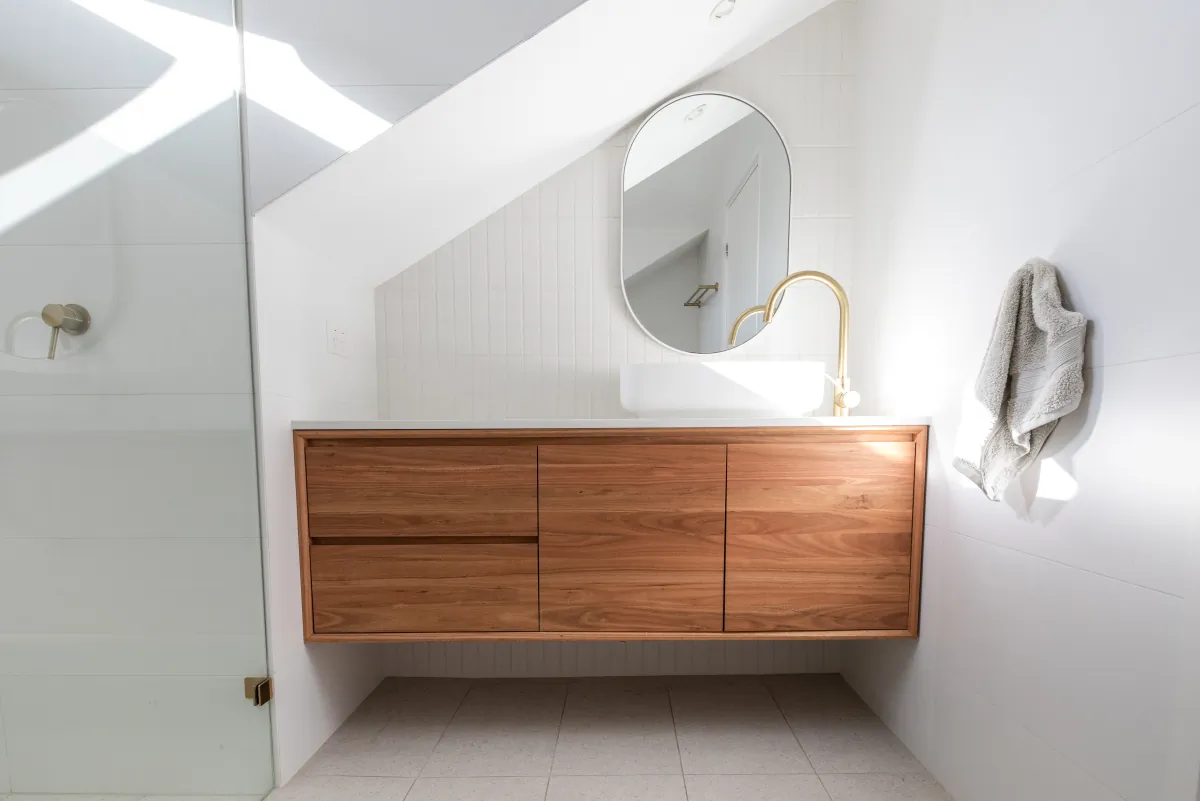
- Go with a wall-hung or furniture-style vanity that leaves visible floor for a lighter look.
- Swap a surface-mounted medicine cabinet for a recessed one when stud spacing allows.
- Use brighter, consistent lighting at the mirror: sconces or vertical bars beat a single overhead light.
- Pick a calm color palette and repeat finishes so the room reads larger than it is.
- Upgrade ventilation (and use it) so grout, paint, and caulk last longer.
Small bathrooms don’t forgive guesswork. For example, When you’re comparing small bathroom designs shower ideas, the biggest wins come from clearances, waterproofing details, and smart product selection—not from adding more features. As a result, A contractor helps translate design intent into a buildable layout, confirm where plumbing and electrical can land, and coordinate trades so the shower performs the way it looks.
Small-Space Layouts That Work With A Shower
The right layout keeps the “wet zone” contained and preserves a clean path from the door to the vanity and toilet. For this reason, Many small bathroom designs shower layouts succeed by protecting that path first, then tightening everything else around it.
- Straight-line layout: vanity, toilet, and shower align on one side for simple plumbing and easy movement.
- Corner shower: useful when the room is short; pair it with a fixed glass panel to keep sightlines open.
- Alcove shower: three-wall shower with a sliding door; a strong option for long, narrow rooms.
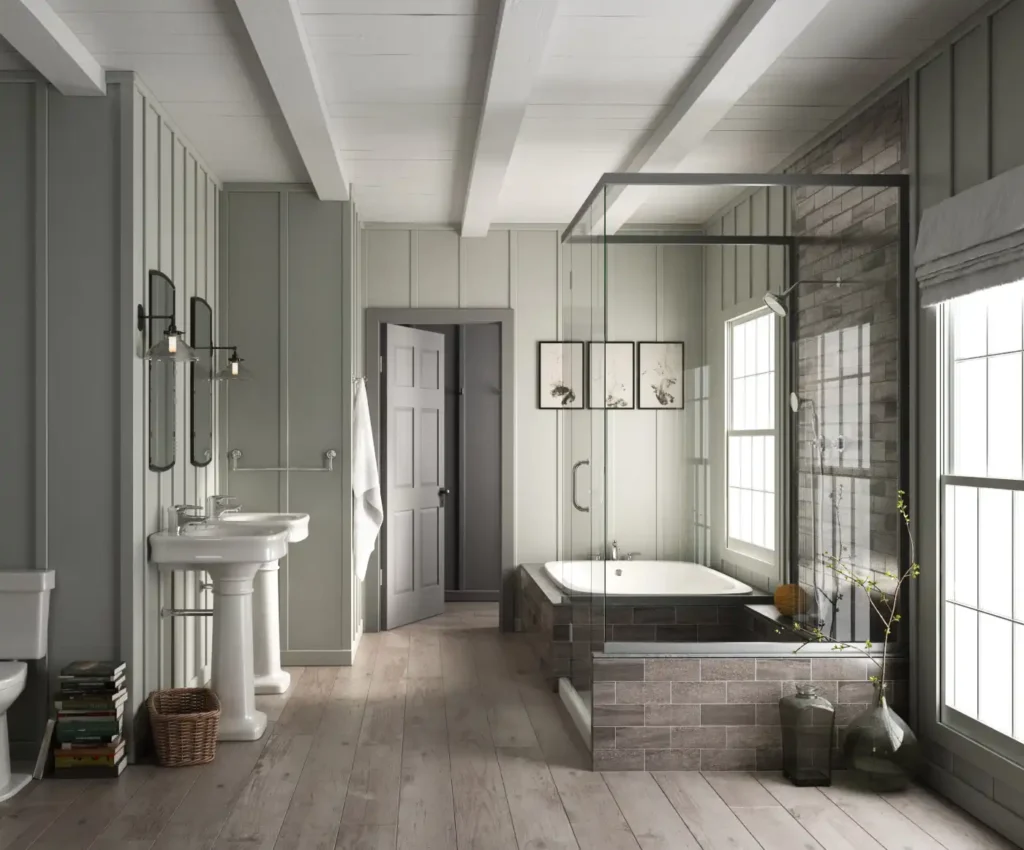
- Wet-room style: a continuous, waterproofed floor with a fixed panel; best when you can control slope and drainage.
- Tub-to-shower conversion: trades soaking space for a larger shower footprint and easier daily use.
Storage Wins For Tight Baths
Storage has to be intentional in a small bathroom, otherwise counters fill up fast. As a result, Focus on built-ins and vertical space so daily items have a “home.”
- Recessed niches at shoulder height for shampoo and soap.
- Vanities with drawers (not just doors) for better organization.
- Recessed medicine cabinets to gain depth without crowding the sink area.
- A tall, narrow linen cabinet when floor space is limited but wall space is available.
- Towel hooks and a compact towel bar placed where they don’t block the shower door.
- Open shelves used sparingly for towels—closed storage for everything else.
Common Planning Mistakes To Avoid
- Choosing a shower door that collides with the toilet, vanity, or entry door.
- Picking high-maintenance stone or heavy-texture tile without a realistic cleaning plan.
- Forgetting to plan where the shower valve, niche, and towel storage will land until after framing.
- Under-sizing ventilation, which can shorten the life of paint, caulk, and grout.
- Ordering fixtures late, which can stall the schedule when a trim kit is backordered.
- Skipping a clear selections list, leading to last-minute decisions and change costs.
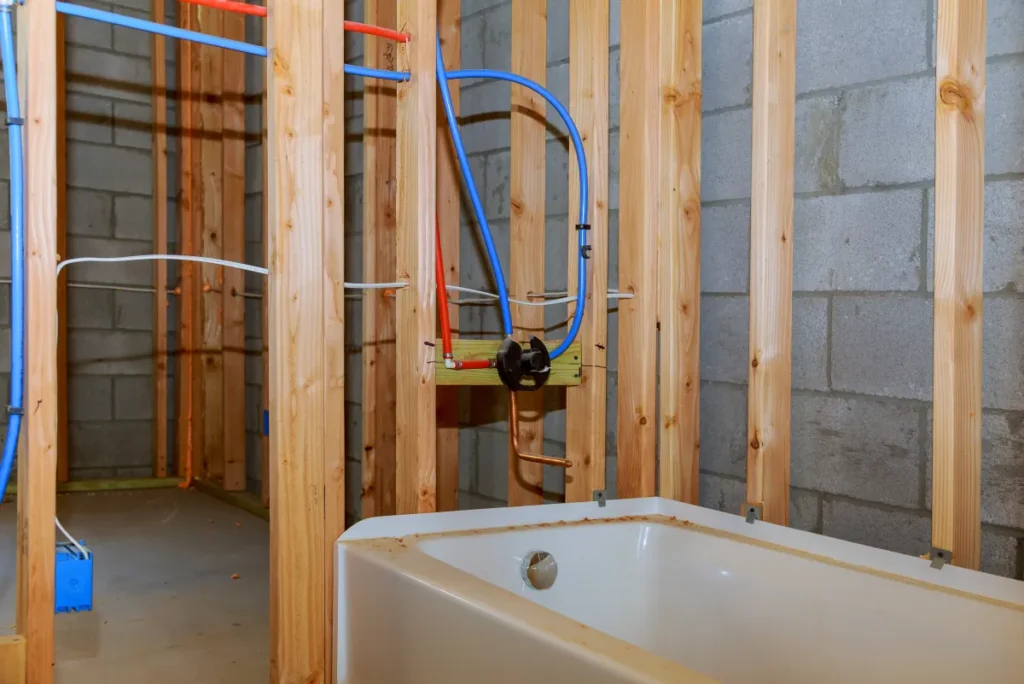
How To Choose The Right Contractor
A great shower design only pays off if it’s installed correctly. Also, When you compare bids, focus on clarity and technical approach, not just the bottom line. Additionally, For small bathroom designs shower remodels, the waterproofing approach and inspection plan matter as much as the tile you pick.
- Scope clarity: Look for a written scope that lists what changes and what stays (layout, fixtures, tile, electrical, ventilation).
- Waterproofing plan: Ask which waterproofing system they use, how they handle corners and penetrations, and whether they perform a flood test when applicable.
- Permit awareness: Confirm who pulls permits when required and who schedules inspections.
- Change management: Make sure they explain how changes are priced and approved before work continues.
- Communication: Ask who your day-to-day contact is and how often you’ll get schedule updates.
Trust Checklist (Before You Sign)
- Verify active California contractor licensing and request proof of insurance.
- Get a selections list (fixtures, tile, grout, glass, vanity, lighting) tied to the scope.
- Confirm responsibility for permits and inspection scheduling when the scope requires it.
- Ask how the team protects floors and manages dust in an occupied home.
- Request checkpoint photos (or walkthroughs) before tile goes up: backing, waterproofing, and rough-in locations.
Design Decisions For Small Bathroom Designs Shower Layouts
Design choices should make the room easier to live in, not just nicer to look at. In addition, In small bathrooms, designers sometimes borrow kitchen terms for layout: galley (long and narrow), L-shape (fixtures on two walls), and U-shape (fixtures on three walls). For example, An island-centered layout is rare in a small bath; a freestanding “island” vanity only works when the room is unusually wide and you still keep clearances.
Vanity And Storage Style
- Cabinet door styles: Shaker is timeless and easy to match; slab fronts look modern and wipe clean; recessed-panel doors lean traditional.
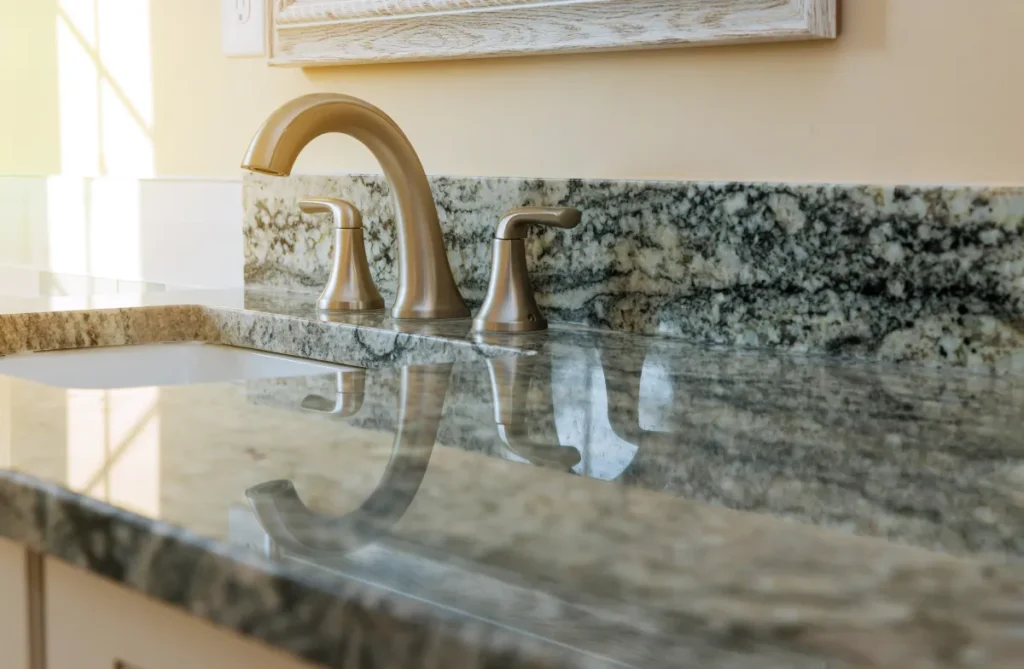
- Countertop options: Quartz is low maintenance; solid-surface offers seamless sinks; natural stone can look great but may need more care; quality laminate remains budget-friendly.
- Hardware and mirrors: Use the same finish family on faucets, shower trim, and cabinet pulls for a calmer look.
Flooring And Tile That Make Sense In Wet Areas
- Flooring choices: Porcelain and ceramic tile handle water well; slip resistance matters, especially in a shower-adjacent floor.
- Wall tile choices: Larger formats reduce grout lines; smaller mosaics add traction on shower floors when installed well.
- Grout and caulk: Ask about grout type and where flexible sealant is used at changes of plane.
Layered Lighting (Ambient, Task, Accent)
- Ambient: A quality ceiling light or recessed fixtures to evenly light the room.
- Task: Mirror-area lighting on both sides (or a vertical bar) to reduce shadows.
- Accent: A dimmable feature light, niche lighting, or a backlit mirror to add depth without clutter.
Planning To Completion
Every home is different, but a well-run small bathroom with shower project follows a predictable sequence. Meanwhile, The goal is to lock decisions early so the build phase stays focused.
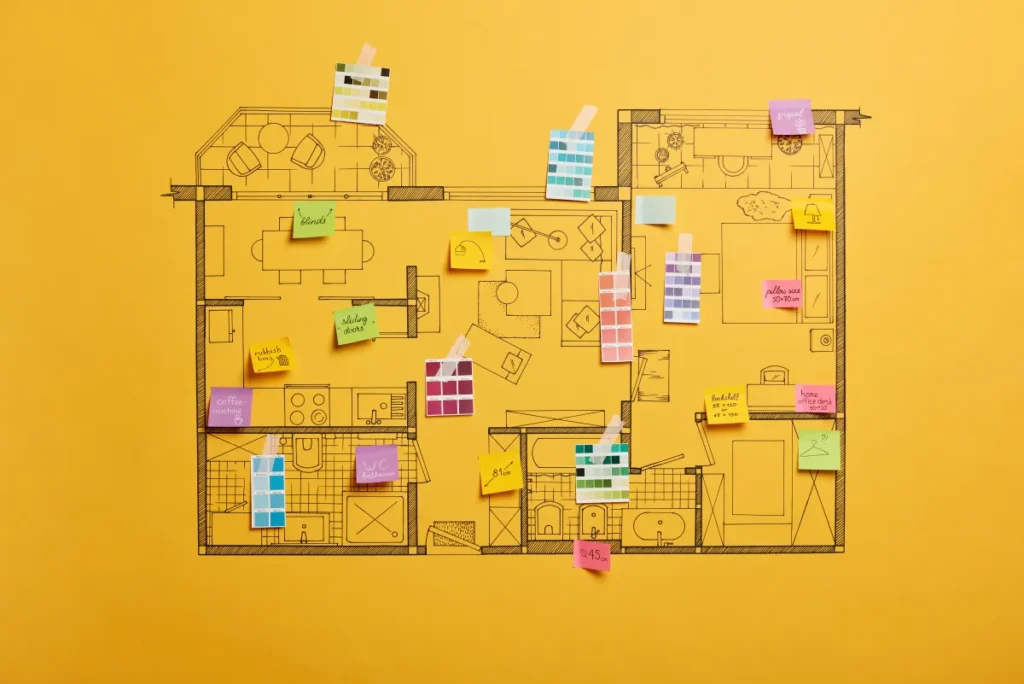
- Site visit and measurements: confirm dimensions, plumbing locations, and any constraints (door swing, window placement, existing venting).
- Layout and selections: choose the shower footprint, door/glass approach, tile, vanity, lighting, and storage.
- Scope and schedule: agree on what’s included, ordering responsibilities, and a realistic start date.
- Permits (when required): submit plans and schedule inspections based on local requirements.
- Demolition and prep: protect adjacent areas, remove existing finishes, and prep framing.
- Rough-in work: plumbing/electrical updates, ventilation improvements, and any framing for niches or recessed cabinets.
- Waterproofing and inspection: apply the specified system, complete required checks, and only then move to tile.
- Tile, fixtures, and glass: set tile, grout, install trim, and set glass/door hardware.
- Finish and walkthrough: paint, final adjustments, sealing where needed, and a punch list to close out details.
Even in a tight footprint, this sequence protects the parts you can’t see—because the best-looking shower still fails if water gets behind it.
Budget & Timeline (Typical)
Budget and schedule swing based on scope, product lead times, and whether you keep plumbing in place. Overall, If you’re collecting small bathroom designs shower options, note which ones require moving plumbing, custom glass, or curbless detailing—those choices often add steps.
Budget Ranges & Timeline (Typical)
- Lower range: keep the layout, refresh the shower, update the vanity and lighting with standard finishes.
- Mid range: new tile throughout, custom glass, upgraded ventilation, and more built-in storage.
- Higher range: move plumbing, create a curbless entry, or use custom cabinetry and specialty tile work.
- Calendar: on-site work often runs a few weeks, while permitting and product lead times vary by city and selections.
| Decision | Why it matters | Usually affects |
|---|---|---|
| Keep plumbing locations | Less wall and floor rework | Lower complexity and faster build |
| Sliding vs. pivot shower door | Clearance and daily usability | Layout options and hardware costs |
| Large-format tile | Fewer grout lines, faster cleaning | Material cost and installer time |
| Curbless / low-threshold entry | Accessibility and a cleaner look | Floor build-up, waterproofing detail |
| Custom niches and benches | Storage and comfort | Framing time and waterproofing steps |
Resale & ROI Priorities
If resale matters, prioritize durability and broad appeal. Additionally, Buyers notice a clean shower install, consistent finishes, and good lighting more than trendy extras.
- Spend on waterproofing, ventilation, and a quality shower valve—those are hard to change later.
- Choose timeless finishes (neutral tile, simple hardware) if you want the widest buyer fit.
- Improve storage and lighting; both make small baths feel more functional at showings.
Keeping The Shower Looking New
- Run the fan during showers and for a short period after to manage humidity.
- Use pH-neutral cleaners on tile and grout; avoid harsh abrasives on glass.
- Check caulk lines at corners and around fixtures; address small gaps before they become leaks.
- Squeegee the glass when possible—two minutes saves hours later.
If you want a realistic timeline based on your exact layout and selections, schedule a planning call and bring photos of the current space.

How We Help In Sacramento
US Construction & Remodeling Corp. In addition, helps Sacramento homeowners plan and build small bathroom designs shower upgrades with clear scope and a schedule that matches real lead times. Also, We coordinate the moving parts—demo, rough-ins, waterproofing, tile, and finish installs—so you’re not making critical decisions mid-project.
Book a planning call to talk timeline and next steps, or call +1 (916) 234-6696.
Sacramento Permitting Notes (When Scope Requires It)
In Sacramento, permitting and plan review typically run through the City of Sacramento Community Development portal (Accela Citizen Access). Meanwhile, If your project changes plumbing locations, electrical, ventilation, or structural elements, plan for permit and inspection steps as part of the schedule.
Related Upgrades That Pair Well With A Shower-Focused Remodel
- Ventilation fan upgrade for humidity control.
- Vanity replacement with drawers and a recessed medicine cabinet.
- Mirror-area lighting for better daily use.
- Water-efficient shower fixtures and easy-clean glass.
Helpful Links
Related reading
- Bathroom Remodel 3D Design: Tile, Fixtures & Lighting Preview
- Standard Bathroom Sink Size: California Homeowner Guide
- Small Sink Small Bathroom Guide: Layout, Storage & Finishes
- Bathroom Floors: A Practical Guide for California Homes
- Modern Bathroom Sinks: A Practical Planning Guide for California
- Small Bathroom Sinks: A California Homeowner’s Guide
Frequently Asked Questions
It depends on scope and lead times. Many small bathroom designs shower projects move quickly once materials are on hand, while a full rebuild or plumbing changes often take longer due to inspections and sequencing.
- Plan time for selections and ordering.
- Expect on-site work to run a few weeks for many small baths.
- Add time when permits or custom glass are involved.
Most budget swings come from complexity, not square footage.
- Moving plumbing or changing the shower footprint.
- Custom glass vs. standard door options.
- Tile size, pattern, and the amount of detail work (niches, benches).
- Upgrades to ventilation, electrical, or subfloor repair discovered during demo.
Some projects do, especially when plumbing, electrical, ventilation, or structural elements change. Rules vary by city and scope, so it’s smart to confirm early and include permit timing in the schedule.
Often, yes—but it needs the right floor build-up and waterproofing details. A low-threshold entry can deliver a similar look and accessibility when a true curbless design isn’t practical.
For low maintenance, many homeowners choose porcelain tile and keep grout lines to a minimum. Ask about grout options and where flexible sealant is used so corners and transitions stay watertight.
Look for a contractor who explains waterproofing, provides a clear scope and selections list, and sets expectations for permits and inspections when required. You should also verify licensing and confirm who your day-to-day contact will be during the build.
Licensed, insured & trusted local contractor
US Construction & Remodeling Corp.
9821 Business Park Dr, Sacramento, CA, 95827
Phone: +1 (916) 234-6696
CSLB License #: 1117562 Fully licensed and insured.