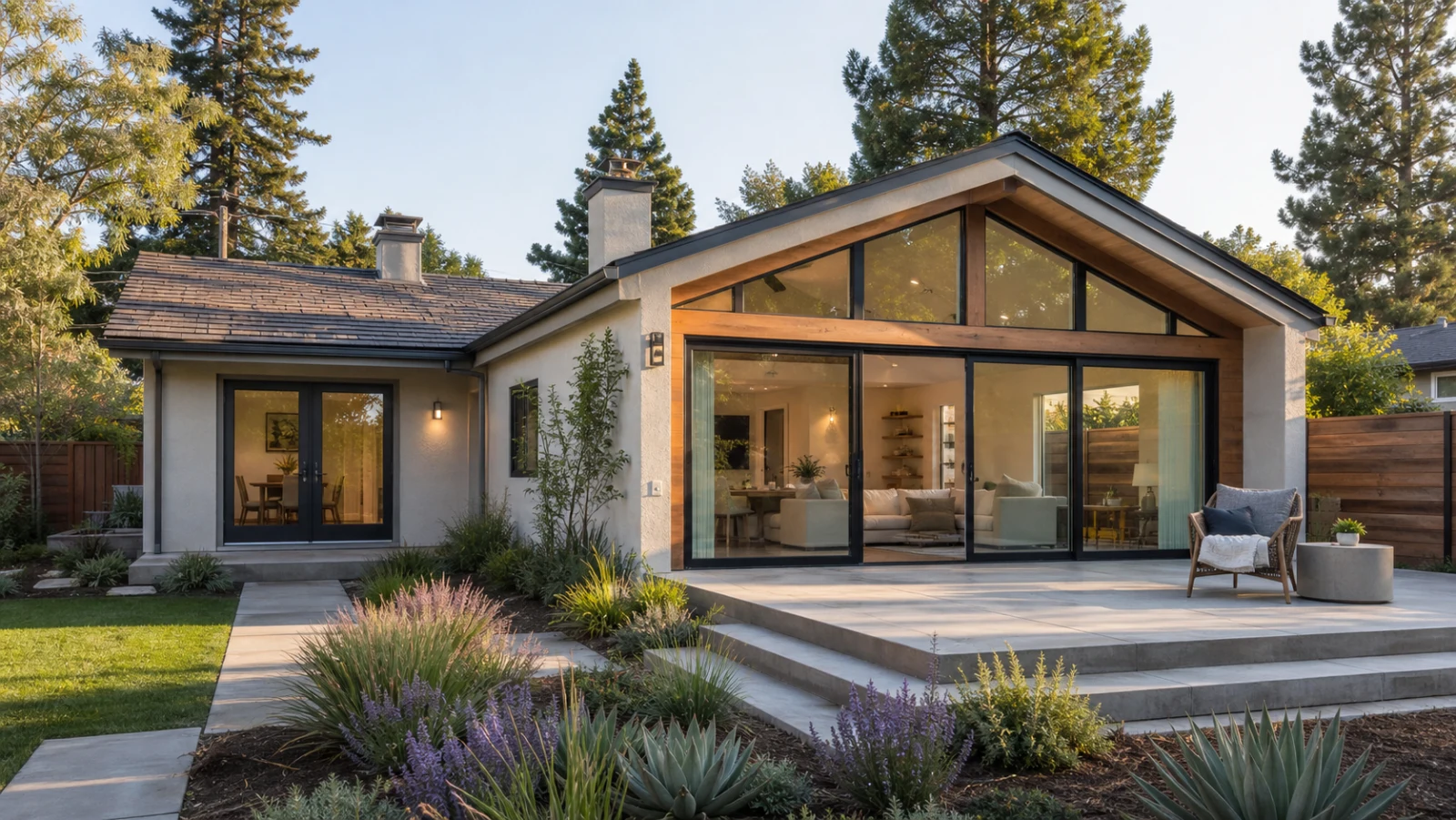
Create more room for the way you live. US Construction plans and builds Sacramento home additions, with design roles, permit responsibilities, and construction scope clearly defined for your property.
Before pricing, we document the property, desired space, existing conditions, access, design and engineering responsibilities, permit path, allowances, and open scope questions.
The service begins with how the household will use the space and how the new work connects to the existing home. US Construction manages construction and coordinates the design, engineering, and permit responsibilities identified for the property.
01
Ground-Level Addition
Plan a room, suite, kitchen, or living-area expansion while coordinating the connection to the existing house.
Kitchen, living, bedroom, office, or suite planning
Foundation, wall opening, weatherproofing, drainage, and exterior finish tie-ins
HVAC, plumbing, electrical, windows, doors, and finish coordination
02
Second-Story or Complex Expansion
Evaluate an upper-level or structurally complex expansion with early design, engineering, access, and permit review.
Existing structure, stair, egress, and load-path questions
Engineering, utilities, weatherproofing, and energy requirements
Permit responsibility, protection, inspections, and closeout
A measured next step
What happens after you request an estimate
01
Tell us how the house needs to work
Share the address, the space you need, household priorities, available plans or photos, budget boundary, timing, and any known property constraints.
02
We review the property and feasibility questions
Our team reviews the requested space, access, existing-house connection, jurisdiction, timing, and the feasibility questions that still need verification.
03
Confirm the next steps for your proposal
After the initial review, we explain what is needed to prepare your proposal, including measurements, design work, engineering, permit research, or further property checks.
Published project records
A related remodeling project
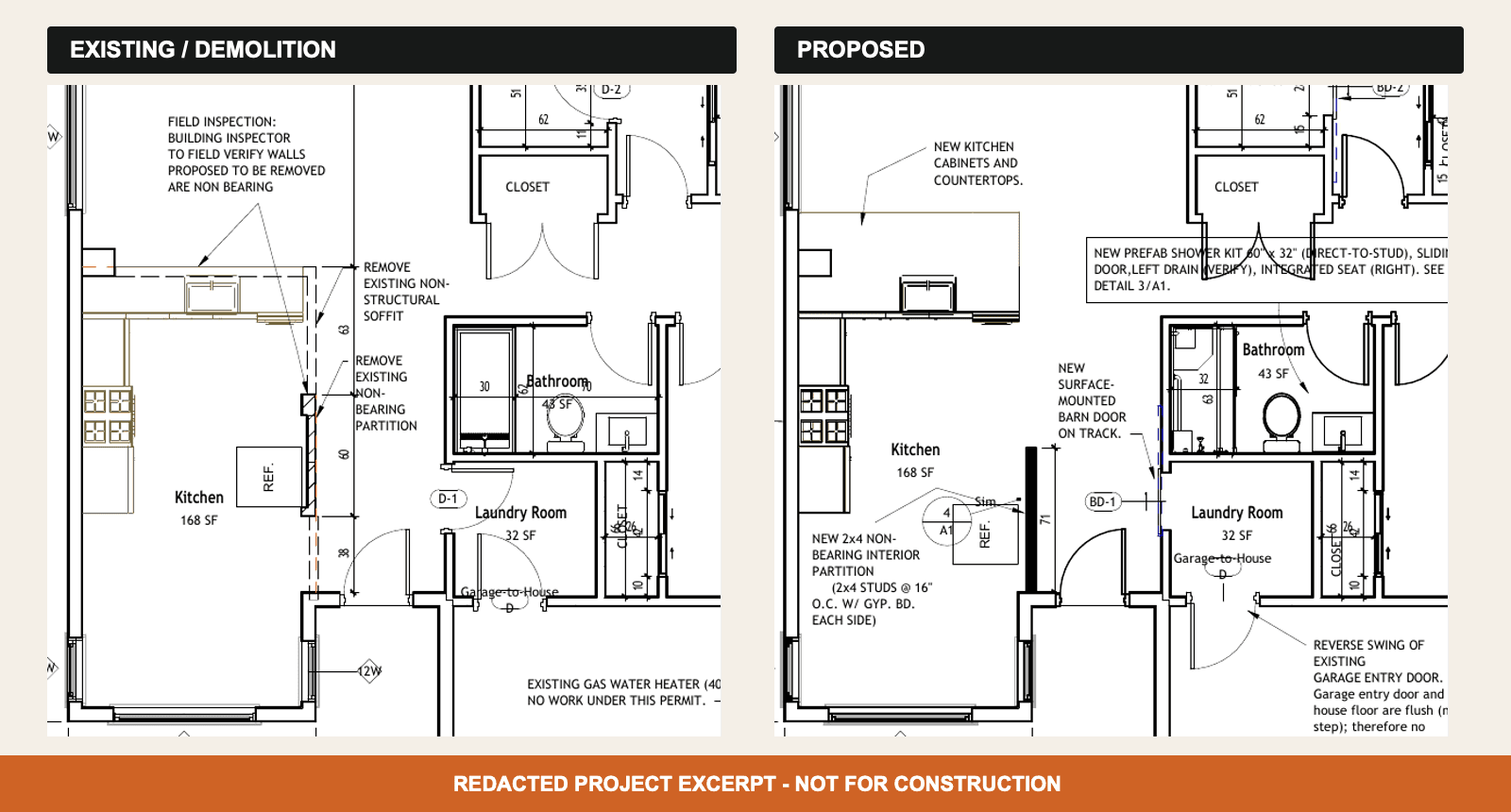
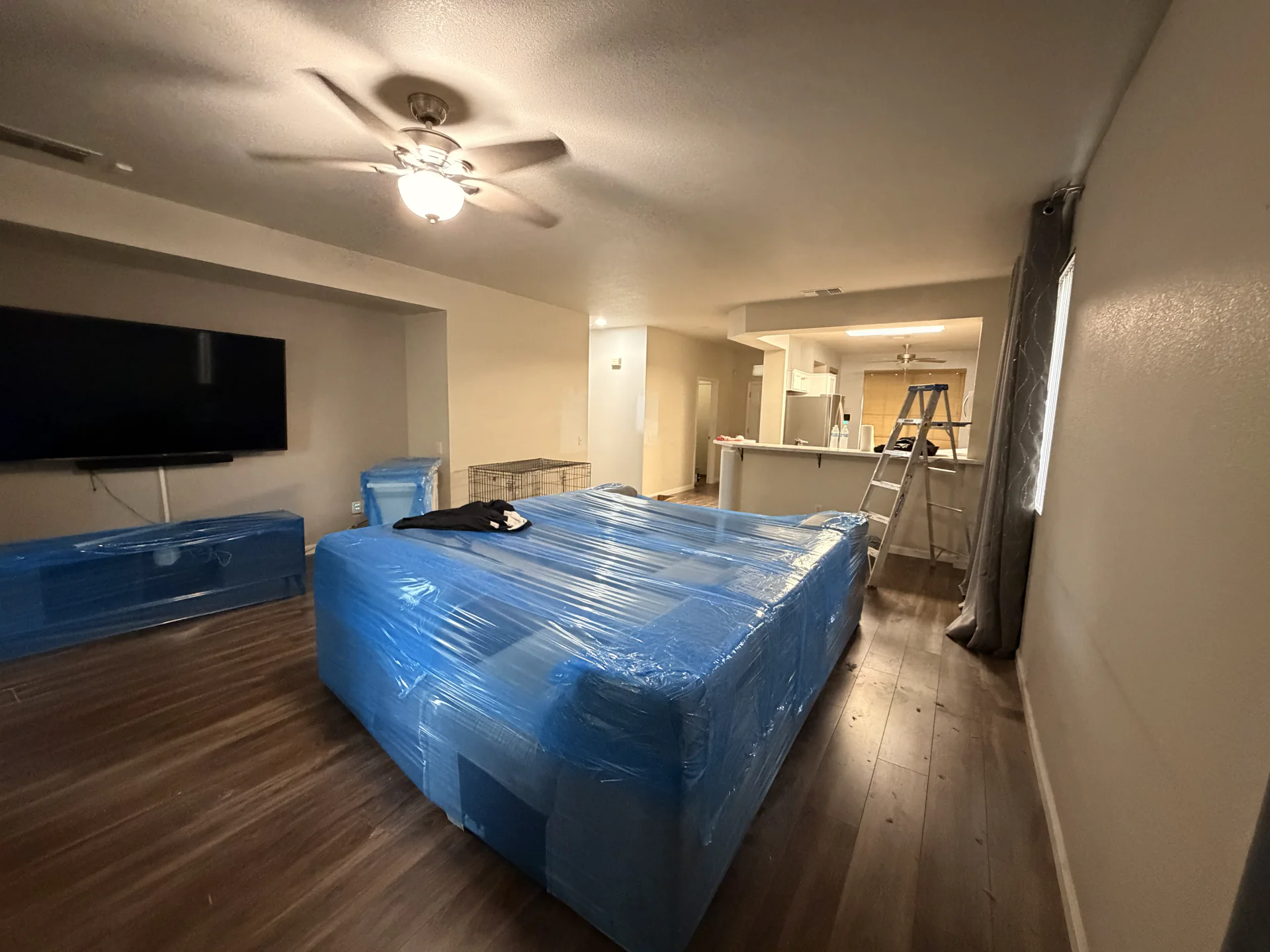
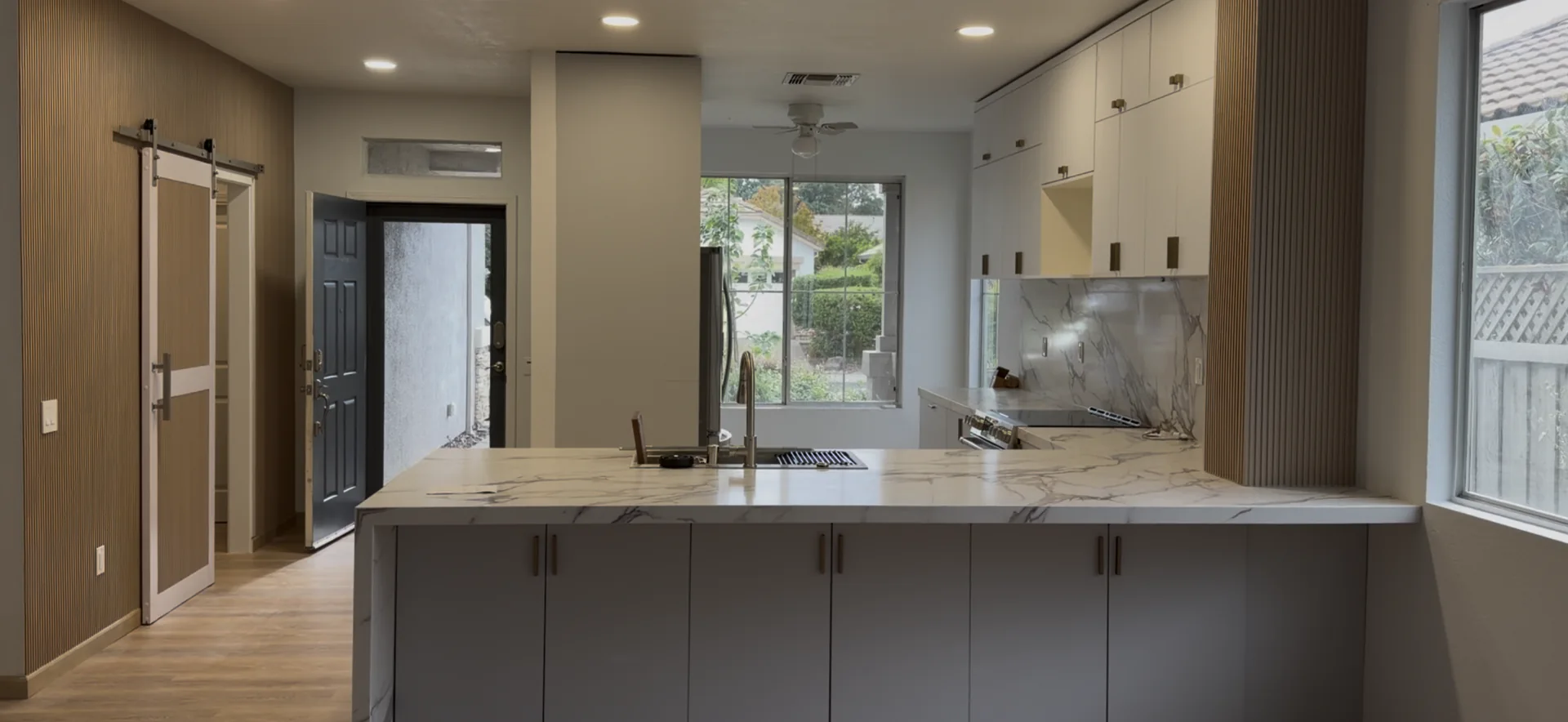
These records show planning, opened-wall coordination, and finish integration from a documented Roseville whole-home remodel. These examples show structural and interior remodeling experience that informs how we plan and coordinate a home addition.
A stronger proposal names the important decisions instead of hiding them inside one total. Explore the Sacramento home addition cost guide for more detail on cost drivers and planning assumptions.
Planning item
What should be written
Why it matters
Utilities and finish allowances
HVAC, plumbing, electrical, windows, doors, interior finishes, and allowance amounts
Shows the selections and connected systems that can change cost or schedule
Design and permit path
Jurisdiction, drawings, engineering responsibilities, review steps, and fees
Keeps preconstruction work and approval responsibilities visible
Connection to the existing home
Foundation, wall opening, exterior weatherproofing, drainage, and interior transitions
Clarifies where concealed conditions and coordination can affect scope
Site protection, inspections, and handoff
Access, protection, inspections, punch list, cleanup, and closeout documents
Makes the finish and handoff expectations explicit
About the authors
Built from documented work and official sources.
Our Chief Designer wrote this page, and our general contractor reviewed it.
01
Written by Emin
Chief Designer
Emin is the Chief Designer at US Construction Remodeling Corp. Emin leads client design meetings, measured layouts and 3D visualization in Revit, 3ds Max and Unreal Engine, and uses AI tools to speed up design and project planning.
02
Reviewed by Umit Sahin
General Contractor
Umit Sahin is a general contractor at US Construction Remodeling Corp. and oversees construction, permits, and inspections on our projects.
03
Official resources
Official sources for the current residential addition permit path, plan-review process, and our contractor license.
Last reviewed September 13, 2026 · US Construction Remodeling Corp. · California contractor license #1117562
Read customer reviews on Google
The Google profile contains reviews across the company’s construction and remodeling work. Use the complete profile to review recent comments about communication, workmanship, project scope, and closeout.
Read the complete source review before relying on a short excerpt.
US Construction did an amazing remodeling for house, we got new rooms, kitchen and outdoor entertainment for back yard, our project manager handled permits, engineering and architectural plans with a great work crew…
SallyGoogle review
I didn’t know we had to get a permit for renovating my house but remodeling the bathrooms and kitchen, adding a new wall was required to have plan and permit, Us construction handled everything for me…
Robert KimballGoogle review
Choosing US Construction for our home remodel (two bathrooms and a full kitchen) was the best decision. The crew was exceptionally professional, keeping us informed throughout the entire process. … The final outcome is incredible; our new kitchen and bathrooms look like they belong in a magazine.
Luis MaldonadoGoogle review
Compare the same written scope
What we review for your Sacramento property.
We review the address, the connection to the existing home, and open design questions before defining the next proposal step.
01
Which jurisdiction reviews the address
02
How the new space connects to the existing home
03
Which design and engineering questions remain open
04
What information is needed to prepare the proposal
Sacramento homeowner questions
Home addition FAQ
A written scope may include feasibility review, design and engineering coordination, site work, foundation, framing, exterior weatherproofing, windows and doors, cladding, utilities, insulation, drywall, finishes, permits, inspections, protection, cleanup, and closeout.
Budget depends on size, structure, foundation, exterior tie-ins, utilities, access, design and engineering, permit fees, finish selections, occupied-home protection, and concealed conditions. A property review and written proposal replace generic price assumptions.
Residential additions generally require plans, permit review, inspections, and address-specific verification. The property jurisdiction and exact scope determine the required documents and reviews.
The schedule depends on feasibility, design decisions, engineering, permit review, procurement, site access, inspections, weather, trade coordination, and the approved construction scope.
Sometimes. The answer depends on access, structural openings, utility interruptions, dust and noise controls, weather protection, household needs, and the phase of work. The written plan should define protection, shutdowns, unavailable areas, and cleanup.
Prepare the address, the problem the new space should solve, available plans or photos, must-have features, a budget boundary, preferred timing, and household access needs. Field measurements and property research still need to be completed.
Compare the same property assumptions and proposed scope. Review design and engineering responsibilities, foundation and structural work, exterior tie-ins, utilities, allowances, permits, inspections, exclusions, concealed-condition procedures, schedule assumptions, payment milestones, protection, cleanup, closeout documents, and warranties.
Continue planning
Home addition planning guides
Use these Sacramento resources to compare cost drivers, room-addition scope, permit questions, ADU alternatives, and design coordination before requesting an estimate.
Share the project type, Sacramento-area address, target budget, timing, requested space, known conditions, and optional plans or photos. We review the details before discussing the next step.