
Roof Calculator

If you’re using a roof calculator to plan a roof repair or replacement, the goal is simple: get a fast roof measurement snapshot you can use to ask better questions, compare options, and set realistic expectations before committing to a project.
A roof calculator can help estimate roof area, roof squares, pitch, and general roof complexity. That makes it useful for early budgeting, repair-versus-replacement planning, and understanding what may affect the final scope. It is a smart starting point, but it is not a final inspection. Hidden issues such as decking rot, flashing failure, ventilation problems, or structural deterioration usually require on-site verification before final pricing is confirmed.
Quick checklist:
- Confirm the scope: repair, partial replacement, or a full reroof.
- Pick a material system and verify underlayment, flashing, and ventilation details.
- Clarify tear-off vs overlay and what happens if decking damage is found.
- Compare 2–3 itemized bids (materials, disposal, permits, warranty).
- Schedule around weather and confirm daily cleanup and protection.
- Do a final walkthrough: flashing, vents, and warranty documentation.
TL;DR: A roof calculator is a smart starting point for planning, but it can’t see hidden conditions. Treat results as preliminary until a professional verifies pitch, measures details, and inspects the roof in person.
- Write down your home’s basic footprint measurements (length/width) and any attached additions.
- Note roof shape features (valleys, dormers, multiple sections) that change the real surface area.
- Estimate pitch (or flag it as unknown) so you don’t undercount steep-slope surface area.
- Convert area to roof squares (1 square = 100 sq ft) to compare material and labor assumptions.
- Budget for waste and cutting, especially on complex rooflines and around penetrations.
- Decide whether you’re likely in “targeted repair” or “full replacement” territory.
- Schedule an on-site inspection to confirm scope, including potential decking or flashing issues.
When a Roof Calculator Is Useful
| Decision | Why it matters | Quick check |
|---|---|---|
| Material system | Affects lifespan, cost, and appearance. | Confirm shingle/tile type, underlayment, and warranty. |
| Flashing & penetrations | Most leaks start at edges and penetrations. | Specify flashing at chimneys, vents, and valleys. |
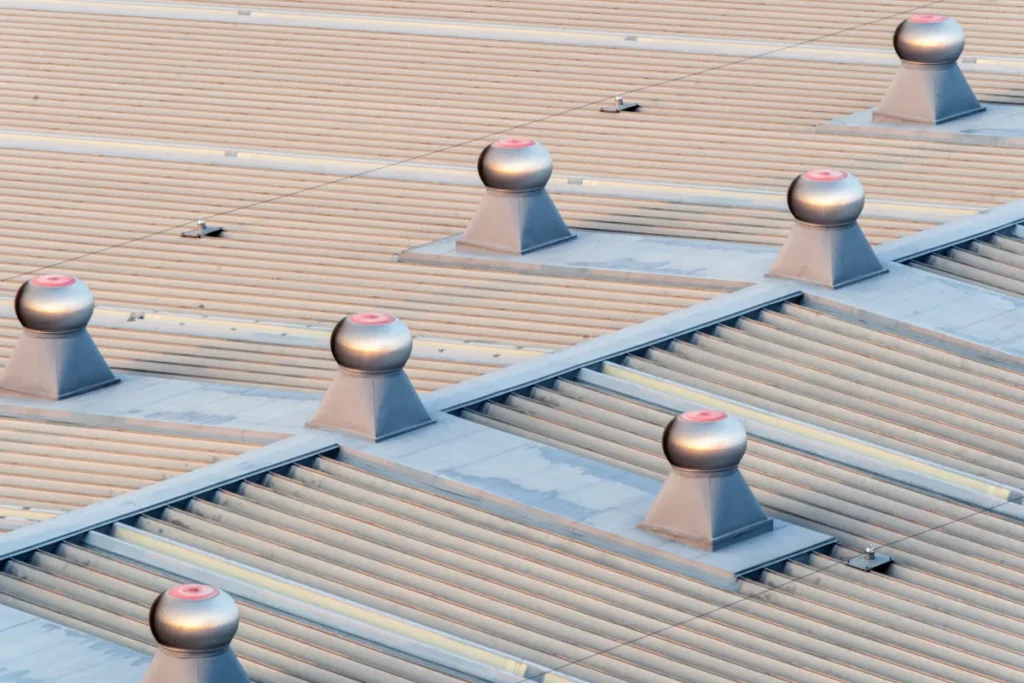
| Ventilation | Controls heat/moisture and protects decking. | Confirm intake/exhaust balance and vent types. |
| Tear-off & decking | Hidden damage can change cost and timeline. | Include an allowance and photo documentation. |
Homeowners usually look for a roof calculator when they want a clearer starting point. You may be dealing with a leak, planning a replacement, comparing material options, or trying to understand what a contractor is likely measuring before preparing a quote. A calculator helps turn guesswork into a rough, measurable plan.
It is also useful when you want to compare repair-versus-replacement paths. Once you have a rough roof area and roof squares count, it becomes much easier to ask better questions, compare proposals, and understand why one estimate may differ from another.
What A Roof Calculator Should Give You (And How To Read It)
- Roof area: Approximate total surface area of the roof (not just the home’s footprint).
- Roof squares: Roofing is also often discussed in “squares.” One square equals 100 square feet.
- Pitch impact: Steeper pitch increases true surface area and can affect labor and safety planning.
- Complexity signal: Valleys, hips, dormers, and penetrations can increase waste and detailing time.
What Online Numbers Can’t See
Even the best calculator can’t confirm what’s underneath. Additionally, Hidden damage like decking rot, compromised flashing, soft spots near penetrations, ventilation problems, or structural movement can change the final scope. Additionally, Use your roof calculator results to start the conversation, then confirm everything with an on-site inspection before you treat any number as final.
Common Roofing Material Options
Once you have a roof calculator snapshot, you can start comparing options without getting lost in jargon. Also, The key is to separate “must-fix” items (leak paths, flashing failures, damaged decking) from “upgrade choices” (materials, ventilation improvements, accessory details). Also, That keeps your planning realistic and your decisions intentional.
Repair-Versus-Replacement Planning
A repair can make sense when the issue is isolated and the roof structure is still sound. For this reason, Replacement tends to make more sense when problems show up in multiple areas or when the roof has widespread wear. In addition, An on-site inspection is the only way to confirm the right path, but these criteria help you frame the decision:
- Repair leaning: A localized leak, limited shingle damage, a small flashing failure, or a single penetration detail.
- Replacement leaning: Multiple active leak points, broad shingle deterioration, repeated repairs, or widespread granule loss/curling.
- Either way: If the decking is compromised, the scope changes—plan for that possibility up front.
Materials Deep Dive (Plain-English Pros/Cons)
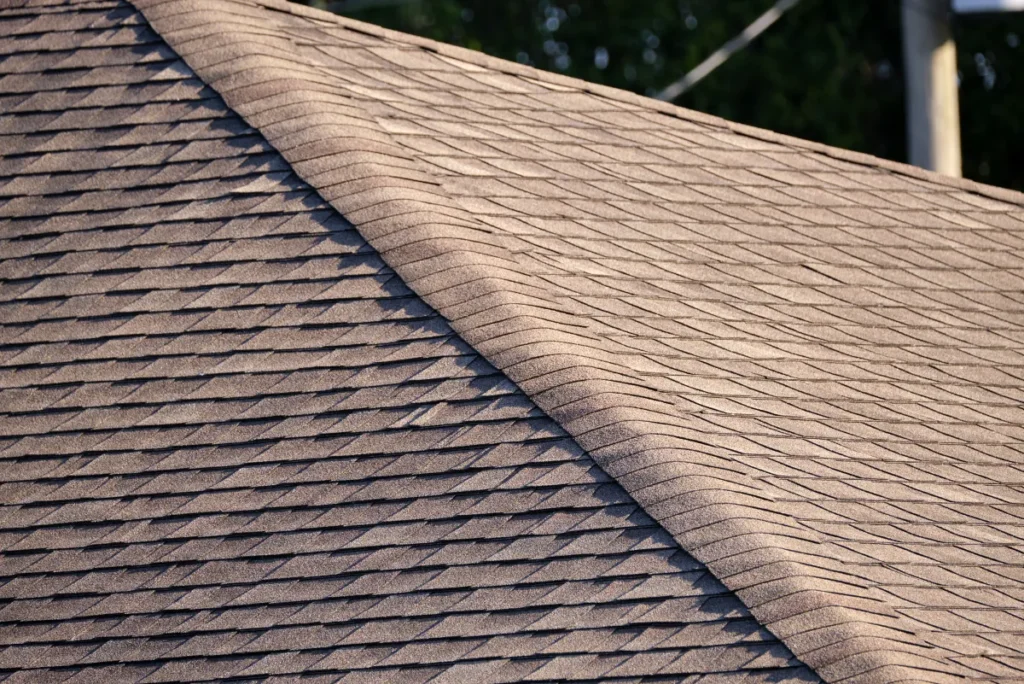
- Architectural asphalt shingles: Common choice with broad style availability; cost-effective and straightforward to maintain.
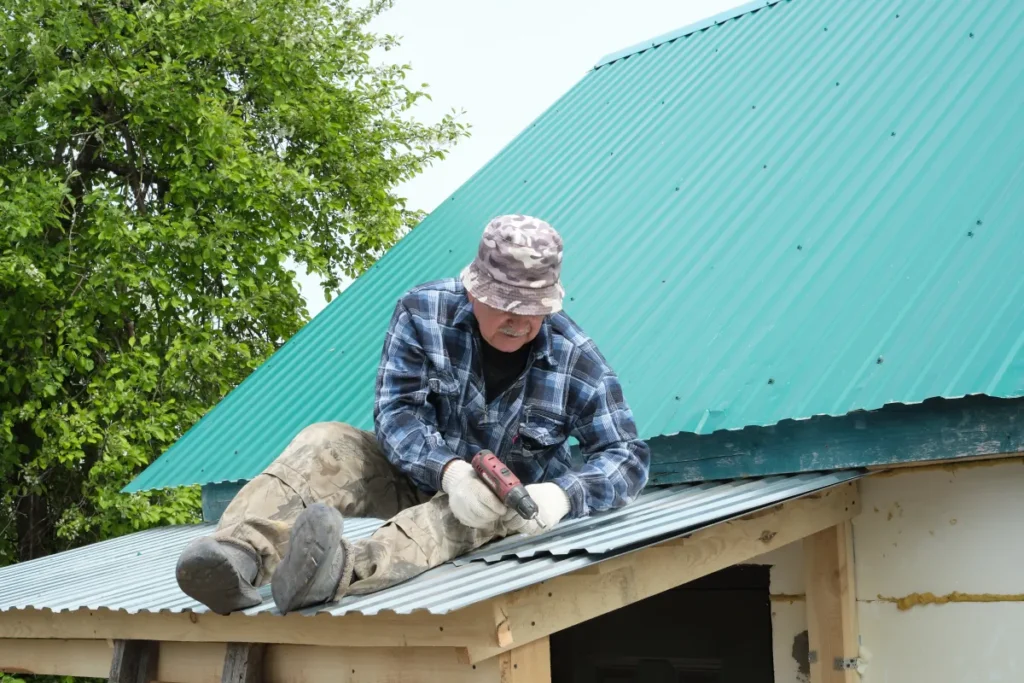
- Metal roofing: Durable and clean-looking; can cost more up front and requires careful detailing at flashings and transitions.
- Tile roofing: Long-lasting and distinct; weight, underlayment condition, and accessory details matter a lot.
- Low-slope systems (where applicable): Different materials and detailing than steep-slope roofs; drainage and penetrations drive performance.
Underlayment, Flashing, Ventilation
Homeowners often focus on the visible surface, but performance usually comes down to details. Overall, Flashing at chimneys, skylights, valleys, and wall transitions prevents leaks. Underlayment choices matter for moisture management. Ventilation and intake/exhaust balance can protect the roof system and help control heat and moisture in the attic.
Staging & Storage On Site (Keeping The Home Usable)
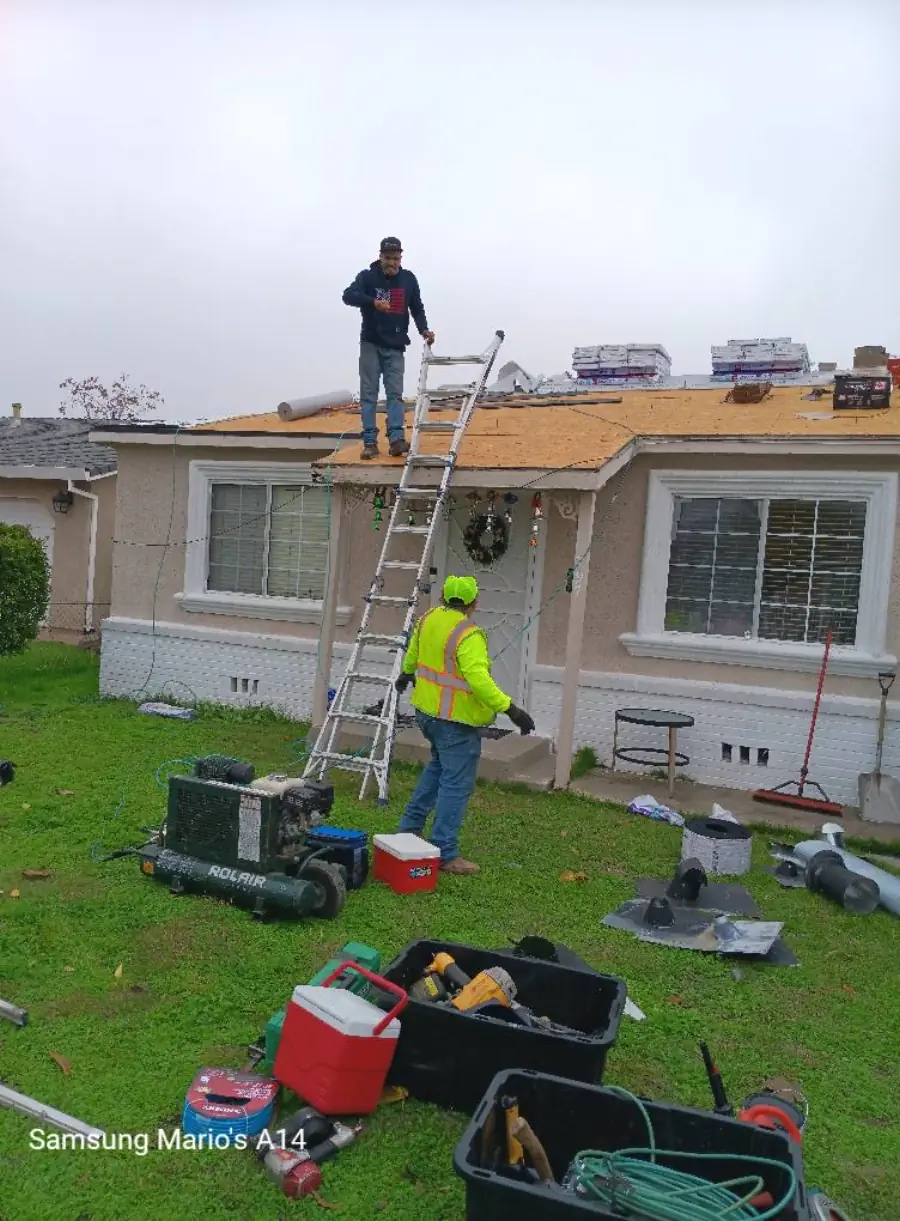
Roofing work often involves material delivery, tear-off debris, and staging tools. In addition, Planning where materials land and how debris is managed keeps walkways clear and reduces headaches. If you use your garage or driveway daily, bring that up early so the plan protects access and avoids last-minute surprises.
Tight Access & Complex Rooflines (Small Properties Still Need A Big Plan)
Smaller lots, narrow side yards, or multi-facet rooflines can make the job feel “bigger” than the home looks. For example, Steep pitch, multiple valleys, dormers, and lots of penetrations can increase cutting, waste, and detailing time. Your roof calculator estimate should account for complexity; if it doesn’t, expect the on-site measurement to refine it.
Typical Budget and Timeline Factors
US Construction helps homeowners use a roof calculator as a practical first step, then confirms roof area, roof squares, pitch, and roof details during an on-site inspection before final pricing is prepared. Free estimate, or call +1 (916) 234-6696 to talk through your roof measurement snapshot.
Budget Ranges & Timeline (Typical)
- Minor repairs: Often range from smaller, targeted work to a few thousand dollars, depending on access and leak location.
Larger repairs or partial scope: Costs rise when multiple areas need attention or when flashing and underlayment details expand.
Full replacement: Commonly priced by roof squares; pitch, complexity, and material choice are the biggest swing factors.
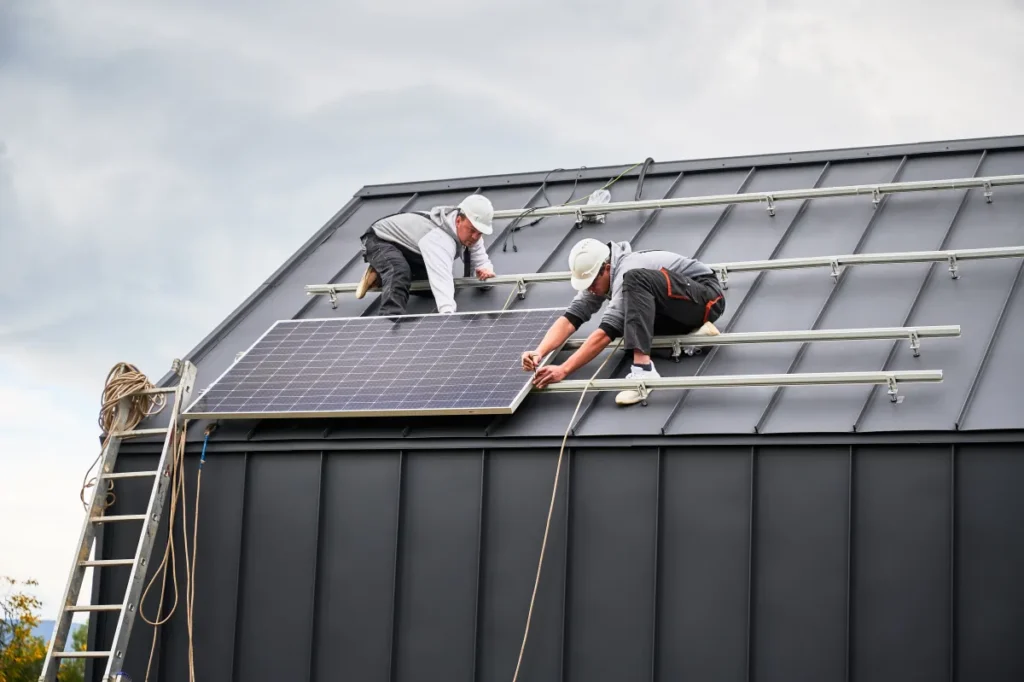
Timing: Many installations finish in days once materials (and any required permits) are ready, but complex roofs can take longer.
Important: These are planning ranges only. In addition, Final scope and pricing depend on the on-site inspection, including any hidden issues like decking rot, flashing failures, or structural concerns.
Important: These are planning ranges only. In addition, Final scope and pricing depend on the on-site inspection, including any hidden issues like decking rot, flashing failures, or structural concerns.
| Decision | What changes cost/time | What to verify on-site |
|---|---|---|
| Repair vs replacement | How widespread the damage is | Decking condition, leak paths |
| Material tier | Product type and detailing needs | Compatibility with roof design |
| Pitch & access | Safety setup, labor complexity | True pitch and roof geometry |
| Flashing & penetrations | Detail work at transitions | Chimneys, skylights, valleys |
Planning for Long-Term Value
For many homeowners, the “return” is fewer problems and a cleaner inspection report rather than a flashy upgrade. Overall, Prioritize watertight details, ventilation, and clear documentation of what was repaired or replaced. If you plan to sell, ask for a scope that spells out materials, key details (like flashing work), and any wood replacement discovered during inspection.
Permits And Scheduling Notes
Permit needs vary by city and county in California and also by project scope. Overall, A contractor can help you understand when permits apply and who will pull them. If a permit is necessary, treat it as part of the schedule instead of an afterthought—doing so helps avoid delays and rework.
From Calculator To Scoped Work (Step-By-Step)
- Start with a roof calculator to estimate roof area and roof squares.
- Share photos and basic notes (roof type, leak locations, visible damage) to frame the conversation.
- Schedule an on-site inspection to verify pitch, measurements, and detailing conditions.
- Review repair vs replacement options and material choices in plain language.
- Receive a written estimate with clear scope, assumptions, and any allowances for hidden damage.
- Coordinate material ordering, permit steps (if required), and a work window that fits your household.
If your property is in Sacramento, permitting and plan review commonly run through the City of Sacramento Community Development portal (Accela Citizen Access) for many project types. Additionally, For other jurisdictions, the local building department will set the steps and inspection flow.
Serving Sacramento Homeowners
We’re based in Sacramento, and we support homeowners who want straightforward planning and professional follow-up—from the first measurement snapshot through the final scope confirmation. As a result, Contact: US Construction & Remodeling Corp. — +1 (916) 234-6696.
Trust Checklist (Licensing, Permits, Communication)
- Confirm the contractor is properly licensed and insured for the scope (ask directly and verify through official channels).
- Get a written scope that matches your roof calculator assumptions (area, squares, pitch) and clarifies what can change after inspection.
- Make sure permit responsibility is clearly assigned when permits apply (no vague handoffs).
- Ask how the crew will document key details like flashing conditions and any decking replacement found during tear-off.
- Review workmanship expectations up front: protection plan, daily communication, and a final walkthrough checklist.
Maintenance Tips That Protect The Work
- Keep gutters and downspouts flowing so water doesn’t back up under edges.
- Trim branches that rub the roof or dump heavy debris into valleys.
- After major wind or rain, look for lifted shingles, exposed flashing, and debris at penetrations.
- Watch attic humidity and ventilation performance; moisture issues can shorten roof life.
What Professional Follow-Up Should Look Like
Good roofing work stays organized without drama. Additionally, We keep scope changes in writing, explain why a condition matters, and close the loop with a final review so you understand what was done and what to monitor over time.
Schedule your roof inspection and estimate if you want to move from preliminary numbers to a confirmed scope of work.
Helpful Links
Use our Roof Calculator to get a preliminary roof measurement snapshot, then request a professional inspection and estimate from US Construction for final scope confirmation.
Related reading
Frequently Asked Questions
A roof calculator is a planning tool, not a final measurement. It can estimate roof area and roof squares, but it can’t confirm pitch, complex geometry, or hidden conditions. Use it to set expectations, then rely on an on-site inspection to confirm scope.
You’ll get the best starting number when you gather a few basics:
- Home footprint dimensions (including additions)
- Roof shape notes (valleys, hips, dormers)
- Approximate pitch (or mark it as unknown)
- Count of penetrations (vents, skylights, chimneys)
Remember: 1 roofing square equals 100 square feet.
Start with the scope of the problem. A targeted repair can work for a single leak path or isolated damage. Replacement becomes more likely when issues repeat, show up in multiple areas, or when the surface shows widespread wear. Either way, the deciding factor is often what the on-site inspection finds under and around the damaged area.
Many cities and counties require permits for certain roofing scopes, while smaller repairs may not need one. Rules depend on jurisdiction and the specifics of the job. A qualified contractor should explain what applies to your address and include permit coordination in the plan when needed.
Once you have roof area and roof squares, compare materials based on performance, detailing needs, and budget:
- Architectural asphalt shingles for a balanced option
- Metal roofing for durability and clean lines
- Tile roofing where weight and underlayment conditions make sense
- Low-slope systems when the roof design calls for it
Ask how flashing, underlayment, and ventilation fit the material choice.
Use your roof calculator numbers to ask precise questions, then vet the contractor with practical checks:
- Verify licensing and insurance (in general terms—no shortcuts)
- Ask for a written scope that matches measured roof squares and pitch
- Confirm how they handle hidden damage (decking, flashing, structural concerns)
- Review warranty terms and maintenance guidance
- Make sure communication and payment expectations are clear
Licensed, insured & trusted local contractor
US Construction & Remodeling Corp.
4424 Freeport Blvd, Sacramento, CA, 95822
Phone: +1 (916) 234-6696
CSLB License #: 1117562 Fully licensed and insured.
Start with the pillar guide
For a complete overview (scope, timeline, and planning tips), see our main page: Roof Repair & Roof Replacement in Sacramento, CA.