
Skip links

Siding Options for a House: Materials, Cost Drivers, and Contractor Tips

Choosing the right siding is a big decision, and most homeowners searching for siding options house want a clear way to compare materials, cost drivers, and long-term upkeep—without getting pushed into a product they don’t actually want.

Quick checklist:

  • Pick a siding material and finish that matches climate and maintenance goals.
  • Confirm moisture management details (housewrap, flashing, caulking) in writing.
  • Define the full scope (trim, soffit/fascia, paint, insulation upgrades).
  • Confirm access/safety plan and how landscaping/property will be protected.
  • Compare 2–3 itemized quotes and verify warranty coverage.
  • Check permit requirements if altering exterior walls or doing structural repairs.

You’ll see plenty of “pros and cons” lists online. This guide goes a step further by focusing on what matters on your wall: water management, clean transitions around windows and doors, and a written scope you can compare across bids.

TL;DR: Pick the material that fits your exposure (sun, sprinklers, wind-driven rain) and your maintenance comfort level. Make sure the scope spells out flashing, trim, and repairs so the finished work performs as well as it looks.

  • Decide whether you need repair, partial replacement, or a full re-side
  • Compare materials based on maintenance and moisture performance, not marketing
  • Confirm how windows, doors, and roof-to-wall areas will be flashed
  • Ask what happens if the crew finds rot or damaged sheathing after tear-off
  • Review color and texture samples in daylight before ordering
  • Get a realistic schedule plus a daily cleanup plan

If you want to talk through options quickly, call +1 (916) 234-6696 and we’ll help you narrow the shortlist for your home.

Why Homeowners Hire Help For Siding Options For House For Siding Options House

Siding looks simple from the street, also yet the performance comes down to details you can’t see after installation: how the wall sheds water, how flashing ties into roofs and openings, and how the crew handles penetrations for lights, vents, and plumbing.

When those details are rushed, homeowners often end up chasing stains, soft trim, or drafts months later. Additionally, For siding options house decisions, it helps to treat the wall as a system—material, weather barrier, flashing, trim, and clearances—not as a single product.

Where DIY Usually Breaks Down

  • Ladder and scaffold safety, especially on taller elevations
  • Rot discovery and repairs that require the right materials and fasteners
  • Water-management details at roof-to-wall areas, corners, and openings
  • Keeping long runs straight so reveals and seams stay consistent
  • Coordinating related exterior work like gutters, exterior lighting, and paint touch-ups

Common Siding Materials Homeowners Compare

No single product wins on every home. Meanwhile, Instead, weigh climate exposure, architectural style, and how much maintenance you actually want to do. A good contractor will also talk about how each system handles moisture and what details are non-negotiable for the installation.

  • Fiber cement: clean profiles and a solid feel; typically uses a painted finish, so plan for repainting down the road.
  • Vinyl: lower routine maintenance; installation details matter because heat and expansion can affect straightness and fit.
  • Engineered wood: a wood-forward look with factory finishes available; still requires careful flashing and clearances to perform well.
  • Natural wood: classic appearance; higher upkeep, so sealing/paint cycles and moisture control become part of ownership.
  • Stucco and other cementitious claddings: common on many California homes; transitions and patch matching can be more complex than they look.
  • Metal panels or siding: modern lines; demands precise trim and flashing so edges stay crisp and water stays out.

In some areas, wildfire exposure and insurance requirements can influence material choice. Also, Rather than guessing, confirm what your local jurisdiction expects for your specific address and scope.

Key Decisions To Compare

Use this table to keep proposals aligned—same scope, same assumptions, clearer pricing.

DecisionWhy it mattersWhat to ask
Material typeDurability, maintenance, and lookWhich option fits my exposure and upkeep comfort level?
Removal vs overlayChanges cost and how well you can inspect the wallWill you remove existing siding and assess sheathing?
Weather barrier scopePrimary protection behind the claddingWhat barrier and tape system do you install or repair?
Trim and flashing scopeControls water at edges and openingsHow do you handle windows, doors, corners, and roof-to-wall areas?
Clearances and drainageHelps avoid trapped moisture and damageHow do you maintain clearances at grade, decks, and roofs?

Resale And ROI Priorities (Without Overbuilding)

Exterior upgrades can help resale because buyers notice curb appeal immediately. That said, the strongest return usually comes from solving real problems first—water intrusion, rot, or chronic peeling—then choosing a finish that stays sharp with reasonable upkeep.

  • Prioritize elevations that take the most weather and sun exposure
  • Match trim style and reveal lines to the home so the update looks intentional
  • Choose colors with longevity in mind; extreme darks can show fade and heat stress faster on some systems

Design Moves For Narrow Lots And Tight Side Yards

Tight setbacks don’t just limit access; they also magnify visual clutter. Overall, A few design choices can make the exterior read cleaner and feel more spacious.

  • Use vertical profiles (such as board-and-batten) to draw the eye up on tall, narrow walls
  • Keep corner boards and trim slightly slimmer to avoid a boxed-in look
  • Pick a lighter main color and a slightly deeper accent to add depth without shrinking the space
  • Plan clean transitions at gates, fences, and side-yard doors so lines stay continuous

Exterior Organization Upgrades That Pair Well With New Siding

A siding project is also the best time to tidy up what’s mounted to the outside of the home. In addition, Done right, these upgrades look clean and reduce future penetrations through new materials.

  • Add proper mounting blocks for hose bibs, exterior lights, cameras, and vents
  • Plan a dedicated spot for bins, bikes, or a small storage cabinet that won’t trap moisture against the wall
  • Route loose cables and lines neatly so they don’t sag or rub on the finish
  • Update house numbers and exterior lighting for better nighttime visibility

For a clear scope and straight answers—especially when you’re weighing several siding options house materials—call +1 (916) 234-6696.

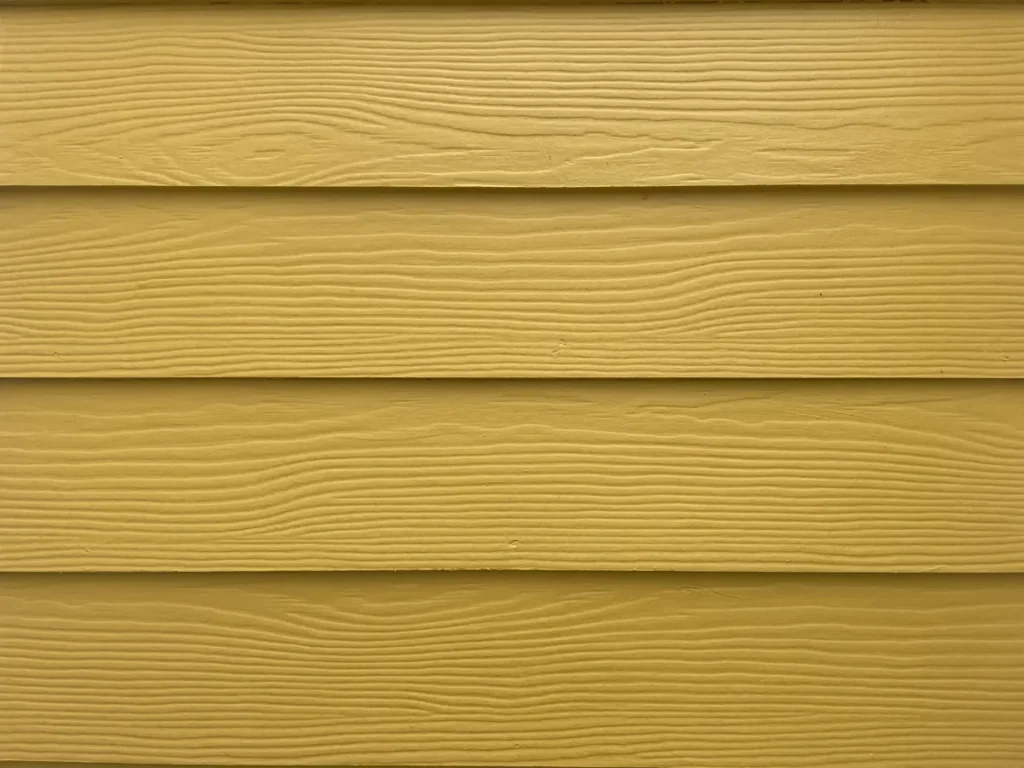
t1 siding beautiful surface of yelllow wooden wall for backg

How To Choose The Right Contractor

Price matters, but siding is one of those projects where the lowest bid can quietly skip the details that keep walls dry. For example, The goal is a contractor who can explain the assembly (not just the product) and put it in writing so you can compare proposals honestly.

A Bid Checklist That Protects You

  • License and insurance: ask for proof and confirm it’s current
  • Written scope: demo, disposal, sheathing/trim repair allowances, and finish details
  • Moisture details: flashing approach at roof-to-wall areas, windows/doors, and penetrations
  • Materials list: product line, trim type, fasteners, and barrier components
  • Protection plan: landscaping, windows, HVAC equipment, and daily cleanup
  • Communication: one point of contact and a clear update routine

When you compare siding options house bids, make sure each proposal assumes the same prep work and moisture detailing—otherwise the numbers won’t mean much.

Ask how the crew documents hidden work before it gets covered. As a result, Photos of flashing and barrier details make future maintenance (and warranty conversations) much easier.

Planning To Completion

A well-run project moves through checkpoints, so you always know what’s happening and why. Every home differs; however, most siding jobs follow a similar flow.

A Realistic Project Flow In California

  1. Site visit and measurements: confirm elevations, access, and any areas with visible damage.
  2. Material selection: choose profile, color, trim style, and any accent areas; review samples outdoors.
  3. Scope and estimate: line items for removal, disposal, repairs, and installation details.
  4. Permits (when required): submit documentation to the local jurisdiction; requirements vary by city/county and scope.
  5. Prep and protection: protect landscaping and windows; stage materials safely.
  6. Removal and wall assessment: remove old siding in controlled sections; address sheathing or trim issues found.
  7. Barrier and flashing work: repair/install the water-resistive layer and integrate flashing at transitions.
  8. Siding installation and trim: keep consistent reveals, straight runs, and clean corners.
  9. Finish and cleanup: caulk/paint touch-ups (as applicable), final debris removal, magnet sweep for fasteners.
  10. Final walkthrough: confirm alignment, sealants, and drainage clearances; document any remaining touch-ups.

If your home was built before 1978, assume painted surfaces may contain lead. For this reason, Talk with your contractor about lead-safe renovation practices before scraping, sanding, or demolition.

Hypothetical Before-And-After Scenario

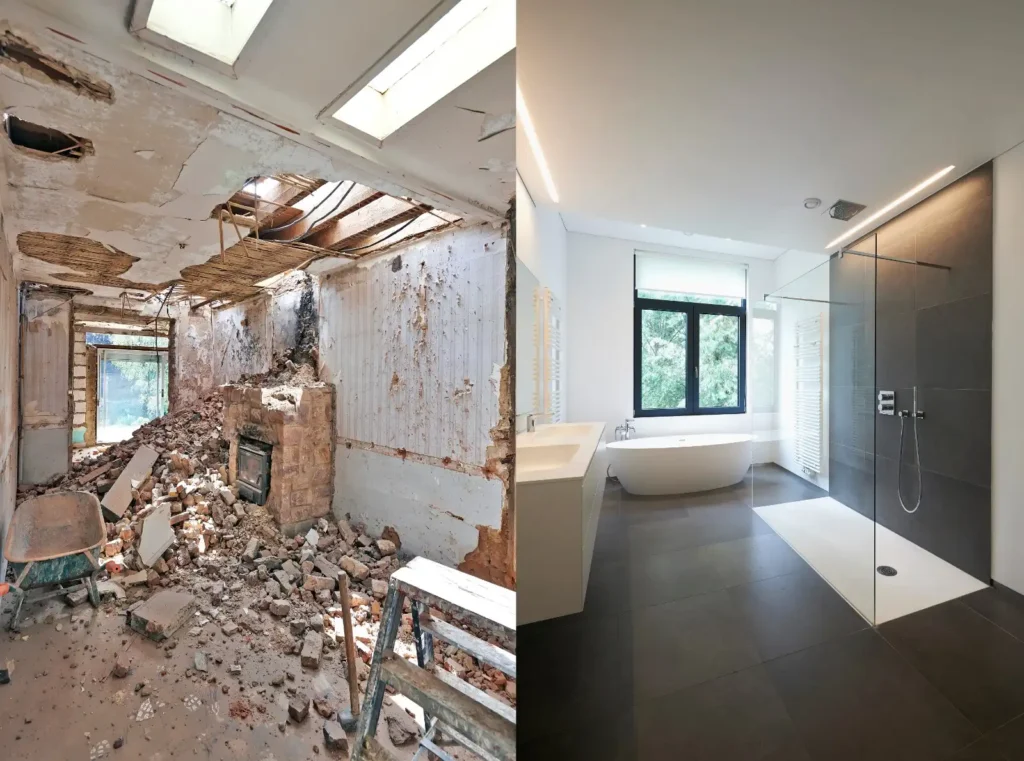
Example (hypothetical): A homeowner starts with aging wood lap siding that has peeling paint and soft trim at a few window corners. Overall, During removal, the crew finds localized rot around one window and a missing kickout detail where a roof meets the wall. As a result, After repairs, the home gets an updated water-resistive barrier, properly integrated flashing at the problem areas, and new cladding with crisp trim lines. Additionally, The exterior looks cleaner, and the wall assembly sheds water the way it should.

Maintenance That Keeps New Siding Performing

  • Wash gently once or twice a year; avoid aggressive pressure washing that can drive water behind siding
  • Keep sprinklers and dripping hose bibs from soaking the wall repeatedly
  • Trim shrubs and vines back so air can circulate and surfaces can dry
  • Check caulked joints annually and re-seal small gaps before they expand
  • Clean gutters and confirm downspouts move water away from the foundation

Painted systems will need repainting over time; ask what coating system is a good idea for your chosen material and exposure.

Budget & Timeline (Typical)

Siding pricing varies because the job is not just square footage. Meanwhile, Access, tear-off, repair needs, trim complexity, and the number of openings all change labor and materials. As a result, For siding options house budgeting, ask for clear assumptions so the estimate matches real conditions.

Budget Ranges And Timeline (Typical)

  • Cost drivers: material choice, removal/disposal, and repair scope discovered after tear-off.
  • Timeline drivers: elevation access, weather, inspection scheduling (when required), and special-order materials.
  • To reduce surprises: ask for repair allowances or unit pricing for common findings like damaged trim.
  • Good estimating practice: confirm the same scope and material specs before you compare bids.

Many homes land somewhere between a long week and a few weeks of active work, with additional lead time if materials are special-order. For example, A contractor should confirm the schedule in writing and tell you how the home will be protected each night.

t1 siding plastic panels texture

How We Help In Sacramento

US Construction & Remodeling Corp. For example, helps Sacramento homeowners evaluate siding options, choose a material that fits the home’s style and exposure, and install it with careful flashing and water-management details. For this reason, We keep the scope clear, communicate progress, and protect the property during the work.

Call +1 (916) 234-6696 for a quick consult, or request an estimate online here: schedule an estimate.

Sacramento Permitting And Plan Review, In Plain Terms

Some siding scopes can trigger permits, especially when structural repairs, significant exterior changes, or related upgrades are involved. Meanwhile, In Sacramento, permitting and plan review typically run through the City of Sacramento Community Development online portal (Accela Citizen Access). For example, We can help you understand what your specific scope may require and coordinate the documentation and inspection scheduling that keeps a project moving.

Trust Signals You Can Verify Before Work Starts

  • Licensing and insurance: confirm active coverage and a clear contract scope
  • Permit responsibility: get it in writing who pulls permits (when required) and who meets inspectors
  • Communication: agree on update frequency and a single point of contact
  • Workmanship checks: photo documentation of flashing and barrier details plus a final punch-list walkthrough

Contact: US Construction & Remodeling Corp. | +1 (916) 234-6696 | https://usconstructioncali.com/

Comparing Siding Options House Materials

Material choice is only half the story; installation details and maintenance expectations matter just as much. Also, Use this quick recap to match the product to your priorities.

  • If you want lower routine maintenance: ask about vinyl or factory-finished systems and how the contractor handles heat expansion and trim transitions.
  • If you want crisp lines and paint flexibility: discuss fiber cement profiles, cutting methods, and the paint/coating plan.
  • If you want a wood-forward look: compare engineered wood vs natural wood and get a realistic upkeep schedule in writing.
  • If your exterior has tight clearances: focus on flashing, grade clearances, and drainage details before picking a profile.

Helpful Links

Frequently Asked Questions

The best choice depends on your exposure (sun, sprinklers, coastal moisture), your home’s style, and how often you’re willing to repaint or reseal. A contractor should look at wall condition, clearances at grade and roofs, and the number of openings so the recommendation matches real conditions.

  • Low-maintenance priority: compare vinyl and factory-finished systems
  • Painted look priority: compare fiber cement and other paint-ready options
  • Natural look priority: compare engineered wood vs natural wood with an honest upkeep plan

It depends on the scope and the local jurisdiction. Straight replacement in-kind may be simpler, while structural repairs, changing openings, or adding new exterior elements can trigger permits. A licensed contractor can help you confirm requirements with your city or county and document the scope for inspections when needed.

If you’re in Sacramento, permitting and plan review typically run through the City of Sacramento Community Development online portal (Accela Citizen Access).

Most pricing swings come from labor and prep, not just the material itself. Ask for a written estimate that calls these out clearly.

  • Tear-off and disposal of existing materials
  • Repair work after removal (sheathing, trim, framing as needed)
  • Number of windows/doors and trim complexity
  • Height, access, and the need for scaffolding
  • Paint/coating scope for systems that require finishing

Timeline depends on elevation access, weather, repair needs, and material lead times. Many homes see several days to a few weeks of active work, with added time if inspections are necessary or materials are special-order.

Ask for a schedule that includes daily protection and cleanup expectations, not just a start date.

Start by confirming each bid covers the same scope: removal approach, repair allowances, barrier/flashing details, trim work, and finish. Then compare material specs (product line, thickness, trim type) so you’re not comparing two different builds.

If something is vague, ask for it in writing before you decide.

Simple routine care prevents small issues from becoming repairs.

  • Keep gutters clear and move downspout water away from the home
  • Inspect caulked joints once a year and touch up small gaps early
  • Keep plants and soil away from siding so surfaces can dry
  • Wash gently; avoid blasting seams with a pressure washer

Licensed, insured & trusted local contractor

US Construction & Remodeling Corp.
9821 Business Park Dr, Sacramento, CA, 95827
Phone: +1 (916) 234-6696

CSLB License #: 1117562 Fully licensed and insured.

View our Google Business Profile

Leave a comment

This website uses cookies to improve your web experience.
Explore
Drag