Bathroom Layout Guide | US Construction &Amp; Remodeling
A smart bathroom layout makes the room feel bigger, safer, and easier to clean—without changing the whole house. If you’re planning a refresh or a full remodel in California, the guidance below helps you avoid “pretty but awkward” choices and focus on what you’ll notice every day.
TL;DR: Protect the clear path from the door to the vanity and shower. Keep plumbing close to the existing wet wall (the wall that carries supply and drain/vent lines) when you can, because moving it adds cost. Spend extra attention on waterproofing, ventilation, and lighting.
Quick Checklist:
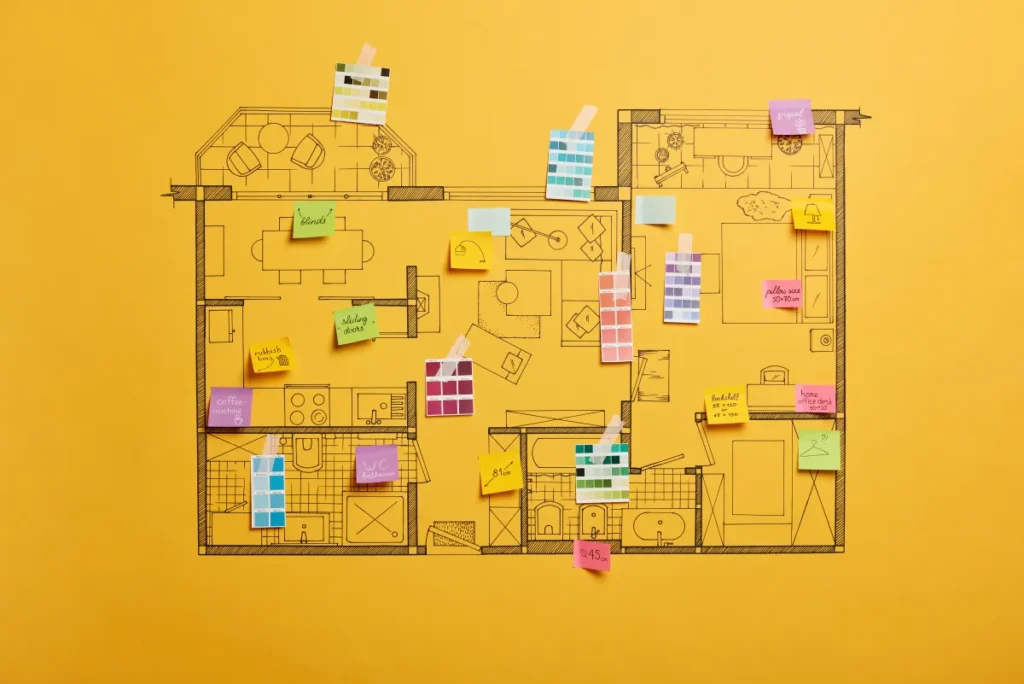
- Sketch the room with door swing, windows, and current fixture locations.
- Decide tub vs. walk-in shower and how the shower door will open.
- Choose vanity width based on storage needs, not just sink count.
- Pick a slip-resistant floor finish and a wall finish you can wipe down.
- Plan layered lighting and outlet locations before tile goes up.
- Ask early whether your scope needs permits (rules vary by jurisdiction).
This guide shares layout patterns for small bathrooms, materials with real pros/cons, comfort upgrades that earn their keep, and a quick budget/timeline snapshot you can use when you request estimates.
Materials, Layout, And Long-Term Value For Bathroom Layout
| Decision | Why it matters | Quick check |
|---|---|---|
| Wet-area finishes | Wet zones need durable, easy-clean surfaces. | Choose materials rated for bathrooms and simple maintenance. |
| Ventilation | Helps prevent humidity and long-term damage. | Confirm fan sizing and vent routing. |
| Layout | Good layout improves daily usability. | Verify clearances and door swings. |
| Budget control | Keeps scope creep from blowing up the price. | Use allowances and a written change-order process. |
- Swap a swinging door for a pocket door or out-swing to free floor space.
- Center the vanity on the most-used wall, also keeping a clear path from the entry.
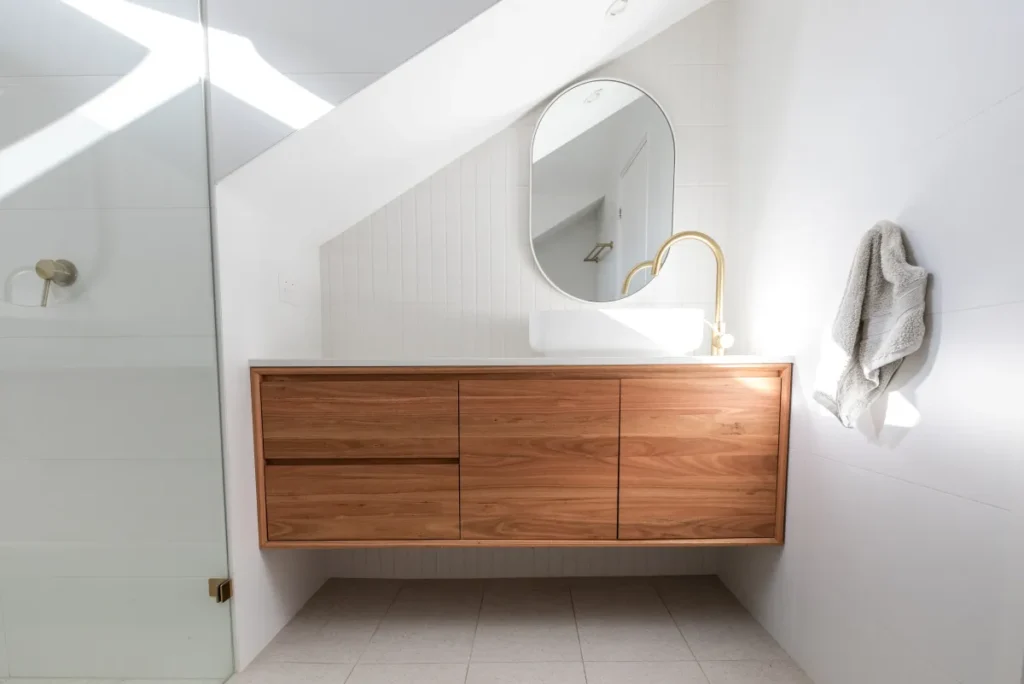
- Use a single larger vanity with drawers if you want real storage and counter space.
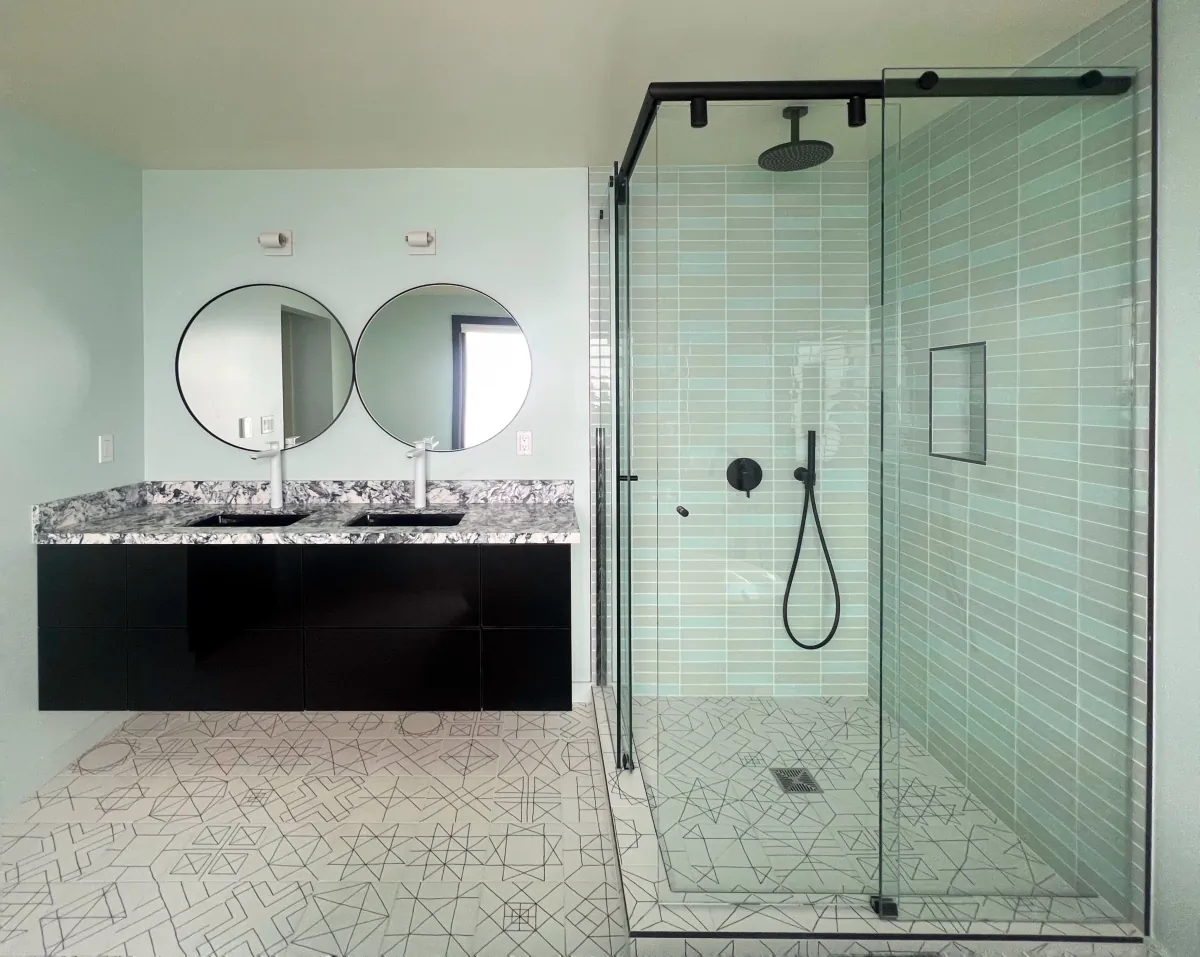
- Choose a walk-in shower with a simple glass panel when space is tight.
- If you like a curbless shower, confirm the floor structure and waterproofing plan up front.
- Use large-format porcelain on shower walls to reduce grout lines; use smaller tile on floors for traction.
- Build a niche or ledge for bottles so the shower feels uncluttered.
- Pick grout and caulk colors that blend with the tile; it hides everyday wear better.
- Add a recessed medicine cabinet or mirrored cabinet to gain storage without bulk.
- Layer lighting: bright, even vanity light plus a softer night light for late trips.
- Add blocking in the walls for future grab bars and towel bars while everything is open.
Design ideas are easy to collect; a plan is harder. In addition, A good bathroom layout balances clearance, waterproofing, and finishes you can actually maintain. When those line up, the room feels calm now and holds value later.

Layout Planning And Everyday Usability For Bathroom Layout
Usability comes from inches, not inspiration photos. For example, Door swings, toilet approach space, and where you step out of the shower decide whether the room feels easy or awkward.
Lock The “No-Move” Zones
Start by marking the wet wall (the wall that carries plumbing supply and drain/vent lines) and any windows or doors that limit where fixtures can go. As a result, When you keep drains and vents close to their current locations, you get more budget for finishes and lighting.
- Measure the room and note ceiling height, window height, and any soffits.
- Draw the door swing and decide whether a pocket or out-swing door makes sense.
- Mark the shower entry and where a glass door would open (or avoid a door entirely).
- Plan where towels, trash, and daily items land so counters stay clear.
- Place outlets, switches, and the fan early—before tile and mirrors are ordered.
- Decide what stays vs. Also, moves so every estimate prices the same scope.
Common Layout Shapes (Translated For Bathrooms)
- Galley: A long, narrow room with fixtures aligned along one or both long walls. Overall, Keep the walking path clear and avoid doors that swing into the aisle.
- L-shape: Fixtures on two connected walls (for example, vanity on one wall and shower on the next). For this reason, It creates a natural dry zone near the entry.
- U-shape: Fixtures wrap three sides. Additionally, This works best when the room is wide enough for a comfortable center path and you want maximum storage.
- Island-centered: Uncommon in bathrooms, but a freestanding tub or a center vanity in a large primary bath can function like an island. Meanwhile, Plan clear walking space all the way around.
Small-Space Layouts That Feel Larger
In a small bathroom, remove visual clutter before you chase fancy materials. Additionally, The goal is a clear path, fewer corners to clean, and storage that goes up instead of out.
- Use a pocket door or out-swing door when the layout feels tight.
- Choose a wall-hung or furniture-style vanity that keeps the floor visible.
- Build storage into the wall (recessed medicine cabinet, niche, or shallow linen).
- Keep the shower controls reachable without stepping into cold water.
- Use one continuous floor finish to make the room read as larger.
Door Styles And Storage Choices
Bathroom vanities are just cabinets in a wetter environment, so durability matters. For this reason, Common cabinet door styles include Shaker (simple frame), slab (flat), and raised-panel. Shaker and slab tend to look timeless, and drawers usually store more than doors in the same width.
Countertops, Flooring, And Layered Lighting
For vanity tops, popular countertop options include quartz, solid surface, granite, and cultured marble; each handles water well when seams and edges are finished correctly. In addition, For flooring choices, porcelain or ceramic tile remains common, while luxury vinyl plank can work in some homes when installed per manufacturer specs. Whatever you choose, prioritize traction and easy cleaning. Finish the plan with layered lighting—ambient (overall light), task (at the mirror), and accent (a niche light or toe-kick night light) so the room works in every mood.

Materials That Hold Up (Pros/Cons)
US Construction & Remodeling Corp. Overall, helps homeowners in Sacramento and across our California service areas turn layout ideas into a build-ready bathroom plan. That includes selecting finishes that match how the room is used and how much maintenance you actually want.
Request a written estimate and we’ll price the work with a clear scope. Additionally, Having a few details ready makes the estimate faster and more accurate:
- Rough room dimensions (or a quick sketch with wall lengths)
- Photos of the current bathroom and any problem areas
- What you want to keep (for example, tub location or window)
- Your preferred look (tile vs. panels, vanity style, metal finishes)
- Timing needs (ideal start window and any hard deadlines)
Shower And Tub Surrounds
- Porcelain or ceramic tile: Huge style range and strong durability. Overall, More grout lines mean more upkeep, so plan tile size and grout type carefully.
- Solid-surface panels: Fewer seams and fast cleaning. Additionally, Style options are more limited than tile, and material cost can be higher.
- Acrylic/fiberglass units: Budget-friendly and quick to install. As a result, They can feel less “custom,” and damage may be harder to repair invisibly.
Vanities And Storage
- Plywood boxes: Strong and stable; a solid choice for humid rooms.
- MDF/engineered panels: Can be smooth for painted finishes, but edges need good sealing in wet environments.
- Drawer-heavy designs: Better everyday storage than deep-door cabinets, especially in tight bathrooms.
Vanity Tops (Countertops)
- Quartz: Durable and consistent. As a result, It’s a great “set it and forget it” option for many homes.
- Solid surface: Easy cleaning and seamless looks. As a result, Heat and scratching resistance varies by product.
- Natural stone: Beautiful, but some stones need sealing and more careful cleaning.
- Cultured marble: Often cost-effective with integrated sinks. In addition, Style can look more “builder” depending on the pattern.
Flooring In Wet Rooms
- Porcelain tile: Durable and water-resistant, with many slip-resistant options.
- Natural stone: High-end look, but it can be slippery when polished and may need sealing.
- Luxury vinyl (product-dependent): Softer underfoot and can be quick to install, but it’s not the right fit for every bathroom or subfloor.
Fixtures And Finish Colors
- Chrome: Timeless and easy to match for future replacements.
- Brushed nickel: Hides water spots better than shiny finishes in many homes.
- Matte black: Modern look, but it can show soap film depending on water quality and cleaning habits.
Maintenance Tips That Keep The Remodel Looking New
Most “wear” comes from water sitting on surfaces. A simple routine protects your investment without turning into a weekend project.
- Run the exhaust fan during showers and keep it running a bit afterward.
- Use a squeegee on glass and tile in the shower to cut down on buildup.
- Clean with a pH-neutral product made for tile/stone when applicable.
- Watch caulk lines at corners and around tubs; replace cracked caulk early.
- Address slow drains quickly so water doesn’t back up onto floors.
Related reading
Frequently Asked Questions
There isn’t one perfect plan, but small bathrooms benefit from the same priorities: a clear path, fewer obstructions, and storage that doesn’t eat floor space.
- Consider a pocket door or out-swing door
- Use a vanity with drawers instead of a pedestal sink
- Build storage into the wall (recessed cabinet or niche)
- Keep the shower entry simple and avoid tight door swings
Yes, but moving plumbing often changes cost and schedule. The closer you stay to the existing wet wall and main drain/vent lines, the simpler the build usually is.
- Moving a vanity a little may be straightforward
- Moving a toilet or shower drain can be more involved
- Permits may apply when plumbing or electrical work changes
Choose based on who uses the bathroom and your long-term plans. A walk-in shower improves access, while a tub can matter for families and resale in some homes.
- If this is the only full bath, keeping a tub is often a safe choice
- If you have another tub elsewhere, a shower upgrade may make more sense
- Think about cleaning, storage, and how the door or glass will work
Look for fewer seams, fewer grout lines, and finishes that don’t show every water spot.
- Large-format porcelain wall tile or solid-surface panels
- Quartz vanity tops
- Slip-resistant porcelain floor tile
- Grout choices that resist staining (product-dependent)
Use layered lighting so the room works for mornings and evenings.
- Ambient: overall ceiling light
- Task: even lighting at the mirror (sconces or a quality vanity bar)
- Accent: a niche light or low night light for safer late trips
Sometimes. Permit needs depend on your city or county and what changes you make. Work that changes plumbing, electrical, or walls is more likely to require permits and inspections.
Ask early, and make sure your written estimate states who will handle any required permits for your specific scope and address.
Related articles
- Gutters vs DIY in Novato: A Practical Guide
- Bathroom Remodeling Permit Requirements In El Dorado Hills: Process + Timing
- Gutters Contractor In Folsom