
What will the suite be used for?
Confirm the existing and proposed use, occupant load, rooms, workstations, meeting functions, accessibility needs, equipment, storage, and public-facing areas.
Plan an occupied or vacant office build-out as one connected scope: existing conditions, landlord requirements, layout decisions, permit routing, MEP interfaces, construction sequencing, inspections, and turnover.
US Construction Remodeling Corp. helps Sacramento-area owners, tenants, and property teams turn those moving parts into a reviewable construction plan. We do not treat a tenant improvement as a list of finishes detached from the building systems and approvals that control the work.
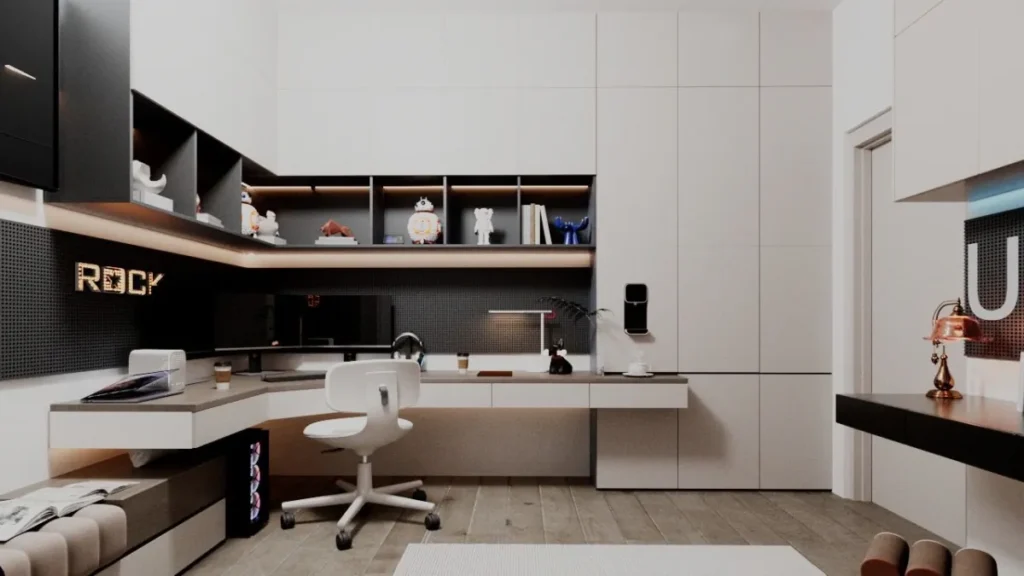
The first useful deliverable is not a decorative mood board or one headline price. It is a compact record of what the space must do, which building constraints apply, who owns each decision, and what must be true for turnover.
Confirm the existing and proposed use, occupant load, rooms, workstations, meeting functions, accessibility needs, equipment, storage, and public-facing areas.
Collect lease exhibits, landlord criteria, approved work hours, loading and elevator rules, shutdown procedures, insurance requirements, base-building drawings, and fire-life-safety restrictions.
Separate landlord approval, design and engineering documents, City routing, trade permits, deferred submittals, inspections, and any certificate-of-occupancy question.
Identify the turnover zones, tested systems, punch-list standard, keys and controls, approved inspections, record documents, cleaning, training, and move-in dependencies.
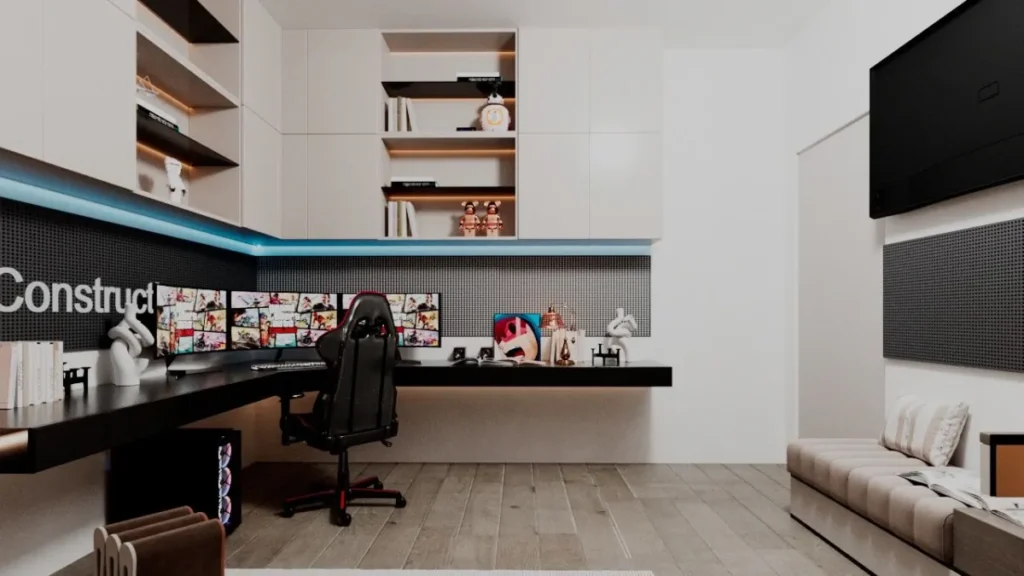
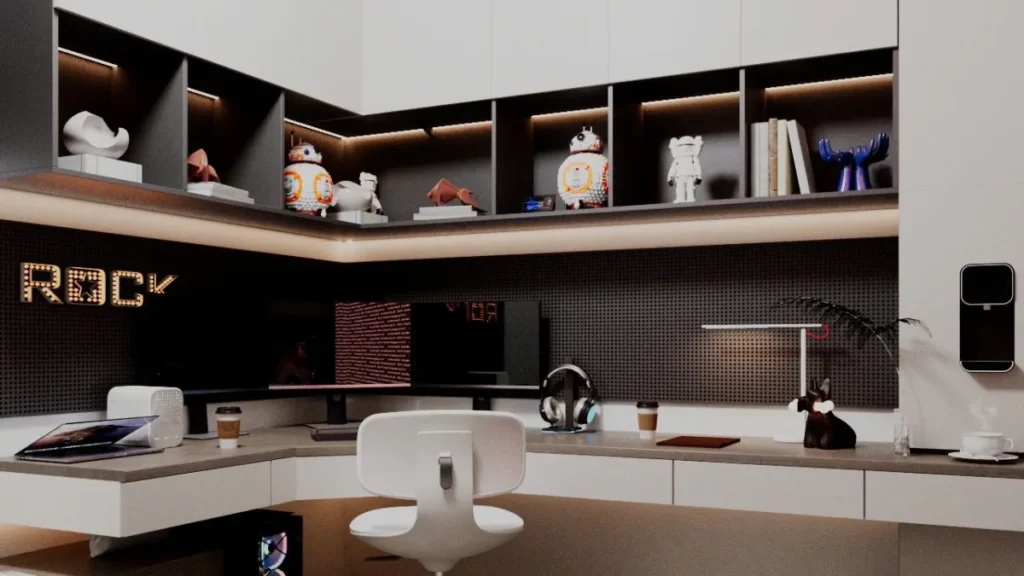
The public South Sacramento case combines a private office and meeting room, approximately 390 square feet in total. The documented work includes custom millwork, concealed storage, a sit-stand workstation, integrated LED lighting, a slat wall, a television and presentation wall, a beverage station, flooring, and ceiling updates.
This total reflects this project’s written scope. Every suite has its own scope and price.
A different office can have fewer visible features but more expensive MEP, accessibility, fire, after-hours, or building-access requirements. That is why proposal comparison must begin with scope boundaries.
Review the full office meeting-room case →Not every project needs every category. The purpose of the map is to expose interfaces early, before one trade’s assumption becomes another trade’s change.
The exact contract controls. This planning matrix shows the questions to assign before work starts.
| Interface | Questions to resolve | Record to keep |
|---|---|---|
| Owner or tenant | Business requirements, selections, budget decisions, move-in needs, owner vendors, and timely approvals | Decision log, approved selections, owner-supplied list |
| Landlord or property team | Work letter, base-building limits, access, insurance, shutdowns, inspections, roof or riser access, and closeout criteria | Landlord approval, building rules, access and shutdown confirmations |
| Design and engineering | Code analysis, drawings, calculations, discipline coordination, agency responses, revisions, and professional responsibility | Issued drawings, calculations, response log, approved revisions |
| Contractor and trades | Means and methods, contracted scope, protection, procurement, submittals, field coordination, testing, inspections, and punch work | Written scope, schedule, submittals, field reports, inspection and closeout records |
The City’s current Commercial Tenant Improvement guidance describes a tenant improvement as the first occupancy of a previously unoccupied shell. The City also notes that a change of use requires Planning approval and a referral sheet before Building Plan Review. Existing occupied suites and remodels still require address- and scope-specific routing.
Identify whether the project is a first occupancy, remodel, change of use, expansion, or phased alteration. Do not assume the marketing name of the project determines the permit path.
Use the current City commercial remodel and tenant-improvement checklist when applicable. Existing conditions, scope, accessibility, energy, and discipline documents should agree.
Building, Planning, Fire, Utilities, electrical, mechanical, plumbing, and other reviews can apply. Comments and revisions should remain connected to the approved design and field scope.
Schedule required inspections before work is concealed. A certificate of occupancy or temporary certificate can involve completed permits, inspections, fees, and the relevant reviewing disciplines when applicable.
Working around staff or customers is not solved by saying “after hours.” The plan must define the specific zones, activities, systems, and decisions that affect safe access and useful business continuity.
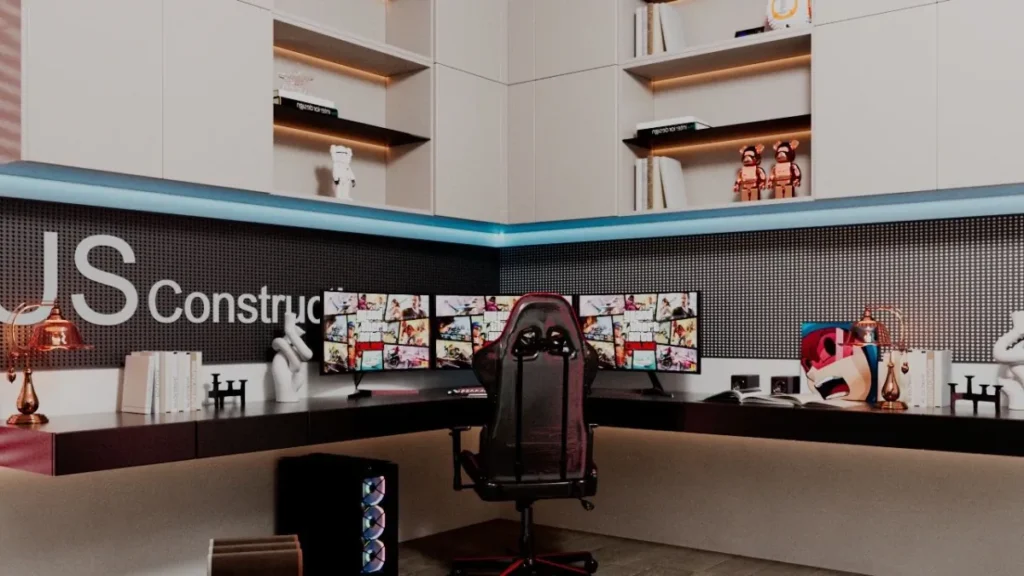
Define work zones, occupied routes, barriers, deliveries, elevator or stair use, loading, debris movement, cleaning, and daily secure-close requirements.
Identify disruptive work, affected HVAC zones, temporary power or water conditions, alarm impacts, building notifications, and authorized shutdown periods.
Keep rough work visible until required reviews are complete. Connect predecessor tasks so drywall or ceilings do not hide unverified work.
Track completed work, open decisions, photos, change approvals, punch items, tested systems, and the conditions needed before a team moves into the area.
Two totals are not comparable when one includes access, professional coordination, patching, permits, testing, and after-hours work while the other leaves them undefined.
Rooms, walls, ceilings, flooring, doors, devices, fixtures, millwork, and affected systems should be tied to drawings or field-verified quantities.
State which finishes, fixtures, hardware, technology, and owner vendors are allowances, fixed products, alternates, or excluded.
Separate landlord fees, plan review, permits, professional services, testing, special inspections, access, parking, protection, and after-hours premiums.
Describe what can be verified before demolition and how concealed structure, utilities, hazardous materials, or undocumented work will be handled.
List approvals, selections, long-lead materials, shutdowns, inspections, owner decisions, and predecessor work that control the next activity.
Define written authorization, pricing and schedule impact, daily records, testing, punch list, training, warranties, and record-document turnover.

Chief Designer
Emin is the Chief Designer at US Construction Remodeling Corp. Emin leads client design meetings, measured layouts and 3D visualization in Revit, 3ds Max and Unreal Engine, and uses AI tools to speed up design and project planning.

General Contractor
Umit Sahin is a general contractor at US Construction Remodeling Corp. and oversees construction, permits, and inspections on our projects.
Prepared from the public South Sacramento office case, current City of Sacramento commercial tenant-improvement, building-form, and certificate-of-occupancy guidance, CSLB license record, and verified company project-control practices. This page excludes customer identity, private addresses, estimate numbers, contracts, and unpublished line-item pricing. Last reviewed July 29, 2026. Verify California contractor license #1117562.
These answers establish a planning method. The exact lease, building, authority, approved documents, contract, and field conditions control the project.
The scope can include selective demolition, partitions, doors, ceilings, flooring, paint, millwork, lighting, power, data pathways, plumbing, HVAC modifications, accessibility work, fire-life-safety coordination, inspections, and closeout. The exact inclusions depend on the lease, landlord criteria, existing conditions, approved documents, and written proposal.
Many office tenant improvements require City review and permits, but the path depends on the address, existing and proposed use, construction scope, building systems, accessibility, and fire-life-safety conditions. A change of use can require Planning review before Building Plan Review. Confirm the current City pathway before demolition or procurement.
Sometimes. Occupied work requires a written plan for access, dust and noise separation, shutdowns, deliveries, egress, fire-life-safety systems, work hours, inspections, and turnover by zone. The building, lease, landlord rules, approved documents, and site conditions determine whether phased occupancy is practical.
There is no reliable universal duration. The schedule depends on existing records, design decisions, landlord approval, City review, long-lead selections, shutdowns, trade coordination, inspection holds, discovered conditions, and owner decisions. A useful schedule identifies dependencies and decision deadlines instead of promising one fixed number.
A useful proposal identifies measured scope, demolition, protection, trade work, finish allowances, owner-supplied items, landlord work, permit and professional-service responsibility, exclusions, after-hours assumptions, patching, testing, cleanup, payment milestones, schedule dependencies, and the written change-order process.
The responsibility matrix should name who owns landlord approvals, drawings and engineering, permit responses, product decisions, shutdown requests, trade coordination, inspections, and closeout documents. US Construction organizes its contracted construction scope and coordinates identified interfaces, while licensed design professionals and authorities retain their own responsibilities.
No. The documented South Sacramento office and meeting-room project shows real scope and delivery experience, not a universal unit price. Its published total reflects that project’s rooms, millwork, lighting, presentation features, finishes, access, and written scope. Your property requires its own verification and proposal.
Share the Sacramento-area address, current and proposed use, approximate area, floor plan, photos, landlord criteria, target occupancy conditions, known MEP needs, and available permit records. We will organize the known scope and identify the questions that still require site, design, landlord, or agency review.
Open the project-review form