Skip links

Roof Leak Repair Cost in California: Price Ranges & Timeline

A roof leak can look small from the living room and turn costly in the attic. If you're researching remodel cost and trying to estimate Roof Leak Repair Cost in California, focus on two priorities. Stop water intrusion quickly, and fix the true entry point. That usually means addressing flashing, vents, valleys, or damaged roofing, not just painting over the stain.

Quick checklist:

  • List the biggest cost drivers (roof size/pitch, material, tear-off, decking repair, and flashing/vents).
  • Pick a material system and verify underlayment, flashing, and ventilation details.
  • Clarify tear-off vs overlay and what happens if decking damage is found.
  • Compare 2–3 itemized bids (materials, disposal, permits, warranty).
  • Schedule around weather and confirm daily cleanup and protection.
  • Do a final walkthrough: flashing, vents, and warranty documentation.

TL;DR: Many roof leak repairs fall in the $250-$2,500 range, while complex leaks with hidden wood damage or partial re-roof work can run $2,500-$7,500+. Once conditions are dry enough to work safely, the repair itself often takes a few hours to a day; permitting or structural repairs can extend the schedule. Call +1 (916) 234-6696 for a quick consult.

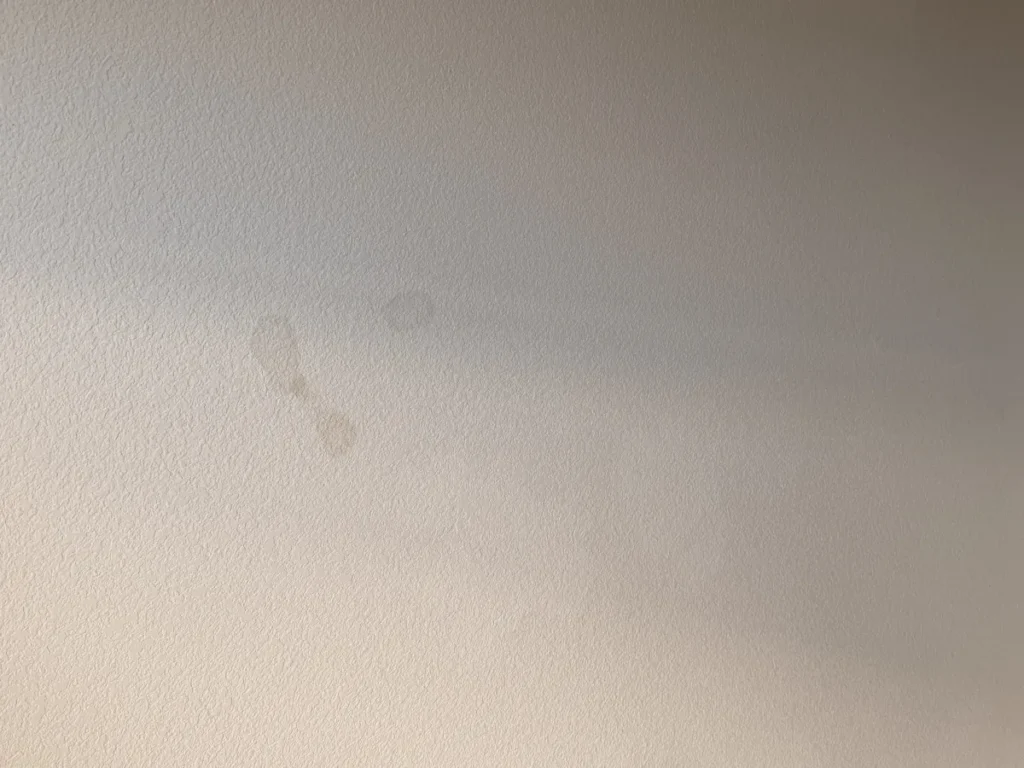
  • Photograph the stain/drip and note when it appears (wind-driven rain, steady rain, overnight).
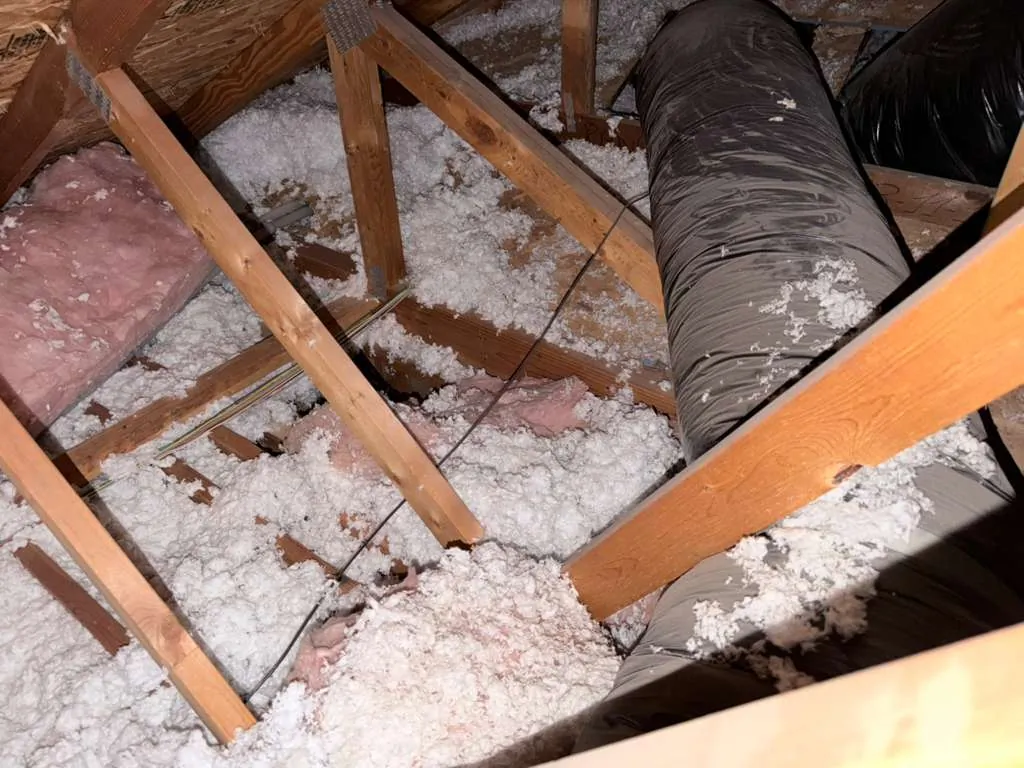
  • If it's safe, check the attic for wet insulation, damp wood, or daylight near penetrations.
  • Clear access to the attic and the work area outside so the crew can move fast.
  • Ask the estimator to name the leak source and explain how they confirmed it.
  • Plan a 10%-20% contingency in case the repair reveals wet decking or fastener issues.
  • Schedule interior drywall/paint after the roof is watertight.

Roof Leak Repair Pricing Guide For Homeowners In Sacramento

Cost varies because water rarely enters and shows up in the same spot. Additionally, A ceiling stain can come from a flashing issue, a pipe vent boot, a valley, a skylight, or damaged roofing higher up the slope. In addition, In Sacramento, the pricing patterns are similar to much of California: simple penetration leaks often land on the lower end, while leaks tied to roof geometry or wet decking push the budget up.

Typical Repair Scope Ranges (Planning Numbers)

  • Minor sealing or small shingle repair: $250-$900
  • Flashing or vent boot repair/replacement: $500-$1,800
  • Valley or underlayment patching: $900-$2,500
  • Skylight or chimney leak correction: $800-$2,800
  • Localized decking/sheathing replacement plus patch: $1,500-$4,500
  • Small section re-roof to solve recurring leaks: $2,500-$7,500+

Use these as planning ranges, not a substitute for an inspection. A written estimate should also identify the entry point and the repair method, because a vague 'patch' usually does not hold up through the next storm cycle.

Line-Item Budget Breakdown

This is a short cost table you can use to sanity-check quotes. As a result, Final numbers depend on roof type, access, and what the inspection reveals.

  • Labor: $300-$1,800 (diagnosis, removal, repair, reseal, and jobsite protection)
  • Materials: $50-$600 (flashing metal, sealants, shingles/tiles, underlayment)
  • Permits and inspections: $0-$600 (only when the scope triggers it)
  • Contingency: 10%-20% of the roof repair budget for hidden wet wood or fasteners

Interior repairs often sit outside the roof line item. Overall, If water has reached drywall, insulation, or trim, plan for a follow-up patch and paint after the roof is watertight.

Good Fit For This Service

  • Stains or bubbling paint on ceilings/walls after rain
  • Dripping in the attic or damp insulation
  • Leaks recurring around chimneys, skylights, or roof vents
  • Missing, cracked, or lifted shingles you can see from the ground

For a fast, specific quote, call +1 (916) 234-6696 or use the estimate request form.

Roof Leak Budget Checkpoints To Manage Remodel Cost

To keep remodel cost from drifting, confirm a few checkpoints before you compare estimates. Also, These items change the scope and how quickly a crew can finish the work.

CheckpointWhat it tells youTypical cost effectTypical timeline effect
Leak source identifiedPinpoints flashing/penetration vs field roofing issueLower when specificFaster repair
Roof type and layersShingle, tile, low-slope, metal; number of layersVaries by materialSome roofs need extra care
Access and pitchHeight, slope, and safe setup requirementsCan increase laborSetup adds time
Wet decking/sheathingHidden wood damage under the roofingAdds carpentryOften adds 0.5-1 day
Interior damage presentCeiling/drywall/insulation impactSeparate trade costsUsually scheduled after roof

Hypothetical example: A small leak at a plumbing vent on an asphalt shingle roof with easy access might fall near the lower end. For this reason, A leak that has soaked decking around a valley can require carpentry and a larger patch, which moves the total up.
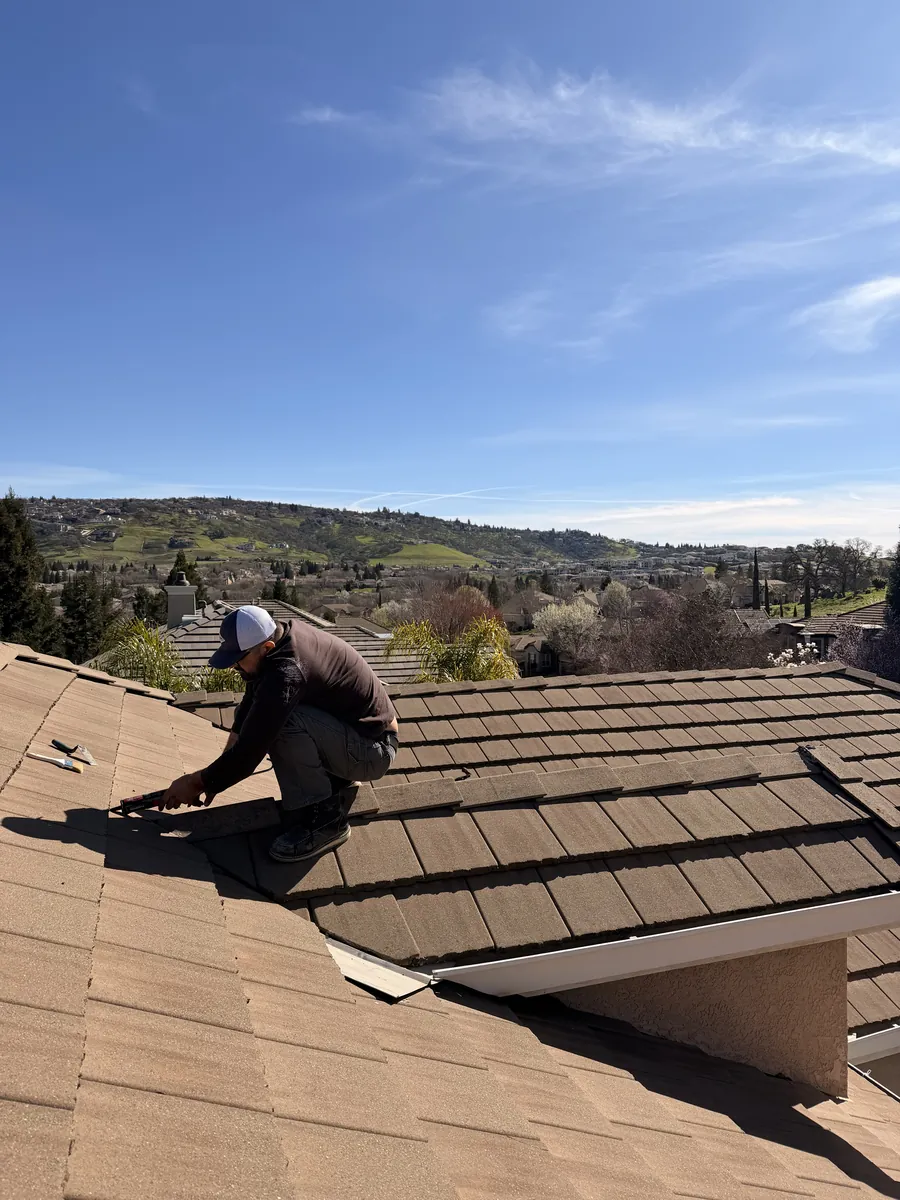
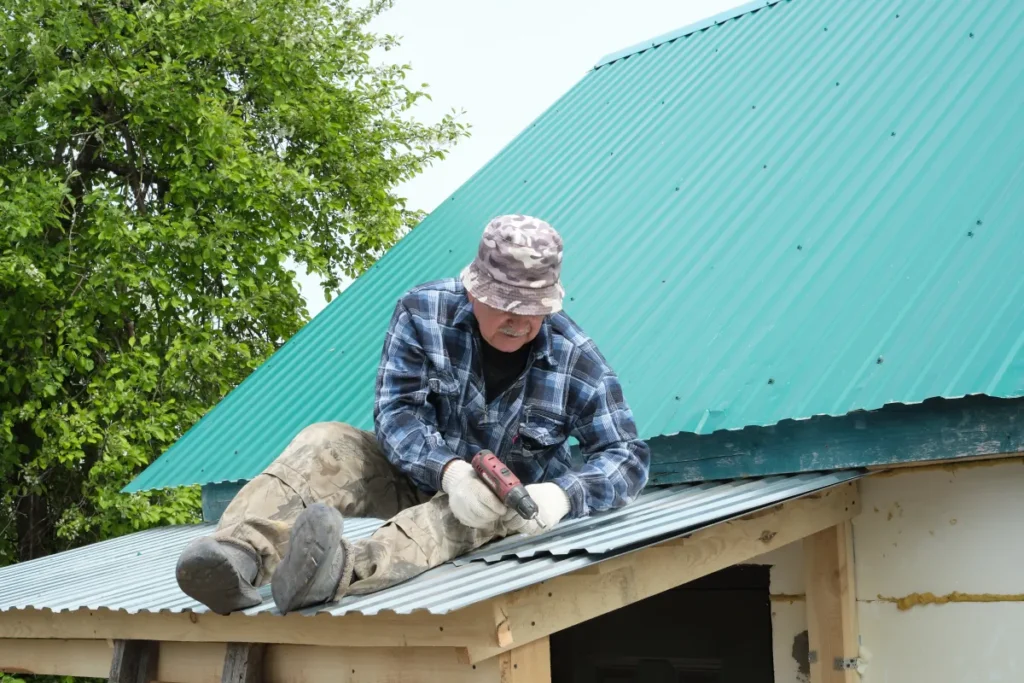
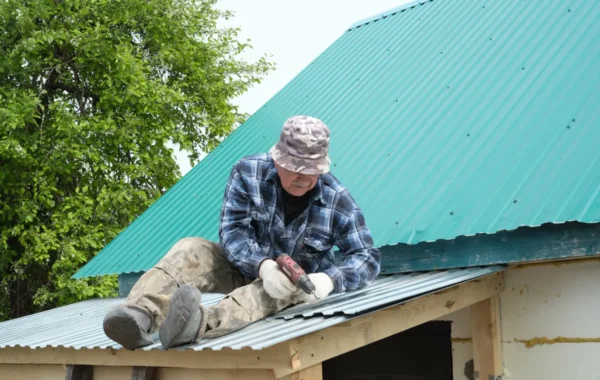
metal roof installation a retiree demonstrates self sufficiency by persona

Key Cost Drivers (Design, Materials, Trades)

Most roof leaks are fixable, but the price swings when the roof design makes access difficult or when the leak has traveled under the roof system. In addition, When you compare quotes, look for clear notes on what the inspector found and how the repair addresses it. Additionally, That detail matters because two homes can show the same ceiling stain and still require very different work.

Design And Access

  • Valleys and roof-to-wall transitions: more seams means more places for water to enter.
  • Penetrations: vents, skylights, and chimneys often need flashing work, not just sealant.
  • Steep pitch or multi-story access: safe setup takes time and can raise labor.
  • Multiple leak paths: water can run along rafters or underlayment before it shows inside.

Materials

  • Roof type: asphalt shingle, tile, low-slope membranes, and metal each repair differently.
  • Matching materials: older roofs may need special-order or carefully blended replacement pieces.
  • Flashing and underlayment condition: replacing failed components costs more than a surface seal.

Trades And Hidden Damage

  • Carpentry: wet or soft decking has to be removed and replaced before you close the roof back up.
  • Interior repair: drywall, texture, paint, and insulation may follow after the roof is watertight.
  • Moisture verification: confirming the leak source and testing the repair can add time but saves repeat visits.

These drivers explain why remodel cost can swing even when the symptom looks the same. The goal is a repair that stops water at the entry point and holds up through the next rainy season.

Ways To Keep Costs Under Control

You cannot control the weather, but you can control how quickly the problem gets addressed and how cleanly the work is defined. For example, A focused inspection and a clear repair plan usually cost less than repeated temporary fixes.

Practical Ways To Control The Budget

  • Call as soon as you notice staining or damp insulation; early repairs stay smaller.
  • Provide photos and a timeline of when the leak appears; it speeds up diagnosis.
  • Ask for repair photos (before/during/after) so you can see what was corrected.
  • Choose component replacement when it makes sense (boots/flashing), not endless resealing.
  • Plan interior repairs after the roof is sealed so you do not redo paint or drywall.

Common Mistakes That Drive Up Cost

  • Accepting a quote that does not identify the leak source.
  • Covering stains without fixing the roof, which hides ongoing moisture.
  • Waiting until wood softens, which turns a small repair into carpentry work.
  • Assuming every drip is a roof leak; some issues come from condensation or plumbing, so confirmation matters.
  • Skipping contingency planning and getting surprised by wet decking under the surface.

Timeline And Inspection Milestones

Timeline depends on access, weather, and whether the repair stays localized. An active leak may need a same-day dry-in, while the permanent repair gets scheduled for the next safe work window.

Typical Timeline By Phase

  1. Call and scheduling: same day to a few days, depending on demand and weather.
  2. On-site inspection: usually 30-90 minutes; the goal is to confirm the entry point.
  3. Temporary dry-in (if needed): same day; helps protect interiors while planning the permanent fix.
  4. Permanent repair work: a few hours to 1 day for many leaks; up to 2+ days when decking or multiple areas are involved.
  5. Interior patch/paint: often 1-7 days later so materials can dry and you avoid rework.

Permit And Inspection Notes For California Homeowners

Minor repairs (like replacing flashing, a vent boot, or a small shingle section) often do not require a permit, but local rules vary by jurisdiction and scope. Meanwhile, Larger work, structural repairs, or broader roof covering replacement can trigger permitting and inspections.

  • If your home is in Sacramento, permitting and plan review typically run through the City of Sacramento Community Development portal (Accela Citizen Access) and many steps are handled online.
  • If a permit applies, ask whether an inspection needs to happen before the roof is closed back up. That can affect scheduling.
  • When in doubt, confirm requirements with your city or county building department before work begins.
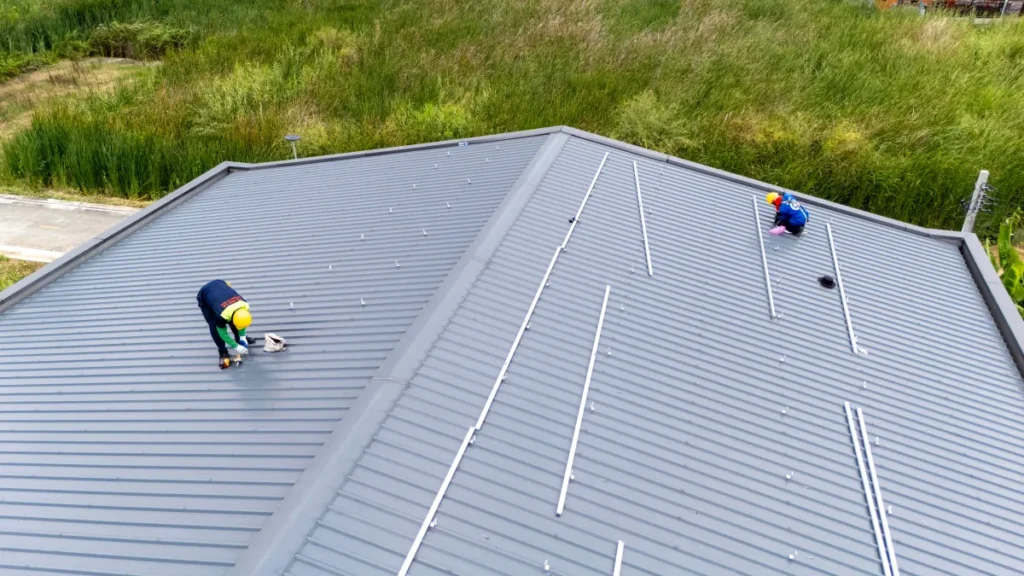
metal roof installation men technicians mounting photovoltaic solar moduls

Requesting A Detailed Quote

A good quote does more than name a price. Also, It explains what failed, what will be replaced, and how the repair prevents water from re-entering at the same point. Meanwhile, If you want to move from rough ranges to a specific plan, a short on-site inspection is the turning point.

What To Have Ready When You Call

  • Address and roof access notes (gates, pets, attic entry location).
  • Photos of the stain/drip and any attic moisture you can safely document.
  • What you know about the roof material (shingle, tile, low-slope) and approximate age, if known.
  • When the leak occurs (only heavy rain, wind-driven rain, or after several hours).

What To Request In The Written Quote

  • The suspected leak source and how it was confirmed.
  • Repair method and materials (for example: replace flashing vs reseal only).
  • Any excluded items you may need later (interior drywall/paint, insulation replacement).
  • Photo documentation of the repaired area so you can keep it with your home records.

Call +1 (916) 234-6696 to discuss your situation, or book a time through https://usconstructioncali.com/free-estimate/. Clear documentation upfront is the simplest way to keep remodel cost aligned with the real scope.

Financing Options To Consider

Many homeowners prefer to fix leaks immediately and handle payment in a way that fits their household budget. As a result, These are common options to discuss with your financial advisor or bank.

  • Cash savings: simplest option for small repairs.
  • Credit card: useful for short-term needs, but watch interest rates.
  • Personal loan: can spread payments out for mid-sized repairs.
  • Home equity loan/HELOC: commonly used for larger home repairs and improvements.
  • Insurance claim (when applicable): some sudden, covered events may qualify, while wear-and-tear often does not.

US Construction & Remodeling Corp. As a result, serves Sacramento and homeowners across California. Meanwhile, If you're dealing with an active leak, call and we can talk through immediate protection and the permanent fix.

Helpful Links

Frequently Asked Questions

Many roof leak repairs fall in the $250-$2,500 range. Costs move higher when the leak involves flashing systems, valleys, skylights/chimneys, steep access, or wet decking that needs replacement.

An on-site inspection that identifies the entry point is the fastest way to narrow the price.

Prices rise when the leak is hard to access, hard to trace, or has already damaged materials under the surface.

  • Multiple penetrations (vents, skylights, chimneys)
  • Valleys and roof-to-wall transitions
  • Wet decking/sheathing that needs carpentry
  • Older or harder-to-match roof materials
  • Interior drywall/insulation work after the roof repair

Often, small repairs do not require a permit, but requirements vary by city/county and by scope. Structural repairs or broader roof covering replacement can trigger permitting and inspections.

When in doubt, confirm with your local building department before work begins.

Once the roof is dry enough to work safely, many repairs take a few hours to a day. Jobs that involve replacing wet decking, multiple leak areas, or coordination with interior repairs can take longer.

If a permit applies, inspections may add time depending on scheduling in your jurisdiction.

Sometimes sealant helps as a temporary measure, but it usually does not solve the root problem by itself. Many leaks come from failed flashing details, worn vent boots, or damaged materials that need replacement.

A long-term fix should address the component that failed and how water is reaching it.

Ask the estimator to identify the leak source, explain the repair method, and provide a written quote that lists materials and any exclusions (like interior drywall/paint).

To get started, call +1 (916) 234-6696 or request an appointment at https://usconstructioncali.com/free-estimate/.

Licensed, insured & trusted local contractor

US Construction & Remodeling Corp.
9821 Business Park Dr, Sacramento, CA, 95827
Phone: +1 (916) 234-6696

CSLB License #: 1117562 Fully licensed and insured.

View our Google Business Profile

Related service

Looking for a step-by-step overview before you choose materials? Read Roofing Remodeling (Landing Page).

Leave a comment

This website uses cookies to improve your web experience.
Explore
Drag