Skip links

Single Hung Window

When you search for a single hung window, you’re usually trying to balance ventilation, security, price, and a clean look. This guide walks through how California homeowners scope the work, choose materials, and set a realistic schedule.

TL;DR: Keeping the same opening size typically makes a replacement simpler and faster. Costs rise when you change the opening, rebuild trim/stucco, or uncover damaged framing. Use a written scope and a closeout checklist so the finished window operates smoothly and seals tight.

Quick Checklist:

  • Confirm whether you’re keeping the same window size and opening.
  • Decide on interior and exterior finish work (trim, paint, stucco, siding).
  • Pick a frame material and glass package that fit your comfort goals and sun exposure.
  • Check safety needs (bedroom egress, tempered glass near doors/tubs, child safety).
  • Ask who handles permits if your city or county requires them.
  • Plan access and protection: furniture moves, pets, parking, and dust control.

What To Expect From A Licensed Team For Single Hung Window

DecisionWhy it mattersQuick check
Install typeRetrofit vs full-frame changes cost and finish work.Confirm if trim/stucco and interior casing will be disturbed.
Glass packageAffects comfort, energy use, and condensation.Compare Low-E/argon and key ratings (U-factor/SHGC).
MeasurementsOrdering wrong sizes causes delays and rework.Do final measurements before ordering; confirm egress where needed.
Lead timesWindows often drive the schedule.Lock selections early and confirm delivery dates.

as a fixed top sash and an operable bottom sash. Additionally, Homeowners choose it for straightforward operation, solid weatherstripping, and a classic profile that fits many architectural styles. It also works well when wall space is tight because the sash moves vertically instead of swinging into the room.

Even on a simple swap, the details around water management and air sealing decide how the window performs. Also, A professional crew should document the scope, protect finishes, and verify the opening before placing the order.

  • Confirm the window measurements (rough opening vs. existing frame) before ordering.
  • Inspect the sill and framing for moisture damage and repair needs.
  • Protect floors, also furniture, and walk paths before removal starts.
  • Remove the existing unit cleanly to avoid damaging interior finishes.
  • Integrate flashing and water-resistant barrier transitions at the opening.
  • Set the new unit plumb and level, shim correctly, and fasten per manufacturer guidance.
  • Air-seal and insulate the perimeter without bowing the frame.
  • Install interior trim and exterior casing/caulk as defined in the scope.
  • Test smooth operation, lock alignment, and screen fit before closeout.
  • Complete cleanup and haul-away and walk you through the finished work.

Smart Storage And Furnishings Around Windows

Window replacements are a good time to rethink what sits under or beside the opening. Meanwhile, Small changes can add storage without blocking light or making the sash hard to use.

  • Add a low window seat with lift-top storage (keep latch access clear).
  • Use slim shelving on adjacent walls instead of deep cabinets that crowd the opening.
  • Plan shades and rods so fabric clears the lift rail and locks.
  • If you add built-ins, leave room to service trim, caulk, and hardware.
  • Keep registers and bulky furniture a few inches away for airflow and easier cleaning.

Planning And Scope Decisions

The biggest cost swings usually come from scope decisions, not the window itself. In addition, Before you pick a product line, decide whether you’re doing a like-for-like replacement or changing the opening to improve light, views, or code compliance. If you’re replacing more than one single hung window, map the rooms first so finishes and sightlines stay consistent.

Where A Single-Hung Works Best

Think about how you’ll use the room day to day. For example, A single-hung can be a great fit, but it isn’t always the most convenient choice for every location.

  • Reach: Place the latch where you can operate it without stepping on a tub, counter, or bench.
  • Cleaning: Some units don’t tilt; plan exterior access on upper stories.
  • Ventilation: The bottom sash opening helps airflow; pair with exhaust fans where needed.
  • Egress: Bedrooms often have minimum opening and sill-height rules; confirm before you order.
  • Sightlines: Align grids/muntins across the elevation to avoid a patched look.
  • Weather exposure: Prioritize flashing and sealant details on wind-driven rain sides.
  • Interior layout: Keep the opening clear of cabinetry, headboards, and built-ins.

Small-Space Placements (Bath, Laundry, Hallway)

In smaller rooms, the right window often comes down to privacy and wall space. Overall, You can keep the room bright while protecting sightlines and keeping trim simple.

  • Set the sill higher for privacy while still meeting egress rules where they apply.
  • Use obscure/frosted glass for bathrooms and side-yard views without losing daylight.
  • Choose a narrow unit for tight wall segments near corners or between built-ins.
  • Confirm tempered glass requirements near doors, showers, and other safety zones.
  • Consider a smaller operable section with a larger fixed lite if ventilation needs are low.
  • Keep treatments minimal; integrated blinds or top-down shades reduce clutter.

Before/After Snapshot (Hypothetical Example)

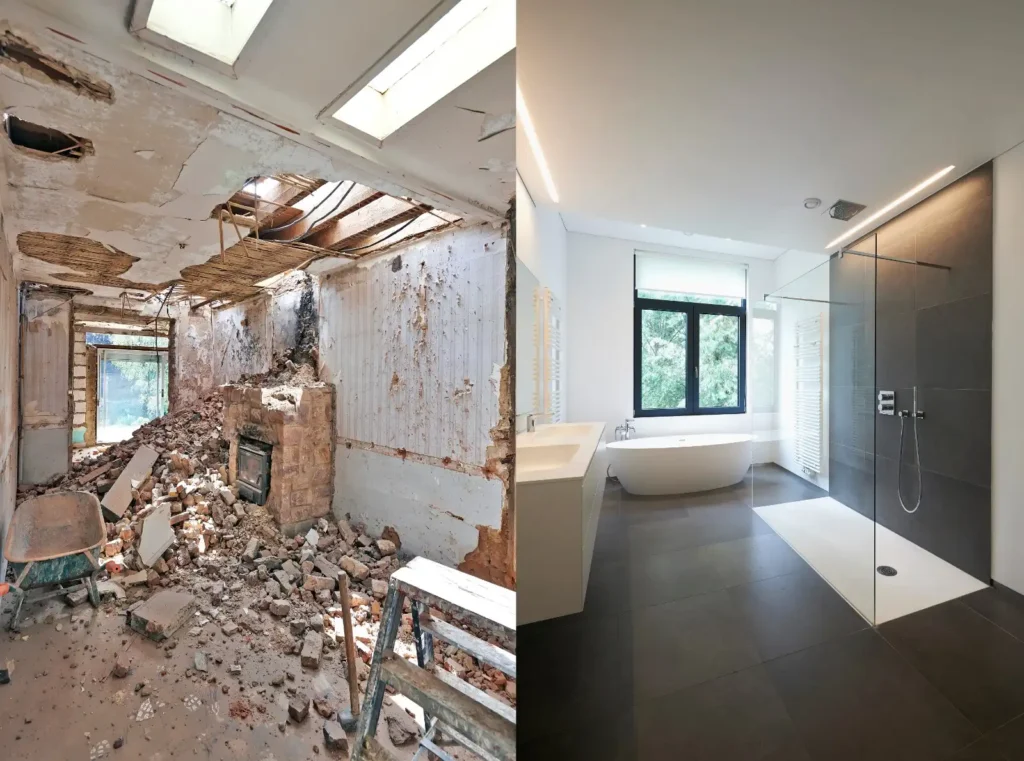
Before: A homeowner had an older window that stuck, leaked air, and showed worn trim. As a result, They wanted to keep a traditional look but reduce drafts and summer heat.

Scope decisions: They kept the same opening size, upgraded to a Low‑E double-pane glass package, and chose a clean interior casing so future repainting stays simple.

After: The new unit operated smoothly, the lock aligned correctly, and improved sealing reduced air movement around the frame. For this reason, The room felt more comfortable without changing the home’s exterior character.
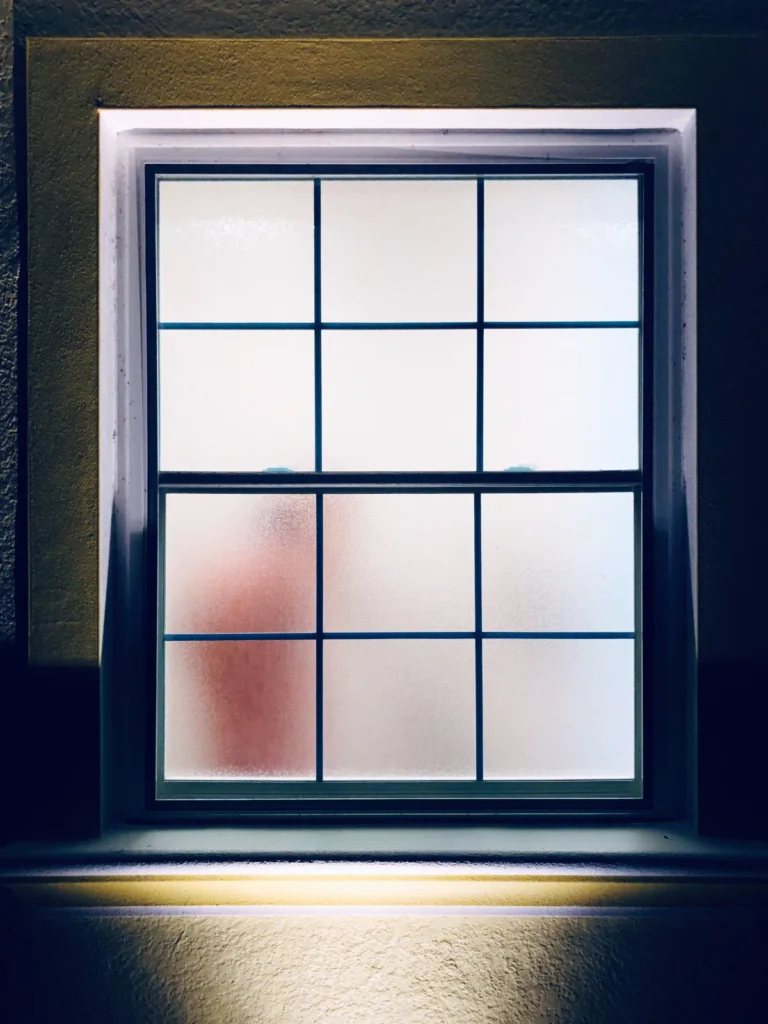
single hung window adult taking a shower behind the fogged glass wind

Materials, Permits, And Scheduling For Single Hung Window

Once you’ve locked the scope, the remaining work is choosing materials that match your priorities and lining up a schedule that respects lead times. In addition, Product availability and the amount of finish work often matter as much as the install day itself. For a single hung window, the biggest performance gains usually come from the glass package and a tight install, not extra hardware.

Frame, Glass, And Hardware

Frame materials: Vinyl is cost-effective and low maintenance, while fiberglass stays rigid and handles temperature swings well. For example, Wood looks great inside, although it needs more upkeep; many homeowners choose wood with exterior cladding for better weather protection.

Glass packages: In California, Low‑E coatings can improve comfort by reducing heat transfer, and double-pane units are common. Overall, Laminated glass can add sound control and security, while obscure glass adds privacy in bathrooms or side yards.

Hardware and screens: Ask about lock quality, sash lifts, and screen frames. For this reason, Small upgrades here make day-to-day use better, especially on frequently opened windows.

  • Match the frame color/finish to your exterior trim so it blends in later.
  • Choose grille patterns that align across the elevation for a consistent look.
  • For noise concerns, ask about laminated glass rather than only thicker panes.
  • If kids are in the home, consider opening-limit devices and reliable locks.

Avoid Surprises

Permit needs vary by jurisdiction and scope. Meanwhile, Many simple replacements stay within the existing opening, but changes to size, structure, or bedroom egress requirements can trigger plan review and inspections. A good proposal states who will pull permits when they’re required and how inspections affect the timeline.

Budget Ranges & Timeline (Typical)

Use these as rough planning ranges, not a quote. As a result, Your final number depends on window size, access, finish repairs, and product selections.

  • Standard replacement in an existing opening: often ~$900–$2,200 per window installed.
  • Opening changes, rot repair, or heavy exterior finish work: often ~$2,200–$5,000+ per window.
  • Product lead time: commonly 2–8 weeks depending on options and availability.
  • On-site install: often a few hours per window; multi-window projects may take 1–2 days.
DecisionCommon impactWhat to clarify
Same-size swap vs. resizeMay change framing and permitsKeep opening or modify?
Frame materialAffects durability and priceVinyl, fiberglass, wood/clad
Glass packageComfort, privacy, noiseLow‑E, laminated, obscure
Exterior finish workTime and appearanceStucco/siding repairs included?
Number of windowsScheduling and stagingOne phase or multiple visits?

Talk Through Your Timeline

If you’re trying to hit a move-in date or coordinate with other work, get the timeline clear before you order windows. Overall, Call +1 (916) 234-6696 and we’ll help you map the critical dates: measure, order, install, and any inspections.

Quality Checks And Closeout

The window can be high quality and still perform poorly if the installer cuts corners. Also, Focus on water management, alignment, and air sealing—those details protect your walls and help the window operate smoothly for years.

Quality Checks That Matter

  • Confirm the opening is square; use shims to support the frame without twisting it.
  • Use correct flashing details so water drains out, not into the wall.
  • Fasten per manufacturer instructions; avoid overdriving screws.
  • Insulate the gap with the right materials (low-expansion foam where appropriate).
  • Keep weep paths clear so the window can drain properly.
  • Tool caulk beads for continuous contact, not just a surface smear.
  • Check smooth travel, lock alignment, and weatherstrip contact.

Closeout Checklist You Can Verify

Before the crew leaves, walk the room and check these items:

  • Window opens, closes, and locks without forcing it.
  • Screens fit tight and sit flat in the frame.
  • Interior trim is tight, joints are clean, and touch-ups are clearly defined in the scope.
  • Exterior caulk lines are continuous with no gaps.
  • Glass is clean, warranty paperwork is provided, and debris is removed.
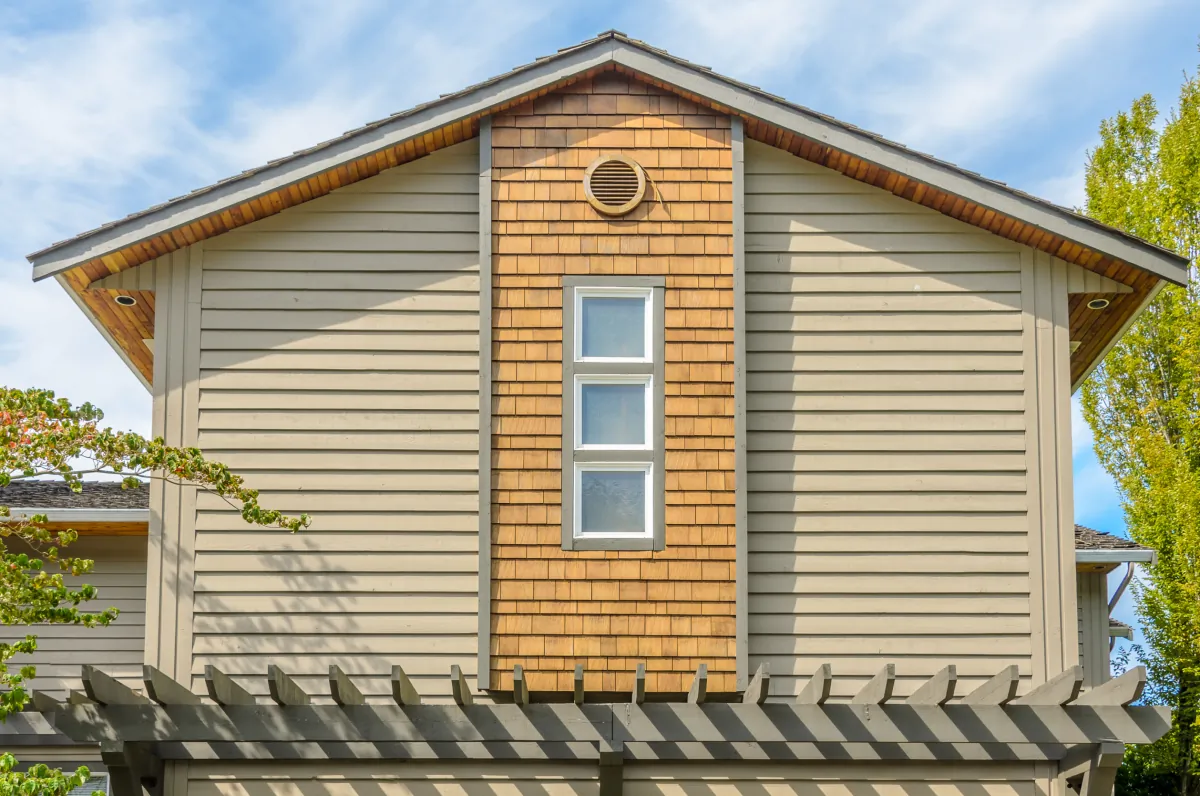
clapboard siding the top of the house with nice window

Serving Homeowners In Sacramento

US Construction & Remodeling Corp. In addition, helps Sacramento homeowners and select clients across California plan and complete single hung window projects with clear scope, material guidance, and coordination of permit and inspection steps when the jurisdiction requires it.

Book a planning call to discuss your timeline and next steps, or call +1 (916) 234-6696.

Step-By-Step: A Typical Window Replacement Schedule

  1. Planning call to understand goals, rooms, and timing.
  2. On-site measure to confirm opening sizes and identify repair needs.
  3. Written scope listing window specs, finish work, and permit responsibility.
  4. Ordering and lead-time tracking for the selected product.
  5. Install day with floor protection, careful removal, setting, sealing, and trim.
  6. Final walkthrough (and inspection scheduling when required) before closeout.

Sacramento Permitting And Online Tracking

When your window scope requires a permit within Sacramento city limits, plan review and status tracking typically run through the City of Sacramento Community Development portal (Accela Citizen Access). In addition, That online workflow can affect timing, so it helps to confirm early whether the project stays within an existing opening or changes structural elements.

Homeowners can submit applications, pay fees, and check status online; if an inspection is necessary, schedule it as soon as the city allows to keep the project moving.

Trust Signals You Can Verify

Window work impacts the building envelope, so treat contractor selection like any other structural decision. For this reason, Use these checkpoints before you sign:

  • Ask for proof of licensing and insurance and confirm the name matches the contract.
  • Get a scope that spells out flashing, air sealing, trim, debris haul-away, and warranties.
  • Clarify who pulls permits (if needed) and who is present for inspections.
  • Expect clear communication on lead times, jobsite access, and daily cleanup.
  • Verify workmanship at closeout: smooth operation, lock alignment, clean caulk lines, and protected weep paths.

Related Services And Pages

If you’re coordinating a window project with other upgrades, keep scopes aligned. Many homeowners pair window replacements with exterior trim repairs, siding/stucco touch-ups, or interior paint so everything finishes cleanly.

Company Info (NAP)

US Construction & Remodeling Corp. | Phone: +1 (916) 234-6696 | Website: https://usconstructioncali.com/

Helpful Links

Frequently Asked Questions

A single-hung window has a fixed top sash and a bottom sash that moves. A double-hung window lets both sashes move, which can make ventilation and cleaning easier.

  • Choose single-hung when you want a simple, classic option at a lower cost.
  • Choose double-hung when you want more ventilation control or tilt-in cleaning.

For a straightforward replacement that keeps the same opening, the on-site install often takes a few hours per window. The bigger time factor is product lead time, which commonly runs several weeks depending on options and availability.

If permits or opening changes are involved, add time for plan review, inspections, and finish work.

It depends on your jurisdiction and what changes. Like-for-like replacements sometimes move faster, while changes to size, structure, or bedroom egress can trigger permits and inspections.

  • Ask your local building department what applies to your address.
  • Make sure your contract states who pulls permits if they’re required.

Window price is only part of the budget. Labor and finish work can drive the total, especially when the opening needs repairs.

  • Keeping the same opening vs. resizing
  • Frame material and glass upgrades (Low‑E, laminated, obscure)
  • Exterior repair needs (stucco, siding, trim)
  • Access challenges (second story, tight side yards)

Each material has a good use case. Match the choice to maintenance expectations and how much sun and weather the window will see.

  • Vinyl: budget-friendly and low maintenance.
  • Fiberglass: rigid, stable, and a strong long-term option.
  • Wood (often with cladding): warm interior look, with more upkeep.

Compare scope, not just price. Two bids can look similar but include different sealing, trim, and warranty details.

  • Confirm each bid lists window specs, flashing/air-seal steps, and finish work.
  • Ask about cleanup, debris haul-away, and who coordinates inspections if needed.
  • Request a clear timeline and a final walkthrough checklist before you sign.

Licensed, insured & trusted local contractor

US Construction & Remodeling Corp.
4424 Freeport Blvd, Sacramento, CA, 95822
Phone: +1 (916) 234-6696

CSLB License #: 1117562 Fully licensed and insured.

View our Google Business Profile

Leave a comment

This website uses cookies to improve your web experience.
Explore
Drag