Skip links

Shingle Roof Repair

A roof leak rarely waits for a convenient day. When shingles curl, blow off, or start shedding granules, shingle roof repair can stop water intrusion before it spreads into decking, insulation, or drywall.

Quick checklist:

  • Confirm the scope: repair, partial replacement, or a full reroof.
  • Pick a material system and verify underlayment, flashing, and ventilation details.
  • Clarify tear-off vs overlay and what happens if decking damage is found.
  • Compare 2–3 itemized bids (materials, disposal, permits, warranty).
  • Schedule around weather and confirm daily cleanup and protection.
  • Do a final walkthrough: flashing, vents, and warranty documentation.

TL;DR: Get the leak diagnosed, get the scope in writing, and confirm how the crew will seal and verify the repair. For a quick consult, call Call.

  • Take clear photos of the roof from the ground (and the attic stain, if safe).
  • Note when the leak shows up: wind-driven rain, long storms, or only certain directions.
  • Ask for an on-roof inspection when conditions allow, not a “guess and caulk” visit.
  • Confirm shingle type/profile and how the color match will be handled.
  • Request a written scope that lists what gets replaced and how edges and penetrations will be sealed.
  • Clarify whether a permit or inspection applies for your jurisdiction and scope.

This guide walks through contractor selection, a realistic project roadmap, and the decisions that affect cost and timeline for California homeowners.

Why Homeowners Hire Help For Shingle Roof Repair

DecisionWhy it mattersQuick check
Material systemAffects lifespan, cost, and appearance.Confirm shingle/tile type, underlayment, and warranty.
Flashing & penetrationsMost leaks start at edges and penetrations.Specify flashing at chimneys, vents, and valleys.
VentilationControls heat/moisture and protects decking.Confirm intake/exhaust balance and vent types.
Tear-off & deckingHidden damage can change cost and timeline.Include an allowance and photo documentation.

Most leaks don’t start where the water shows up inside. Overall, With shingle roof repair, a trained roofer tracks the path, checks surrounding field shingles, and looks closely at transitions around vents, chimneys, and valleys.

Homeowners also bring in help because roof work is high-risk. Meanwhile, Proper setup, safe footing, and the right tools matter as much as the shingle itself.

  • Pinpoint the real entry point instead of chasing stains
  • Replace shingles without cracking adjacent courses
  • Keep the repair area watertight during the workday
  • Identify soft or damaged decking early
  • Match materials and fasteners to the existing roof system
  • Document conditions and completed work with photos
  • Leave the site clean, also including a nail sweep in walk areas

Spot, Strip, Or Slope

Not every roof needs the same approach. Also, A good contractor explains which “layout” fits the failure, then prices that exact scope.

  • Spot replacement: Best for a few damaged shingles from wind or impact.
  • Strip repair: Useful when a leak follows a line (often near a transition or course break).
  • Partial slope repair: Helps when a concentrated area has widespread wear or brittle tabs.
  • Full slope re-shingle: Makes sense when matching, brittleness, or multiple leak points make piecemeal repairs unreliable.

Staging, Storage, And Property Protection

Even a small repair can create mess if the crew doesn’t plan. For example, Ask how materials will be staged and how your landscaping and driveway will be protected.

  • Cover attic belongings under the work area if you store items up high
  • Move vehicles so crews can stage shingles and ladders safely
  • Use tarps or plywood where foot traffic crosses sensitive areas
  • Keep bundles secured; wind can turn loose materials into damage
  • Collect tear-off debris as work happens, not at the end of the day
  • Finish with a magnet sweep in patios, walkways, and drive areas

How To Choose The Right Contractor

Choosing a contractor for roof work comes down to clarity and accountability. Additionally, You want someone who will inspect, explain, and put the scope in writing.

  • Ask for proof of active licensing and insurance
  • Request inspection photos so you can see the exact problem areas
  • Confirm how they’ll match shingle type, profile, and color as closely as possible
  • Make sure the estimate lists what gets replaced, not just “repair leak”
  • Ask who handles permits if the scope requires one
  • Confirm daily cleanup and where nails and debris will be checked
  • Get the workmanship warranty explained in plain language
  • Know who your point of contact is from start through closeout

Compare bids by scope, not just price. In addition, Two “roof repair” quotes can represent very different work.
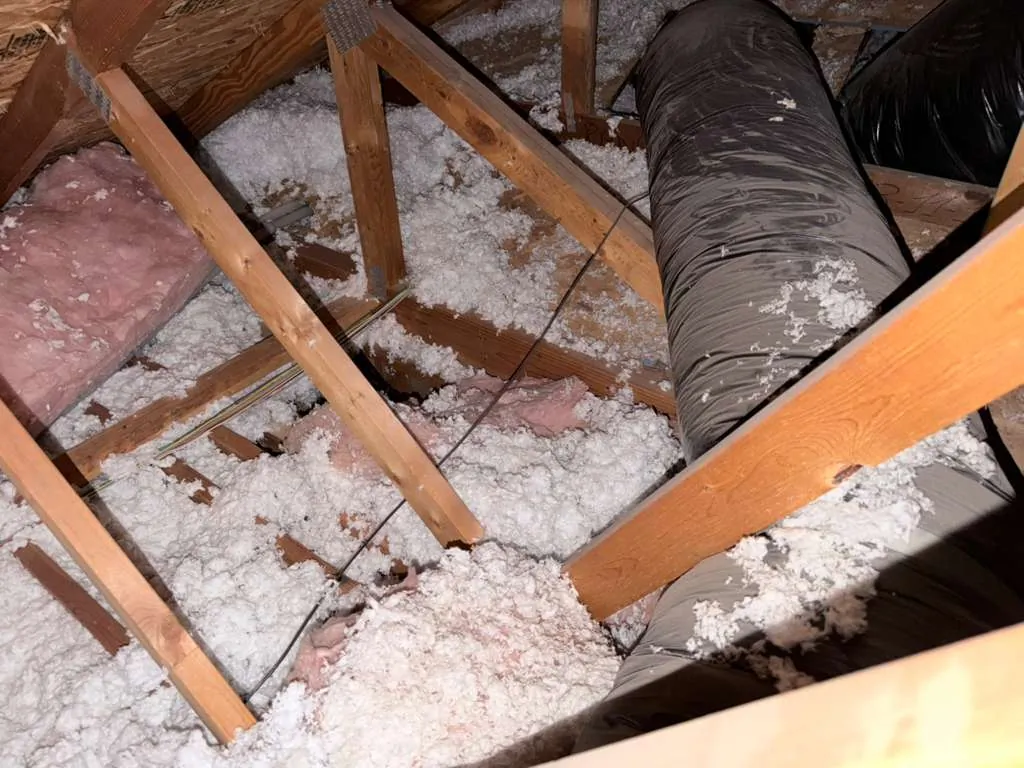
Attic inspection to trace ceiling leak path in CA

Planning To Completion

A repair goes smoothly when everyone agrees on the diagnosis, the scope, and the verification steps. For this reason, Here’s a homeowner-friendly roadmap you can use to keep the job on track.

How Roof Repairs Typically Run In California

  1. Initial call and photos: Share what you’re seeing and when it happens.
  2. On-site inspection: The roofer checks shingles, transitions, and the attic (when accessible).
  3. Root-cause diagnosis: The goal is to fix the source, not just the symptom.
  4. Options and written scope: You should see clear choices (spot vs. partial vs. larger scope).
  5. Permit check (if needed): Requirements vary by jurisdiction and by how much roofing is being replaced.
  6. Scheduling: The contractor orders materials and sets a work date.
  7. Site protection: Landscaping, drive areas, and access points are protected before work begins.
  8. Repair execution: Crews replace damaged areas, reseal transitions, and keep the roof watertight.
  9. Cleanup and verification: Debris removal, nail sweep, and a final check—often with photos.

Before/After: An Anonymized Scenario

Before: A homeowner noticed intermittent dripping near a ceiling vent after windy rain. As a result, A quick patch didn’t hold because the leak path started higher up the slope.

After: The roofer lifted surrounding courses, replaced the damaged shingles and fasteners, resealed the transition detail, and documented the area with close-up photos. In addition, A controlled water test confirmed the leak stopped.

This scenario is anonymized and provided for illustration.

Small Repair Areas And Tight Access

Some homes have limited ladder placement, narrow side yards, or steep slopes. For example, That changes how crews stage materials and how long a “small” repair takes.

  • Expect smaller material loads carried up more frequently for safety
  • Ask how the crew will protect siding, gutters, and landscaping at access points
  • Confirm where debris will be staged so it doesn’t damage hardscape or plantings
  • Request a clear plan for keeping walkways clean each day

Maintenance Tips After A Repair

Good repairs still need basic upkeep. Overall, A few habits reduce the odds of future leaks.

  • After the next big rain, take a quick attic look for new moisture (if accessible)
  • Keep gutters and downspouts clear so water doesn’t back up at roof edges
  • Trim branches that rub shingles or drop heavy debris into valleys
  • Avoid pressure washing shingles; it can shorten their life
  • Schedule a periodic roof inspection to catch small issues early

Budget & Timeline (Typical)

Costs vary widely because the “repair” might mean replacing three shingles—or rebuilding a larger section after hidden damage is found. For this reason, Use these ranges as a starting point, then confirm the exact scope on your roof.

Budget Ranges And Timeline (Typical)

  • Minor localized shingle roof repair: often a half-day visit; commonly in the hundreds to low thousands.
  • Multiple repair zones: often 1–2 days, especially when matching requires lifting and re-laying adjacent shingles.
  • Decking or fascia repair: adds labor and materials once the crew exposes the area.
  • Permits and inspections (when required): add lead time for approvals and a final sign-off.

Key Cost Drivers To Ask About

  • How many areas need work (one spot vs. multiple slopes)
  • Roof height, pitch, and access constraints
  • Shingle match availability (brand, profile, and color)
  • Number of existing layers and condition of the substrate
  • Wood replacement needs once shingles are removed
  • Whether local rules require a permit for the scope
Decision pointWhat it changesWhat to confirm
Spot repair vs. larger sectionLabor hours and material matchingAsk which failure mode they’re correcting
Shingle match planHow visible the repair will lookRequest samples or photos of the proposed match
Hidden wood damageExtra carpentry work and timeAsk how they’ll document any replaced wood
Permit required?Administrative lead timeAsk who pulls it and who schedules inspection
Access and protectionSetup time and cleanup scopeConfirm tarps, staging, and nail-sweep plan

If you want a straight answer on repair vs. In addition, replacement, call Call and describe what you’re seeing. Photos help.

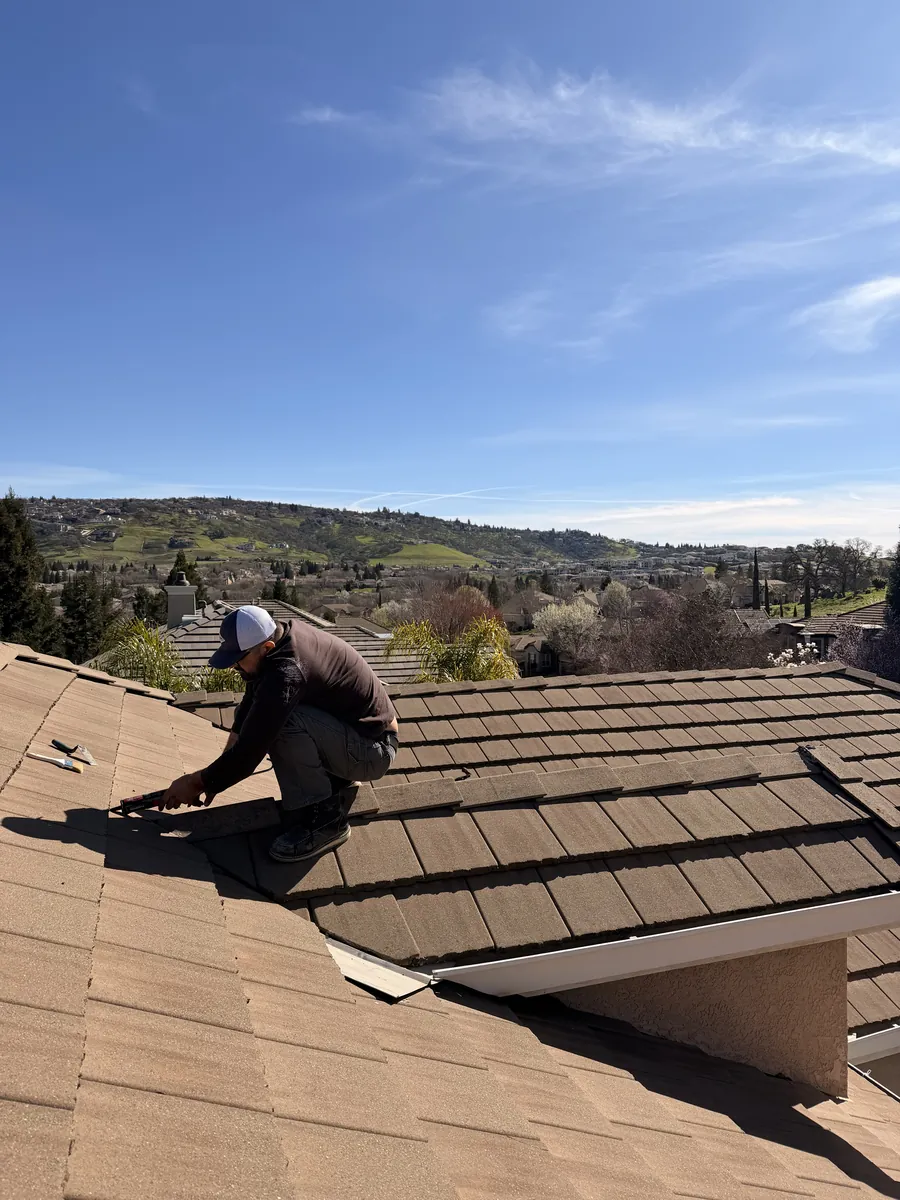
Technician performing tile roof leak repair in CA

How We Help In Sacramento

US Construction & Remodeling Corp. Also, supports Sacramento homeowners with shingle roof repair by inspecting the roof surface, explaining the cause in plain language, and presenting repair options that fit the condition of the shingles you already have.

Call Call for a quick consult, or request an estimate online when you’re ready.

Sacramento Permit Expectations And Local Coordination

Permit rules depend on scope. Additionally, Many minor repairs don’t trigger a permit, while re-roof work often does. In addition, For Sacramento addresses, the city handles many building-permit applications and plan checks through an online system, so submittals, payments, and status updates are typically digital. In addition, We confirm the jurisdiction for your address, explain what’s required, and handle the paperwork when a permit applies.

Trust And Verification Checklist

  • Provide written scope, materials, and photo documentation
  • Confirm who is responsible for permits and inspection scheduling when required
  • Share proof of insurance upon request and keep jobsite safety standards in place
  • Protect landscaping and collect debris continuously during the repair
  • Verify the fix before leaving, then provide closeout photos
  • Encourage homeowners to verify contractor licensing status through the state’s official resources

Ways To Start (Call, Online, Or Photo Triage)

If the leak is active, calling is usually the fastest route because we can ask the right questions immediately. Also, If you prefer to start online, the estimate form works well for non-urgent repairs.

  • Call: Call
  • Online request: Submit the estimate form
  • What to send: a few ground photos of the roof, interior stain photos, and the approximate roof age if you know it

Related Items You May Bundle With A Repair

During a roof visit, many homeowners also ask about roof inspections, replacing worn pipe boots, improving attic airflow, and gutter cleaning. Also, Bundling small items can reduce repeat setup time.

Helpful Links

Frequently Asked Questions

It depends on how widespread the damage is and how the shingles are aging. A repair often makes sense when the issue is localized and the surrounding shingles still have flexibility.

  • Repair is often reasonable when damage is limited to a small area, a few missing shingles, or one clear leak point.
  • Replacement may be smarter when you see repeated leaks across different areas, widespread brittleness, or significant wear across multiple slopes.

An on-site inspection with photos is the quickest way to avoid guessing.

Price follows scope. Two repairs can look similar from the ground while requiring very different work on the roof surface.

  • Number of damaged areas and how far water traveled
  • Roof pitch, height, and access limitations
  • How closely shingles can be matched to the existing roof
  • Whether any wood needs replacement after shingles are removed
  • Permit and inspection requirements for the jurisdiction and scope

Sometimes. Requirements vary by city or county and by how much roofing is being replaced. Minor repairs may not require a permit, while larger re-roof scopes often do.

If a permit applies, a good contractor should confirm the requirement early, explain who will pull it, and plan for any inspection timing.

Often, yes—but not always perfectly. Sun exposure and aging can fade shingles, and some older profiles may be discontinued.

  • If an exact match is available, the repair can blend well.
  • If a close match is the best option, replacing a slightly larger, cleanly defined section can look more consistent.

Ask to see the proposed shingle match before work starts.

Many small repairs can be completed in a single visit. Larger or more complex repairs take longer, especially when crews must lift and re-lay surrounding courses to keep the roof watertight.

  • Small, localized repairs: often a few hours
  • Multiple areas or tougher access: commonly 1–2 days
  • If a permit and inspection apply: allow extra lead time

A strong estimate helps you compare bids and prevents “surprises” mid-job. Look for clear, specific language.

  • Photos of the problem area and a plain-language diagnosis
  • Exact scope: what gets removed, replaced, and resealed
  • Material notes: shingle type/profile and match approach
  • Protection and cleanup steps, including nail and debris checks
  • Permit responsibility if the scope requires one
  • Workmanship warranty terms explained clearly

Licensed, insured & trusted local contractor

US Construction & Remodeling Corp.
4424 Freeport Blvd, Sacramento, CA, 95822
Phone: +1 (916) 234-6696

CSLB License #: 1117562 Fully licensed and insured.

View our Google Business Profile

Explore the full service overview

If you want the big-picture process, pricing factors, and what to expect, start here: Roof Repair & Roof Replacement in Sacramento, CA.

Leave a comment

This website uses cookies to improve your web experience.
Explore
Drag