Choose A Style Direction (Modern, Warm, Classic) For Small Bathroom Design
Style choices add up fast in a small bathroom. As a result, A clear direction keeps tile, vanity, and hardware from competing, which makes the room feel calmer and easier to finish.
Modern
Use slab (flat-panel) vanity doors, simple tile, and fewer materials. Additionally, Keep contrast intentional: one dark element plus lighter walls usually reads cleaner than a mix of mid-tones.
Warm
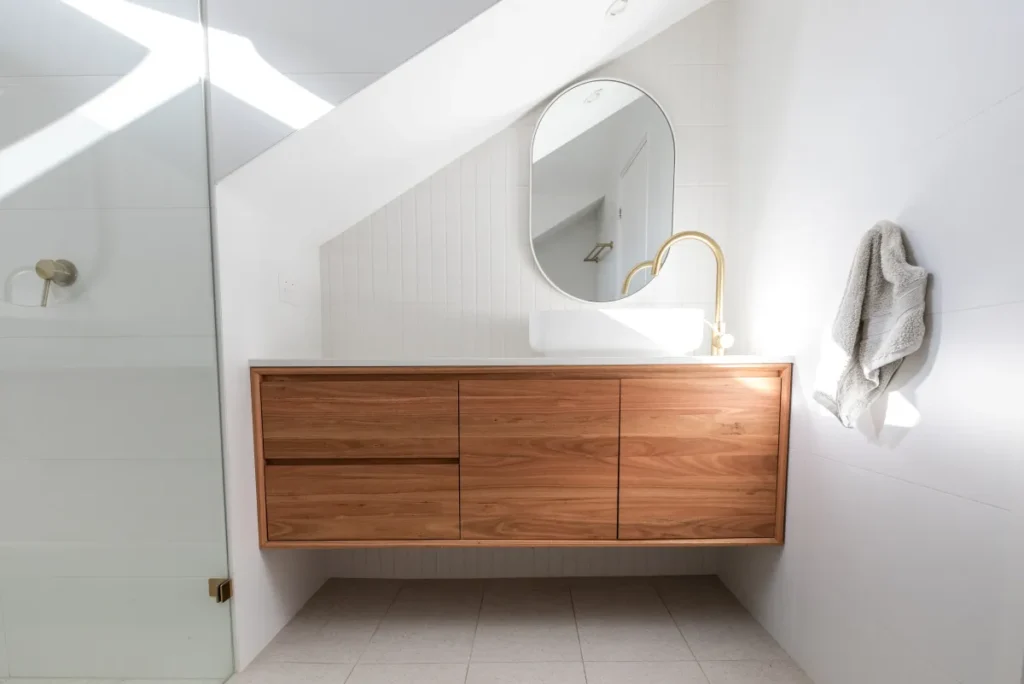
Bring in wood tones, softer whites, and brushed metals. In addition, Matte finishes help reduce water-spot glare, especially under bright mirror lighting.
Classic
Shaker doors, chrome or brushed nickel, and straightforward tile layouts age well. This direction also stays easy to match if you update accessories later.
A Fast Way To Decide (Without Overthinking)
- Pick one “hero” finish: shower tile, vanity, or floor
- Choose two supporting colors and repeat them across paint, textiles, and accessories
- Limit metal finishes to one whenever possible (two max)
Layouts That Improve Flow And Storage
The fastest way to make a small bathroom feel bigger is to protect the clear path from the door to the vanity and shower/tub. Meanwhile, A few inches of clearance often matters more than a larger vanity.
Map Wet And Dry Zones
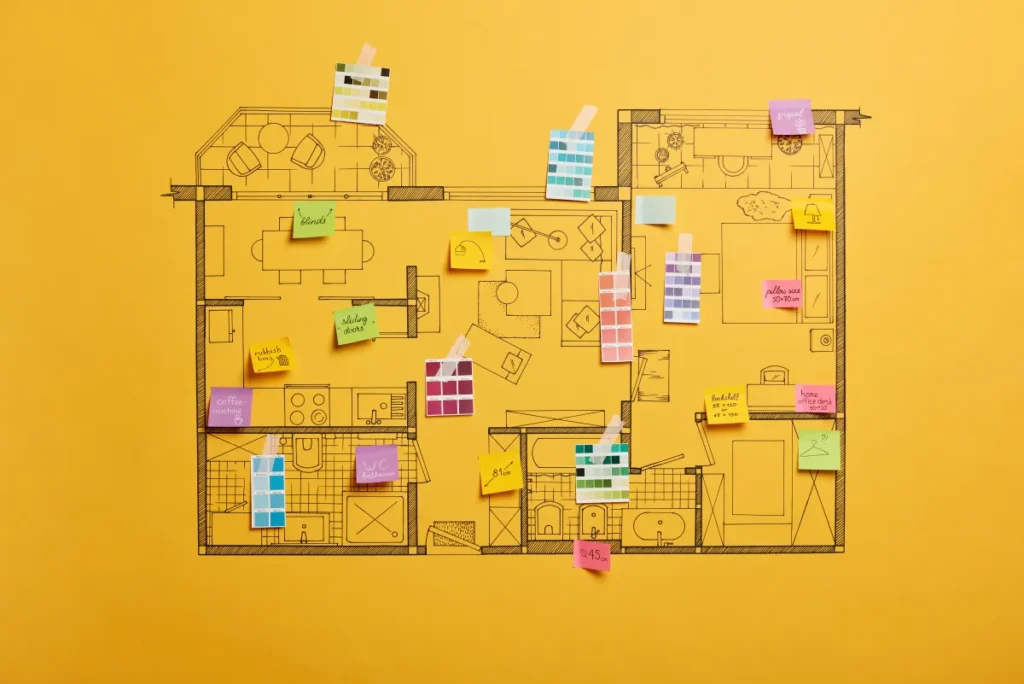
Sketch the room with real dimensions, including door swing. Also, Mark a “wet zone” (shower or tub) and a “dry zone” (vanity and toilet). When you keep supply and drain lines on the same wall, you typically reduce complexity.
- Galley layout: fixtures line one long wall (or two parallel walls). This fits narrow bathrooms.
- L-shape layout: vanity on one wall, shower/tub on the adjacent wall. Overall, This can open up the entry.
- U-shape layout: fixtures on three sides. For example, It can work when the door lands near the middle of a wall.
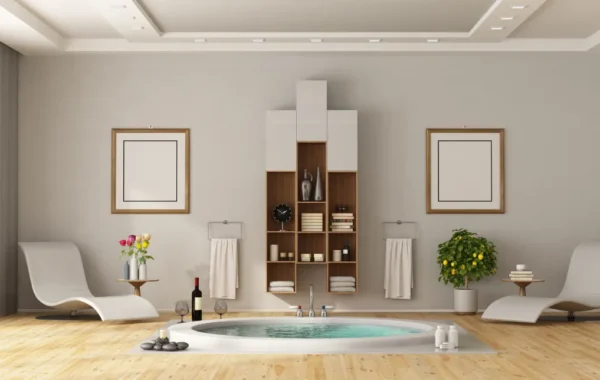
- Island-centered layout: common in kitchens. For example, In bathrooms it usually means a centerpiece tub; most small baths don’t have the clearance, so treat this as a large-room concept.
From there, choose one main trade-off: storage vs. open floor. Also, In tight rooms, a shallower vanity often wins because it protects elbow room.
Small-Space Layouts That Work (Realistic Options)
- Tub/shower combo: keep a tub if it’s the only one in the home or you plan for kids; simplify the surround and keep ledges minimal.
- Walk-in shower swap: trade the tub for a walk-in shower to open floor space; add a niche for bottles so you don’t need a bench.
- Corner shower: a good fix for tight L-shape rooms, especially with a clear glass door.
- Single-sink vanity: two sinks rarely help in a small bath; one sink gives you counter space and storage.
Watch the collision points: door swing, shower glass, toilet clearance, and vanity drawers. Additionally, If two things open into the same space, change one of them before construction starts.
Storage Optimization That Stays Out Of The Way
Small bathrooms feel messy when everyday items sit on the counter. Additionally, Build storage into the walls and vertical corners instead.
- Recessed mirror cabinet between studs
- Shower niche (or two) placed at reachable height
- Vertical tower cabinet in a corner footprint
- Hooks behind the door for towels and robes
- Vanity organizers: pull-out tray, divider, and a dedicated hair-tool spot
Planning Sequence To Keep Work Moving
- Confirm the layout and fixture sizes before ordering
- Choose tile and grout early; lead times can drive the schedule
- Decide lighting locations and switch placement while walls are open
- If you’re moving plumbing or adding electrical, permits and inspections often apply (requirements vary by jurisdiction)
- Order custom pieces (glass, vanity, countertop) once measurements are final
This sequence reduces mid-project changes, which is where small bathrooms commonly lose time and budget.
Finishes That Look Good Longer (Practical Picks)
Moisture, soap, and daily use test every surface. Overall, Choose finishes that resist stains and don’t require constant scrubbing to look clean.
Flooring Choices
- Porcelain tile: durable and water-friendly; choose a slip-resistant finish for floors.
- LVP (luxury vinyl plank): warmer underfoot and fast to install; choose a waterproof-rated product and follow the manufacturer’s wet-area guidance.
- Natural stone: beautiful, but it typically needs sealing and more careful cleaning.
Shower Wall Materials And Grout Strategy
Grout lines drive how much maintenance a shower needs. As a result, Larger tile (or fewer seams) usually makes cleaning easier, while a grout color close to the tile keeps the look consistent.
- Use larger wall tile when you want fewer grout joints
- Consider higher-performance grout options when the shower gets heavy use
- Keep shelves and ledges minimal; niches often store more with less mess
Vanity Cabinet Doors And Countertop Options
For vanities, door style sets the tone as much as tile, and the countertop affects daily cleaning.
- Cabinet door styles: Shaker (classic), slab (modern), raised panel (traditional), inset (premium look)
- Countertops: quartz (low maintenance), solid surface, porcelain slab, granite (may need sealing)
- Sinks: undermount for easy wipe-down, or integrated solid surface for fewer edges
Maintenance Tips That Keep It Looking New
- Squeegee shower glass and tile a few times a week to reduce hard-water build-up
- Use a pH-neutral cleaner on tile and stone; skip abrasive powders on glossy surfaces
- Inspect caulk at corners and edges and replace it when it starts to peel
- Run the exhaust fan during showers and for a short period afterward to reduce moisture stress
Small Details That Change The Feel (Lighting/Hardware)
Once the big pieces are set, details create the finished look. Lighting and hardware also improve how the room works day to day.
Layered Lighting (Ambient, Task, Accent)
- Ambient: ceiling fixture or recessed lights for overall brightness
- Task: vertical sconces or an even light bar at the mirror to reduce shadows
- Accent: niche light or a low night light for safe navigation
Add a dimmer where you can. Meanwhile, It changes the mood without changing fixtures.
Hardware And Plumbing Trim That Feels Intentional
- Use one finish family for faucet, shower trim, and cabinet pulls
- Choose pulls that feel easy to grab with wet hands (bigger often feels better)
- Place towel bars where they’re reachable from the shower, not hidden behind the door
Hypothetical Before/After Example (Anonymized)
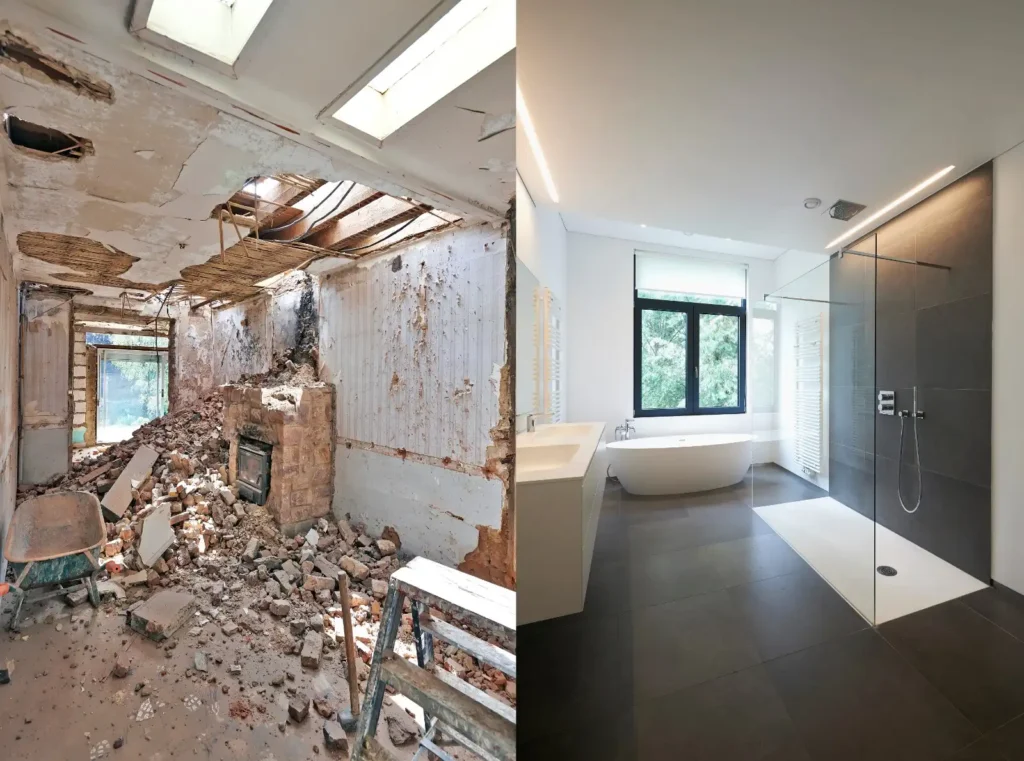
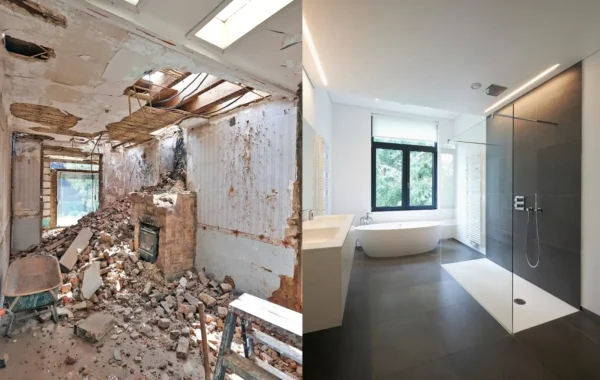
Before: A compact 5 ft by 8 ft bathroom has a door that hits the vanity, dim light over the mirror, and no built-in storage. Meanwhile, The countertop stays cluttered because daily items have nowhere to go.
After: The layout stays on the same plumbing wall, but the vanity shifts to a shallow depth and adds a recessed mirror cabinet. Also, A clear shower panel replaces a framed slider, and the shower gets a niche for bottles. Two vertical sconces flank the mirror, so faces look natural and shadows drop away. The room feels larger even though the square footage stays the same.