Skip links

Accessibility Remodeling Permits Sacramento

Planning an accessibility upgrade is personal. It can mean safer bathing, easier entries, and fewer trip hazards. In Sacramento, accessibility remodeling permits often decide the real schedule because the permit plan drives drawings, inspections, and what work can start.

Quick checklist:

  • Define the scope and your must-have outcome (performance, budget, timeline).
  • Confirm what work is involved and the order of operations.
  • Finalize measurements and key selections before ordering long-lead materials.
  • Collect 2–3 quotes and compare line-by-line (scope, allowances, cleanup, warranty).
  • Create a simple schedule and pre-order the items that most often cause delays.

TL;DR: If your project changes plumbing, electrical, or walls, expect permits and inspections. Start with a clear scope and early fixture selections to avoid redesigns. For a timeline-first plan, call Call or book a planning call.

  • Write a one-page scope (rooms, goals, must-haves).
  • List permit-trigger work (new circuits, plumbing moves, wall changes).
  • Confirm who pulls permits and schedules inspections.
  • Choose key fixtures early (shower base, grab bars, doors, flooring).
  • Plan access during construction (clear paths, temporary setup).
  • Ask for milestone payments and written change orders.

The sections below walk you from hiring through final walkthrough, with checklists you can use before you spend money or time.

How To Hire For Accessibility Remodeling Permits Sacramento (Without Guesswork)

Decision Why it matters Quick check 
Scope Defines what is included and prevents surprises. Write a line-item scope and allowances list. 
Site constraints Access and hidden conditions can change the plan. Check access and existing surfaces before work starts. 
Selections Long-lead items can drive the schedule. Confirm availability before starting. 
Permits Some scopes require approvals and inspections. Ask your city/county what applies to your project. 

Accessibility work can be small or it can touch multiple trades. For this reason, The moment you move plumbing, add electrical, or change framing, permits and inspections usually enter the picture. Overall, A good contractor helps you define the scope, explain what needs drawings, and build a schedule that matches review and inspection steps.

This type of remodel fits homeowners planning to age in place, recovering from an injury, or adapting a home for a family member with mobility limits. Meanwhile, The goal is safer daily routines without turning the house into a months-long disruption.

What “Accessibility Remodeling” Can Include

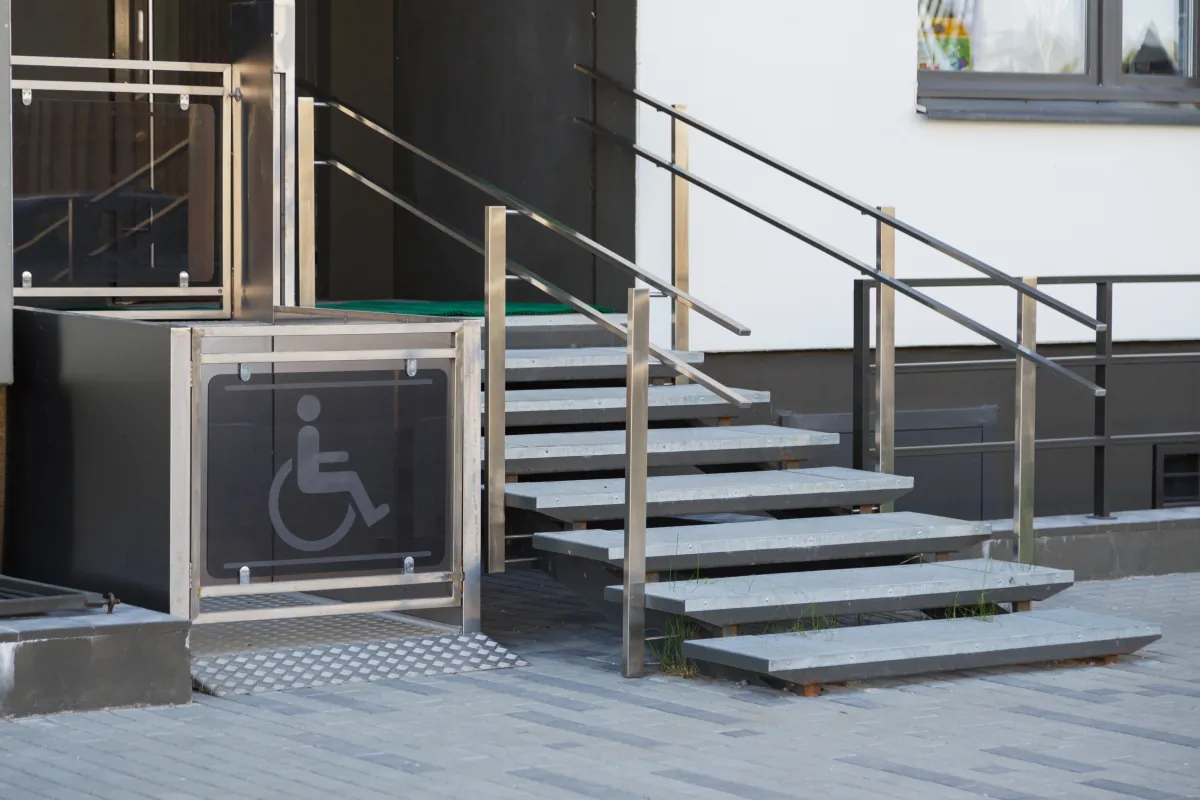
Accessibility remodeling means changes that make spaces easier and safer to use. Additionally, Common upgrades include wider doorways, a curbless (no-step) shower, grab bars, brighter lighting, lever-style handles, non-slip flooring, and safer entries with ramps or better stair handrails.

Hiring Questions That Protect Your Permit Timeline

  • Which parts of my scope typically require permits in Sacramento?
  • Will also you handle submittals, plan corrections, and inspection scheduling, or do I?
  • What drawings do you need before you submit (floor plan, plumbing, electrical)?
  • What accessibility details will you confirm early (door clearances, shower slope, grab bar blocking)?
  • How do you document changes so the approved plans and the build stay aligned?

Planning Mistakes That Cause Delays

Most schedule blowups happen before work starts. Overall, These are fixable if you catch them early.

  • Starting design without measuring clearances (door width, turning space).
  • Picking fixtures late, which forces plumbing and framing changes.
  • Assuming a “small change” won’t trigger review or inspection.
  • Comparing bids with different scopes, allowances, or permit responsibility.
  • Skipping a written change-order process until problems pile up.

Bid Comparison Checklist (Apples-To-Apples)

Two bids can look similar and still produce different results. Also, Use this checklist to compare proposals on the same scope, the same assumptions, and the same finish level.

What A Complete Bid Should Spell Out

  • Exact scope by room and by trade (carpentry, plumbing, electrical, tile, paint).
  • What is included vs. For example, an allowance (fixtures, tile, doors, hardware).
  • Who is responsible for permits, plan corrections, and inspection sign-offs.
  • Any accessibility-specific details (grab bar backing, thresholds, ramp slope).
  • Protection plan for your home (dust control, floor protection, daily cleanup).
  • Estimated timeline with milestones, not just a start date.
  • How changes are priced and approved (written change orders).

home additions building under construction at sunny day in vancou

Contract Basics (Payment Schedule, Scope)

A solid contract protects your budget and your calendar. In addition, It should describe the scope in plain language and tie payments to completed work, not just dates. It should also state who manages permits and how required inspections get handled.

Scope And Payment Terms To Look For

  • Detailed scope: what gets built, where, and with which materials.
  • Allowances: a set budget for items you haven’t selected yet (make sure the numbers are realistic).
  • Milestone payments: examples include deposit, rough-in complete, finish milestones, and final punch list.
  • Permit responsibility: who submits, answers plan-check comments, and schedules inspections.
  • Access plan: work hours, site safety, and how the crew protects pets and children.

Decisions That Drive Cost And Schedule

DecisionWhy it mattersOften affects
Move plumbing fixturesChanges rough-in locations and may require revised drawingsPermit scope, inspection steps, labor
Widen doorwaysMay involve framing changes and special-order doorsCarpentry time, materials lead time
Curbless showerNeeds precise slope and waterproofing detailsRough-in timing, tile sequencing
Electrical upgradesNew circuits, lighting, and GFCI (ground-fault) protectionElectrical inspection, rough-in timing

Timeline Planning And Change Orders

Accessibility projects move faster when you plan the timeline around permits, material lead times, and inspection windows. As a result, You don’t need a perfect calendar on day one, but you do need a realistic sequence.

Typical Phases (Ranges, Not Promises)

  • Scope + measurements: 1–3 days to document clearances and must-haves.
  • Design and selections: 1–3 weeks, depending on rooms and fixtures.
  • Permit prep and submittal: typically days, once drawings and scope are final.
  • City review + corrections: varies by scope; plan extra time if you move plumbing, add circuits, or change walls.
  • Build + inspections: commonly weeks, based on demolition depth, trades, and special-order items.

Accessibility And Aging-In-Place Options To Decide Early

Small choices can change the drawing set and the schedule. Also, Decide these early so the plans match what gets built.

  • Entry plan: ramp vs. For example, step modifications, handrails, and landing space.
  • Bathroom safety: curbless shower, bench, handheld shower, and grab bar locations.
  • Door hardware: lever handles and privacy locks that are easy to operate.
  • Flooring: slip resistance, transitions, and threshold heights.
  • Lighting and switches: brighter task lighting and reachable controls.

Change Orders That Stay Fair

Changes happen. As a result, The key is keeping them visible, priced, and approved before work starts.

  • Require a written description of the change, the added cost, and any added days.
  • Track changes that affect permits so the approved plans stay accurate.
  • Lock in long-lead items early (doors, shower systems, specialty hardware).
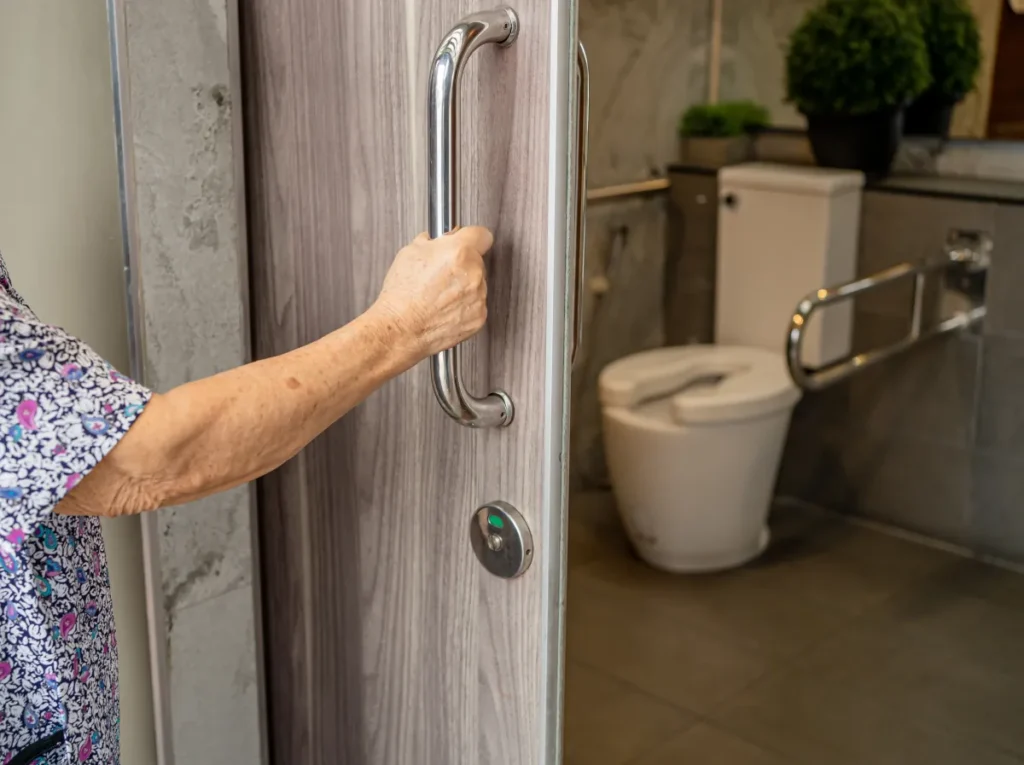
ada compliance upgrades asian senior elderly old lady woman patient use

Quality Checks Before Final Payment

Final payment should come after the work functions the way you need it to. For this reason, For accessibility upgrades, small details matter because you use them every day.

Walkthrough Checklist You Can Use

  • Doors open smoothly and provide the clearance you planned.
  • Grab bars feel solid and land where you need them.
  • Shower and floor slopes drain correctly with no standing water.
  • Non-slip surfaces and transitions feel secure underfoot.
  • Lights, fans, and outlets work as expected (including GFCI protection where required).
  • Paint, caulk, and trim look finished, not rushed.

Sacramento Permit And Inspection Notes (High Level)

In Sacramento, many residential permit steps happen online. In addition, Homeowners often submit, pay fees, and track status through the City’s online permit system (commonly Accela Citizen Access). As a result, Exact requirements depend on the scope and the address, so confirm details for your project before demolition.

Ask your contractor to keep a simple permit folder with your approved plans, inspection results, and product manuals. Also, It helps with resale, warranty questions, and future repairs.

Talk Timeline Before You Sign

If you want help mapping the scope to a permit path and a realistic build schedule, talk with US Construction & Remodeling Corp. Call Call.

Helpful Links

Frequently Asked Questions

It depends on what you change. Cosmetic updates (paint, swapping a vanity in the same spot) may not need a permit, but many accessibility upgrades do because they touch plumbing, electrical, or structural framing.

Common permit-trigger items include:

  • Moving or adding plumbing lines (shower, toilet, sink relocation).
  • Adding or relocating electrical circuits, lighting, or exhaust fans.
  • Removing or moving walls, widening door openings, or changing framing.
  • New exterior ramps, landings, or changes to an entry structure.

When in doubt, confirm through the City’s online permit system or have your contractor verify before work starts. That one check can prevent rework and delays.

Most homeowners have the contractor manage permits because it keeps the approved plans, inspections, and trade work coordinated. In some cases a homeowner can act as an owner-builder, but that can shift more responsibility to you for scheduling and compliance.

Whichever route you choose, make sure the contract states who handles:

  • Submittal documents and plan revisions.
  • Inspection scheduling and site access.
  • Sign-offs for plumbing, electrical, and final inspections.

confirm whose name the permit is issued under. That affects who can request inspections and respond to plan-check comments.

Permit timing varies with scope and the City’s workload. Small trade permits can move quickly, while projects that change walls, plumbing layouts, or electrical service often take longer because they require plan review.

Ways to reduce wait time:

  • Finalize fixtures and clearances before submittal.
  • Submit complete drawings with consistent dimensions.
  • Respond to plan-check comments quickly and in writing.

A realistic schedule accounts for review time, ordering time, and inspection windows so the crew doesn’t sit idle between phases.

There isn’t a single number because fees depend on scope, valuation, and how many trades are involved. The budget impact usually includes City fees plus any drawing, engineering, or revisions needed to get an approval set.

To keep your budget clear, ask your contractor to separate:

  • Permit and plan review fees (City costs).
  • Design/drafting support (if needed for your scope).
  • Work discovered during demo that changes the scope (handled via change order).

If a bid hides these items, comparing costs becomes harder and surprises become more likely.

Starting demolition or trade work before approval can create avoidable risk. If the City requires changes, you may have to redo work, pause the job, or expose framing again for inspection.

While you wait, you can still move the project forward by:

  • Finalizing material selections and placing long-lead orders.
  • Planning temporary access (especially if the bathroom will be offline).
  • Confirming where inspections will happen and how the crew will maintain safe access.

Ask your contractor what can safely happen pre-approval for your specific scope.

Decide early on items that affect framing, waterproofing, and rough-ins. Early decisions keep the permit set accurate and reduce mid-project changes.

  • Curbless shower: affects slope, drain location, and waterproofing steps.
  • Grab bars: plan blocking (solid backing inside the wall) before drywall.
  • Doorway width: can require reframing and different door sizes.
  • Floor transitions: affects thresholds and how rooms connect.
  • Lighting and controls: reachable switches, brighter task lighting, and safe outlets.

If you’re unsure, start with your mobility needs and measure the space. A few inches can change the best solution.

Use the final walkthrough to confirm safety, function, and finish quality. Don’t rush this step, especially when the goal is easier daily use.

  • Test doors, locks, and lever handles for smooth operation.
  • Verify grab bars, handrails, and seats feel solid and well placed.
  • Run water and check drainage, caulk lines, and transitions.
  • Confirm outlets and lighting work, including required protection devices.
  • Ask for copies of approved plans, inspection sign-offs, and product manuals.

Hold final payment until the punch list is complete and any required final sign-off is documented.

Licensed, insured & trusted local contractor

US Construction & Remodeling Corp.
4424 Freeport Blvd, Sacramento, CA, 95822
Phone: +1 (916) 234-6696

CSLB License #: 1117562 Fully licensed and insured.

View our Google Business Profile

Leave a comment

This website uses cookies to improve your web experience.
Explore
Drag