Skip links

USC Project · Old Sacramento · February 2026

Commercial Water Heater Repair at an Old Sacramento Restaurant

A restaurant called after losing hot water at an existing commercial gas water heater. This case study follows the assessment, the unsuccessful first repair path, the pilot-assembly work that restored operation, and the checks completed before the service call was closed.
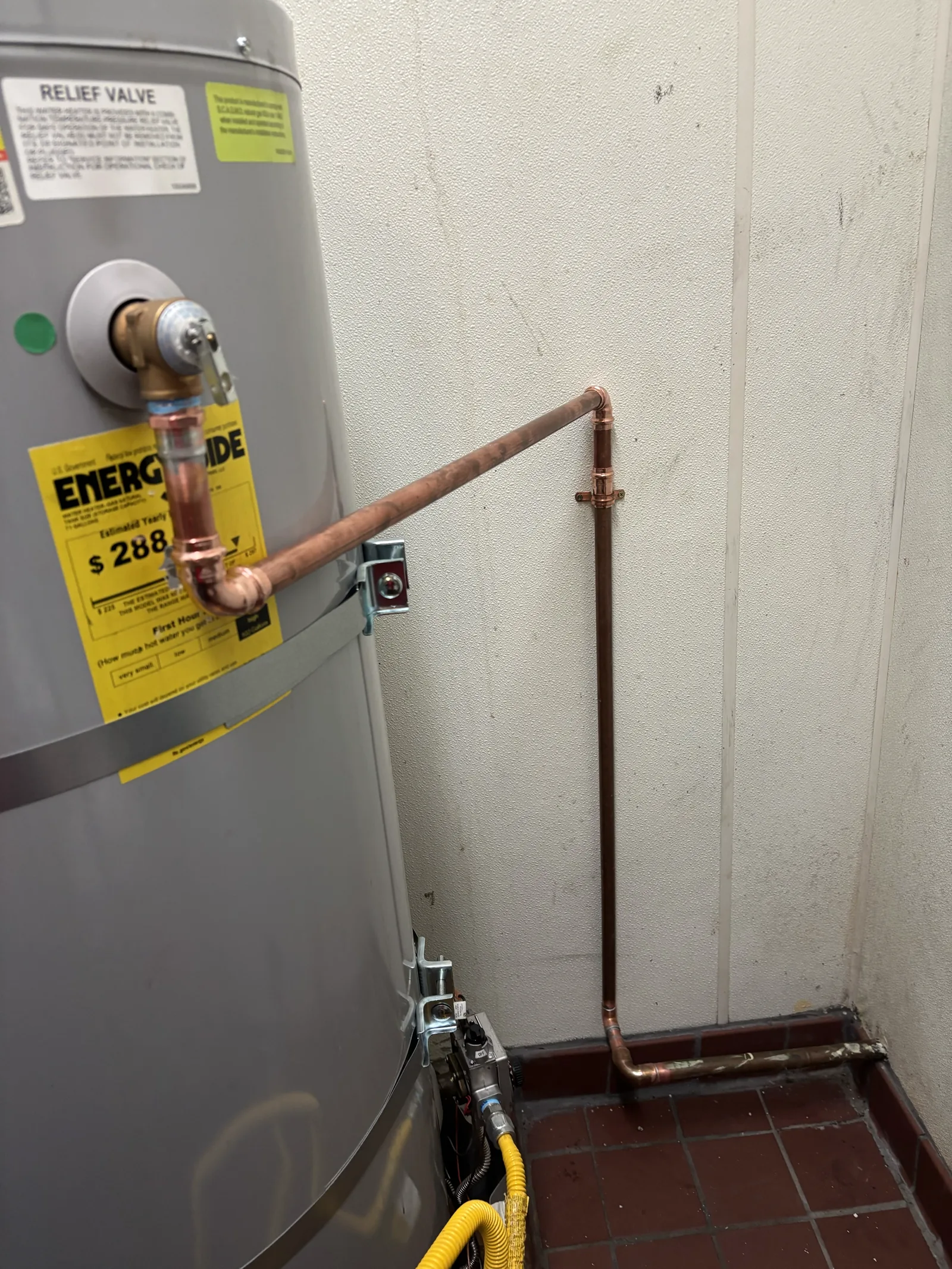
Existing commercial gas water heater with relief-discharge routing documented after the repair work.

Existing commercial gas water heater after the service work. The yellow EnergyGuide sticker is a manufacturer energy-use label, not the USC project price.

Project at a glance

Commercial hot water restored after the first repair path did not solve the problem

This Old Sacramento restaurant needed its existing commercial gas water heater returned to service. USC documented the diagnosis, repair sequence, accessible supporting components, and operating checks while keeping the customer and exact address private.

Reported condition

No hot water from the existing commercial gas water-heating equipment.

Service path

Assessment, control-valve intervention, pilot-assembly work, and operating checks.

Documented result

Hot water returned after the pilot-assembly work and the unit was observed through verification checks.

The call and initial assessment

The symptom was simple. The repair decision was not.

The February 2026 call began with a business problem: the restaurant had no hot water. The existing commercial gas unit and accessible components were reviewed before another repair step was authorized.

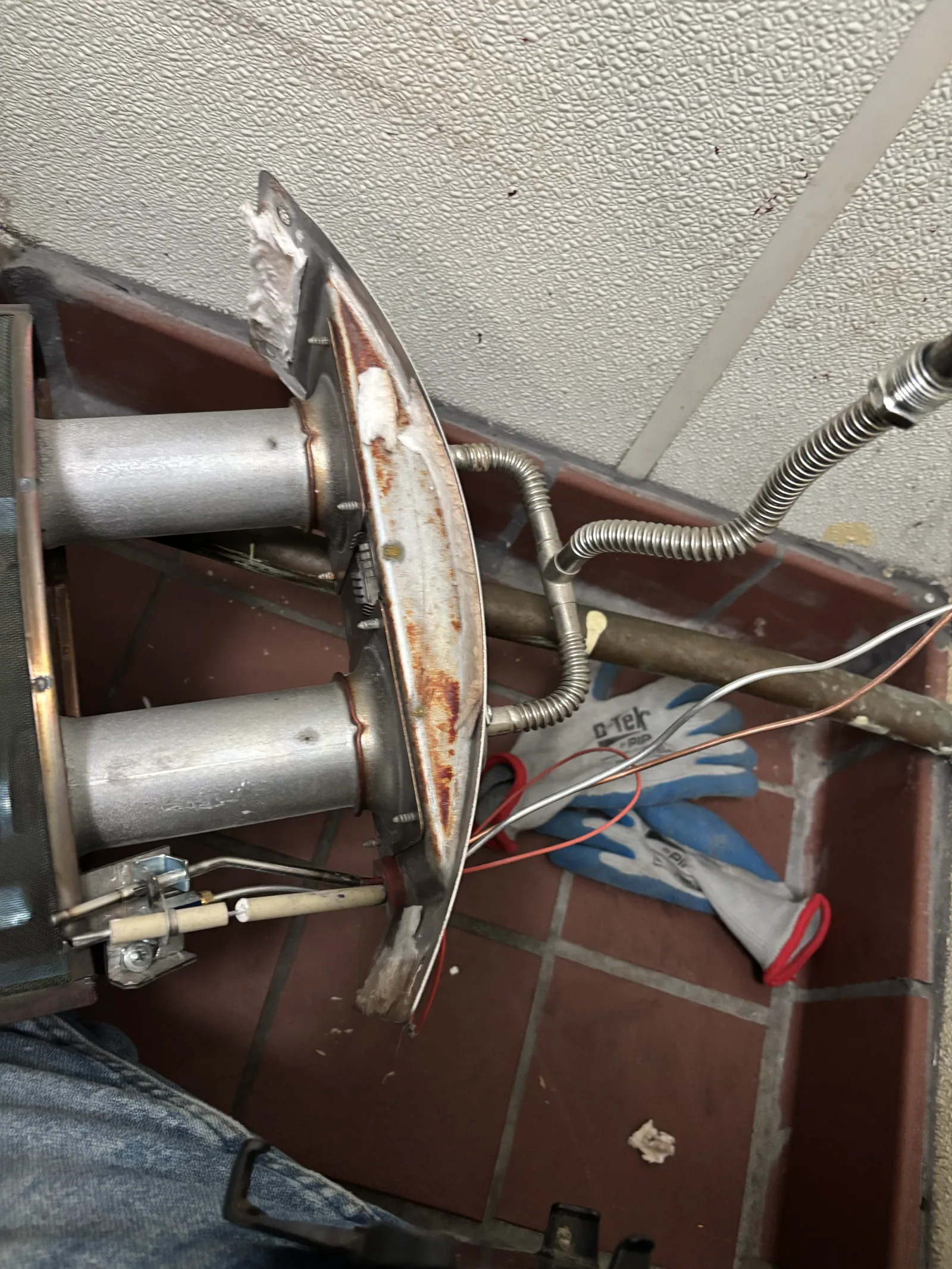
The first service path involved the control valve. That intervention did not restore hot-water operation, so the team did not present it as a completed fix. The diagnostic path continued to the burner and pilot assembly. That sequence matters because a case study should distinguish an attempted repair path from the work that actually returned the equipment to operation.

These photographs show the burner and pilot assembly during diagnosis, while the service record provides the sequence from the first intervention to restored hot-water operation.
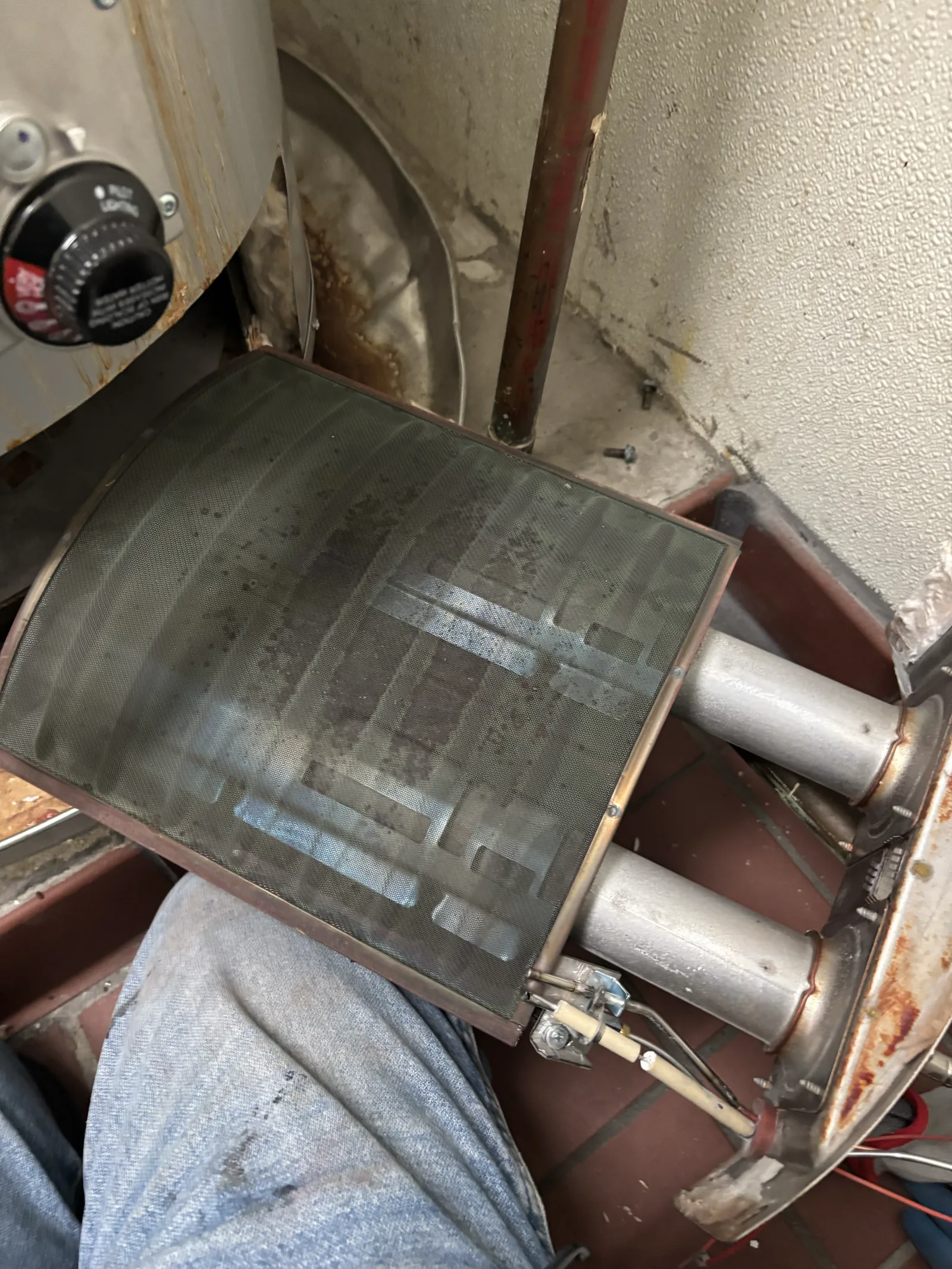
Burner and pilot assembly removed during diagnosis of an existing commercial gas water heater in Old Sacramento.
Close view of the burner and pilot assembly evaluated during a commercial no-hot-water service call.

Repair chronology

What happened from the no-hot-water call to restored operation

01

No-hot-water call

The restaurant reported that the existing commercial gas water heater was not delivering hot water.

02

Existing equipment assessed

The unit, accessible controls, burner and pilot area, visible piping, and reported operating condition were reviewed.

03

First repair path did not resolve the symptom

A control-valve intervention was attempted, but hot-water service was not restored. The diagnosis therefore continued.

04

Pilot-assembly work restored hot water

After work on the pilot assembly, the water heater returned to operation and hot water was available again.

05

Related installation components documented

The expansion tank, seismic restraints, and relief/discharge components visible at the unit were addressed and recorded as part of the completed work.

06

Operating checks completed

The closeout included hot-water temperature, burner and pilot cycling, visible gas and water leak checks, and review of relief/discharge operation.

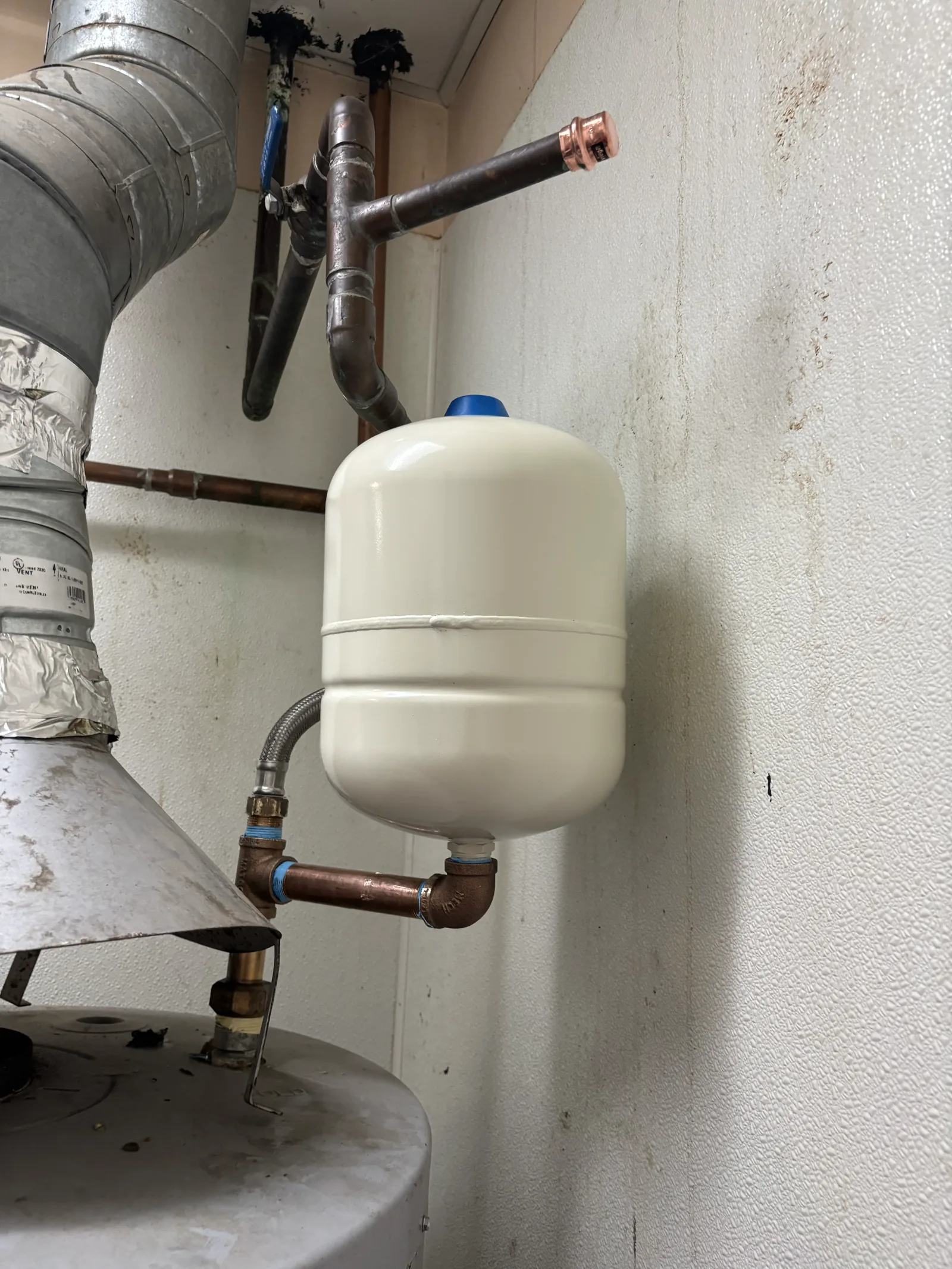
Expansion tank and accessible piping documented at the Old Sacramento commercial water-heater project.

Visible supporting components

The repair was documented beyond the control area

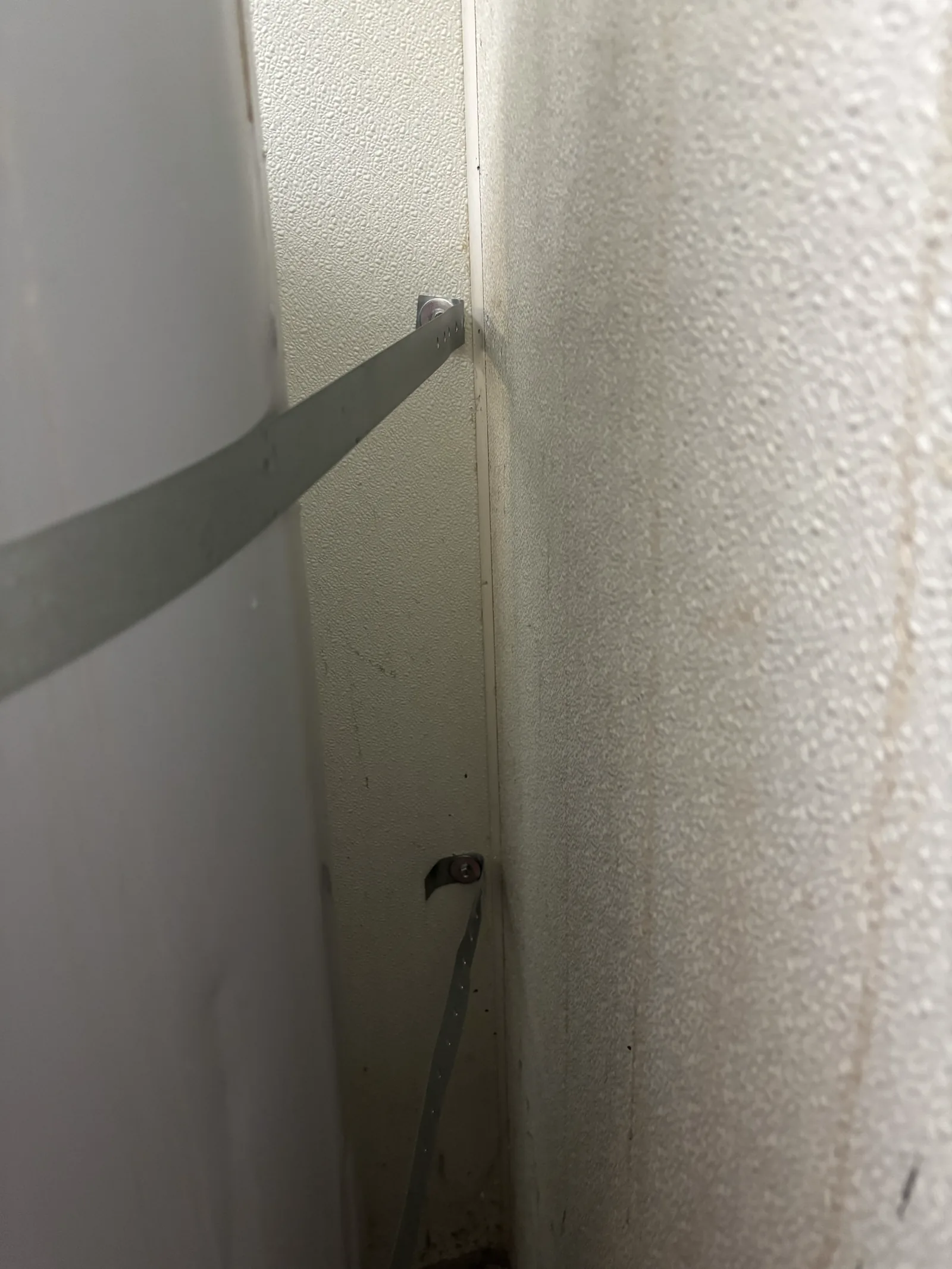
The project record includes the expansion tank and accessible piping, the seismic restraint straps and their anchors, and the relief/discharge routing visible beside the water heater.

Together, the photographs show the accessible components addressed during the service visit and how the completed condition was documented around the existing appliance.
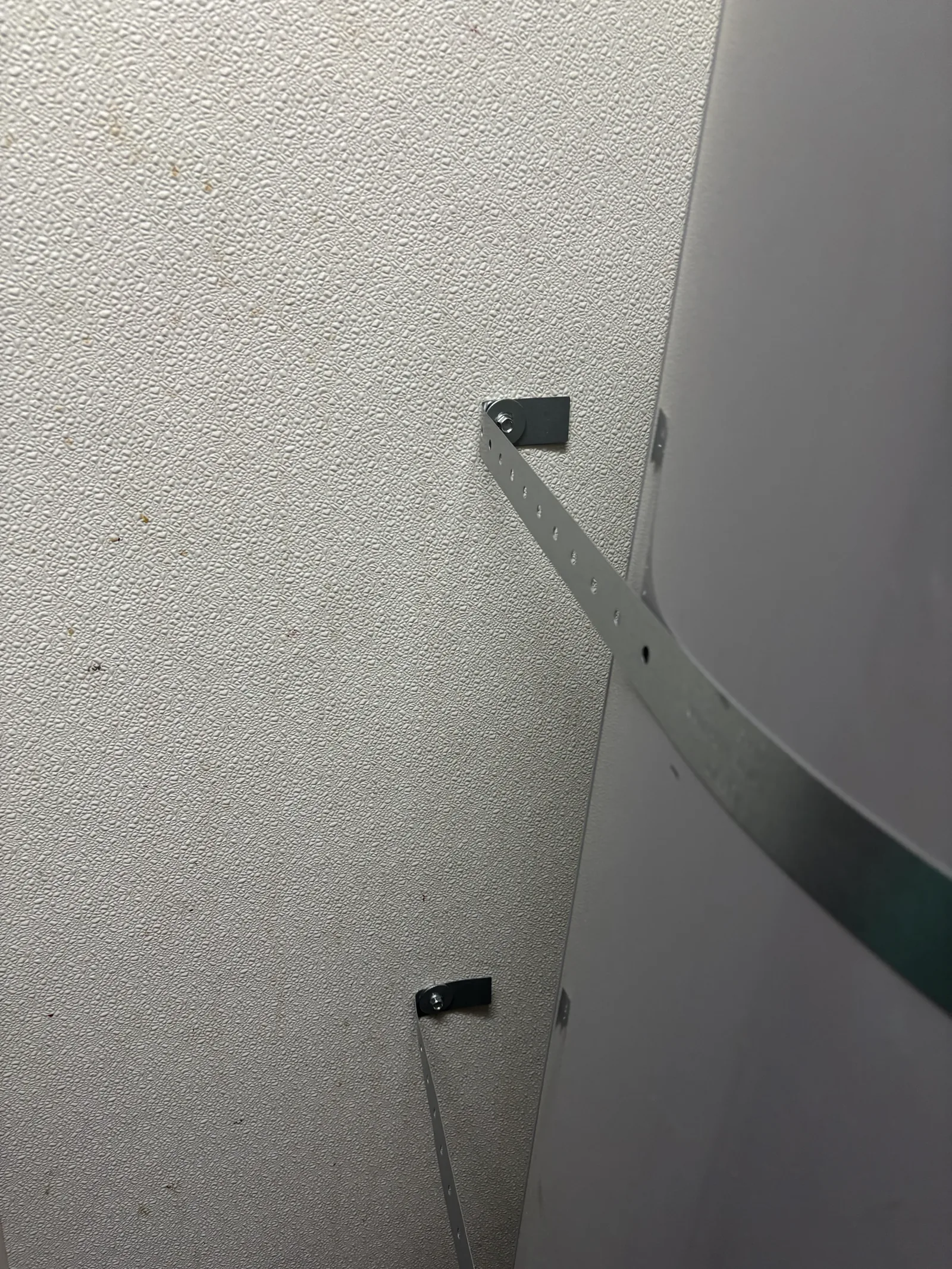
Upper seismic restraint anchor documented beside the commercial water heater.
Lower seismic restraint anchor documented in the compact water-heater service area.

Verification before closeout

Returning hot water was the start of verification, not the end

After the pilot-assembly work restored operation, the field account records a practical set of closeout checks.

  • Hot-water temperature was checked after recovery.
  • Burner and pilot cycling were observed.
  • Accessible gas connections were checked for leakage.
  • Accessible water connections were checked for leakage.
  • The visible relief/discharge path was reviewed.

These checks confirmed the recorded operating condition at closeout and gave the restaurant a clear service record for the work completed.
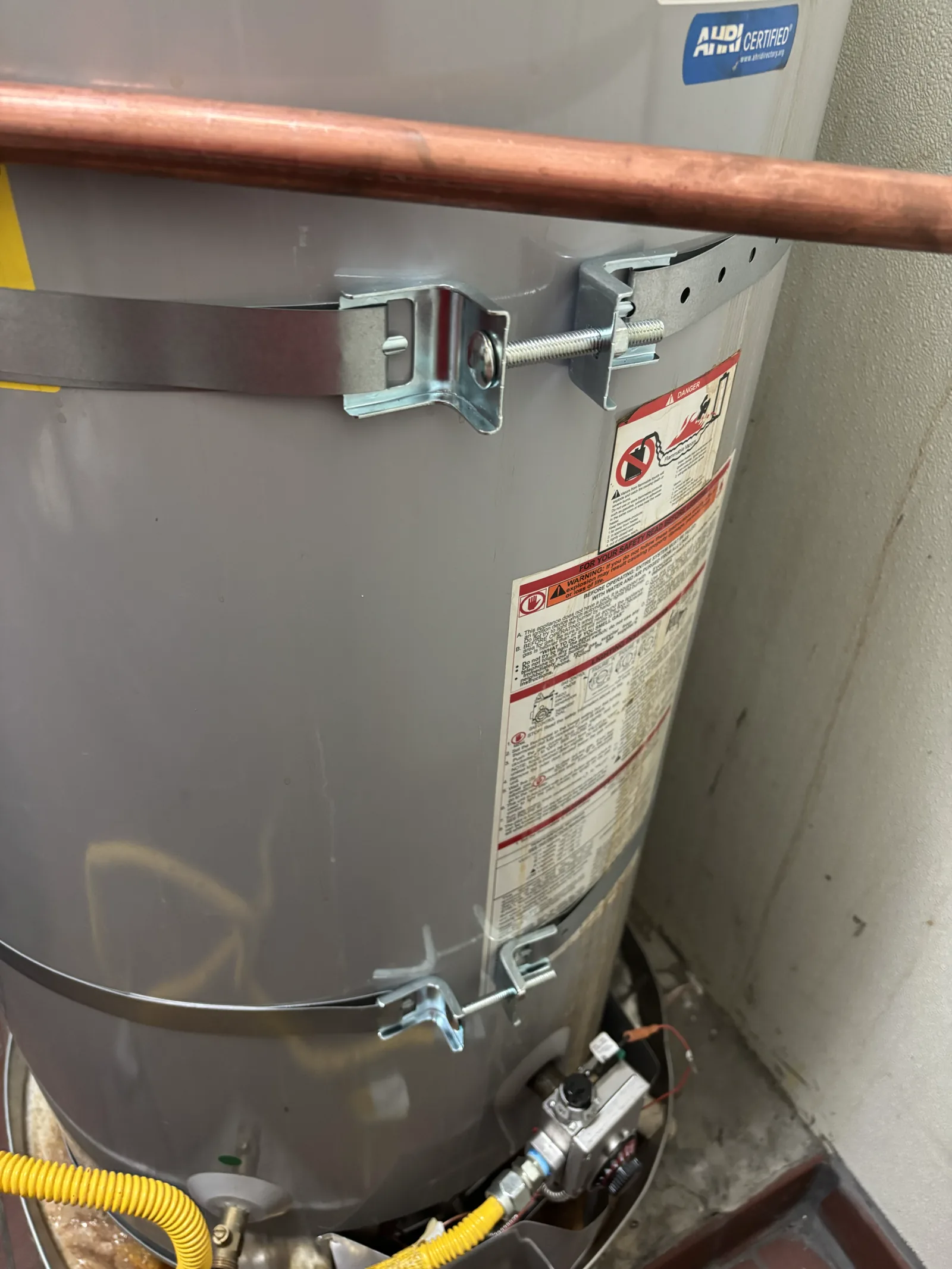
Seismic restraint straps and lower control area on the existing commercial gas water heater.

Seismic restraint straps and the accessible lower control area documented after the service work.

Commercial service planning

What a comparable Sacramento service path may cost

Commercial water-heater pricing depends on the unit, failed component, access, operating-hour restrictions, parts, return visits, related installation conditions, and the approved scope.

The range shown here provides 2026 planning context for a comparable diagnostic-and-repair path. The actual scope is reviewed with the customer before additional work begins.

What commercial owners can take from this project

A clear service record separates the reported symptom, repair decisions, and closeout checks

Start with the operating impact

Tell the service team who is affected, whether any hot water remains, what the equipment is doing, and who can authorize work.

Do not confuse the first attempt with the final fix

This project states plainly that the control-valve path did not restore operation and that the pilot-assembly work did.

Close with checks and a written scope

The equipment was observed through temperature, cycling, leak, and discharge checks before the visit was closed.

For a current commercial water-heater concern, call (916) 234-6696 or review USC's broader commercial plumbing service.

Commercial hot-water service

Have the property address, equipment details, symptom, and access contact ready

Call to discuss current availability and the next appropriate step. Service timing and completion depend on the verified condition, safe access, authorization, parts, and approved scope.

Project date: February 2026 · Last reviewed: August 8, 2026
Original USC project photographs and field notes document this Old Sacramento service call. Customer identity and exact address are kept private.

This website uses cookies to improve your web experience.
Explore
Drag