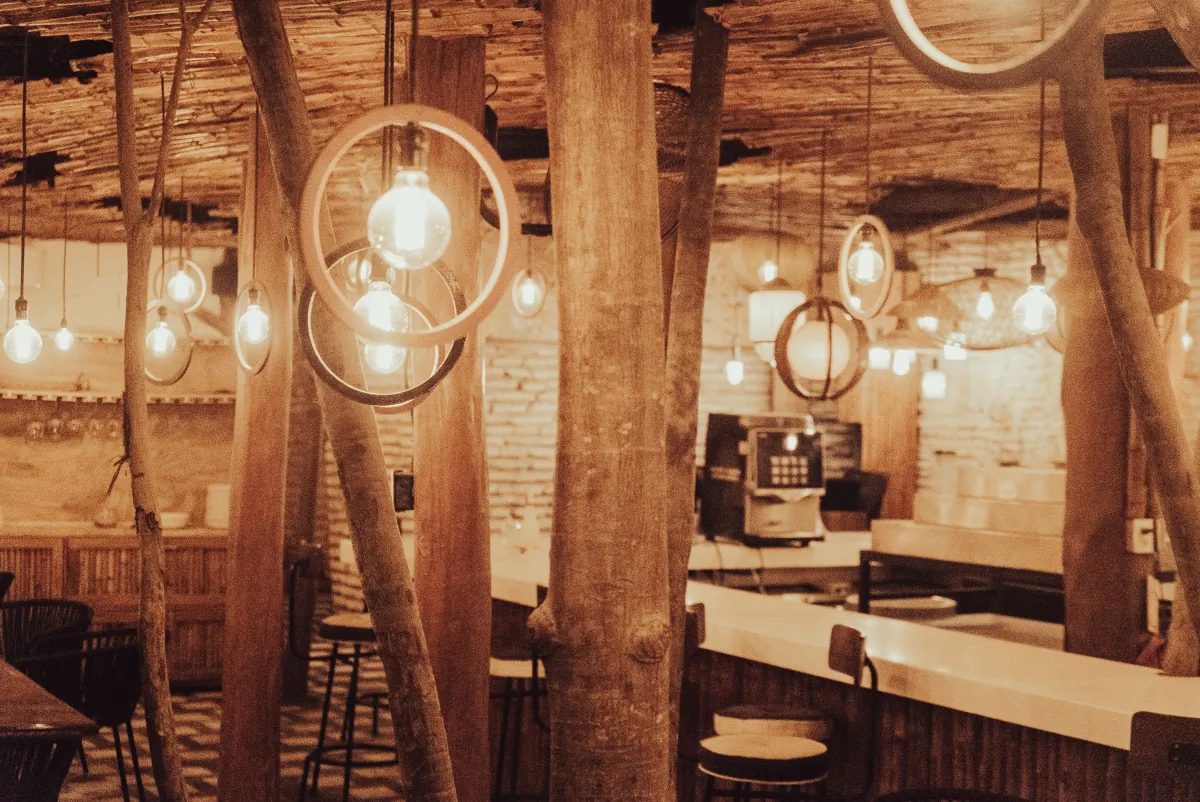
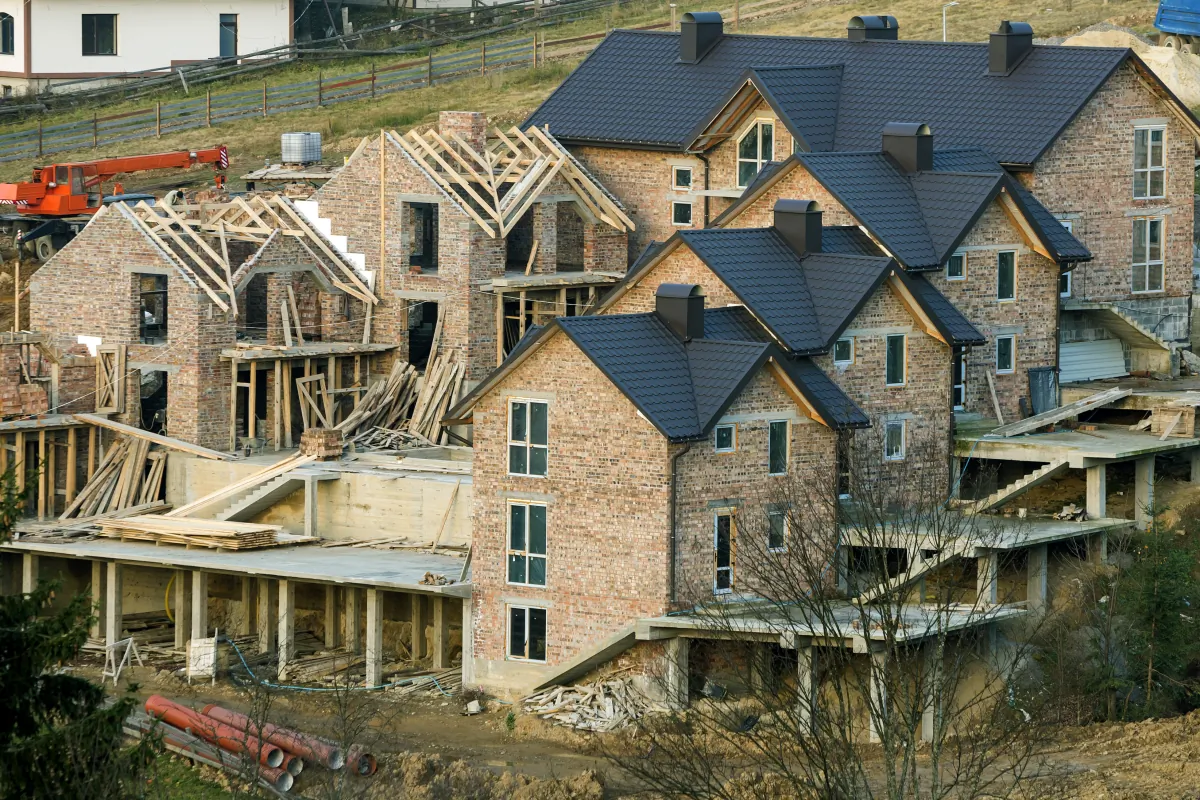
Before demolition, our Sacramento field crew walks bar and café zones plus adjacent shafts to pin down exhaust paths and utility corridors. They inspect mechanical rooms, overhead cavities, risers, corridors, meters, grease interceptors, backflow devices, and boosters, recording gas, domestic water, waste, beverage, and vent runs with tie-ins, pipe sizes, shutoffs, cleanouts, ceiling heights, and access limits. Next, they check clearance around cooklines, hood coverage, make-up air, and testing requirements so the layout stays permit-ready. Those notes turn into mapped routes for supply, waste, draft lines, make-up air, and isolation valves, while flagging where selective openings, coring, or access panels preserve finished areas. Meanwhile, coordination with building management sets surface protection, debris routes, lift access, after-hours windows, and shutdown schedules to keep neighboring suites operating during work. With this groundwork, scope, sequencing, and costs match real site conditions rather than assumptions.